


Vintage Blanket Chest
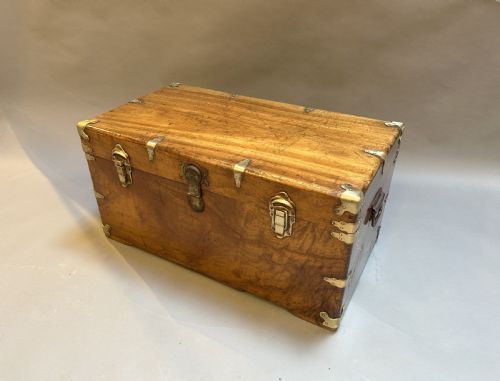
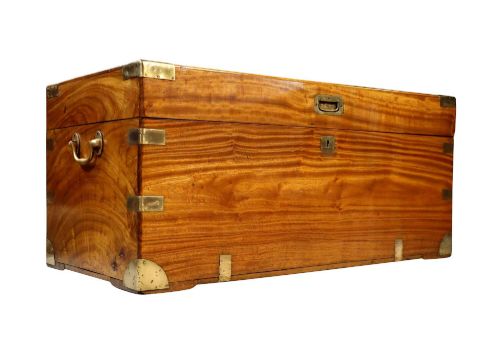
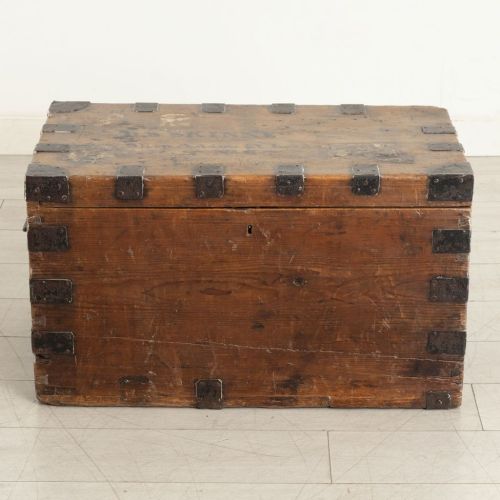
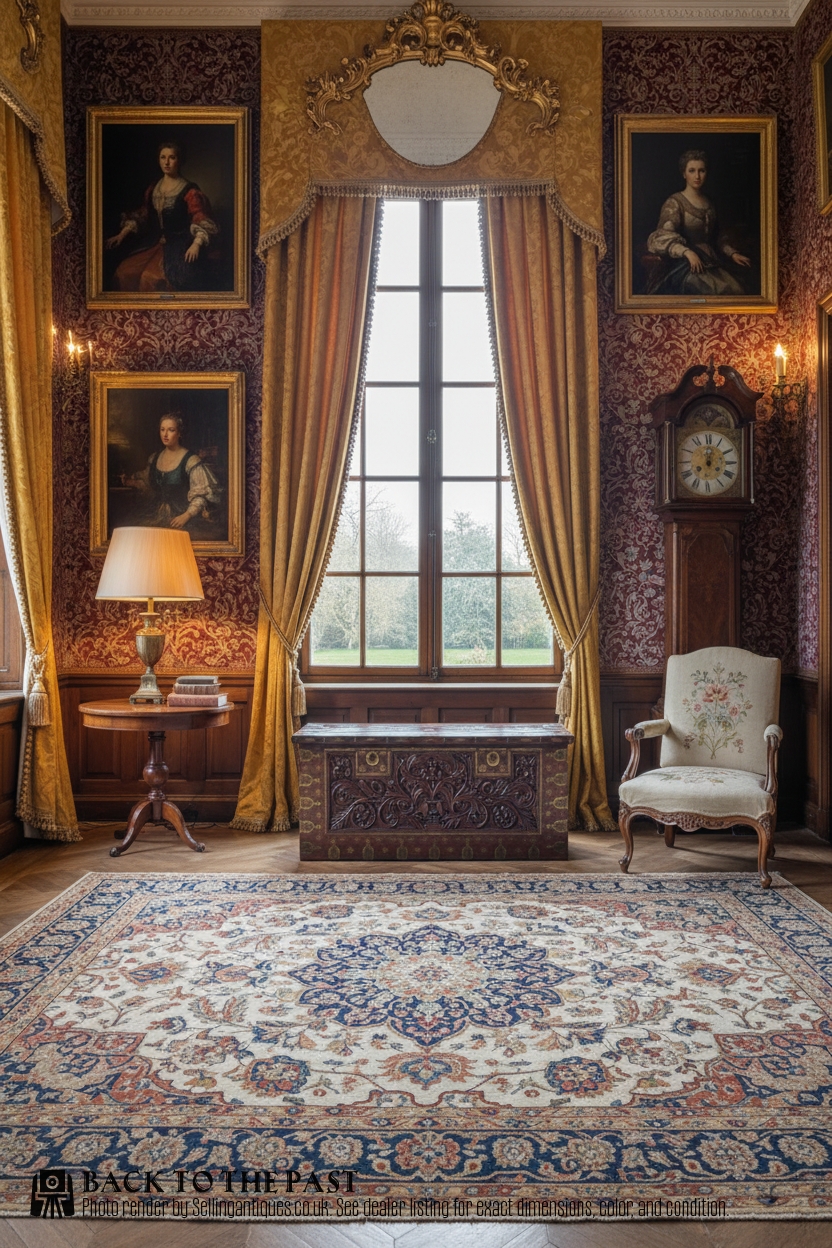
A vintage blanket chest holds generations of textiles while anchoring a room with heavy timber or brass-strapped leather.
Vintage Blanket Chest
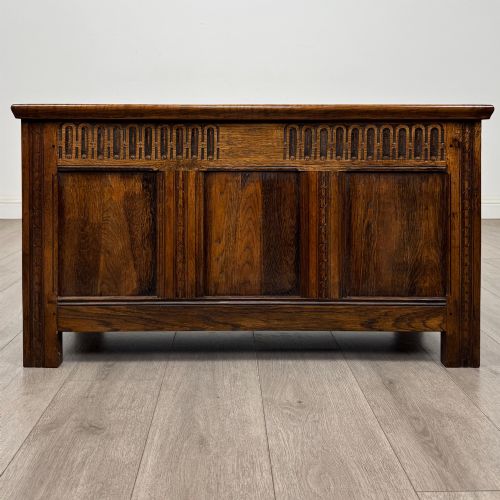
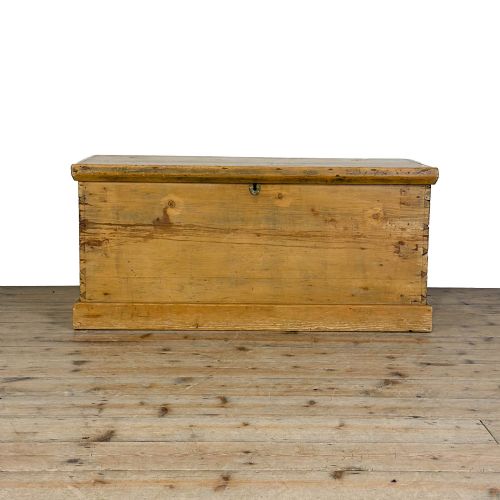
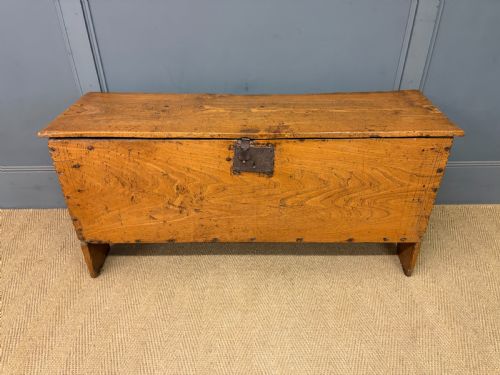
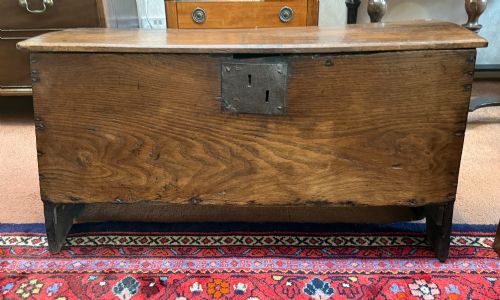
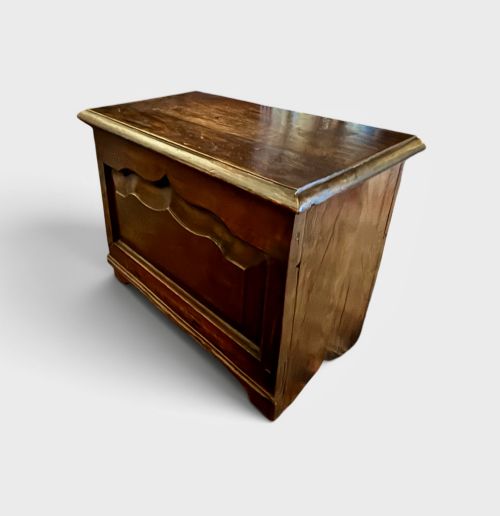
A vintage blanket chest serves as heavy-duty storage, appearing across the centuries in forms ranging from simple pine boxes to elaborate campaign trunks. When searching this phrase, buyers encounter substantial domestic furniture built to contain household linens, woollens and personal belongings.
The pieces on this page span the seventeenth century through to the early twentieth century, taking shape as coffers, steamer trunks, and blanket boxes. Pine and oak predominate in domestic British and Scandinavian examples, whilst camphor wood and teak appear in travel pieces designed for distant transit.
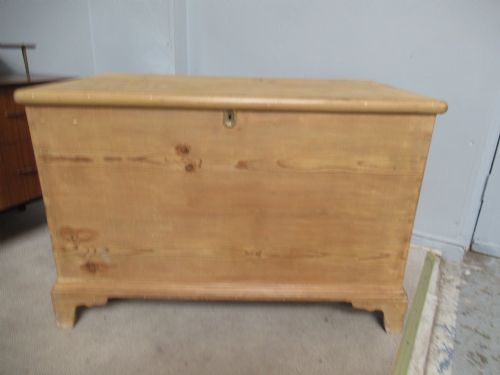
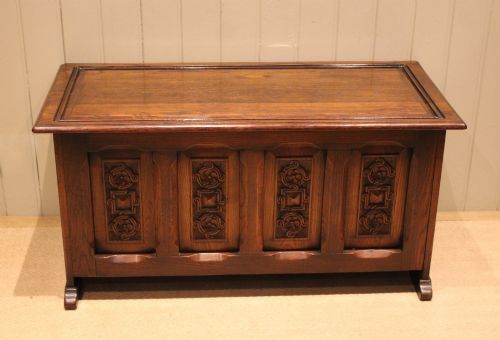
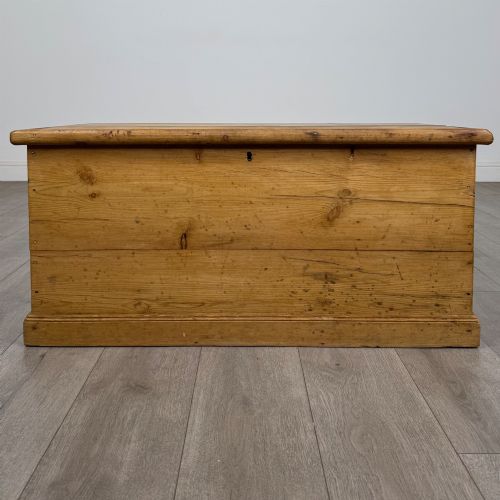
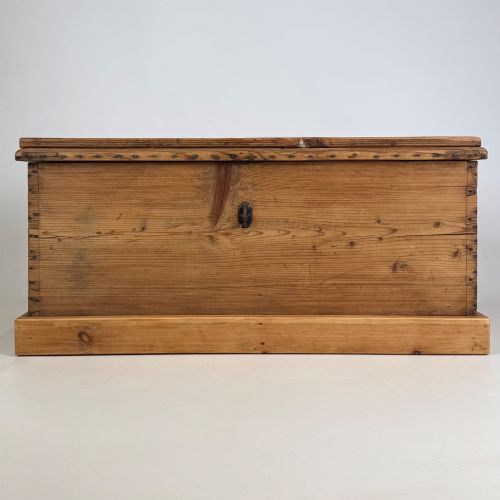
Victorian pine boxes and sturdy oak coffers form the bulk of what buyers meet day to day. These range from utilitarian travel trunks fitted with internal compartments to decorative carved storage chests intended for static placement in a bedroom or hallway.
Materials and Construction
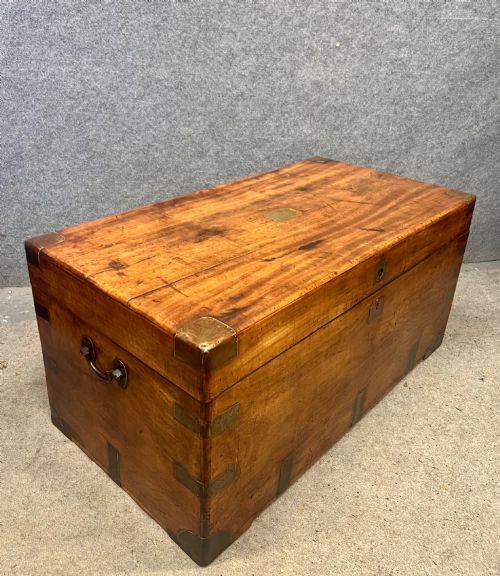
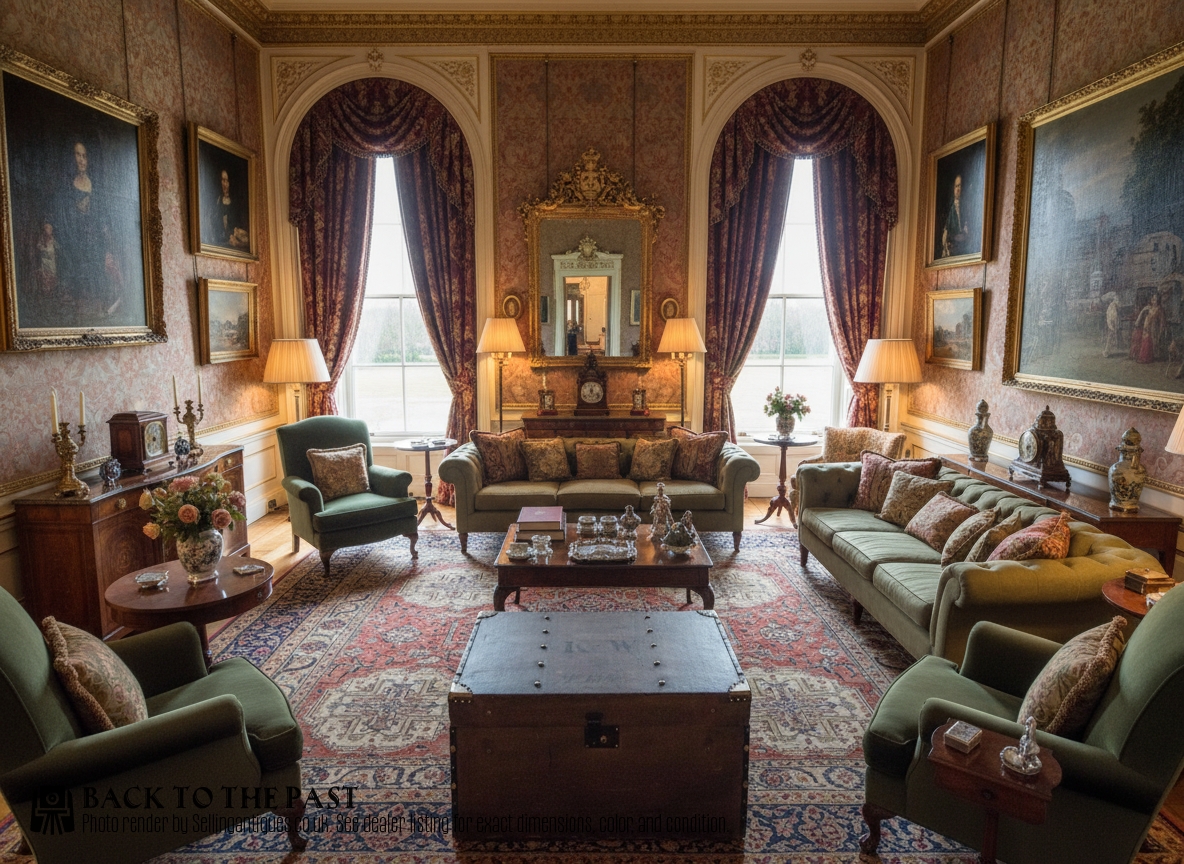
Makers built these storage pieces using durable timbers suited to their intended use, selecting native pine and oak for domestic furniture and resilient camphor wood or teak for maritime travel. Iron and brass strapwork frequently reinforce corners and lids to withstand the rigours of transit.
Joinery methods vary from hand-forged iron strapwork and visible dovetails to carved panels and turned feet. Leather and painted finishes also appear on specialised steamer trunks and folk art boxes, protected by metal bindings.
Vintage Blanket Chest Retail Price Guide 2026
Typical asking prices for vintage blanket chest among the pieces listed under this phrase on Sellingantiques today, from the lower quarter to the upper quarter. They describe what is for sale here now, not the wider market.
Listings feature woods ranging from common pine and sturdy oak to exotic camphor wood, teak, and padouk.
Quality and Construction
The quality of a storage chest lies in the integrity of its timber, the precision of its joinery, and the originality of its hardware. Solid oak and camphor wood pieces with intact brass bindings and original locks sit at the upper end of the scale.
Secondary elements such as hand-forged iron handles, internal candle boxes, and untouched original paint finishes elevate a piece. Heavy domestic boxes that retain their structural soundness and original fixings demonstrate superior craftsmanship compared to later alterations.
Samuel Pratt·Wm. Insall of Bristol
The Vintage Blanket Chest Glossary
- Coffer
- A heavy wooden chest traditionally used for holding valuables or documents. These deep boxes often feature carved front panels and hinged lids.
- Campaign chest
- Portable furniture made in sections with recessed brass handles and corner brackets. Officers utilised these pieces during military campaigns across the British Empire.
- Steamer trunk
- A lower-profile travel trunk designed to fit beneath the cabin berths of passenger ships. They often feature domed or flat tops covered in canvas, metal, or leather.
- Strapwork
- Ornamental bands of metal, leather, or wood applied across the surface of a trunk for reinforcement and decoration. Hand-forged iron examples provide structural strength.
- Dovetail
- A type of joint formed by interlocking wedge-shaped fingers of wood. This technique secures corners firmly without relying solely on adhesives or nails.
Vintage Blanket Chest: Frequently Asked Questions
What is a blanket chest used for?
These large boxes provide deep storage for heavy textiles, woollen blankets, and winter duvets. Historically, families kept their most valuable linens and garments inside them to protect fabrics from dust and moths.
Today, they serve double duty as functional storage and low coffee tables or hallway benches. Placing one at the foot of a bed keeps spare bedding close at hand.
How do I tell pine from camphor wood?
Pine is a pale, soft wood with visible grain rings, frequently found in domestic British and Scandinavian utility trunks. It takes paint well and develops a rich patina through handling.
Camphor wood displays a warmer, reddish-brown hue and emits a distinct, aromatic scent that naturally deters insects. It appears most often in travel chests brought back from maritime trade routes.
Are campaign chests different from standard trunks?
Campaign chests are specifically engineered for portability, divided into modular sections or fitted with carrying handles for military transport. They incorporate brass corners and flush handles to prevent snagging during travel.
Standard blanket chests were built for static domestic placement rather than frequent movement. They lack the modular breakdown and recessed hardware characteristic of travel pieces.
How should I clean an antique chest?
Dust the exterior regularly with a dry, soft cloth to prevent grime accumulation on carved surfaces or metal strapwork. Avoid modern chemical polishes that can damage older wax or oil finishes.
nourrir unpolished timber occasionally with a traditional beeswax to preserve the grain. Keep camphor wood chests lightly ventilated to maintain their internal scent.