




Vintage Bird Pin
These vintage bird pin examples capture fine avian forms in sterling silver, gold, enamel, and glass, offering miniature sculpture to wear or display.
Vintage Bird Pin
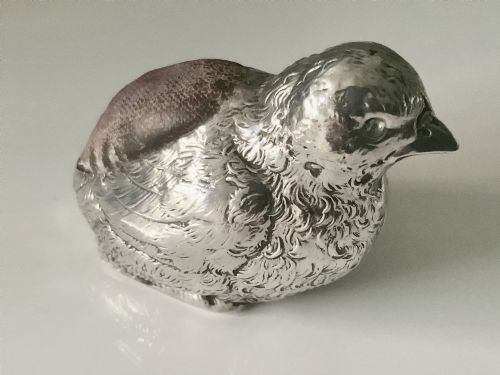
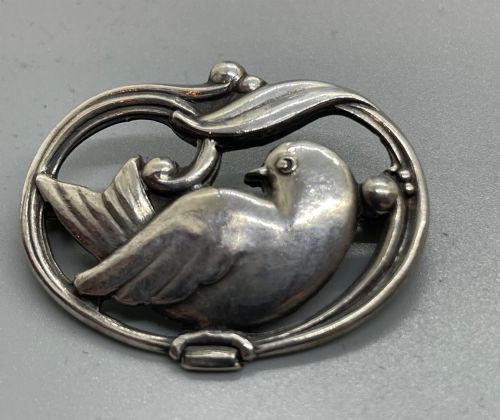
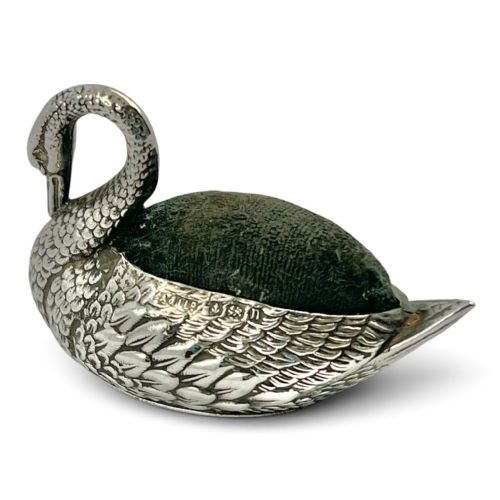
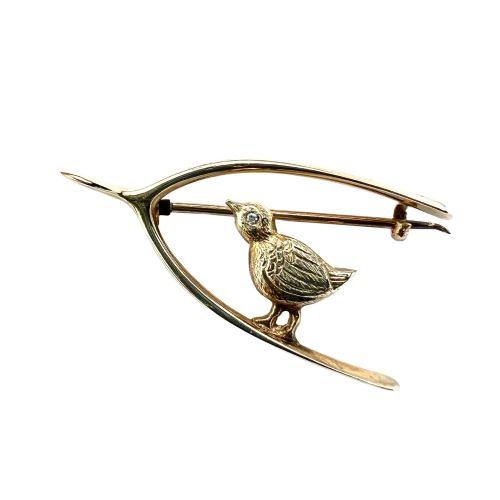
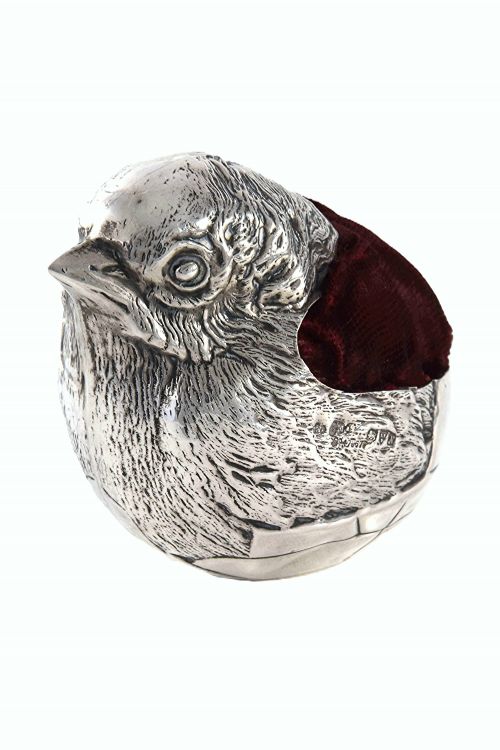
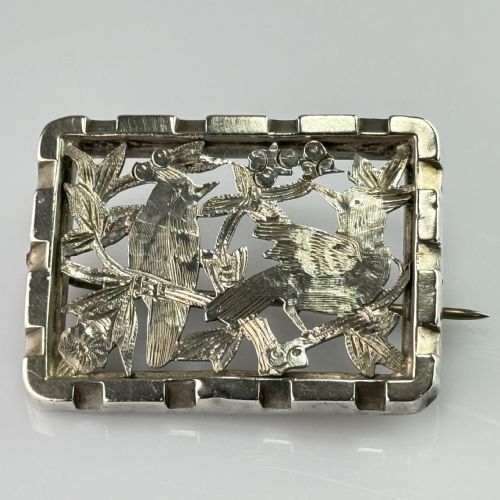
When you search for a vintage bird pin, you encounter a varied selection of brooches, pin cushions, and decorative dishes spanning the Victorian, Edwardian, Art Deco, and mid-century periods. These items translate birds like swans, chicks, ducks, swallows, and pheasants into precious metals and set stones.
How they were made
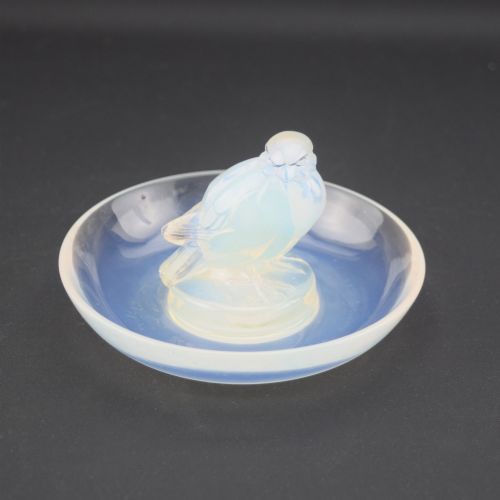
Silversmiths and jewellers utilised sterling silver, 9ct gold, 15ct gold, and platinum to form the structural bodies of these avian subjects, often combining metals to highlight wings or plumage. Cold painted bronze and opalescent glass also appear in the record for sculptural studies and dishes.
Surface decoration relies on vitreous enamel in various colours, alongside flush or prong settings for diamonds and rubies. Pin cushion designs integrate fitted velvet pads within cast silver animals, while brooches utilise hinged pin stems and safety catches.
Austrian bronze ducks stand ready on onyx plinths, bringing a slice of the duck pond directly to the mantelpiece.
What varies in quality
The distinction between tiers rests upon the crispness of casting detail in the metalwork, particularly around feathers, beaks, and eyes. Finer examples exhibit hand-chased definition rather than soft, mass-produced contours.
The grade of materials elevates a piece, such as clean rose-cut diamonds, rich enamel work without loss, or properly preserved velvet inserts within silver pin cushions. Maker attribution and legible hallmarks further separate standard items from superior works.
Rene Lalique·Ben Rosenfeld
The Vintage Bird Pin Glossary
- Pin Cushion
- A small decorative object, frequently cast as an animal in sterling silver, designed to hold sewing pins in its integrated velvet pad. These domestic items date heavily to the Edwardian era.
- Bar Brooch
- A long, slender pin fastener worn across garments, often mounting a central bird motif set with diamonds or pearls. This style was popular during the Victorian and Edwardian periods.
- Cold Painted Bronze
- A method where bronze figures receive non-firing paint finishes, seen in Austrian studies of ducks. This technique yields matte surface coloration that requires careful handling.
- Opalescent Glass
- Glass that diffuses light with milky or pearlescent blue tones, utilised in French ashtray and dish designs. It creates shifting visual depth across moulded avian figures.
- Silver Gilt
- Silver covered with a thin layer of gold, providing a warm two-tone appearance on bird brooches. This finish bridges the visual qualities of silver and gold work.
Vintage Bird Pin: Frequently Asked Questions
How do I date a silver bird pin cushion?
You date these pieces by examining the hallmarks stamped on the silver body, which indicate the assay office, metal purity, and year letter. Edwardian examples often feature specific date letters from the early twentieth century.
Style also helps confirm the period, as naturalistic animal forms were particularly popular during the reigns of Edward VII and George V.
Were bird pin cushions used for sewing?
These silver animals served as functional desk or sewing table accessories where dressmakers parked pins in integrated velvet pads. They combined domestic utility with charming miniature sculpture.
Over time, many lost their original pin cushions or saw replacement pads fitted by later owners.
What is the difference between a brooch and a pin cushion?
A brooch is a wearable ornament furnished with a pin stem and catch to fasten onto clothing. A pin cushion is a stationary desk object designed to hold loose sewing pins.
While both share avian themes and metal construction, their intended functions dictate their physical weight and base design.
How do I care for enamelled bird brooches?
Enamel requires gentle handling because the glass paste fused to the metal can chip or crack under sharp impacts. Keep them away from ultrasonic cleaners and harsh chemical dips.
Store them individually in soft pouches to prevent scratching against other jewellery.