

Vintage Bedroom Accent Chairs
These vintage bedroom accent chairs bring character and comfortable seating to private spaces through diverse periods and polished timbers.
Vintage Bedroom Accent Chairs
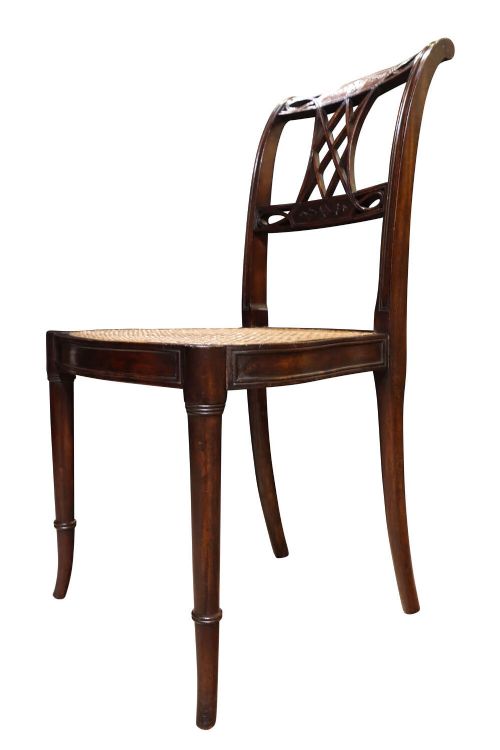
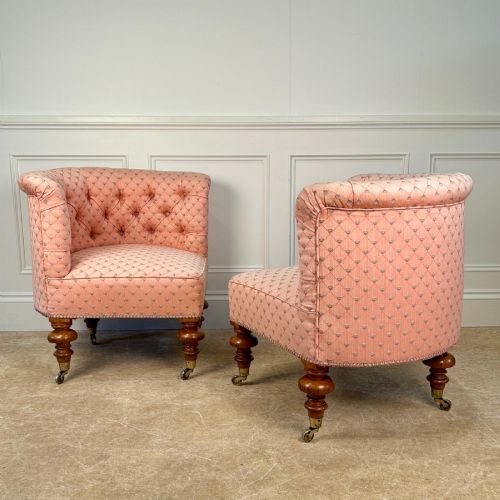
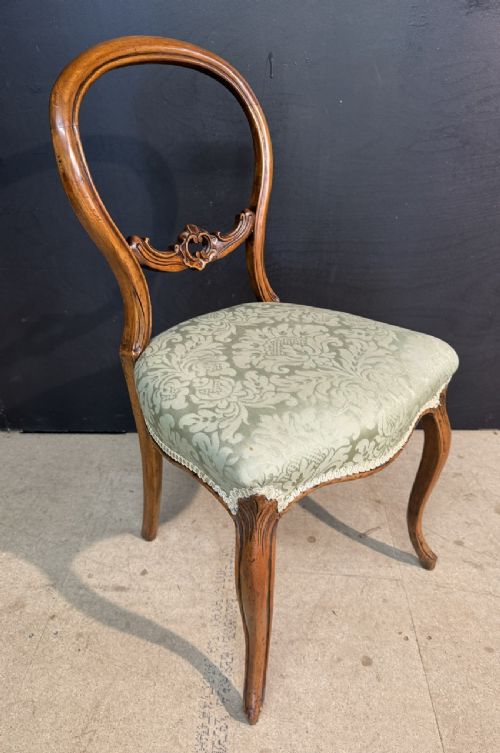
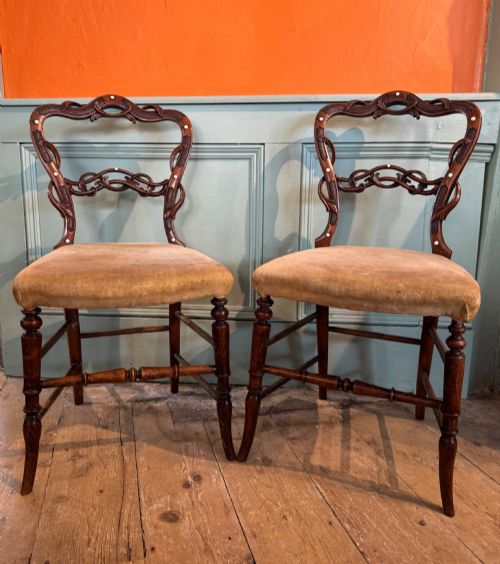
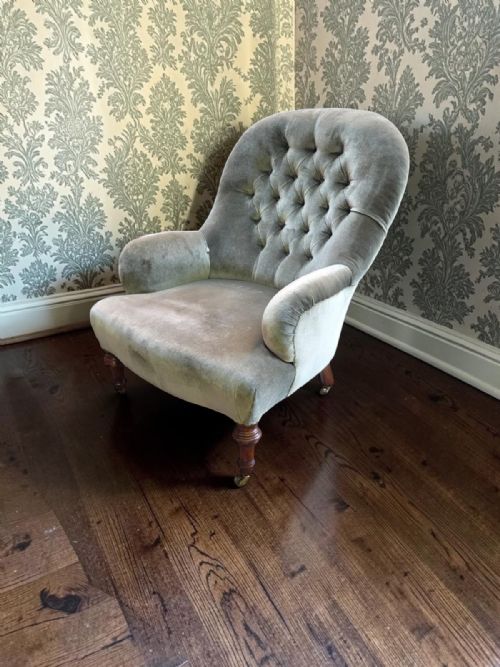
Vintage bedroom accent chairs encompass a diverse selection of small seating forms designed for private chambers, dressing rooms, and intimate parlours. When searching for vintage bedroom accent chairs, buyers encounter pieces spanning the nineteenth and early twentieth centuries, including the Victorian, Edwardian, and Art Deco eras.
Materials and construction methods
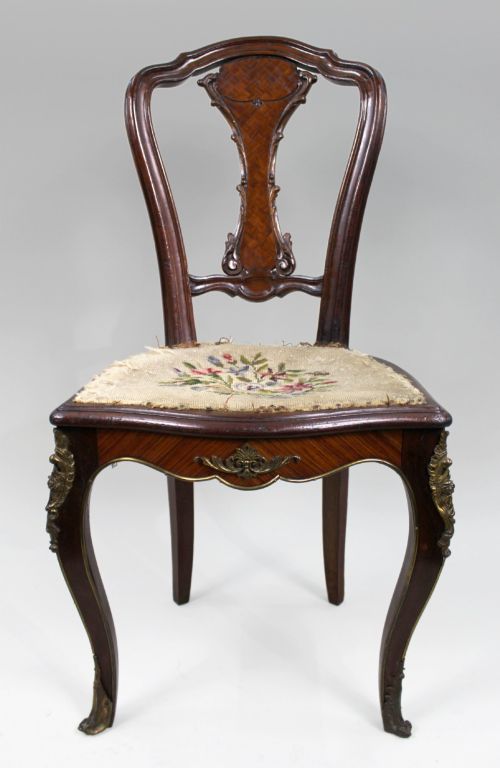
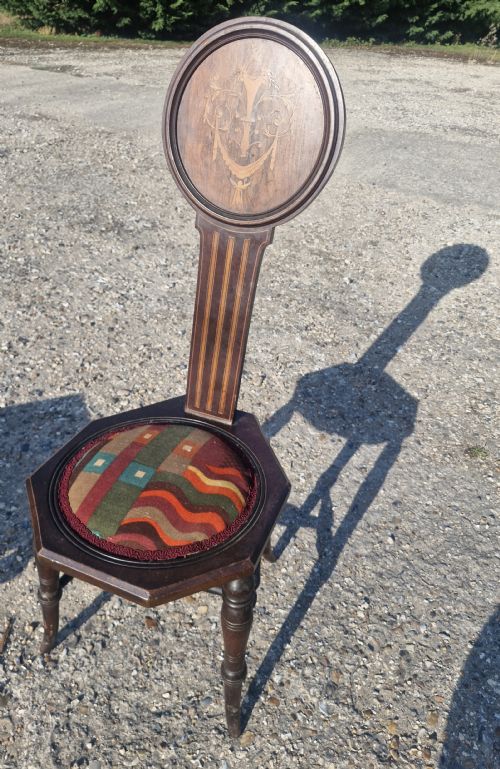
Cabinet makers utilised dense hardwoods such as mahogany, walnut, satinwood, and oak to construct the structural frames of these seats. Timber components frequently incorporate intricate inlays, hand-carved scroll backs, or ormolu mounts depending on the prevailing style.
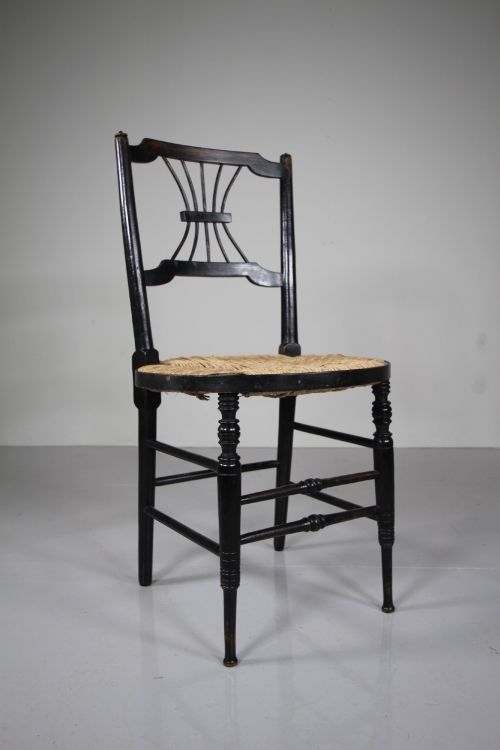
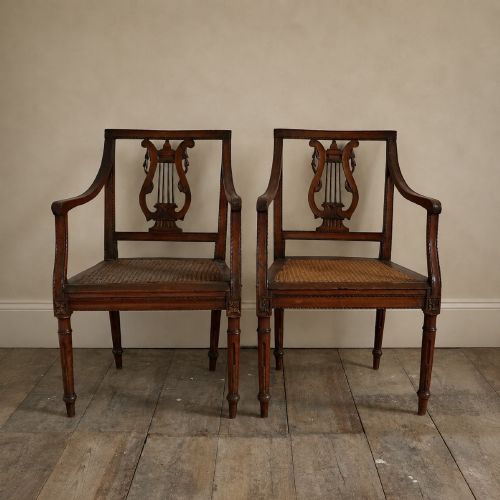
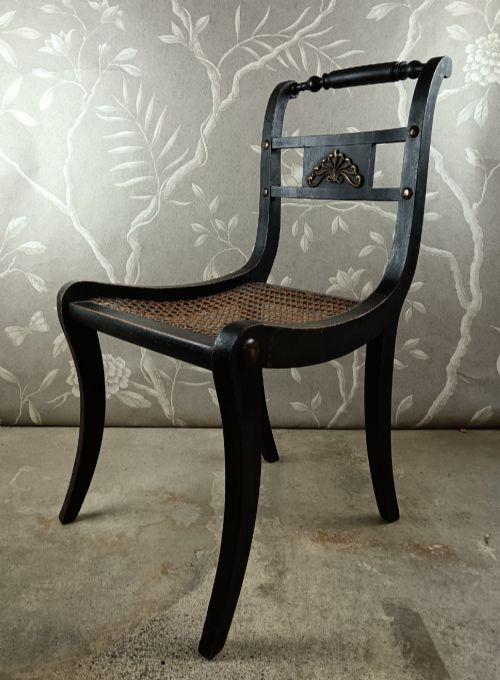
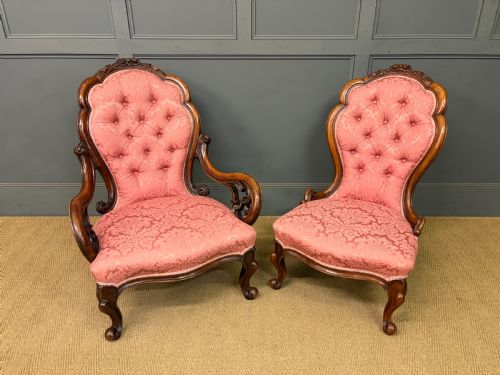
Upholstered surfaces rely on traditional textiles like velvet and patterned fabric, often complemented by exposed cane work, brass details, or original painted finishes. Joinery methods reflect the specific period, from Victorian structural solidity to Edwardian lighter framing.
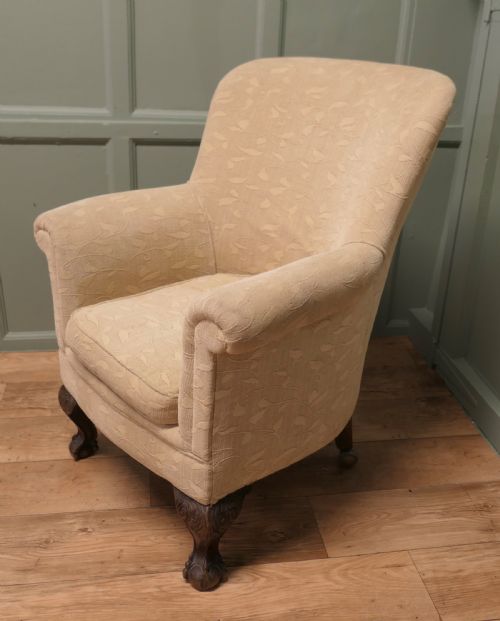
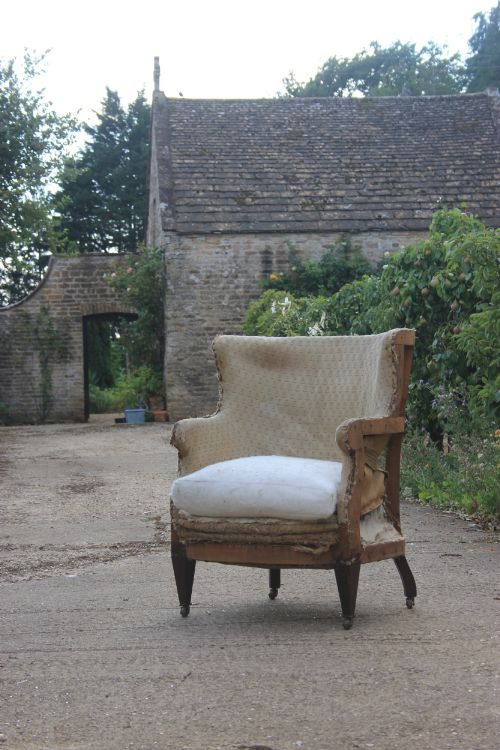
One particularly charming entry simply notes a very cute Edwardian barrel back awaiting a quiet corner.
Distinctions in craftsmanship and preservation
Quality separates through the integrity of the timber frame, the crispness of hand-carved details, and the survival of original decorative elements like cane seats or giltwood finishes. Pieces retaining their original surface patination and authentic upholstery materials hold greater integrity.
The refinement of joinery and the harmonious execution of inlay work or ormolu mounts demonstrate the skill of the original workshop. Lesser examples show diminished precision in carved motifs or unsympathetic structural alterations over time.
William Morris·Bath Cabinet Makers
The Vintage Bedroom Accent Chairs Glossary
- Nursing chair
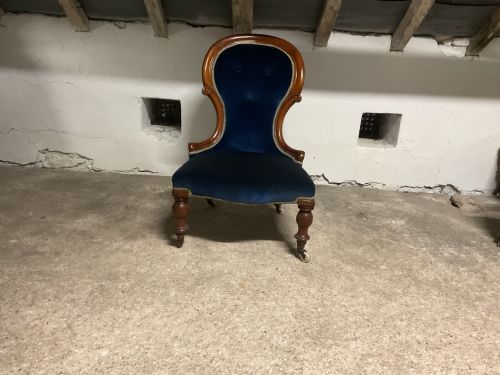
- A low-seated chair traditionally utilised in the nineteenth century for feeding infants or personal grooming. These items typically feature padded seats and supportive low backs.
- Slipper chair
- An upholstered chair standing low to the floor, originally designed for dressing rooms to aid with footwear. The compact proportions suit small bedroom spaces.
- Bergere
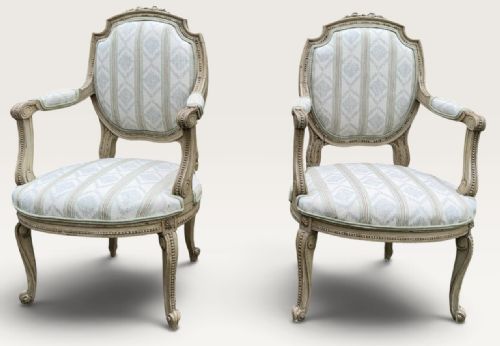
- A French-style enclosed armchair with upholstered sides and a wooden frame, frequently executed in giltwood or beech. This form provides substantial comfort within an elegant profile.
- Cane seat
- A seating surface woven from rattan or split cane, offering flexible support. This technique appears widely on Edwardian and nineteenth-century light chairs.
Vintage Bedroom Accent Chairs: Frequently Asked Questions
How do I choose a bedroom chair?
Select a chair based on the available floor space and the intended function within the room, whether for dressing or quiet reading. Consider how the timber tone and fabric texture complement existing furniture.
Lower forms like slipper chairs suit compact corners, while larger armchairs provide a distinct focal point. Match the period style of the chair to the overall decorative character of your interior.
Where were these chairs used?
These pieces originally served private chambers, boudoirs, dressing rooms, and drawing rooms across nineteenth and early twentieth-century homes. Specific designs corresponded to domestic tasks such as changing shoes or tending to infants.
Today, they function flexibly as decorative accents in modern bedrooms, guest spaces, or hallways. Their modest proportions allow them to fit easily where standard seating proves too large.
Can I mix different furniture periods?
Combining pieces from various eras, such as pairing a Victorian walnut chair with an Art Deco side table, creates a layered interior. Different periods introduce textural depth and visual contrast to a room.
Ensure that scale and wood tones maintain a loose visual dialogue rather than matching precisely. The variety of styles available allows for personal expression in interior arrangement.