



Brown Painted Side Chairs
These brown painted side chairs bring honest character and period charm to a room, offering practical seating with distinctive historical painted surfaces.
Brown Painted Side Chairs
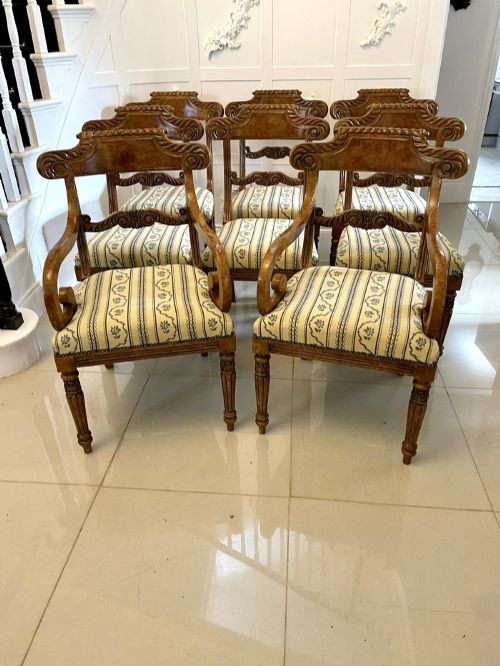
Brown painted side chairs encompass functional seating pieces originating primarily from the eighteenth and nineteenth centuries, spanning Regency, Georgian, and Edwardian periods. These pieces include various forms such as hall chairs, dining chairs, and occasional seats designed for practical home use.
How they were made
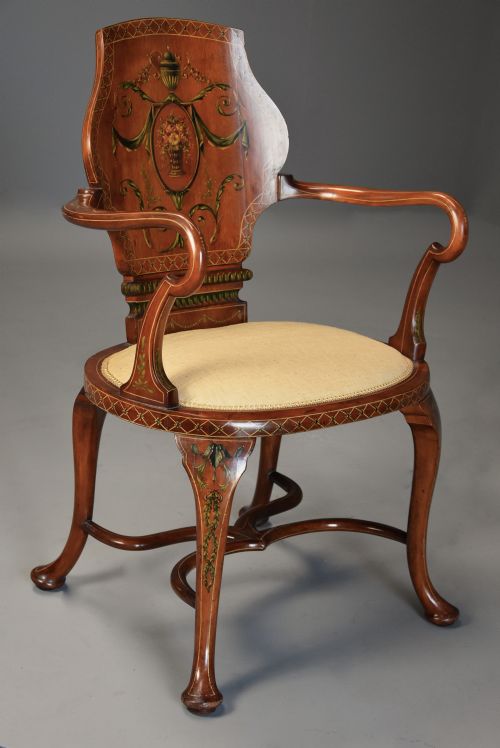
Cabinetmakers utilised solid timbers such as mahogany, pine, oak, and ash as the structural foundation for these chairs. Surfaces were frequently treated with paint finishes, including original scumble paint effects, which protected the wood whilst adding decorative depth.
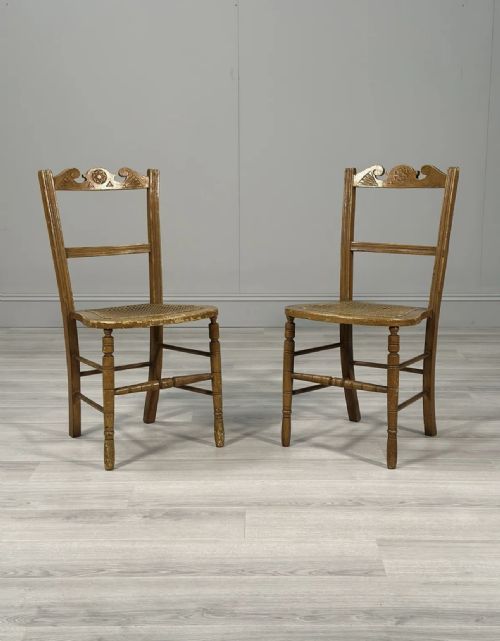
Seating areas incorporate traditional woven materials like cane and plaited straw or súgán, demonstrating regional craftsmanship. Structural frames often display carved or turned details aligned with prevailing stylistic movements such as the Regency and Louis XVI neoclassical idioms.
Brown Painted Side Chairs Retail Price Guide 2026
Typical asking prices for brown painted side chairs among the pieces listed under this phrase on Sellingantiques today, from the lower quarter to the upper quarter. They describe what is for sale here now, not the wider market.
Some nineteenth-century makers cleverly carved solid wood to mimic slender bamboo stalks, proving that Victorian artisans loved a good botanical illusion.
What varies in quality
The distinction between standard and superior examples lies in the preservation of original surface treatments and the integrity of the timber frame. Chairs retaining undisturbed historic paint finishes command greater interest from discerning collectors than those with later surface alterations.
Execution of decorative carving and the tightness of joinery further define the tier of a piece. Fine regional craftsmanship is evident in well-proportioned shield backs, shell backs, and balanced structural geometry.
Gillows
The Brown Painted Side Chairs Glossary
- Scumble paint
- A decorative surface technique involving layers of translucent glaze manipulated to imitate wood grain or create mottled patterns. This finish was widely utilised during the nineteenth century to elevate simpler timbers.
- Súgán
- A traditional Irish term for twisted straw or hay used to create durable, hand-plaited seating surfaces. It represents a practical vernacular method common in rural chair construction.
- Shield back
- A chair backrest shaped like a heraldic shield, popularised during the eighteenth century in classical furniture design. This form offers an elegant silhouette often paired with carved central splats.
- Hall chair
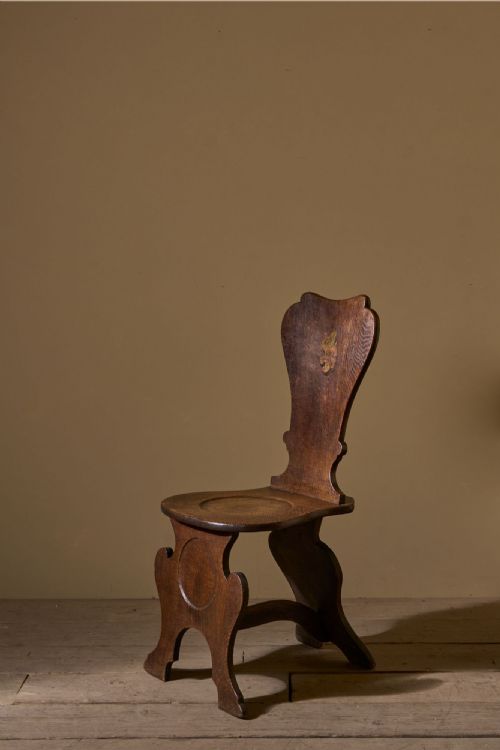
- A stiff-backed wooden seat traditionally placed in entrance halls for brief use. These pieces frequently feature painted armorials or carved wooden backs intended to impress visitors.
Brown Painted Side Chairs: Frequently Asked Questions
Where were these chairs used?
These seating pieces originated in various domestic settings, from grand country house reception rooms to modest rural cottages. Hall chairs typically stood in entranceways, whilst dining and occasional chairs furnished formal rooms or private chambers.
Regional pieces reflected local daily needs, serving as sturdy utility seating in kitchens and parlours across Britain and continental Europe.
How do I care for painted wood?
Maintain these surfaces by keeping them away from direct sunlight and steady heat sources that can dry out the timber and crack the paint. Dust gently with a dry, soft cloth and avoid abrasive cleaning agents.
Preserving the historic finish requires stable indoor humidity levels and gentle handling of the original painted layers.
Are these chairs comfortable for daily use?
Most of these historic seats were built with upright postures in mind, particularly hall chairs designed for brief seating in entryways. Dining chairs and occasional seats offer standard support suited for regular use.
Original woven elements like cane or straw require mindful handling to ensure long-term durability under everyday sitting conditions.