



Vintage Barware Silver Cooler
Vintage barware silver cooler pieces bring nineteenth-century and mid-century tables to life, holding ice and wine with heavy plate and crystal.
Vintage Barware Silver Cooler
When you search for vintage barware silver cooler, you are looking at ice buckets, wine coolers, and champagne coolers spanning from the nineteenth century through the mid-twentieth century. The selection ranges from plain nineteenth-century Regency vessels to elaborate Art Deco and Mid-Century Modern designs.
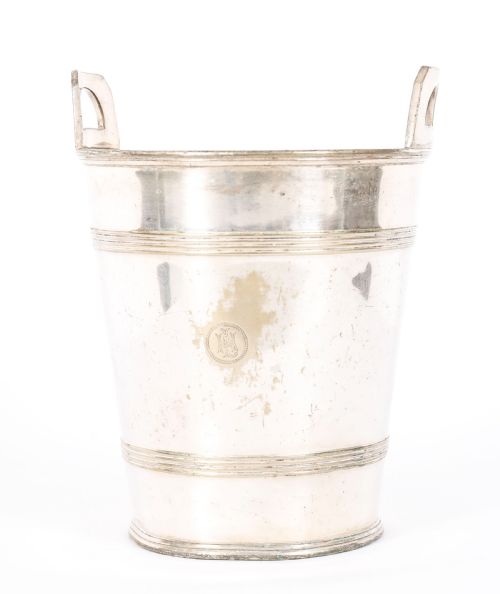
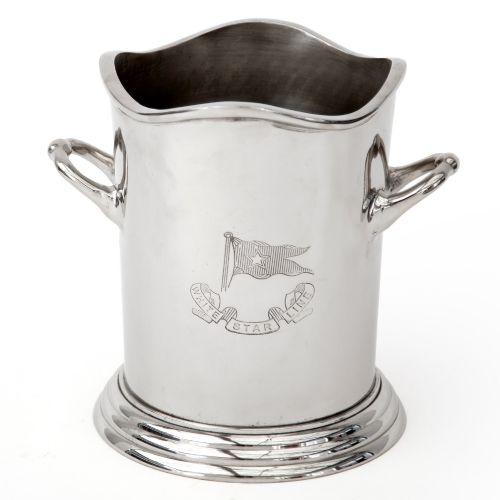
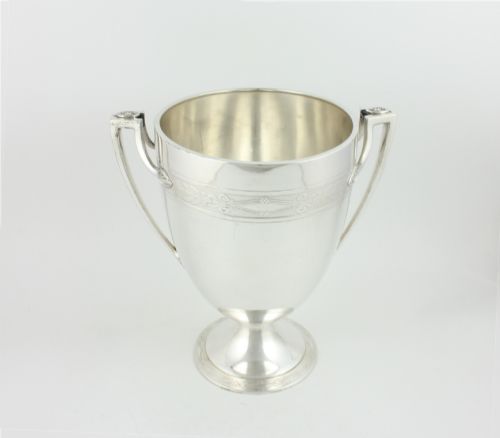
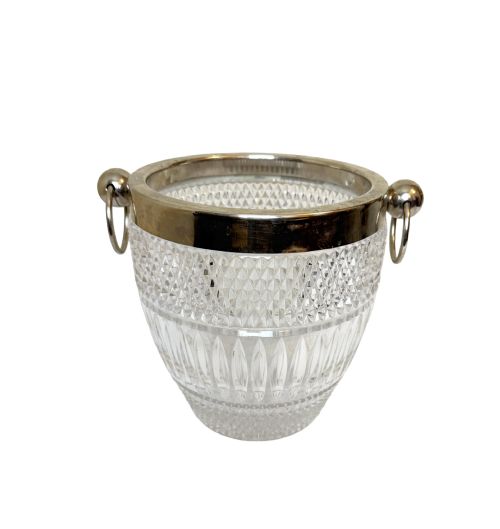
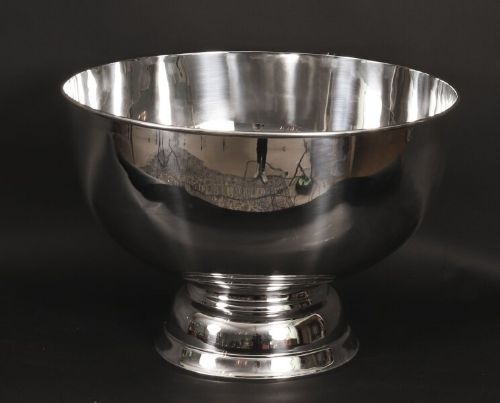
The most common forms on this page include silver-plated champagne buckets, twin-handled wine coolers, and cut glass ice pails fitted with silver plate rims or mounts. Makers such as Christofle and Mappin & Webb dominate the institutional and domestic offerings found here.
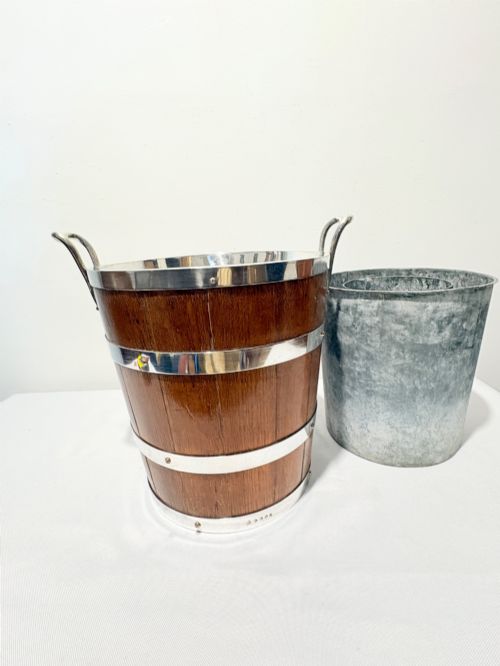
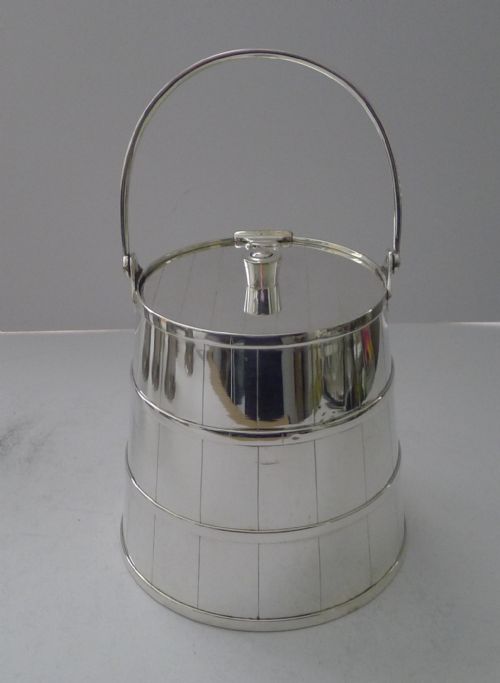
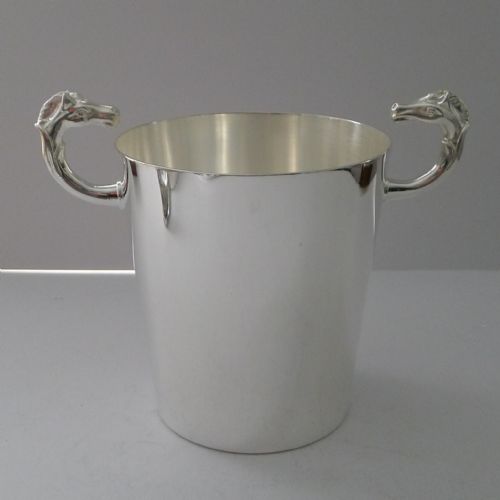
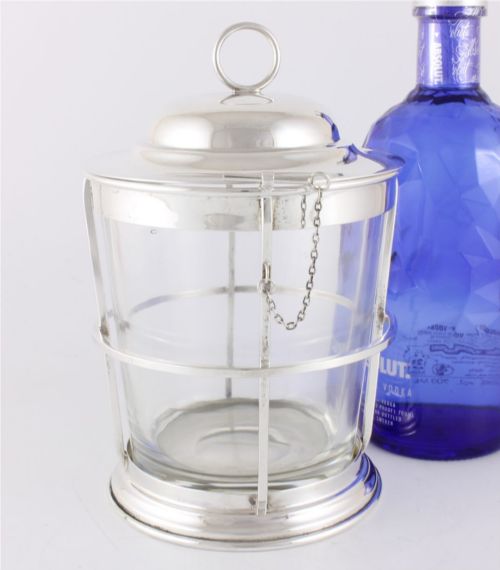
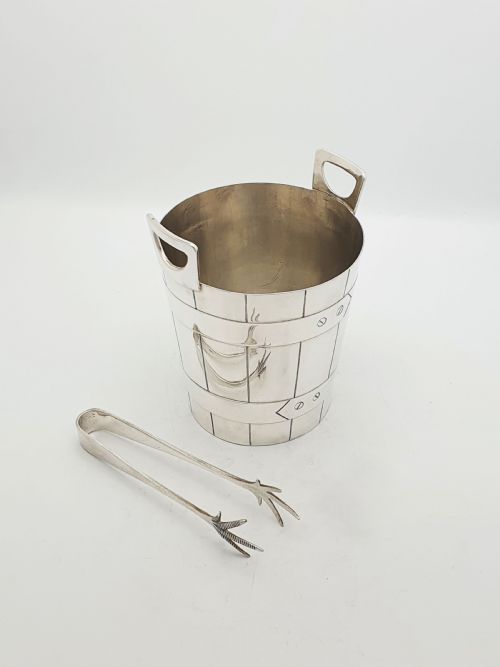
Vessels span formal Edwardian dining requirements to whimsical novelty shapes like horse heads, ship lamps, and barrels with claw tongs. Buyers select these containers to chill wine or serve ice during formal gatherings.
How they were made
Makers utilised heavy silver plate over base metals, alongside Old Sheffield plate techniques for early nineteenth-century Regency examples. Cut glass and heavy lead crystal liners provided durable interiors for holding ice and bottles.
Embossed decoration, cast handles, and applied copper or ceramic liners appear across the nineteenth-century and Art Deco periods. Artisans combined chrome, brass, and glass during the mid-century modern era to create floor-standing and tabletop coolers.
Listings here span the 19th Century through the 1960s, featuring materials such as copper, lead crystal, glass, and silver plate.
What varies in quality
The weight of the metal and the clarity of the lead crystal separate standard production items from heavy luxury items. Thick silver plating resists wear better than thin layers applied to base metal.
Design complexity and maker reputation drive the distinction between utilitarian barware and exhibition-grade pieces. Signed pieces by major workshops show superior casting and finishing in handles and rims.
Hutton Sheffield·Christofle·Mappin & Webb·James Dixon & Sons·Matthew Boulton & Co·Ercuis Paris·Elkington
The Vintage Barware Silver Cooler Glossary
- Silver Plate
- A thin layer of silver fused or electroplated onto a base metal such as copper or nickel brass. This technique allowed makers to produce affordable luxury tableware during the Victorian and Edwardian eras.
- Old Sheffield Plate
- An early composite material made by fusing a sheet of silver to a thick copper core before rolling them together. This method creates a distinct edge where the copper base metal becomes visible through wear.
- Lead Crystal
- Glass manufactured with a high lead content to increase weight, refractive index, and clarity. It provides durable liners for ice pails and champagne buckets.
- Art Deco
- A design style spanning the 1920s and 1930s characterised by geometric shapes, streamlined forms, and clean lines. It heavily influenced French and English champagne cooler production.
- Biscuit Barrel
- A covered container traditionally used for storing dry biscuits at the dining table. Many examples double as novelty ice buckets in silver plate and ceramic.
Vintage Barware Silver Cooler: Frequently Asked Questions
How do I clean a silver plated cooler?
Wash the vessel gently in warm soapy water using a soft cloth to avoid scratching the plated surface. Dry thoroughly with a microfiber towel to prevent water spots.
Avoid abrasive metal polishes that can strip thin vintage plating over time. Store the piece in a dry environment to slow down natural tarnishing.
Can these coolers hold ice for long?
Most vintage coolers lack modern insulation, meaning ice will melt faster than in a contemporary vacuum-walled bucket. Glass and crystal liners help hold temperature for short dinner parties.
Use them primarily for chilling bottled wine or serving ice during active table service rather than long-term storage.
How do I identify an Art Deco cooler?
Art Deco coolers feature geometric motifs, stepped details, and stark symmetrical forms typical of the 1920s and 1930s. They often utilise heavy chrome or thick silver plate over clean cylindrical shapes.
French makers from this era frequently signed their bases with workshop stamps.
What is the difference between an ice bucket and wine cooler?
Wine and champagne coolers are deeper and wider to accommodate upright bottles surrounded by ice and water. Ice buckets are smaller, often fitted with swing handles and matching tongs for table service.
Many listings combine these categories due to overlapping domestic uses across different periods.