

Silver Plate Wine Bucket
A silver plate wine bucket brings practical elegance to the table, combining heavy metal or Old Sheffield plating with classic forms for cooling champagne and wine.
Silver Plate Wine Bucket
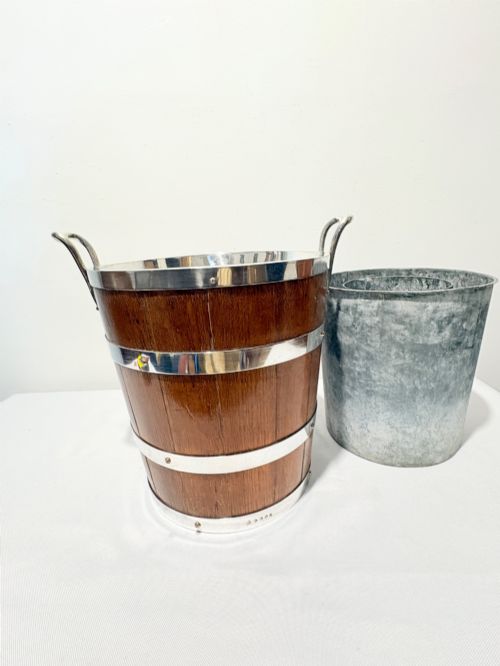
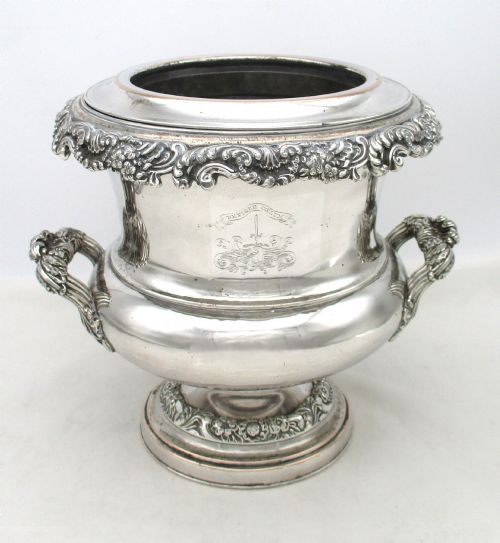
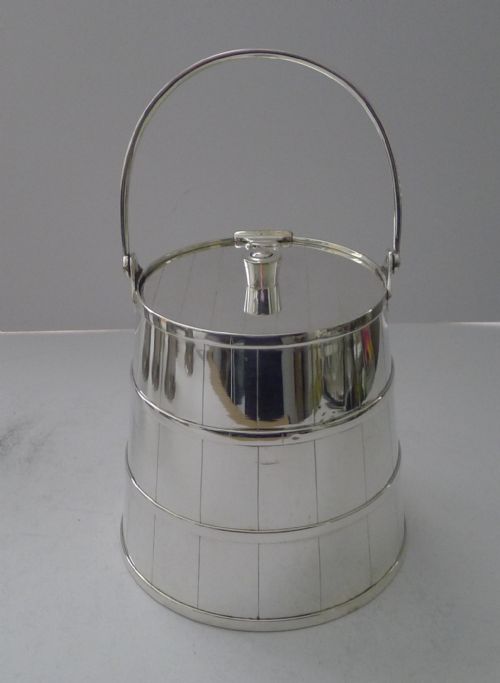
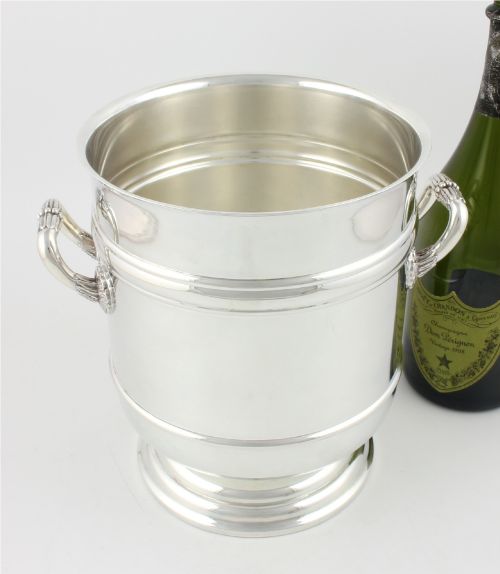
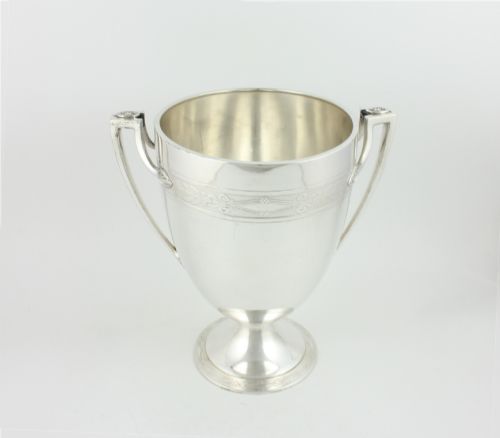
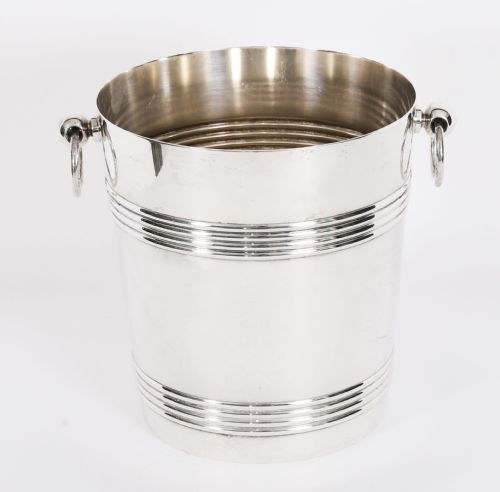
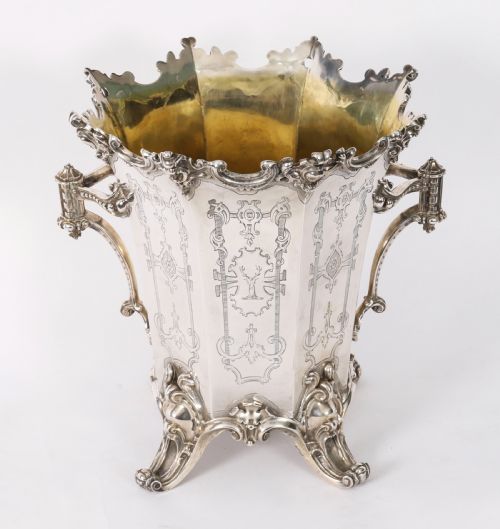
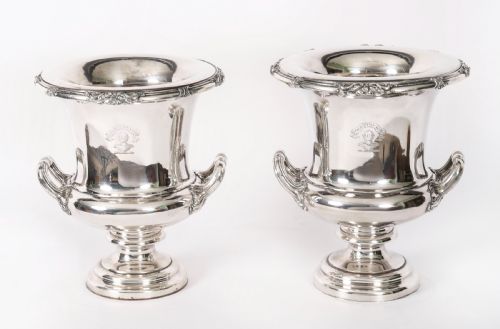
A silver plate wine bucket serves to chill bottles at the table, taking the form of deep cylindrical pails, campana urns, or handled vessels designed for ice and water. These items range from Georgian and Victorian pedestal coolers to streamlined Art Deco cylinders and mid-century designs.
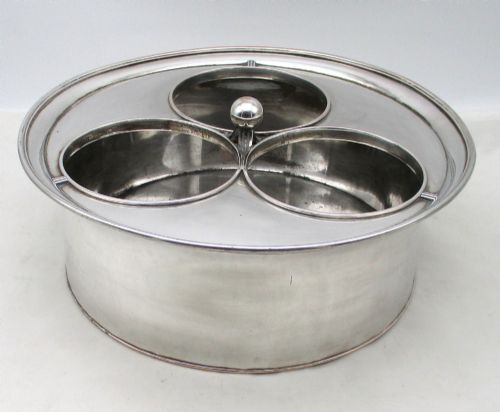
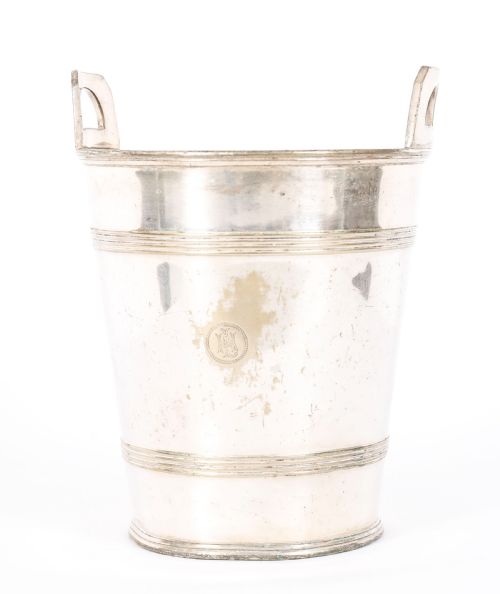
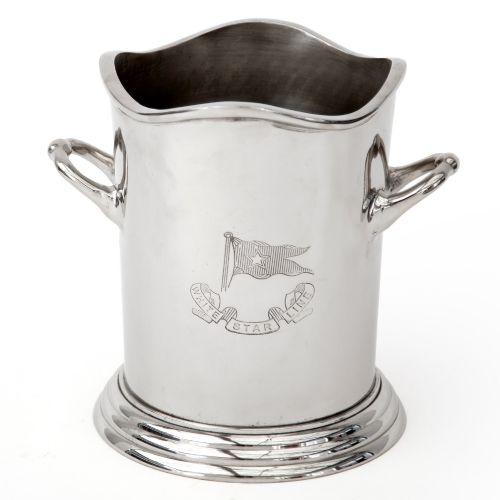
The pieces appearing on this page span domestic dining ware and grand hospitality items, including multiple-bottle holders and floor-standing coolers. Buyers encounter both plain functional vessels and heavily ornamented examples carrying armorial crests, lion masks, or swing handles.
How They Were Made
Many early pieces utilise Old Sheffield Plate or silver on copper, fusing a thin layer of silver to a base metal core, which often reveals glowing copper undertones along high points and wear areas. Later manufacturing shifted towards electroplating silver onto base metals, white metal alloys, or copper substrates.
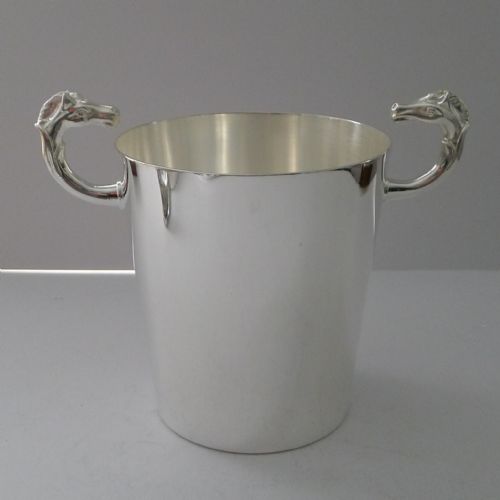
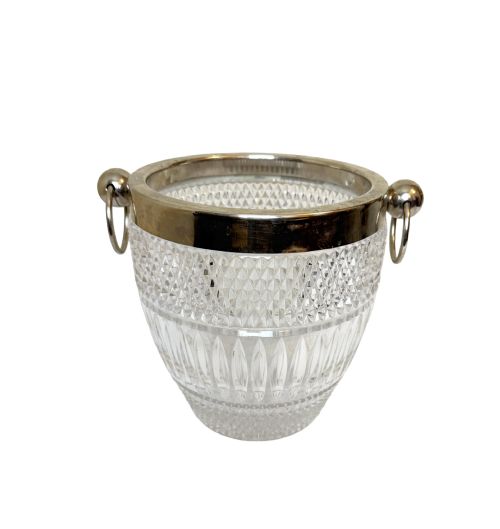
Makers incorporated functional glass liners, cast handles shaped as rings, dolphins, or horse heads, and applied borders featuring tendrils, flower heads, or crests. Construction methods moved from soldered seams on heavy copper bodies to spun metal cylinders and stamped Art Deco forms.
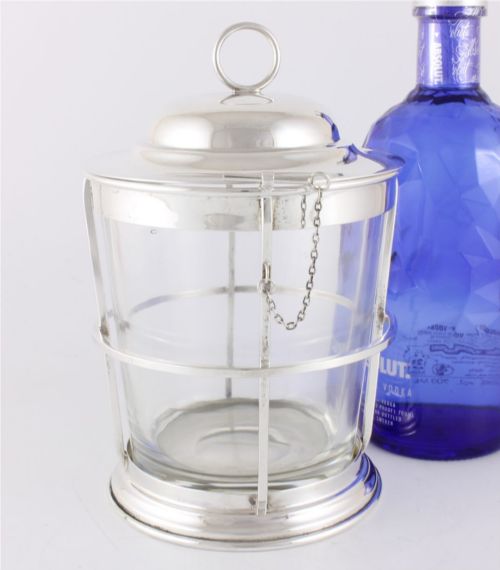
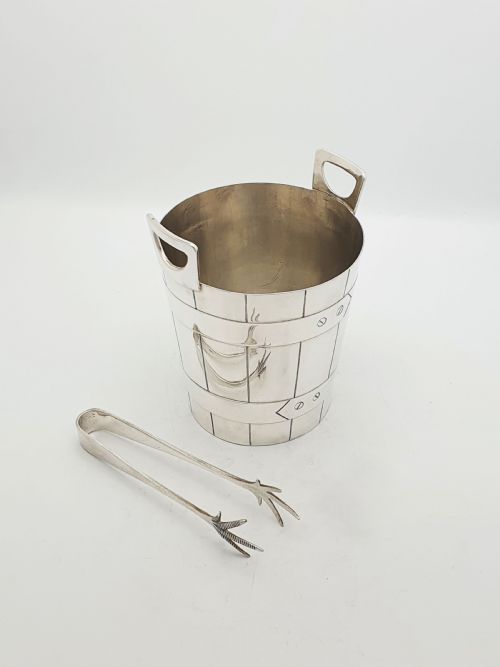
Some ice buckets take the form of ship lanterns, barrels with claw tongs, or equestrian horse heads for pouring drinks in style.
What Varies in Quality
Quality rests in the weight of the metal, the crispness of cast decorative details like lion handles or floral tendrils, and the thickness of the original silver coating. Superior examples maintain an intact silver layer over the underlying copper or base metal without excessive base metal bleed-through from aggressive polishing.
Design ambition separates standard production barware from works produced by prominent silversmiths and Parisian houses, where balanced proportions and substantial gauge metal define the piece. The presence of clear maker marks, original cut glass liners, or engraved coats of arms elevates the standing of an individual bucket.
Hutton Sheffield·Hermes Paris·Christofle·PH Vogel·Elkington Mason And Co·Barker Ellis·WMF·Mappin And Webb·IMA·Dawson·Ercuis·Puiforcat·St Medard·Walker And Hall
The Silver Plate Wine Bucket Glossary
- Old Sheffield Plate
- A fused composite material made by melting a sheet of silver onto a heavier copper ingot before rolling them together into plates. This technique precedes modern electroplating and leaves characteristic copper edges.
- Campana
- A bell-shaped vessel form popular for classical wine coolers and urns during the eighteenth and nineteenth centuries. These pieces often feature twin handles attached low on the body.
- Electroplate
- A method of depositing a layer of silver onto a base metal object using an electrical current in a silver cyanide bath. This process replaced older fusion methods during the nineteenth century.
- Magnum
- A larger bottle format holding twice the volume of a standard wine bottle, requiring specially proportioned wider buckets and coolers. These larger vessels often incorporate sturdy twin handles for lifting.
- Pail
- An open-topped cylindrical container, frequently fitted with a swing handle, used for holding ice or water alongside wine bottles. Many examples include internal glass liners or draining inserts.
Silver Plate Wine Bucket: Frequently Asked Questions
How do I clean my silver plate wine bucket?
Wash the vessel gently in warm soapy water using a soft cloth, avoiding harsh abrasives that wear away thin silver plating.
Dry the metal thoroughly after washing to prevent water spots, and use a dedicated silver cream sparingly only when tarnish requires removal.
Can I use ice directly inside the bucket?
Ice can be placed directly inside most solid metal or glass-lined buckets without causing structural damage to the vessel.
For pieces with delicate copper bleed-through or thin plating, placing a barrier or using tongs helps preserve the interior surface from pitting.
What is the difference between Old Sheffield Plate and silver plate?
Old Sheffield Plate involves physically fusing silver to a copper sheet through heat and pressure before rolling them into workable sheets.
Standard silver plate utilises an electrical current to bond a thin layer of silver onto a finished base metal shape after fabrication.
How do I date an unmarked wine bucket?
Dating relies upon examining the manufacturing style, the weight of the metal, and the construction methods used for handles and rims.
Art Deco geometric lines point towards the interwar decades, whereas gadroon borders and campana shapes usually indicate nineteenth-century production.