
Vintage Barometer Thermometer
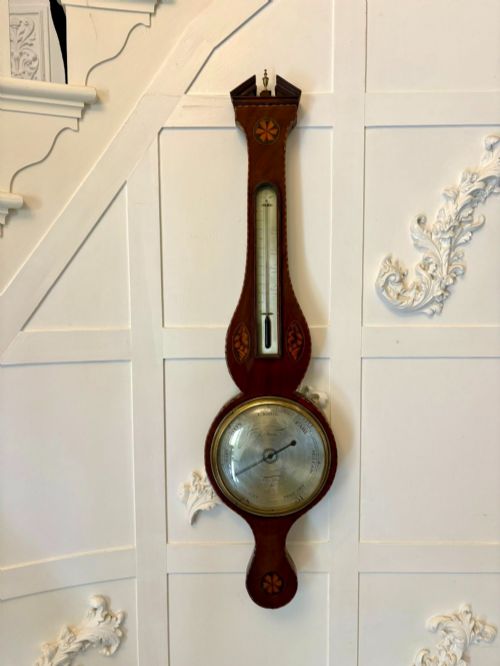
A vintage barometer thermometer measures atmospheric pressure alongside temperature, combining scientific utility with polished cabinetmaking.
Vintage Barometer Thermometer
A vintage barometer thermometer brings together atmospheric measurement and temperature tracking within a single housing. These pieces serve as both functional weather instruments and decorative interior furnishings for the home.
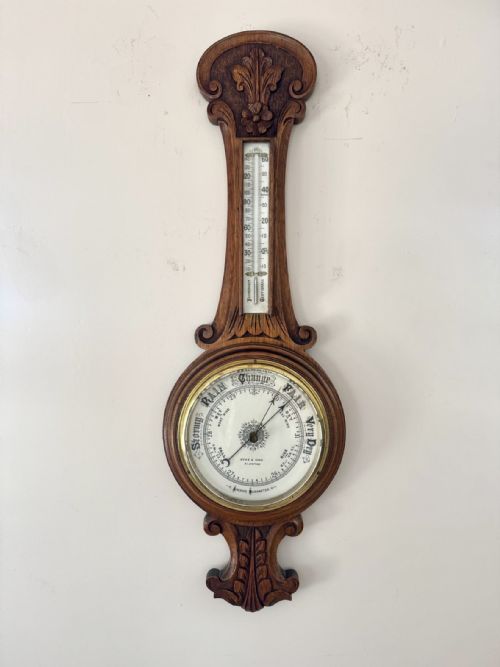
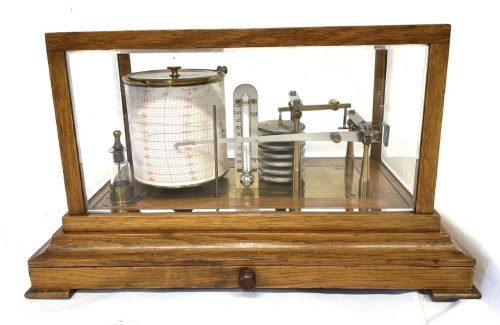
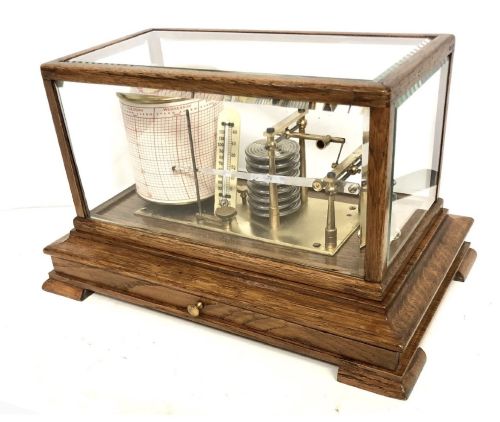
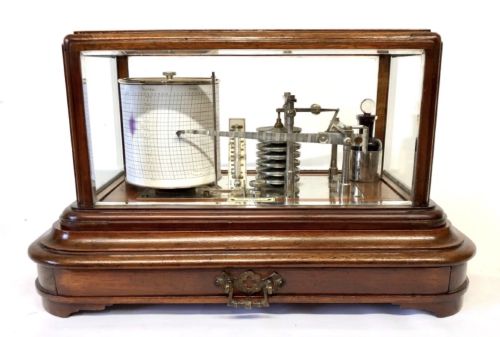
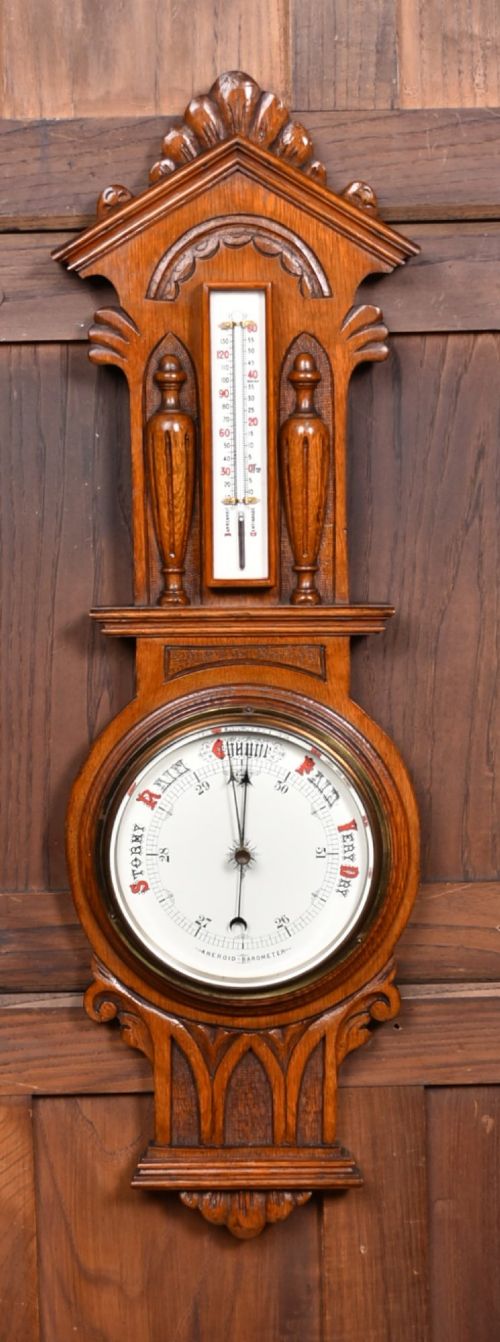
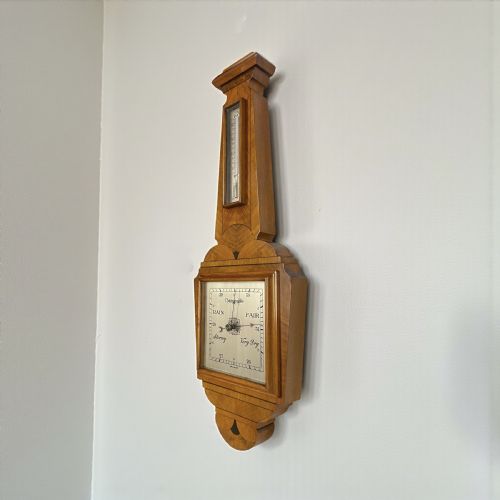
The selections span several distinct eras, with Victorian and Edwardian examples appearing most frequently alongside Georgian and Art Deco designs. Wall barometers, banjo barometers, and oak-cased barographs dominate the forms currently available.
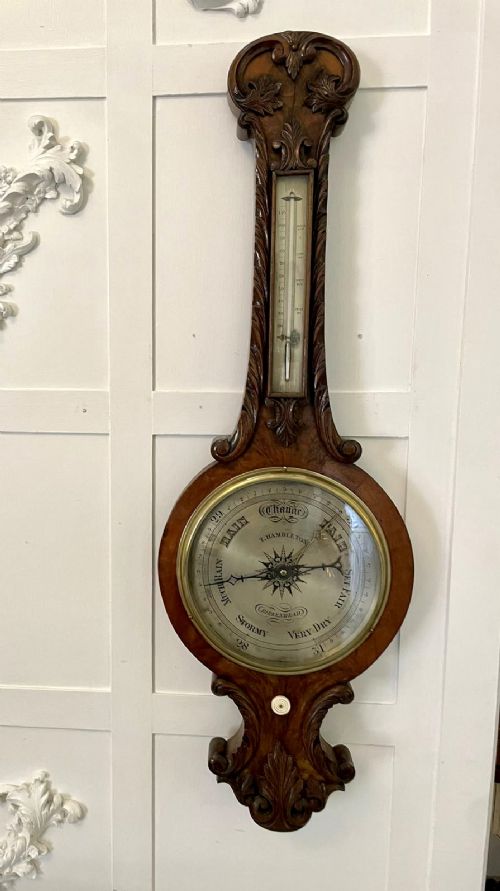
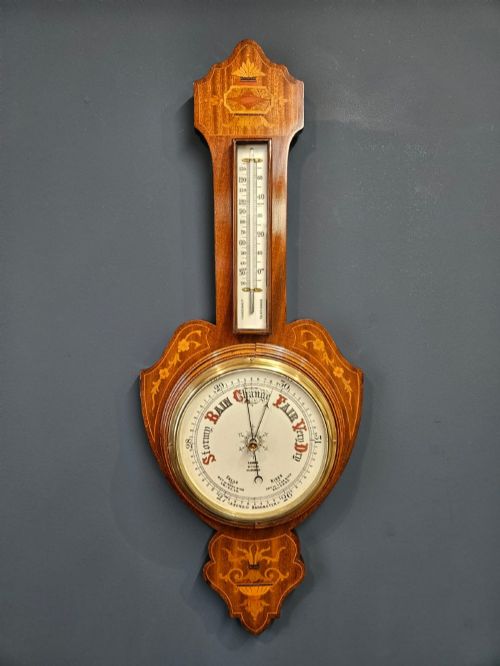
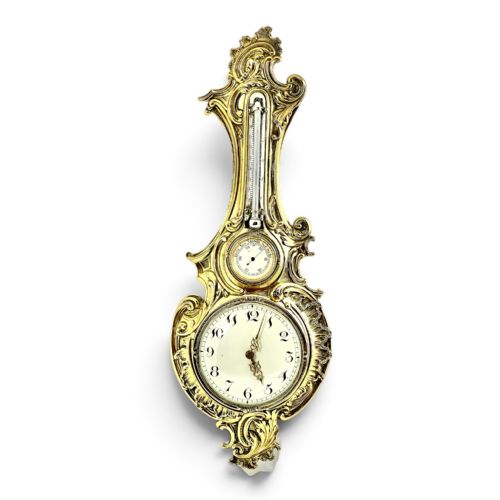
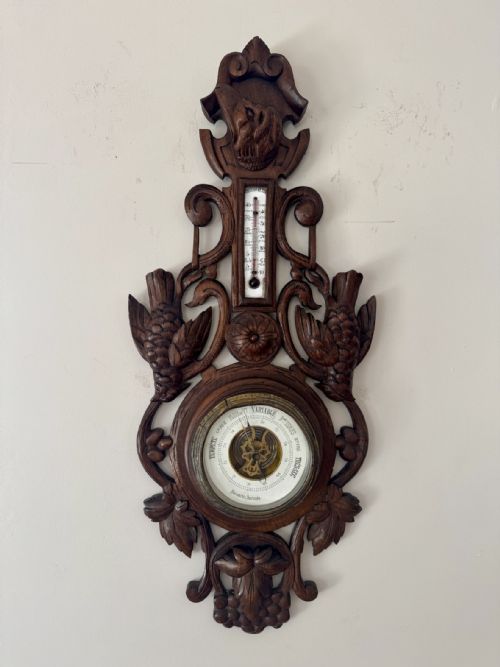
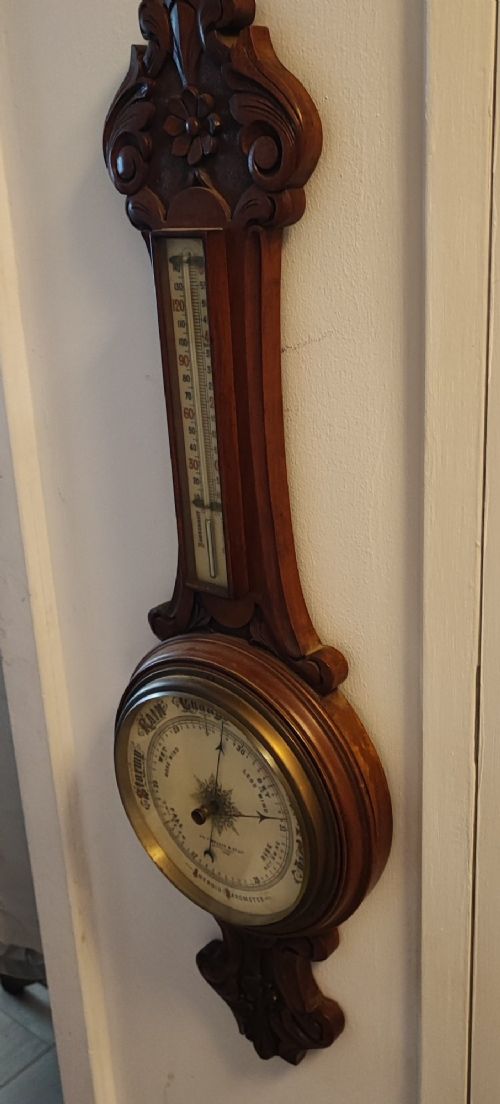
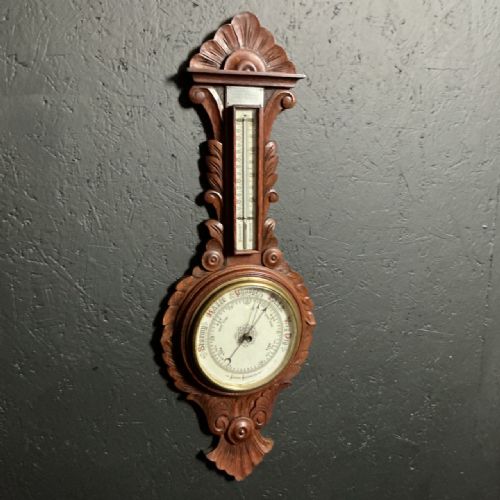
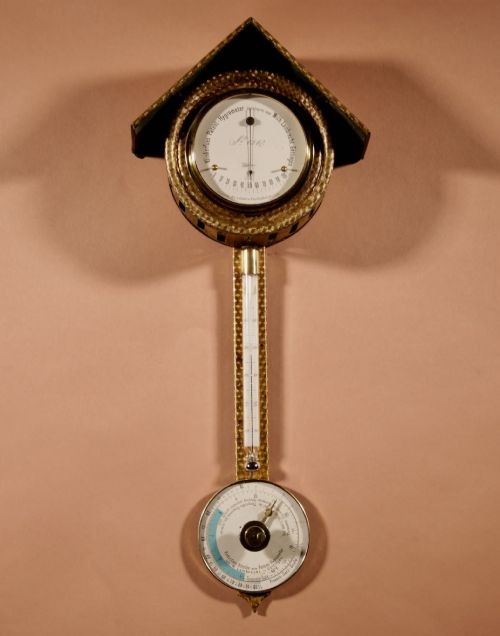
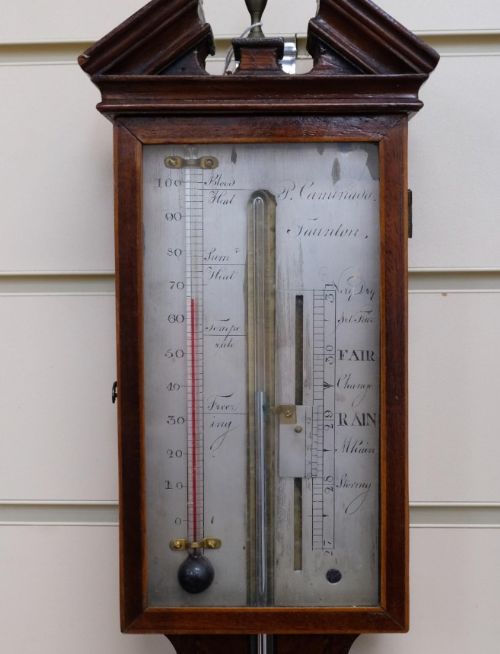
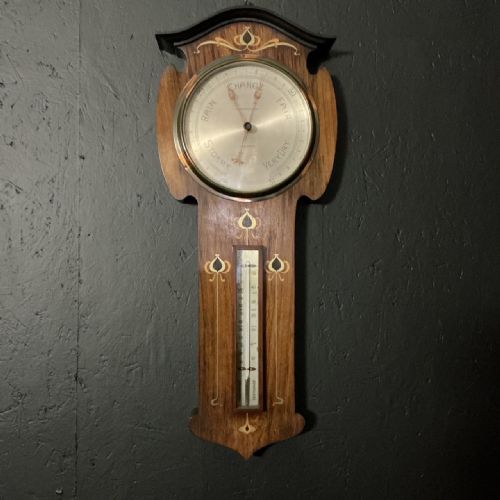
Buyers encounter a variety of regional styles, ranging from intricately carved Black Forest wooden cases to polished mahogany stick barometers and inlaid rosewood or satinwood banjo shapes. Many incorporate subsidiary dials, hygrometers, or clock movements to create complete weather stations.
Materials and Construction
Cabinetmakers utilised dense hardwoods such as oak, mahogany, walnut, and rosewood to construct the protective housings. Inlaid veneers, mother of pearl accents, and carved botanical motifs frequently adorn the outer frames of banjo and wall barometers.
Scientific components relied on durable brass for bezels and inner linkages, paired with bevelled glass to shield the paper charts, enamel dials, and mercury or aneroid tubes. Black Forest pieces showcase deep manual wood carving directly into the solid timber case.
Vintage Barometer Thermometer Retail Price Guide 2026
Typical asking prices for vintage barometer thermometer among the pieces listed under this phrase on Sellingantiques today, from the lower quarter to the upper quarter. They describe what is for sale here now, not the wider market.
Listings feature Victorian, Edwardian, and Georgian periods, utilising brass, glass, oak, mahogany, walnut, and enamel.
Distinguishing Quality
The refinement of the cabinetwork and the crispness of the wood carving set finer examples apart from standard production pieces. Elaborate shell inlay, book-matched burr veneers, and heavy bevelled glass indicate careful workshop execution.
The prestige of the maker and the legibility of the engraved enamel or silvered brass dial also influence the standing of an instrument. Signed movements from established scientific instrument makers demonstrate superior mechanical precision.
Hyde & Sons Sleaford·Wilh Lambrecht Gottingen Germany·P Caminada Taunton·B Besozzi of Weymouth·Negretti & Zambra London·Gaupp & Co Hongkong & Singapore
The Vintage Barometer Thermometer Glossary
- Aneroid barometer
- An instrument that measures air pressure using a flexible metal box without liquid. Changes in pressure cause the vacuum capsule to expand or contract, moving a needle across the dial.
- Stick barometer
- A tall, slender wall instrument containing a vertical mercury tube. This traditional form offers a direct view of the column height.
- Banjo barometer
- A wall barometer shaped like a stringed musical instrument with a bulbous lower section and a long neck. These typically house the dial at the base and a thermometer above.
- Barograph
- A recording barometer that traces atmospheric pressure onto a rotating paper chart over a set period. They often feature protective glass covers and internal chart drawers.
- Hygrometer
- An instrument used to measure the humidity level in the air. Some meteorological stations incorporate hair mechanisms to track moisture alongside temperature and pressure.
Vintage Barometer Thermometer: Frequently Asked Questions
How do I read a vintage barometer thermometer?
The barometer dial indicates changes in atmospheric pressure, usually marked with weather descriptions like storm, rain, change, fair, and very dry. Tapping the glass gently before reading helps settle the indicator needle to show the true pressure trend.
The thermometer adjacent to the main dial shows the ambient room or outdoor temperature on a Fahrenheit or Celsius scale. Comparing the relative position of both needles over several hours reveals local weather shifts.
Where should I hang a wall barometer?
Select an interior wall away from direct sunlight, radiators, and draughty doors to ensure accurate temperature and pressure readings. Stable indoor environments prevent the wood case from warping and protect the delicate internal linkages.
Ensure the fixing point is secure, as older wooden barometers and barographs can carry substantial weight from their glass and brass components.
How do I date a barometer?
Examine the timber, the style of the case, and the font used on the dial to determine the likely period of manufacture. Georgian and Regency stick barometers feature clean, simple woodwork, while Victorian banjo models often display elaborate marquetry or carved walnut.
Makers' signatures engraved on the brass scale plates provide a reliable clue for research. Comparing the mechanical setup against known production eras helps narrow down the decade.
Do antique barometers still work accurately?
Many surviving aneroid and mercury instruments retain their mechanical sensitivity and continue to respond to daily weather changes. Periodic professional adjustment may be necessary to calibrate the pressure reading to local sea-level standards.
Complex weather stations incorporating clocks and hygrometers require careful handling and occasional servicing of their independent internal movements to maintain full operation.