
Vintage Automatic Watch
A vintage automatic watch brings mid-century mechanical self-winding movement and classic design to the wrist.
Vintage automatic watch forms and origins
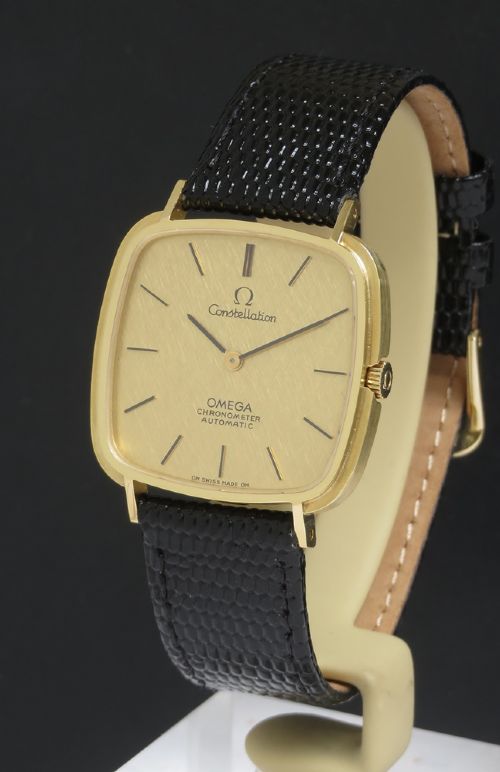
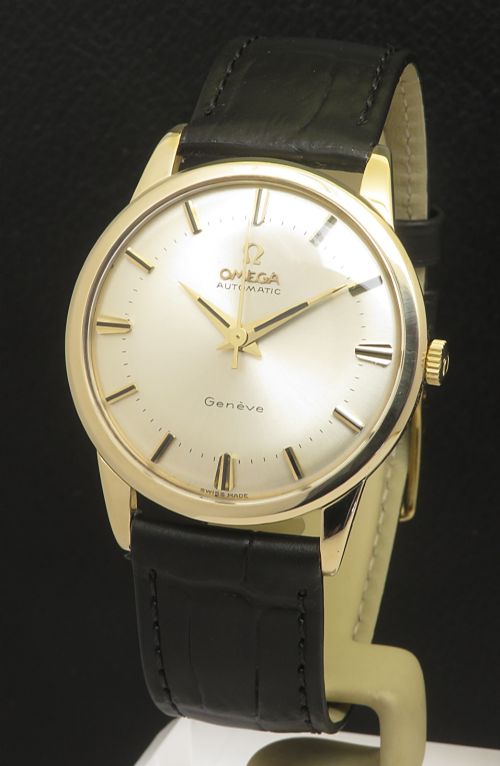
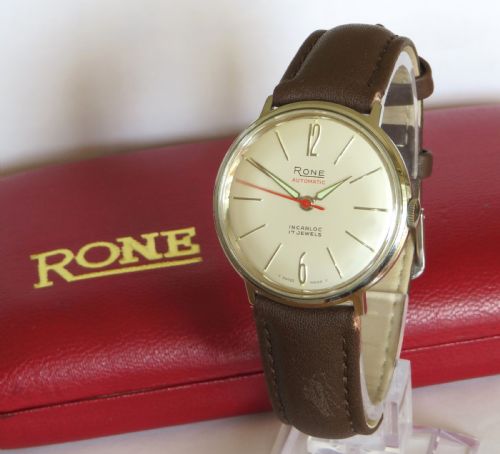
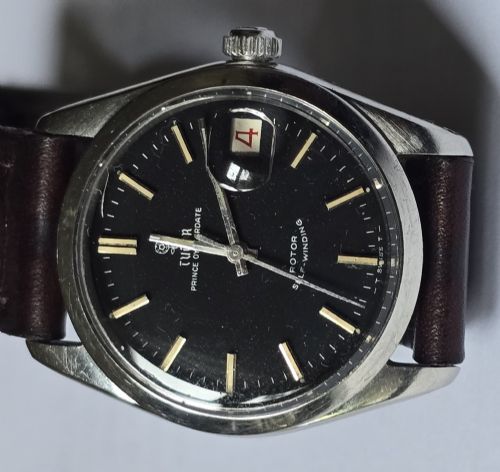
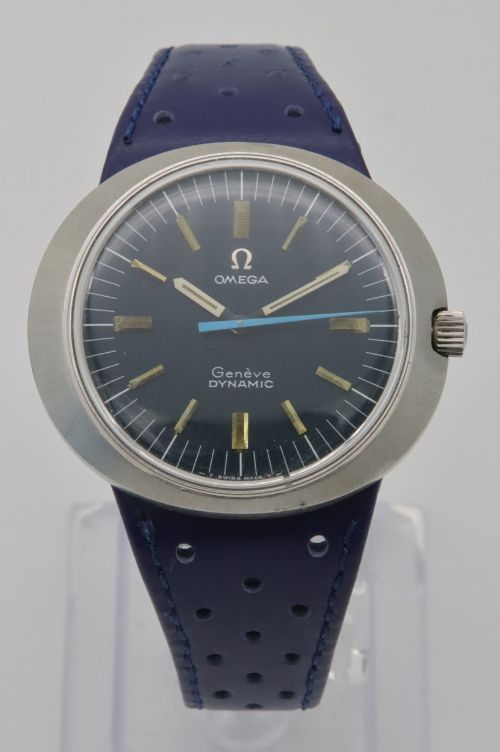
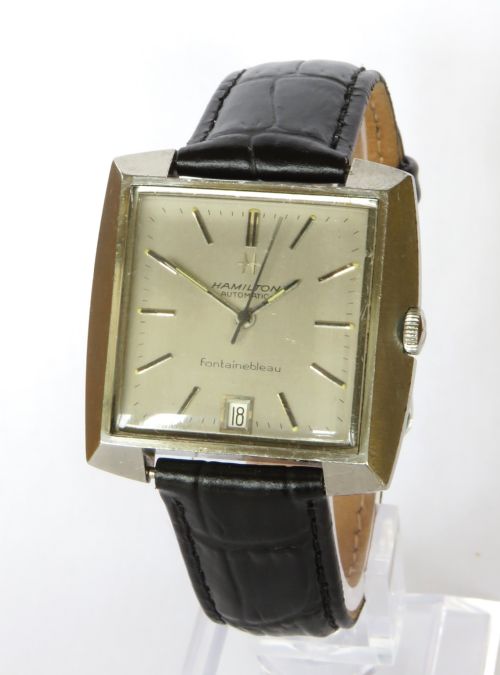
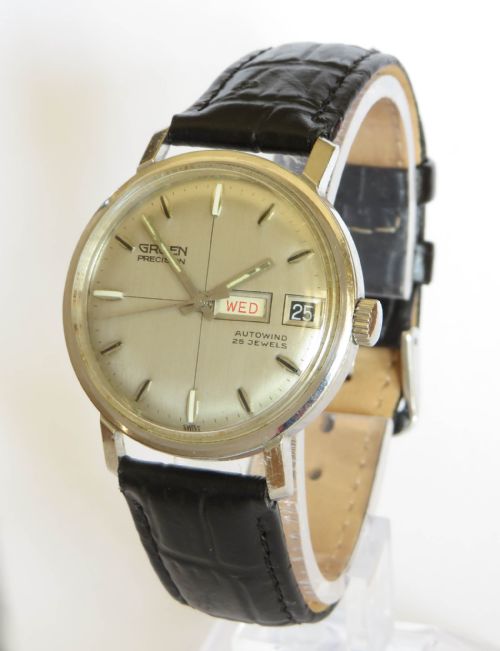
A vintage automatic watch comprises self-winding mechanical wristwatches primarily originating from the nineteen-fifties and nineteen-sixties. Buyers encounter dress models, calendar variations, and water-resistant forms designed for daily wear.
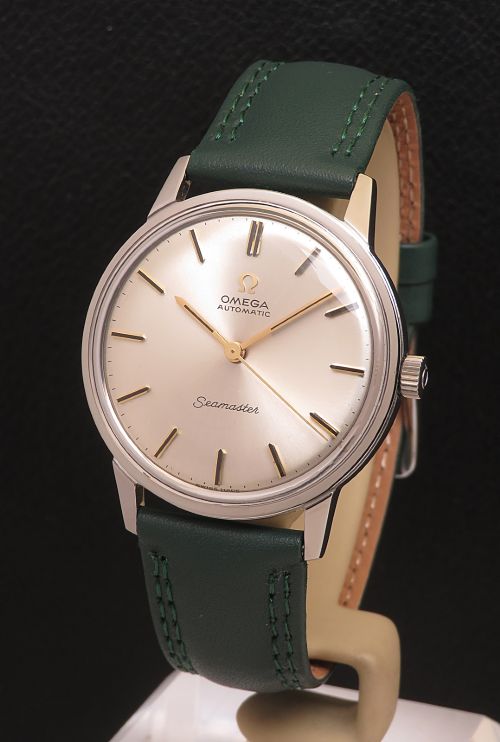
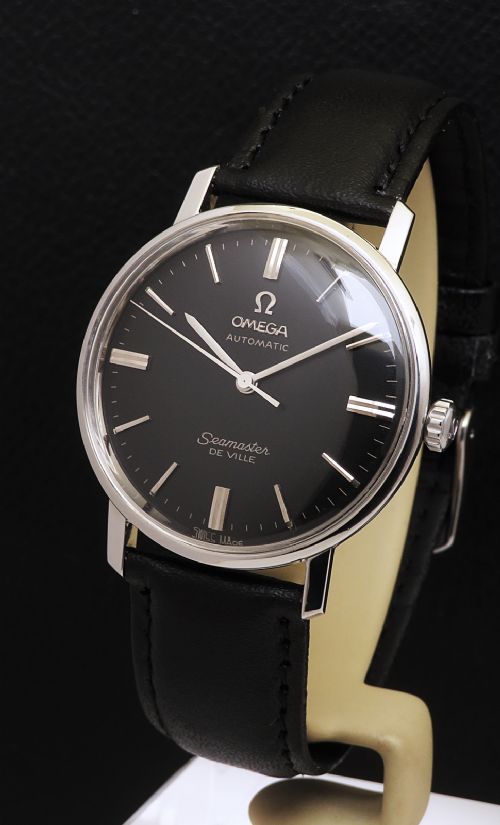
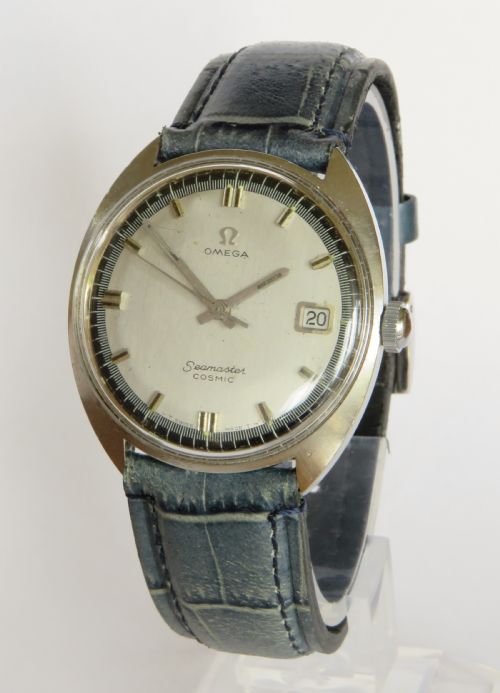
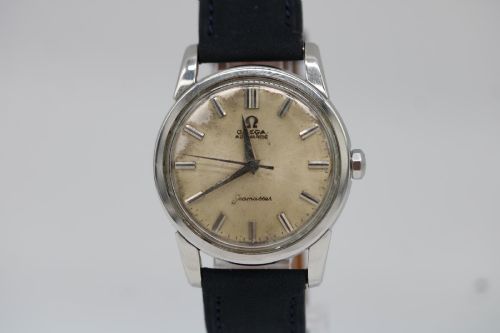
The Seamaster series dominates the selection, alongside dress and sports variations reflecting mid-century modern styling. These wristwatches rely on internal oscillating weights or bumper mechanisms rather than batteries.
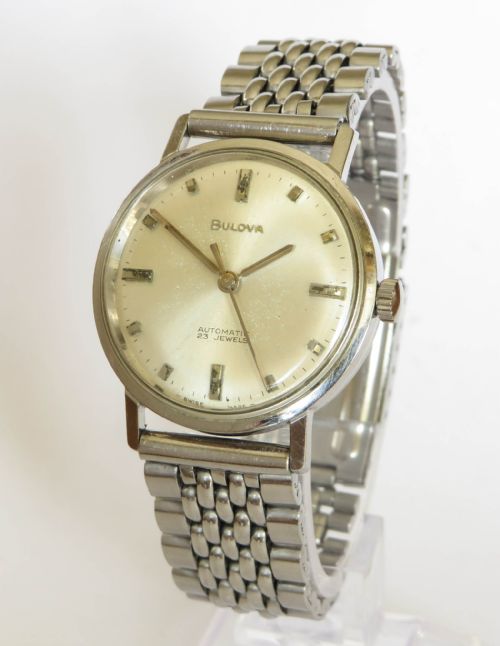
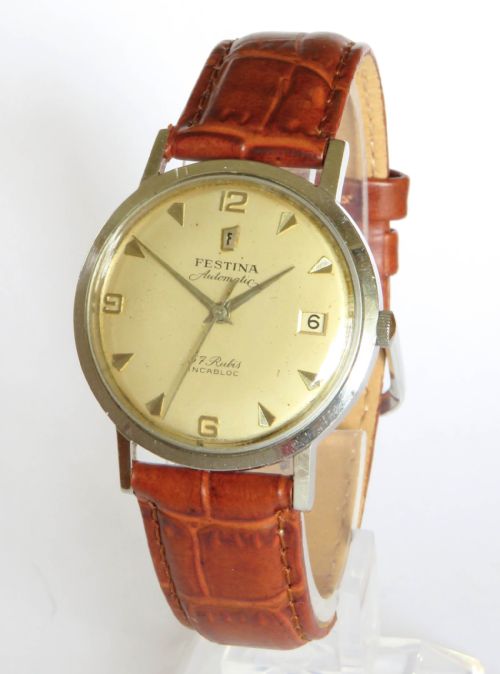
Originating from Swiss and European workshops, these timepieces combine metal bracelets or leather straps with durable metal cases. Mid-century design principles govern the dial layouts, hands, and case proportions.
Materials and construction
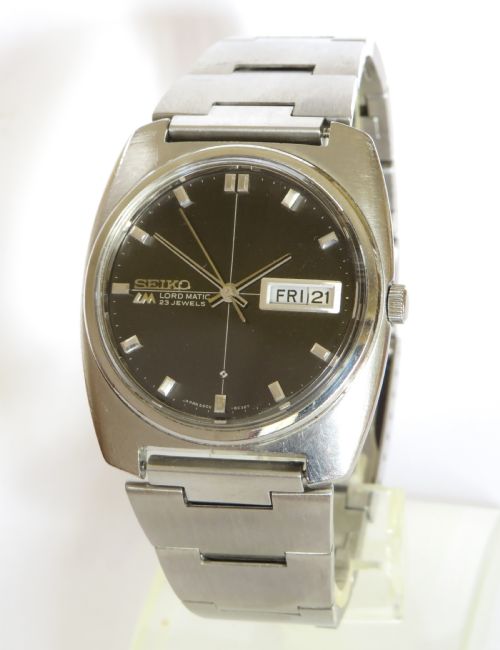
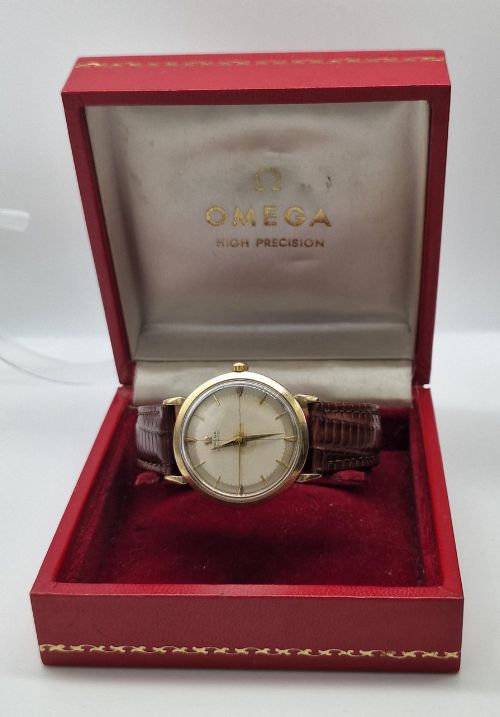
Cases utilise stainless steel, gold plating, solid nine-carat gold, and eighteen-carat yellow or rose gold. Dials frequently feature sunburst finishes, applied markers, and paired day-date windows.
Movements incorporate mechanical calibres driven by rotating rotors or reciprocating bumper springs. Protection comes from acrylic glass or standard glass crystals fitted into the metal housing.
Early bumper movements thump gently against your wrist, reminding you that a tiny swinging weight powers the gears.
Distinctions in quality
Quality rests upon the preservation of original dial components, case geometry, and movement calibre execution. Unpolished metal cases and factory-original dials distinguish exceptional examples from altered specimens.
Complexity of the internal mechanism, such as early bumper calibres or chronometer-grade movements, separates standard utility pieces from high-tier collector items. Solid precious metal cases denote higher tier manufacturing over gold-plated brass.
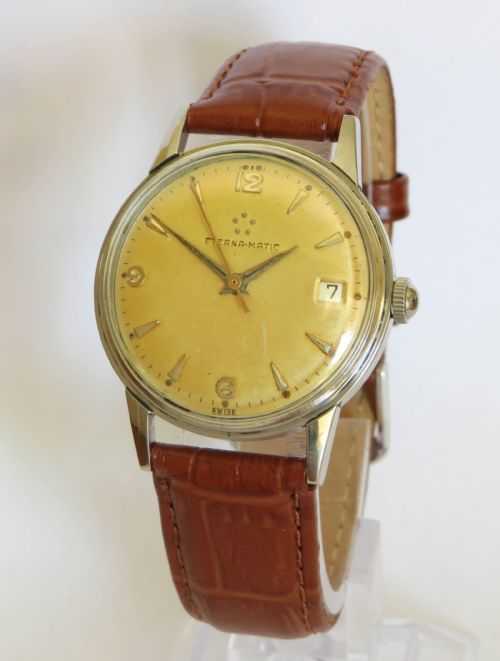
Omega·Eterna-Matic·IWC·Juvenia·Jaeger Le-Coultre·Longines
The Vintage Automatic Watch Glossary
- Calibre
- The specific internal movement design and model number created by a watch manufacturer. This designation identifies the exact mechanical architecture powering the watch.
- Bumper automatic
- An early self-winding movement type where an internal weighted rotor swings back and forth within a restricted arc, striking springs. Collectors prize this tactile mechanical action.
- New old stock
- Unworn vintage items discovered preserved in original dealer inventory from past decades. These pieces retain factory finishes and unused straps.
- Sunburst dial
- A metallic dial finish featuring fine radial lines radiating from the centre point. This treatment catches light dynamically across the surface.
- Patina
- The natural ageing and weathering of dial surfaces, hands, or metal over time. Subtle colour shifts or oxidation demonstrate genuine history.
Frequently Asked Questions
What is a bumper automatic movement?
A bumper automatic uses a partial-rotation weight that bounces off internal springs to wind the mainspring. You can actually feel the gentle thud on your wrist as the weight moves.
This early self-winding technology precedes the full-rotor designs that became standard later. It represents a specific mechanical era sought after by enthusiasts.
How do I care for a vintage watch?
Keep the watch away from water, extreme magnetic fields, and heavy impacts. Regular mechanical servicing ensures the internal oils remain fluid and accurate timekeeping continues.
Wind non-automatic models gently and store them in dry environments when not on the wrist. Leather straps benefit from occasional conditioning or replacement.
Are these watches waterproof?
Original water-resistant ratings degrade over decades as rubber seals and gaskets perish. Even models designed for diving should stay dry today.
Exposing vintage cases to moisture risks condensation forming behind the acrylic glass crystal. Modern replacement seals improve resistance but professional pressure testing is necessary.