
Classic Swiss Wristwatch
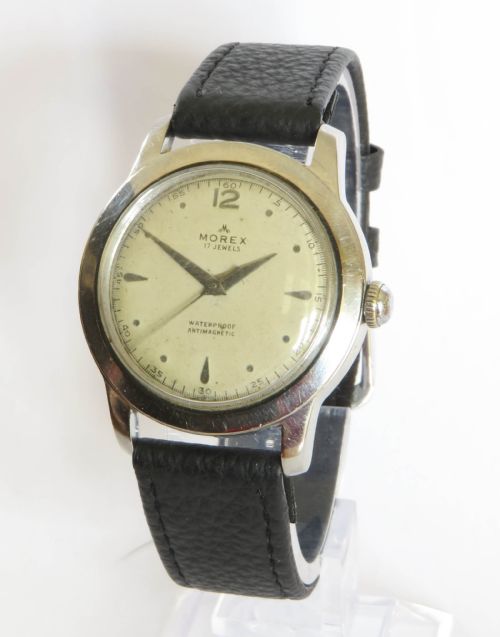
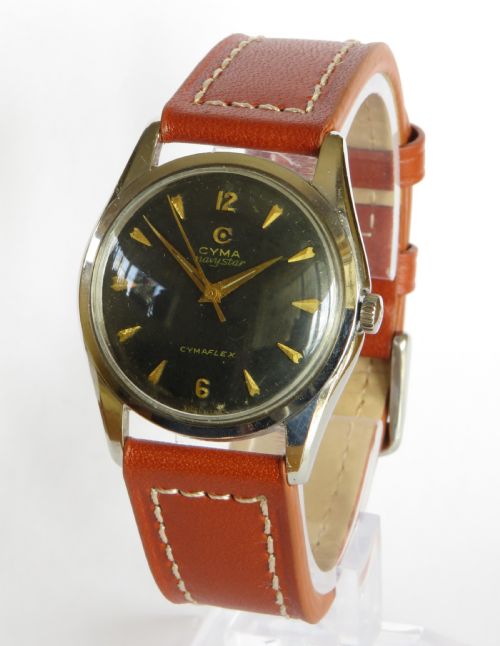
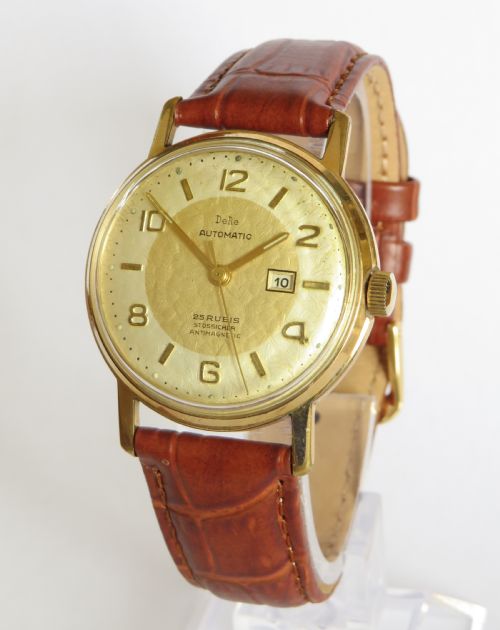
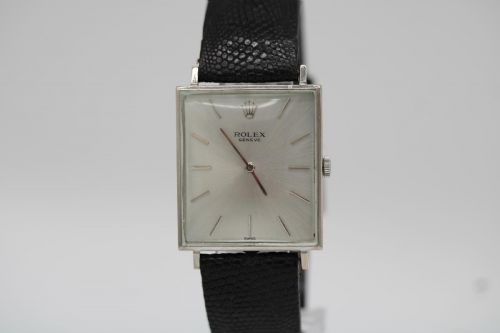
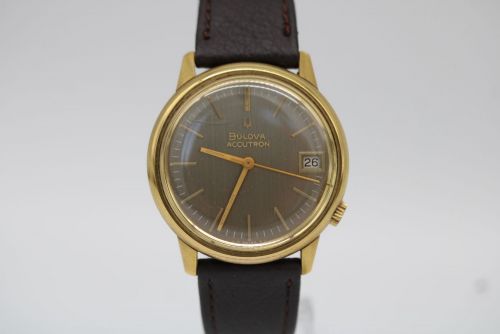
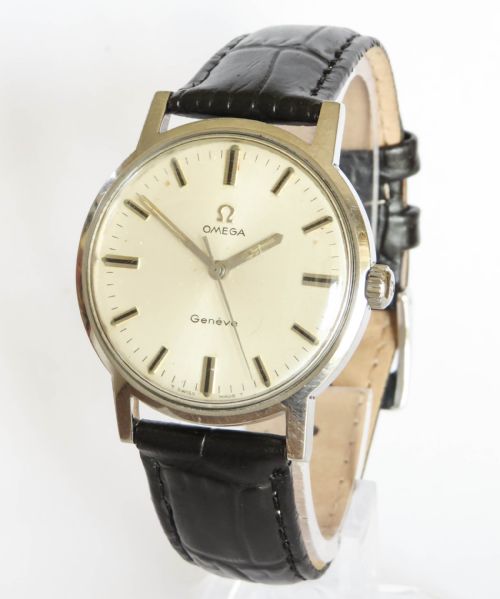
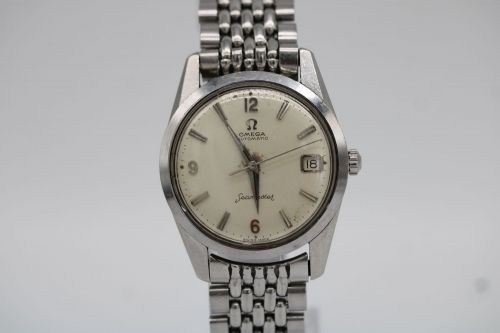
When you search for a classic swiss wristwatch, you are looking at mechanical timepieces spanning from the 1930s through to the 1970s that combine precision engineering with enduring style.
Classic Swiss Wristwatch
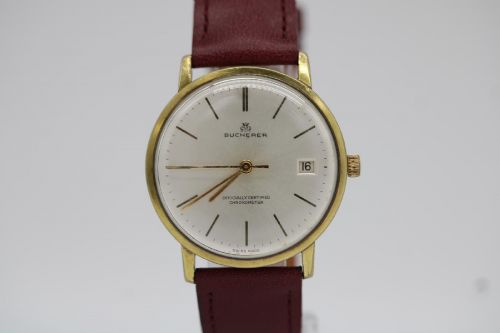
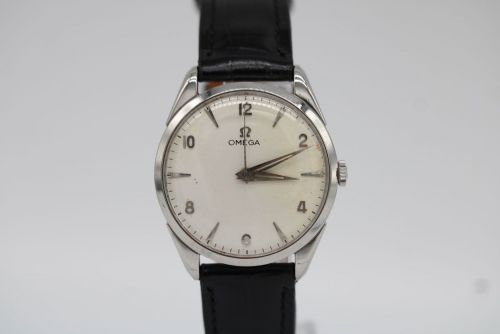
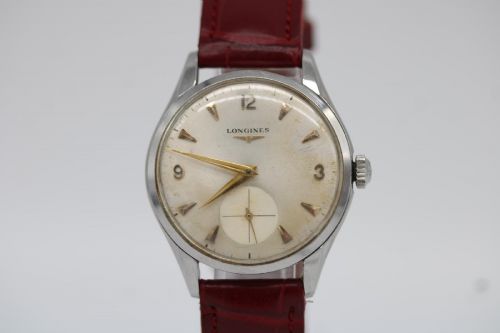
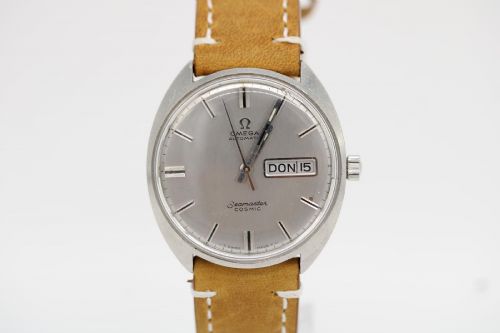
A classic swiss wristwatch represents decades of horological heritage, encompassing manual wind and automatic timepieces produced by established Swiss houses. You will frequently encounter designs originating from the mid-twentieth century, showcasing the clean lines of the Mid-Century Modern and Art Deco movements.
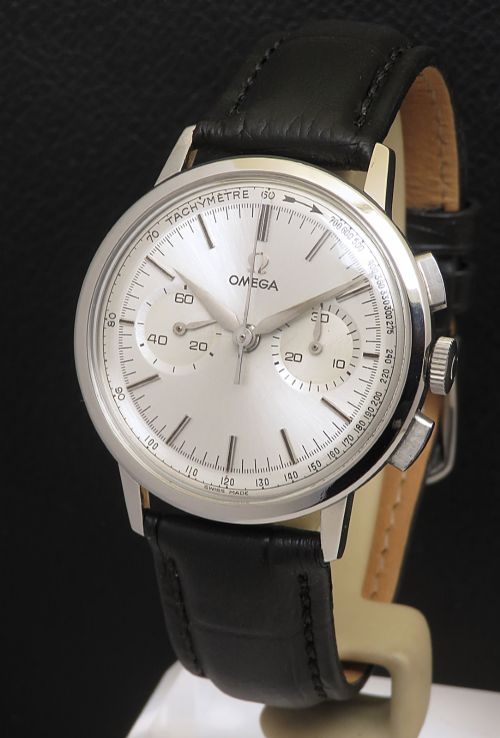
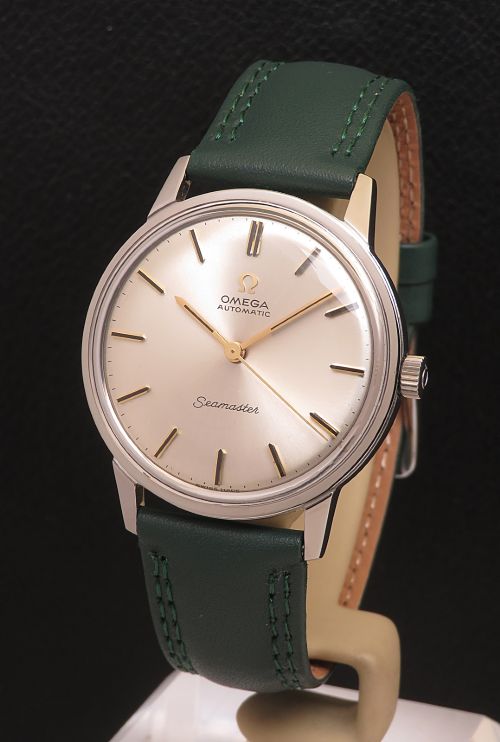
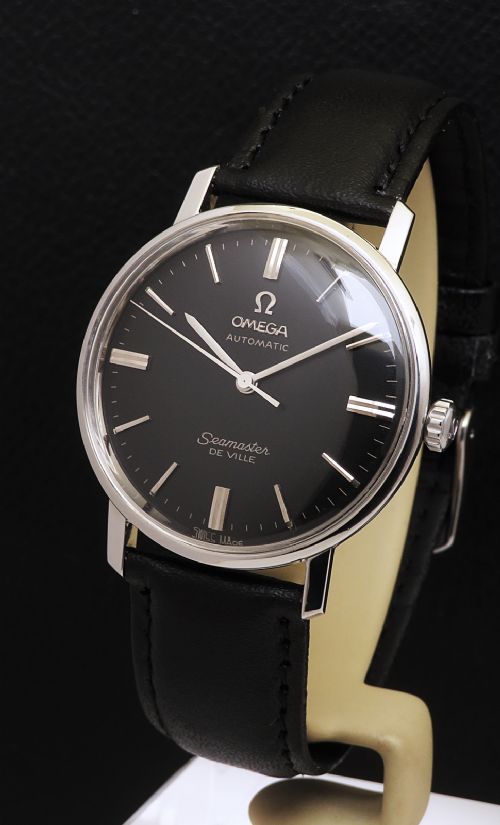
The selections available range from robust stainless steel divers and chronographs to refined dress watches rendered in solid 9ct gold or gold-plated metal. These pieces typically feature distinct dials paired with leather straps, reflecting the versatile fashions of their respective decades.
How they were made
Swiss watchmakers constructed these movements using intricate brass gear trains, jewelled bearings to reduce friction, and fine steel springs that regulate the transfer of power. Cases were fabricated from durable stainless steel or cast from precious metals such as 9ct and 18ct gold, often housing mechanical calibres designed for longevity and precise timekeeping.
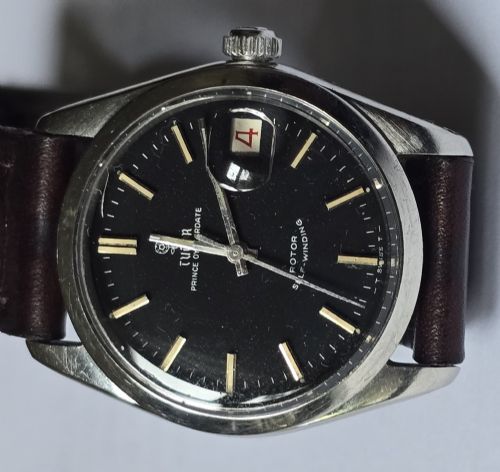
Dials were protected by clear glass or acrylic crystal covers, while exteriors were completed with fitted leather straps or metal bracelets. Many examples incorporate specialised complications like chronograph stopwatches or date apertures integrated directly into the movement architecture.
Listings feature Swiss mechanical movements powered either by manual wind or automatic calibres across the 1930s, 1940s, 1950s, and 1960s.
What varies in quality
The distinction between tiers often lies in the sophistication of the internal movement calibre, such as the transition from standard manual wind mechanisms to complex automatic self-winding systems and chronometer-certified calibres. Higher quality pieces generally feature proprietary movements engineered with greater adjustment tolerances and higher jewel counts for enhanced accuracy.
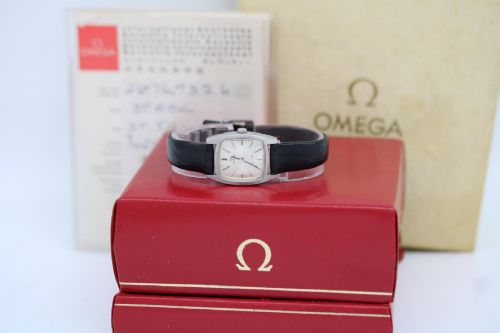
Preservation of the original components also dictates distinction, where untouched dials, original signed crowns, and matching case hallmarks hold greater significance. The presence of authentic maker boxes and accompanying paperwork further elevates the standing of an individual timepiece.
Omega·Tudor·Longines·Bulova·Cyma·Eterna·Girard Perregaux·Rolex
The Classic Swiss Wristwatch Glossary
- Calibre
- The specific internal movement design and model number created by a watchmaker. This identifier helps collectors understand the technical specification and origin of the mechanism.
- Automatic
- A self-winding mechanical movement that uses a weighted rotor to wind the mainspring using the natural motion of the wearer's wrist.
- Chronograph
- A watch equipped with a stopwatch function that can be started, stopped, and reset independently of the time-keeping hands.
- Manual wind
- A mechanical movement that requires the wearer to manually turn the crown to tension the mainspring and store power for operation.
- Acrylic crystal
- A lightweight, shatter-resistant form of transparent plastic utilised to cover and protect the dial on vintage watches.
Classic Swiss Wristwatch: Frequently Asked Questions
How do I wind a manual watch?
Gently rotate the crown clockwise between your thumb and forefinger until you feel slight resistance. Stop immediately when you meet this tension to avoid damaging the internal mainspring.
Most vintage manual pieces require this action once a day to maintain continuous operation. Establishing a consistent morning routine helps keep the tension level steady.
Are vintage watches water resistant?
Original water resistance seals degrade significantly over decades of ageing. Exposure to moisture can easily rust delicate steel components inside the movement.
Treat vintage pieces as strictly non-waterproof unless modern gaskets have been installed by a professional watchmaker. Avoid wearing them during swimming or heavy hand washing.
How often need they be serviced?
Mechanical watches require periodic cleaning and lubrication every few years to prevent dried oils from wearing down the brass gear pivots. A qualified technician disassembles the entire movement to inspect every individual component.
Regular maintenance ensures accurate timekeeping and extends the working lifespan of vintage gears. Neglecting this care can lead to permanent damage within the calibre.