




Vintage Asian Porcelain Urn
These vintage asian porcelain urn pieces offer remarkable decorative presence, uniting centuries of ceramic tradition with intricate hand-painted detail.
Vintage Asian Porcelain Urn
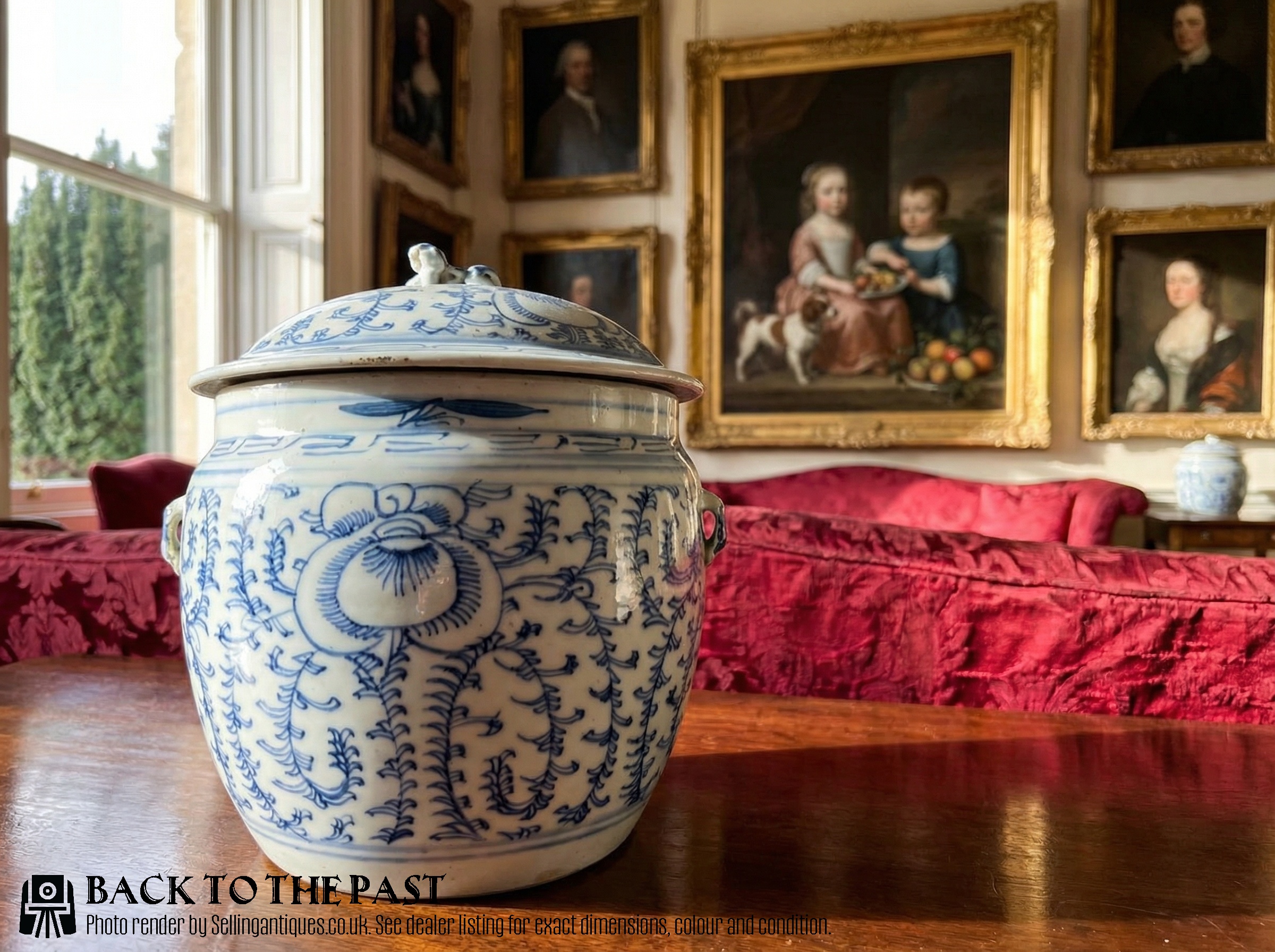
When you search for vintage asian porcelain urn, you encounter a diverse selection of decorative vessels, ginger jars, and vases originating from China and Japan. Many pieces date from the nineteenth and early twentieth centuries, spanning the Meiji period, Qing dynasty, and Edo period.
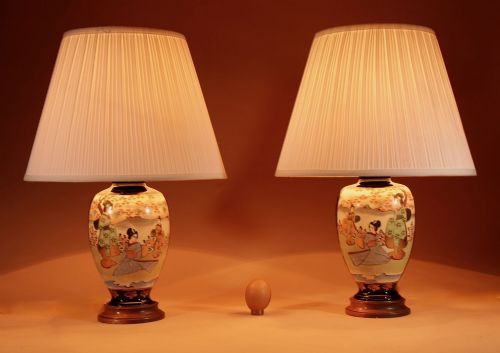
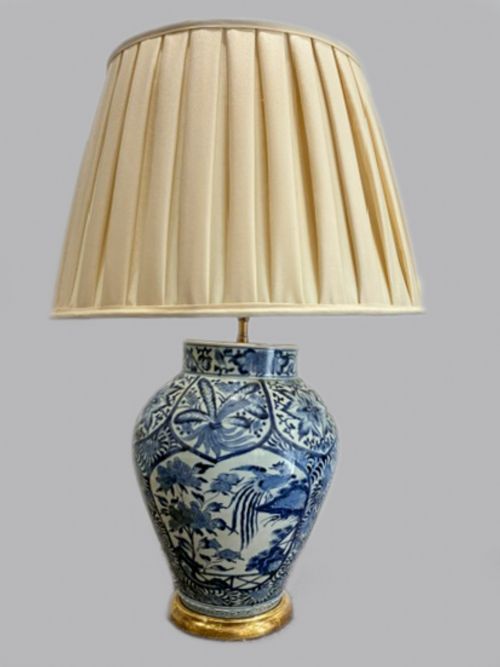
The inventory on this page ranges from miniature Satsuma display vessels to large floor-standing Imari vases and ginger jars. Several examples have been adapted as table lamps using wood, brass, fabric, and electrical fittings.
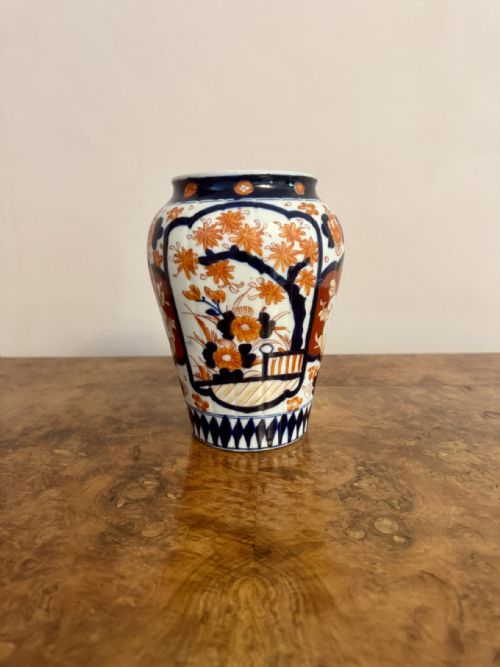
Japanese Satsuma ware and Imari porcelain dominate the current selection, alongside Chinese blue and white porcelain and Famille Noire style pieces. Buyers frequently encounter pairs as well as individual statement objects suitable for interior decoration.
How they were made
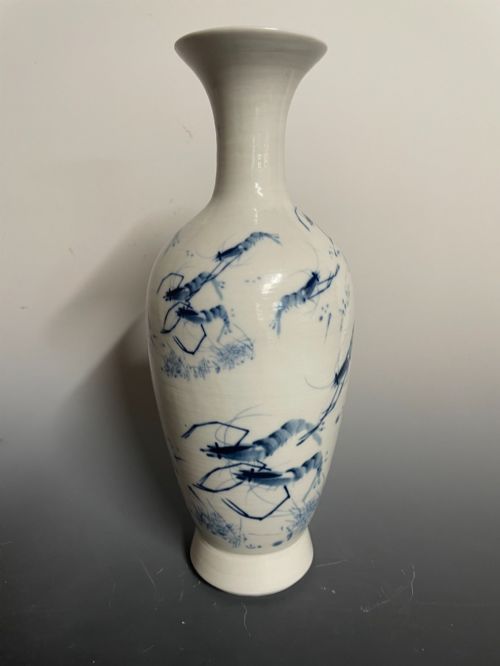
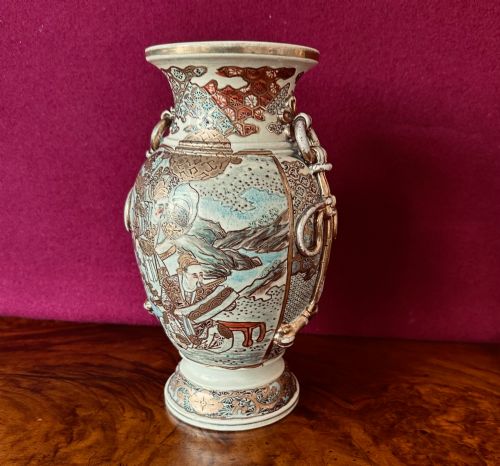
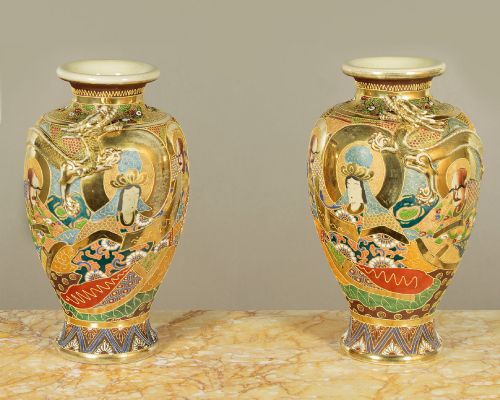
Makers shaped these vessels from porcelain and earthenware, applying cobalt glaze for deep blue underglaze decoration or building rich surfaces with enamel colours. Artisans utilised gold leaf to accent intricate figural processions, landscapes, and floral motifs.
Many items display hand-painted compositions created during the Meiji period and the nineteenth century. Certain utilitarian jars and vases later received wooden or brass mounts when converted into domestic lighting.
Vintage Asian Porcelain Urn Retail Price Guide 2026
Typical asking prices for vintage asian porcelain urn among the pieces listed under this phrase on Sellingantiques today, from the lower quarter to the upper quarter. They describe what is for sale here now, not the wider market.
Listings feature porcelain, earthenware, cobalt glaze, gold leaf, and enamel across the nineteenth and early twentieth centuries.
What varies in quality
Quality rests in the precision and density of the hand-painted enamel work and the crispness of the gilt detailing. Miniature Satsuma vessels with complex figural scenes demonstrate high technical skill from workshops such as those in Kyoto.
The visual balance of the glaze, the symmetry of the porcelain body, and the preservation of the original hand-painted surface determine the standing of each piece. Larger floor-standing examples and matched pairs carry distinct presence through their scale and decorative cohesion.
Chosei·Hattori
The Vintage Asian Porcelain Urn Glossary
- Satsuma
- A type of earthenware from Japan with a crackled ivory glaze and detailed enamel and gilt decoration.
- Imari
- Japanese porcelain characterised by a distinct palette of underglaze blue, iron red, and gilt, produced in Arita.
- Ginger jar
- A ceramic vessel with a broad body and high shoulder, originally used for spices and later made for display.
- Meiji Period
- The era in Japanese history spanning from 1868 to 1912, noted for opening trade and prolific ceramic production.
- Baluster
- A vase shape characterised by a rounded body that tapers toward the base and swells near the lower centre.
- Blue and white
- Pottery decorated with cobalt blue pigment applied directly to the clay body beneath a transparent glaze.
Vintage Asian Porcelain Urn: Frequently Asked Questions
What is a Satsuma vase?
Satsuma vessels are Japanese ceramics distinguished by their cream-coloured, finely crackled earthenware glaze and elaborate hand-painted decoration involving enamel and gold leaf.
Artisans often depicted figural processions, landscapes, and floral patterns across these surfaces, particularly during the late nineteenth and early twentieth centuries.
How do I identify Imari porcelain?
Imari porcelain is easily recognised by its traditional palette, which typically combines deep cobalt blue underglaze with vibrant iron red and abundant gilt highlights.
Originating in Arita, Japan, these pieces display dense geometric and floral designs across plates, jars, and vases.
Were these vases made as lamps?
Many ceramic pieces were originally produced as display vases, ginger jars, or storage vessels during the nineteenth and early twentieth centuries.
Dealers and collectors later converted a number of these antique vessels into table lamps by adding wooden bases, brass fittings, and fabric shades.
How do I care for antique porcelain?
Dust these decorative items gently using a soft, dry cloth to protect the delicate enamel and gold leaf surfaces from abrasion.
Keep the pieces away from direct sunlight and moisture to preserve the integrity of the glaze and any added lamp components.