
Vintage Art Stand
These vintage art stand selections comprise diverse display pieces, easels, and plant pedestals designed to showcase artistic items in interiors.

Vintage Art Stand
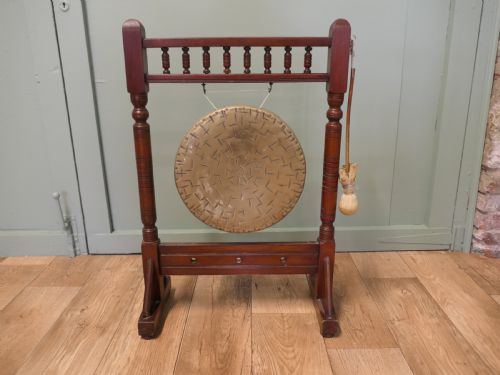
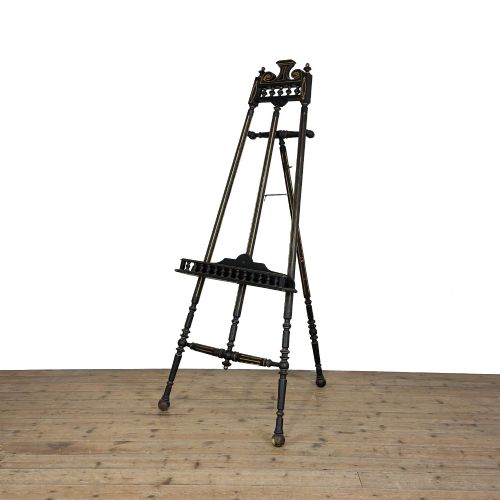
When searching for a vintage art stand, buyers encounter a varied selection of display furniture including oak plant stands, floor standing easels, and specialised holders originating from the late nineteenth and early twentieth centuries.
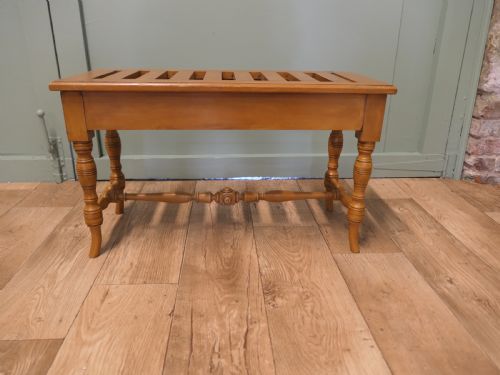
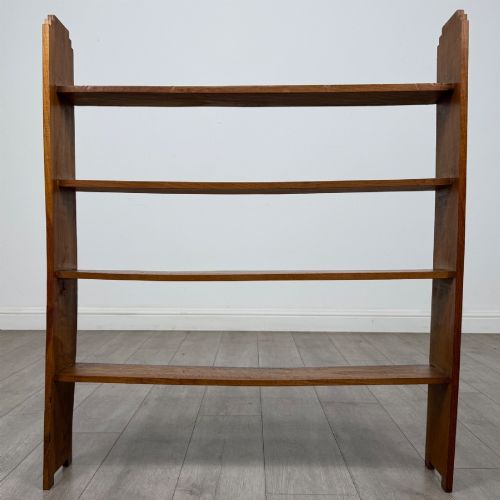
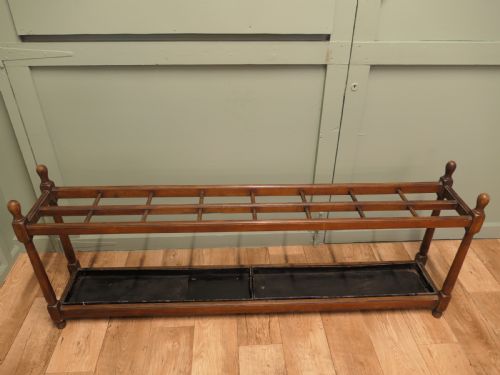
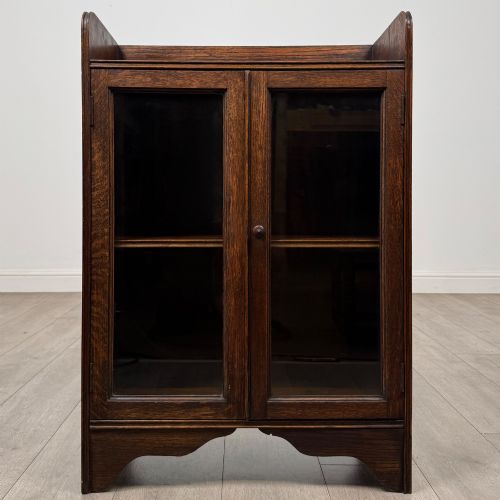
The most common examples on this page are oak plant stands and display tables from the Edwardian and Arts and Crafts periods, which utilise sturdy timbers to support decorative objects.
Makers and designers from these eras focused on functional utility combined with artistic expression, resulting in practical items that double as sculptural elements within a room.
Materials and Techniques
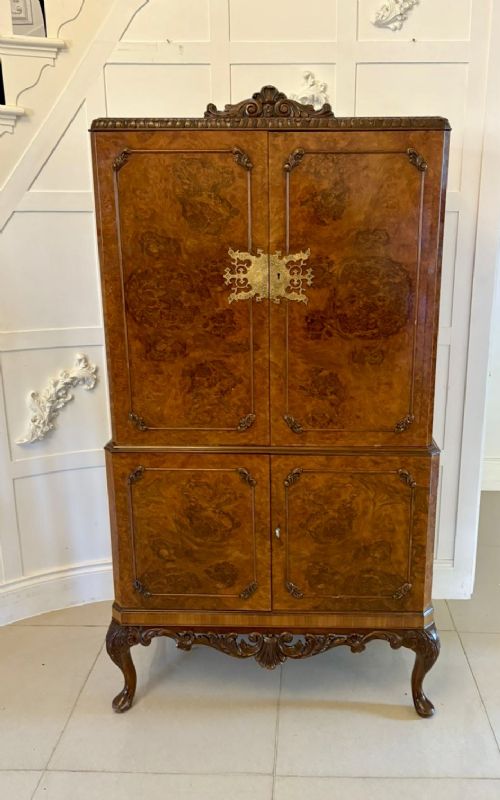
These stands and display items rely heavily on solid oak, walnut, and mahogany, shaped through traditional joinery techniques appropriate to the Arts and Crafts and Edwardian eras.
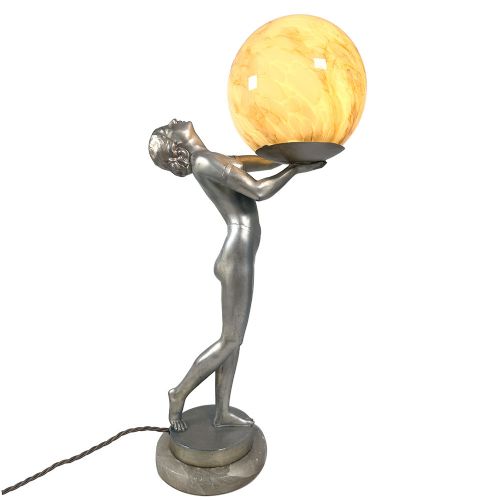
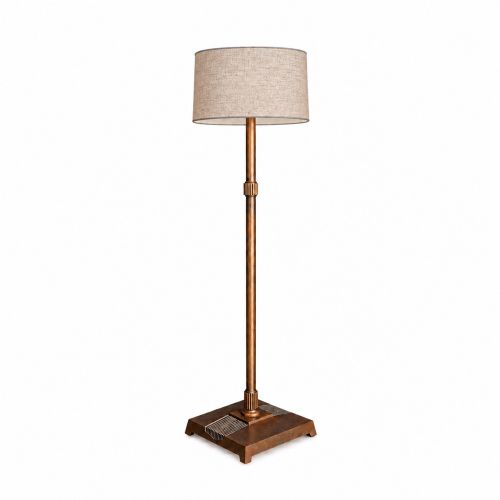
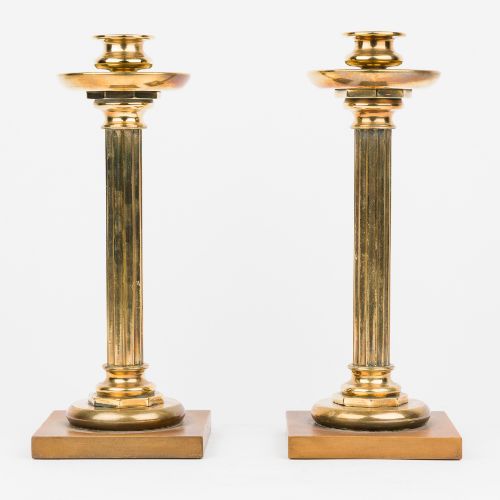
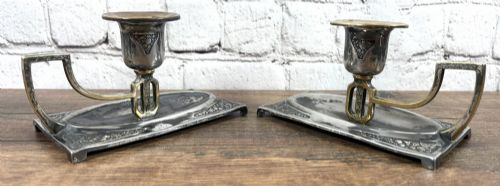
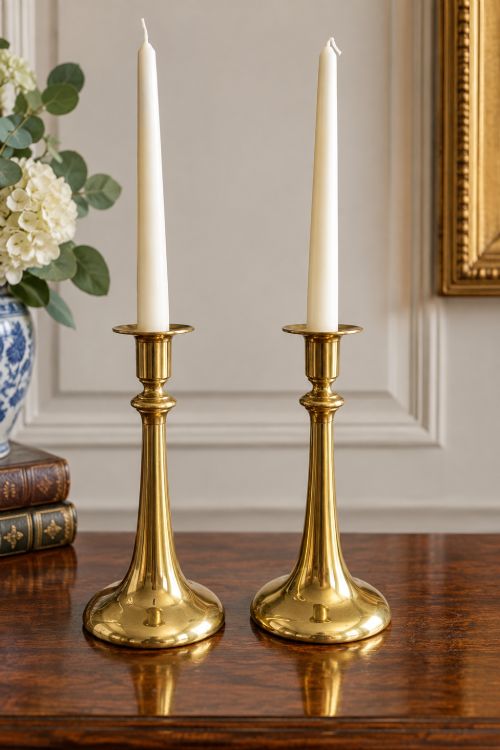
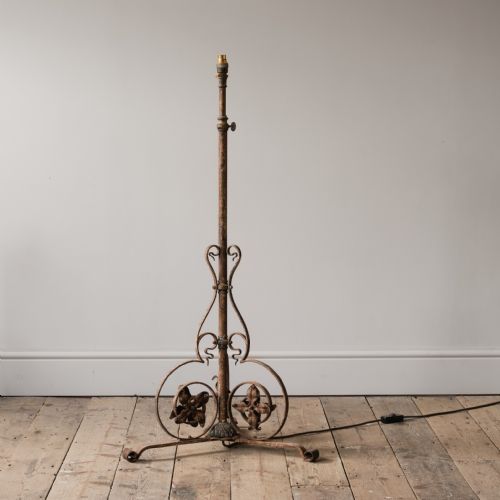
Metal components such as brass, bronze, cast iron, and nickel plating appear frequently in floor lamps, umbrella stands, and desk accessories, showing specialist casting and adjustable mechanisms.
Surface treatments range from original paint and polished wood to ebonised finishes, highlighting the natural grain and texture of the chosen materials.
Assessing Quality
Quality in these pieces is dictated by the integrity of the construction and the refinement of the decorative detail, whether in hand-beaten metalwork or carefully selected timber veneers.
Piecemeal assembly separates standard commercial production from workshop pieces designed by noted makers, where proportions and joinery receive individual attention.
The preservation of original surface finishes, such as early paint or patinated brass, elevates the character of the object compared to later refinishing.
GM Elwood·JS Henry·Liberty·Bruno Zach·Sudre·WMF·Harry Epworth Allen
The Vintage Art Stand Glossary
- Arts and Crafts
- A design movement prioritising traditional craftsmanship, simple forms, and natural materials.
- Easel
- A freestanding framework used to support an artist's painting or to display a finished artwork.
- Ebonised
- Wood treated with a dark stain or finish to imitate the appearance of ebony.
- Standard Lamp
- A floor-standing lamp designed to provide elevated illumination within a room.
- Spelter
- A zinc alloy frequently used as a substitute for bronze in decorative castings and figures.
Vintage Art Stand: Frequently Asked Questions
What is a vintage art stand used for?
These pieces serve as functional supports for displaying artwork, plants, books, or decorative items within domestic spaces.
They allow owners to elevate specific objects to eye level, enhancing the visual balance of a room.
How do I identify an Arts and Crafts stand?
Arts and Crafts pieces typically feature solid oak construction, visible joinery, and an emphasis on straightforward, utility-driven design.
Decoration is minimal, often relying on the natural grain of the wood or subtle hand-worked metal details.
Are these stands suitable for daily use?
Most pieces are built from robust timbers and metals designed for everyday domestic environments.
Care should be taken with delicate finishes, adjustable mechanisms, and original painted surfaces to preserve their condition.
How can I tell the period of a stand?
Dating relies on observing material choices, such as golden oak in Edwardian pieces or nickel plating in later Art Deco examples.
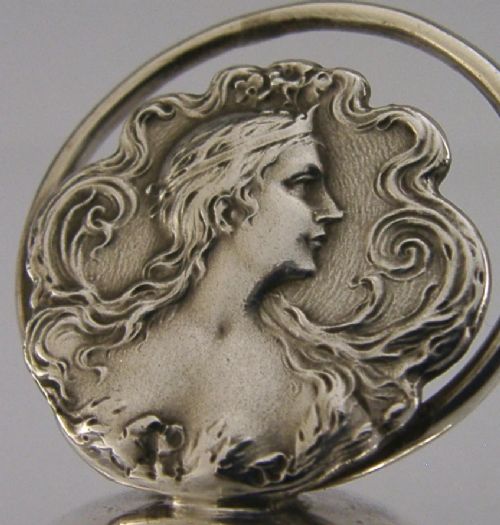
Construction methods and stylistic markers like Art Nouveau curves or Gothic Revival motifs also provide clear chronological clues.