

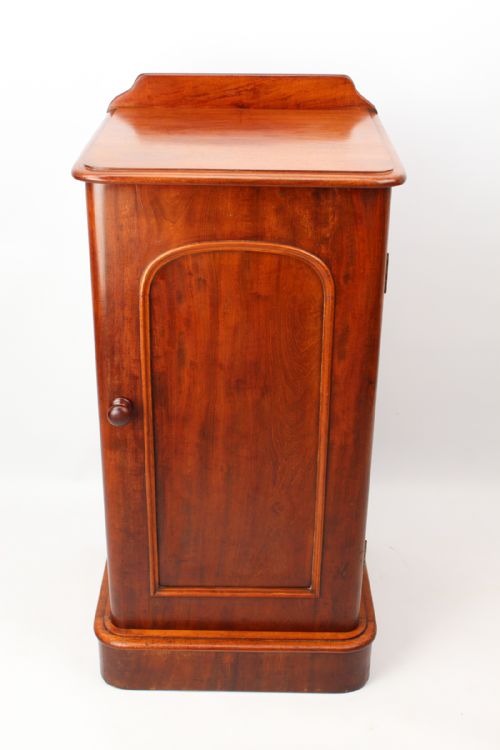


Paneled Mahogany Pedestal
These paneled mahogany pedestal pieces bring solid timber and architectural proportion to a room, offering sturdy display surfaces and hidden storage.
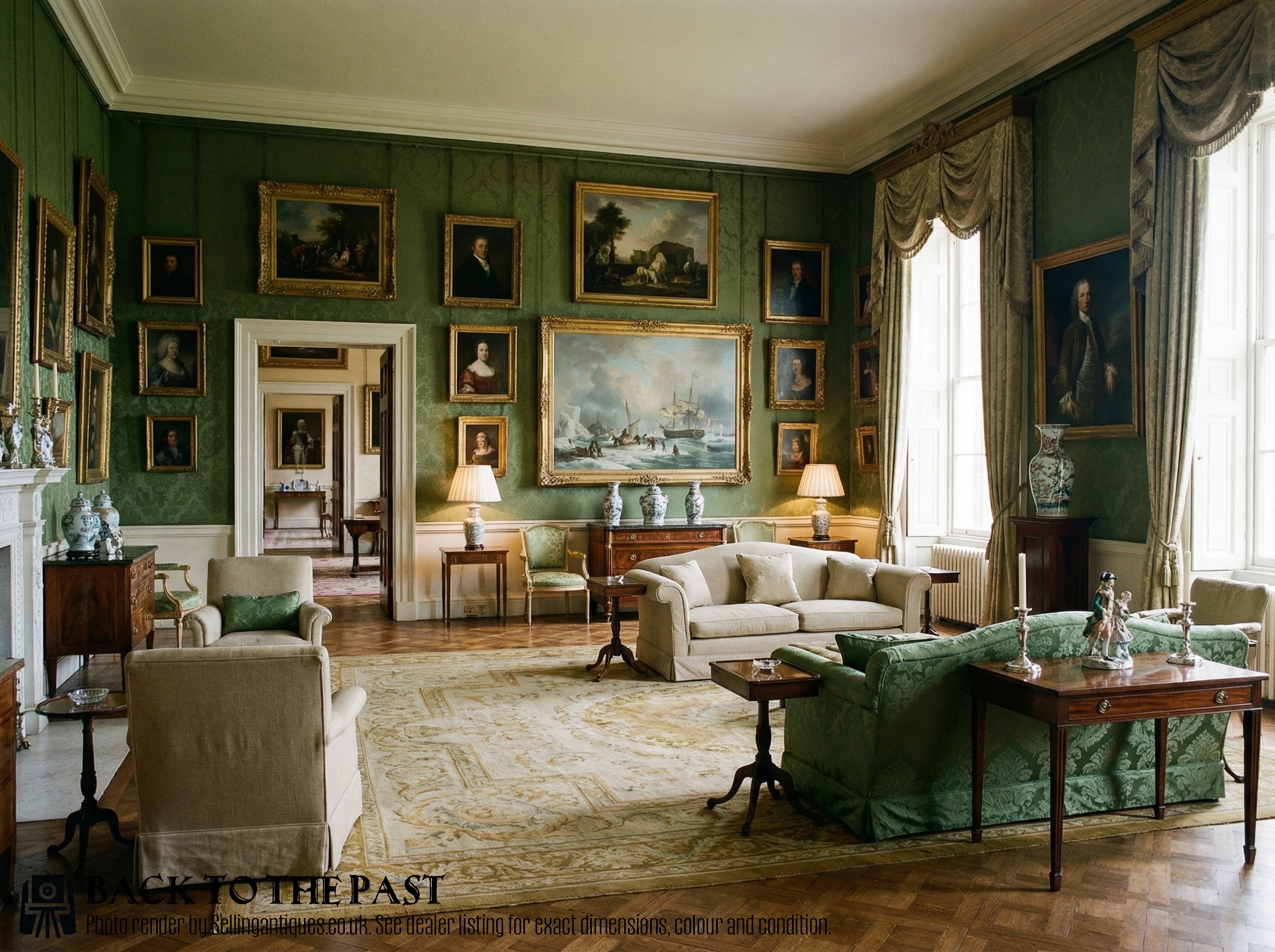
Paneled Mahogany Pedestal
A paneled mahogany pedestal brings together dense tropical timber and structured joinery, taking the form of desks, bedside cabinets, and display stands across this page. The listings feature examples spanning the Victorian, Edwardian, and 19th-century periods, alongside specific decades such as 1850, 1860, 1880, and 1930.
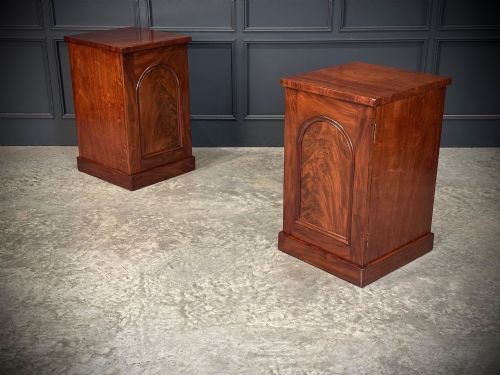
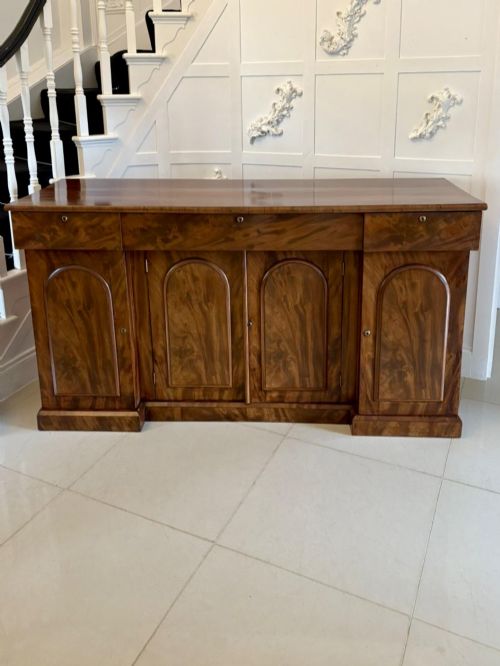
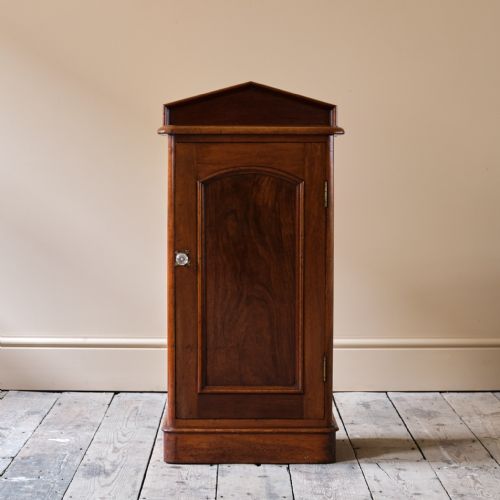
Most commonly, buyers encounter bedside cabinets, pot cupboards, and pedestal desks featuring timber construction. These items range from compact lamp stands and display columns to large partners desks and chiffonier sideboards.
Originating predominantly from the Victorian and Edwardian eras, these pieces combine functional storage with architectural timber panels. The selection unites smaller bedside units with substantial display pedestals and desks.
Materials and construction
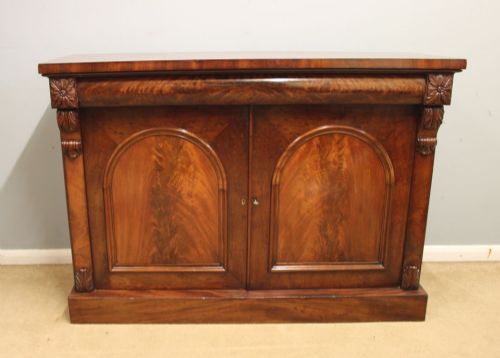
Makers utilised solid mahogany and mahogany veneer, often pairing the dense timber with secondary woods like pine for internal structure. Selected items incorporate flame mahogany veneer to display distinctive grain patterns across the main surfaces.
Construction relies on traditional joinery methods to frame fielded panels into the sides and backs of pedestals and desks. Additional materials such as brass, glass, and leather appear in hardware, tops, and writing surfaces.
The listings on this site span the Victorian, Edwardian, and broader nineteenth-century periods, using mahogany, flame mahogany veneer, brass, and pine.
Distinguishing quality
Quality rests in the selection of the timber and the depth of the grain, particularly where flame mahogany veneer or solid mahogany is chosen. Finer examples display carefully matched grain across fielded panels and structural members.
The sophistication of the joinery and the integrity of the paneled construction determine the distinction between utility items and superior cabinet work. Hardware details, secondary woods like pine, and fitted leather or glass elements complete the standard of construction.
The Paneled Mahogany Pedestal Glossary
- Fielded panel
- A central wood panel with bevelled edges designed to fit within a surrounding frame. This technique allows the timber to expand and contract with humidity changes.
- Flame mahogany veneer
- A decorative wood slice cut from the fork of the mahogany tree where branches join the trunk. It creates a repeating, flame-like figure across the surface.
- Partners desk
- A large double-sided desk built with drawers and cupboards on both faces. It allows two people to work opposite one another.
- Pot cupboard
- A small bedside cabinet originally built to house a chamber pot. These pieces typically feature a single door enclosing a shelf.
Paneled Mahogany Pedestal: Frequently Asked Questions
What is a paneled mahogany pedestal?
A paneled mahogany pedestal is a timber furniture form featuring framed wooden panels, appearing in items ranging from display columns to structural desk supports.
These pieces utilise mahogany and mahogany veneer, often incorporating brass or pine elements within Victorian and Edwardian designs.
How were pedestal desks used?
Pedestal desks served as administrative workspaces for writing and correspondence, providing drawers and cupboards built into the supporting columns.
Larger versions such as partners desks accommodated two users facing each other, while single pedestals stood against walls or in studies.
How do I identify Victorian pieces?
Victorian items spanning the nineteenth century display characteristic dense mahogany construction, dark patination, and robust joinery techniques.
Cabinet makers of this era frequently employed fielded panels and flame mahogany veneers across bedside cabinets, chiffoniers, and desks.
Where do bedside cabinets fit?
Bedside cabinets function as compact storage units next to a bed, offering a surface for lamps and enclosed space behind a cabinet door.
They integrate easily into bedrooms as lamp stands or pot cupboards, matching other mahogany furniture.