

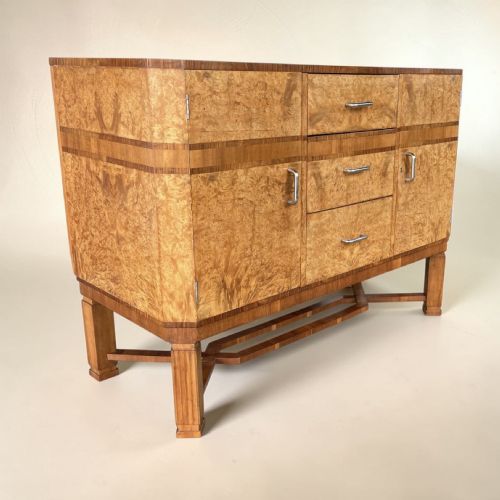
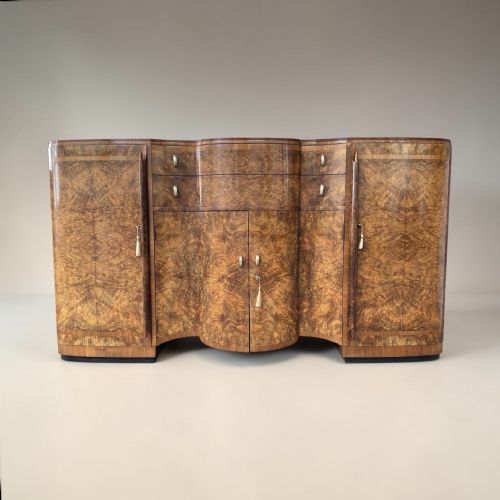
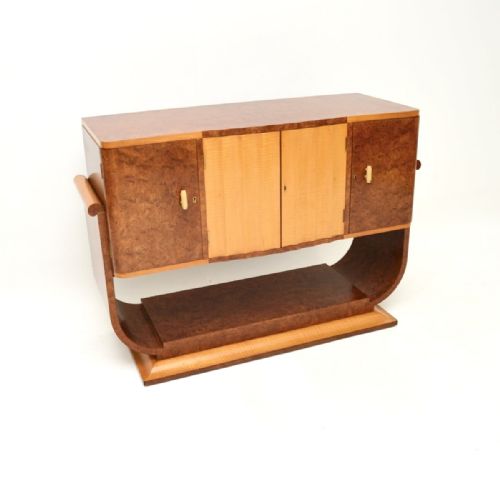
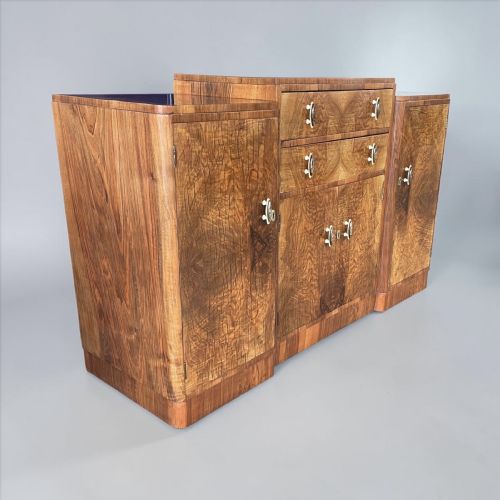


Vintage Art Deco Server
A vintage art deco server brings striking geometric presence and functional dining preparation space into a room.
Vintage Art Deco Server
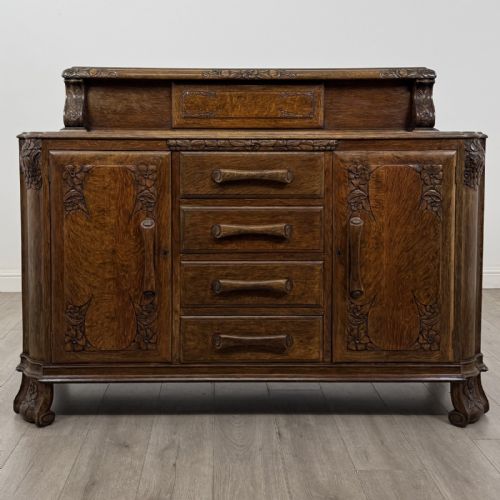
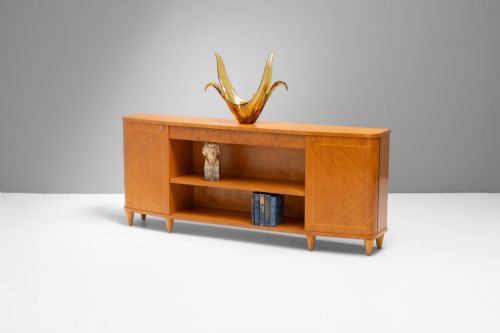
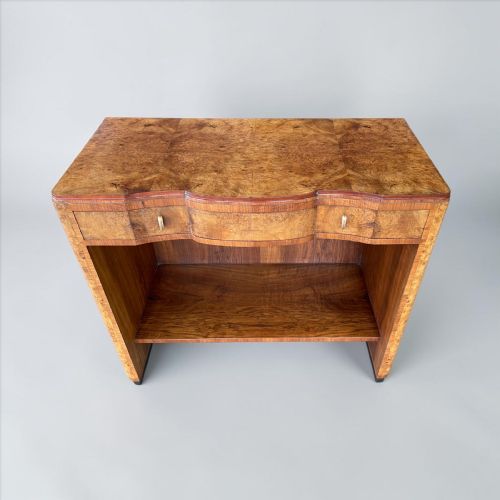
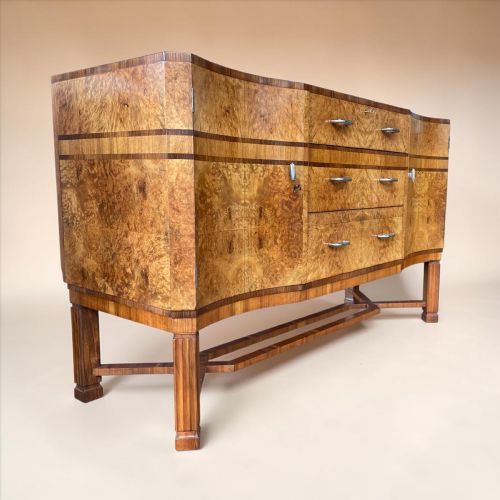
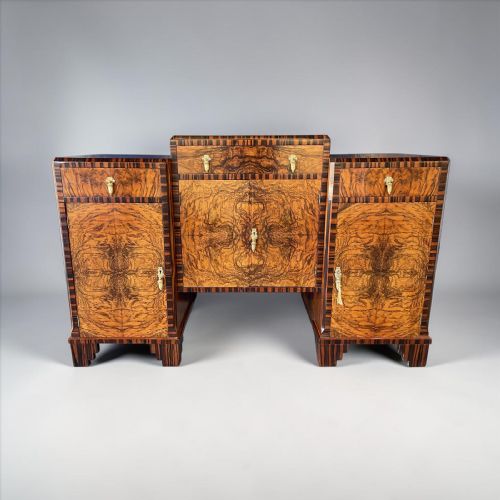
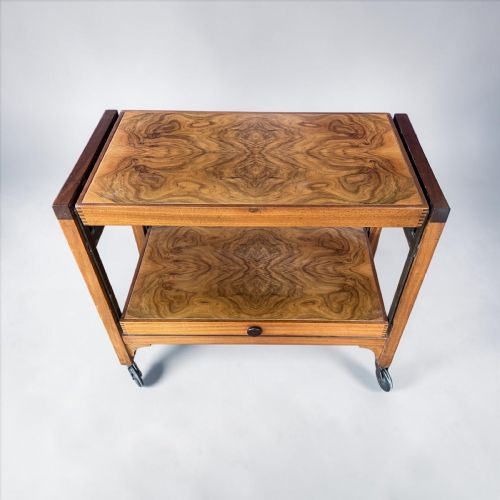
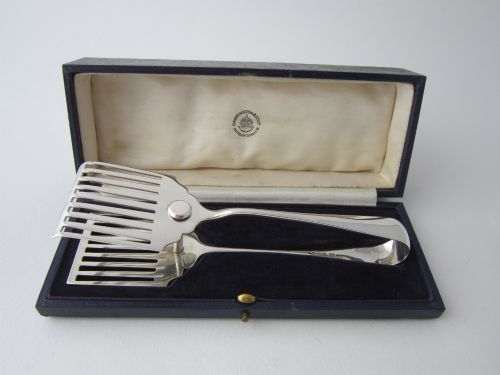
When you search for a vintage art deco server, you are looking at large dining room furniture and smaller table pieces designed to assist with food and drink service. These forms include sideboards, buffets, console tables, cocktail cabinets, and specialised serveware.
The pieces you are most likely to meet on this page date principally from the nineteen-thirties and nineteen-twenties, incorporating styles from Art Deco to Scandinavian Modern and George V designs. They range from substantial sideboards with integrated storage to smaller serving tables and specific silver plated or glass serving items.
Materials and construction
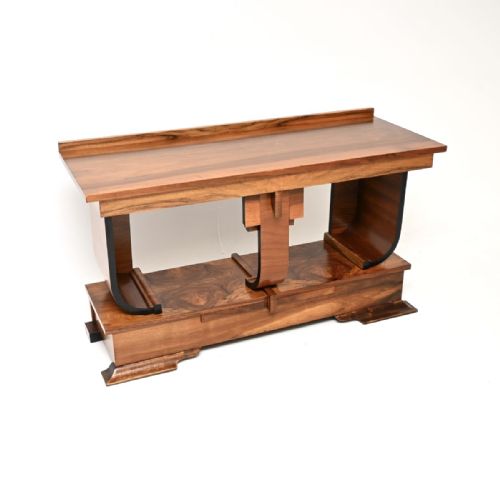
Cabinet makers of the period utilised rich timber foundations, most notably burr walnut, figured walnut, and walnut veneer, alongside oak, sycamore, and limed oak. These woods were selected for their striking natural grain patterns, which defined the aesthetic of the era.
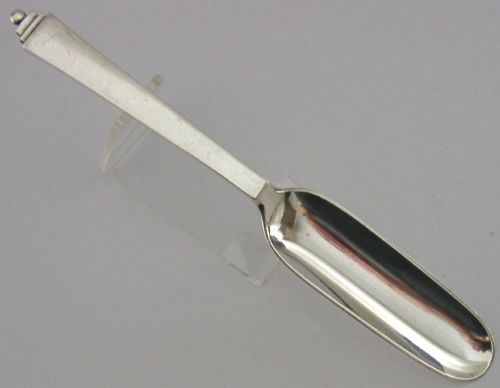
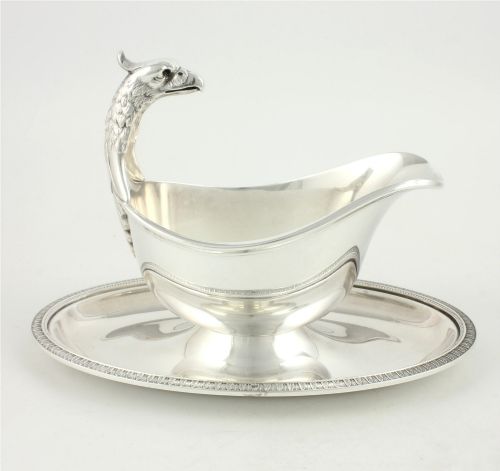
Metal and glass elements appear frequently, incorporating brass, silver plate, sterling silver, starburst glass, and mirror glass. These materials were shaped into serving trays, trolleys, sauce boats, and cocktail cabinets to complement the rich wooden cabinetry.
Vintage Art Deco Server Retail Price Guide 2026
Typical asking prices for vintage art deco server among the pieces listed under this phrase on Sellingantiques today, from the lower quarter to the upper quarter. They describe what is for sale here now, not the wider market.
Listings feature items from the Edwardian period through the nineteen-fifties, with the nineteen-thirties heavily represented.
Distinctions in quality
Quality rests on the selection and matching of wood veneers, where symmetrical grain alignment across large cabinet doors distinguishes superior examples from simpler builds. The handling of burr and figured walnut creates complex visual patterns on higher-grade pieces.
The execution of hardware, internal fittings, and auxiliary materials also separates the grades. Fitted cutlery drawers, heavy brass details, and quality silver plating or sterling silver elements indicate workshop production standards.
Maurice Adams·Gomme·Hille·Fortnum and Mason·Heals of London·Harry and Lou Epstein·Hamptons of Pall Mall London·Waring and Gillows·Walker and Hall·Christofle Gallia·Georg Jensen
The Vintage Art Deco Server Glossary
- Burr walnut
- A wood harvested from the abnormal growth of a walnut tree, producing swirling, intricate grain patterns highly prized for cabinet doors and tabletops.
- Sideboard
- A dining room piece designed for storing tableware and serving food, frequently featuring cupboards and drawers.
- Cocktail cabinet
- A specialised storage piece dedicated to drink preparation and glassware, often equipped with mirrored interiors and pull-down serving flaps.
- Sauce boat
- A small jug or boat-shaped vessel with a lip and handle, used for serving gravies or sauces at the dining table.
- Silver plate
- A base metal coated with a thin layer of silver, commonly utilised for trays, cutlery, and serving vessels during the period.
Vintage Art Deco Server: Frequently Asked Questions
What is a vintage art deco server used for?
These pieces serve as functional storage and display furniture in dining rooms and living spaces, holding tableware, linens, and bottles.
They also provide a surface area for presenting food, drinks, and serving dishes during meals or gatherings.
How do I style a vintage art deco server?
Keep the top surface uncluttered by placing only a few period-appropriate items like a starburst glass tray, a claret jug, or a cocktail set.
Allow the natural grain of the burr walnut or the clean lines of the oak to remain the primary visual focus of the room.
What materials are typical for these servers?
Cabinet pieces rely heavily on walnut, burr walnut veneers, and oak, sometimes accented with sycamore or limed finishes.
Smaller serving accessories incorporate sterling silver, silver plate, brass, and cut or starburst glass.
Are these servers from the nineteen-thirties?
Many of the sideboards and serving tables date from the nineteen-thirties, capturing the height of the Art Deco movement.
Other examples originate from the nineteen-twenties or extend into the nineteen-forties and nineteen-fifties, including Edwardian and George V silver serving pieces.