


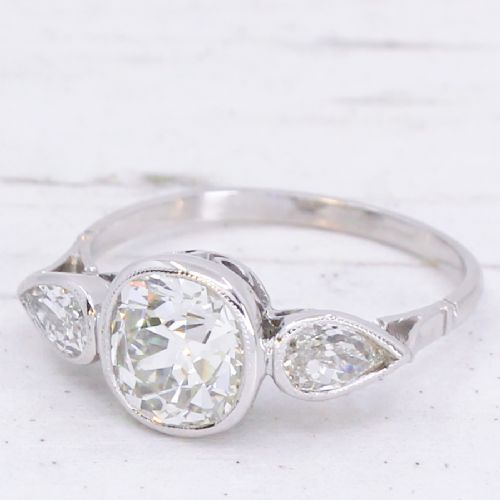
Vintage Art Deco Jewellery
These vintage art deco jewellery pieces capture the geometric precision and clean lines of the early twentieth century, offering enduring style for everyday wear.
Vintage Art Deco Jewellery
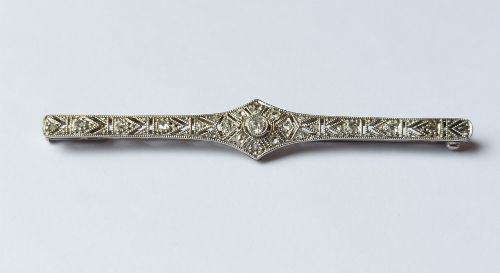
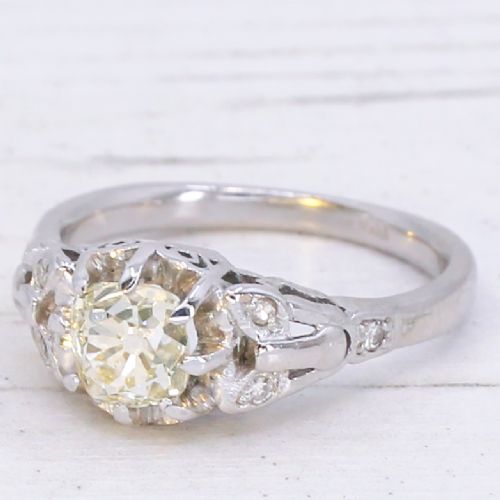
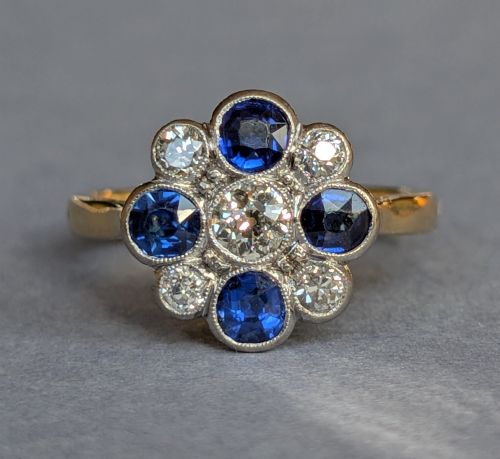
When you search for vintage art deco jewellery, you encounter a curated selection of rings, earrings, necklaces, pendants, bracelets, and brooches that span the 1920s, 1930s, and 1940s alongside related revival pieces. The most common form on this page is the diamond and sapphire ring, frequently mounted in platinum or 18ct white gold to achieve the bright, silvery finish characteristic of the period.
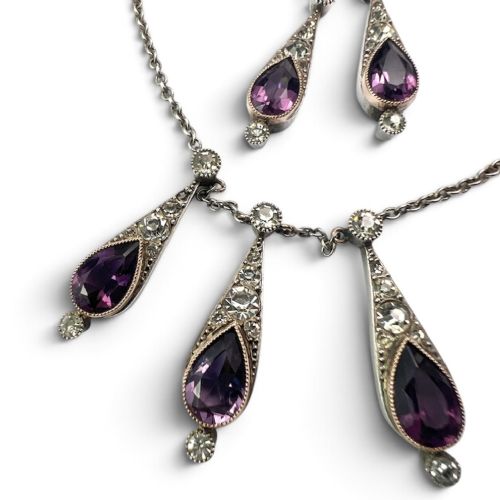
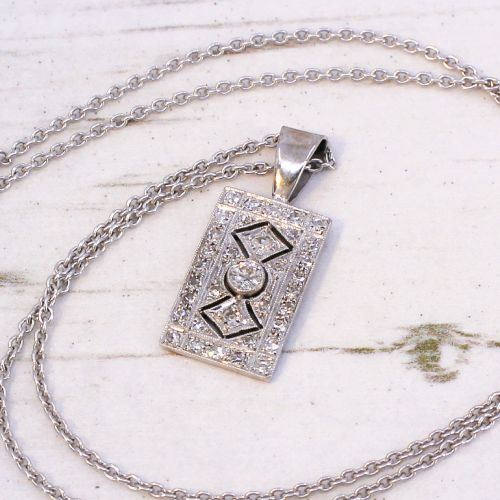
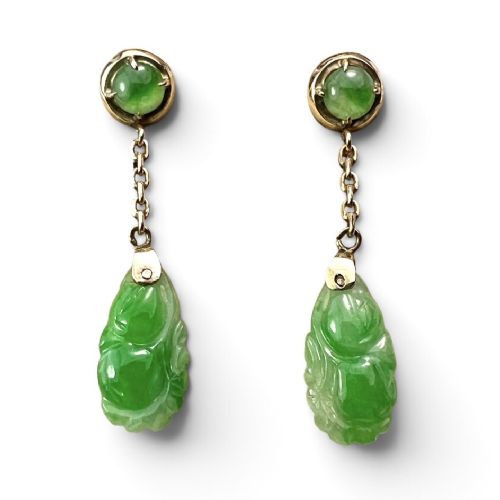
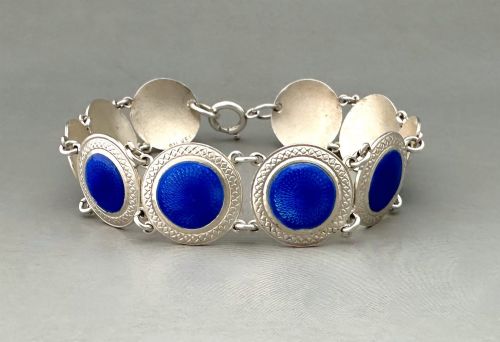
The selection also encompasses silver and enamel bracelets, paste stone sets, jade drop earrings, and distinctive pendant designs incorporating crystals and marcasite. Pieces often display symmetrical patterns, step-cut gemstones, and intricate metalwork that reflect the modernist movements of the interwar decades.
Materials and construction methods
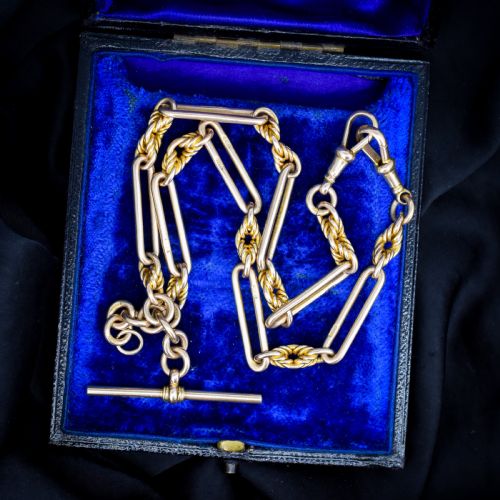
Craftsmen of the era utilised platinum and 18ct white gold to securely hold diamonds and sapphires in sharp, geometric settings without excessive metal weight. Yellow and 9ct gold also appear frequently, particularly in earlier Edwardian hybrid rings and heavy albert chain necklaces.
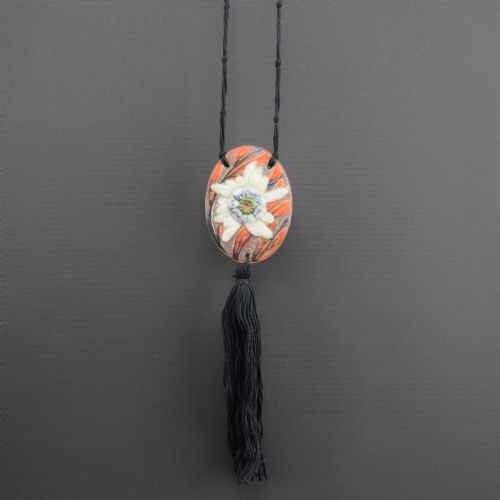
Surface decoration relied on vitreous enamel, carved jade, paste stones, and marcasite settings, alongside specialised glass techniques such as pate de verre. Stones were commonly cut into old European shapes, emerald cuts, and baguettes to catch the light within strict linear frameworks.
Current listings feature items spanning the 1900s through the 1960s, using platinum, silver, and gold alongside diamonds and sapphires.
Distinctions in construction and design
Quality in these items depends upon the precision of the stone setting, the integrity of the original metalwork, and the clarity of design motifs. Higher tier examples demonstrate careful hand-cut matching of coloured gemstones like Ceylon sapphires and emeralds alongside substantial diamond carat weights.
Lesser examples rely on mass-produced paste or glass substitutes within lighter silver or base metal mountings. The depth of enamel work, the uniformity of marcasite placement, and the preservation of original clasps or chains further divide standard production items from finer workshop output.
Argy Rousseau·Mappin & Webb
The Vintage Art Deco Jewellery Glossary
- Old Cut
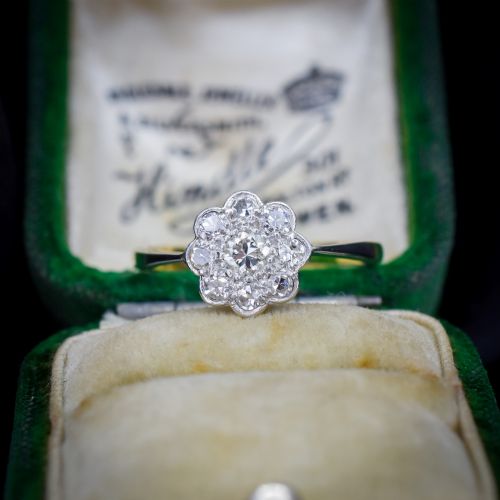
- A diamond cutting style prevalent before modern brilliant standards, featuring a smaller table, higher crown, and open culet. These stones produce a softer, candlelit sparkle rather than sharp scintillation.
- Marcasite
- Small, faceted pieces of iron pyrite set into silver mounts to resemble diamonds. This technique provided a brilliant, metallic texture popular in affordable interwar accessories.
- Paste
- Hand-cut and polished lead glass used to imitate precious gemstones. High-grade paste from the period exhibits deep colour and careful foil-backing beneath the stone.
- Toi Et Moi
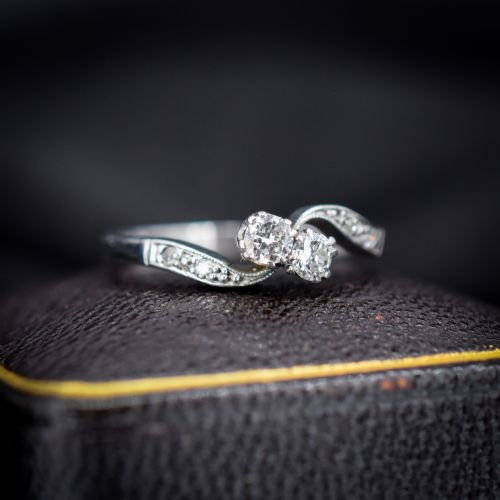
- A two-stone ring design symbolising two souls entwined, typically featuring diamonds or coloured gems twisted closely together on the band.
- Pate De Verre
- A glass-making method involving crushed glass packed into a mould and fused in a kiln. This technique produced textured, translucent pendants with subtle colour gradients.
Vintage Art Deco Jewellery: Frequently Asked Questions
What defines vintage art deco jewellery?
These items are characterised by strong geometric shapes, symmetrical arrangements, and a distinct departure from the flowing organic curves of earlier Edwardian design. Makers embraced industrial motifs, sharp angles, and high-contrast colour pairings.
Platinum and white gold dominated the mounting styles, allowing jewellers to set diamonds and sapphires in taut, linear frameworks that maximised light reflection and structural clarity.
How do I wear these pieces daily?
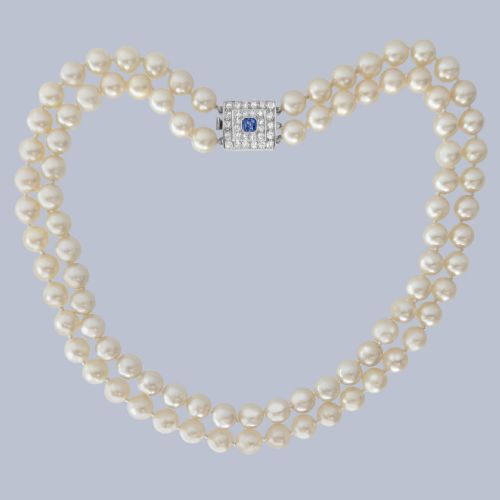
Living with vintage rings, brooches, and necklaces involves mindful care of delicate settings like old cut diamonds and pearl strands. Many items transition easily from daytime attire to evening wear due to their versatile metallic tones.
Protecting fragile components such as enamel surfaces and paste stones from harsh chemicals or impact ensures these historical accessories remain suitable for regular rotation.
How can I tell the period?
Distinguishing between decades relies on observing the shift from Edwardian platinum lace work into the bolder, symmetrical forms of the 1920s and 1930s. Later items often incorporate retrofit styles or heavier yellow gold proportions.
Examining the stone cuts, such as transitional or old European facets, alongside hallmarks and clasp mechanisms provides reliable clues to the exact manufacturing era.
Were these items worn every day?
Original owners utilised these accessories both for formal evening events and as daily statements of modern fashion. Albert chains served practical pocket watch functions before transitioning into decorative necklaces.
Cigarette boxes, brooches, and gemstone rings formed part of daily attire, reflecting the affluent lifestyles and changing social customs of the interwar period.