

Vintage Area Carpet
These vintage area carpet examples bring rich textures and traditional patterns into rooms, offering lasting warmth and distinct character underfoot.
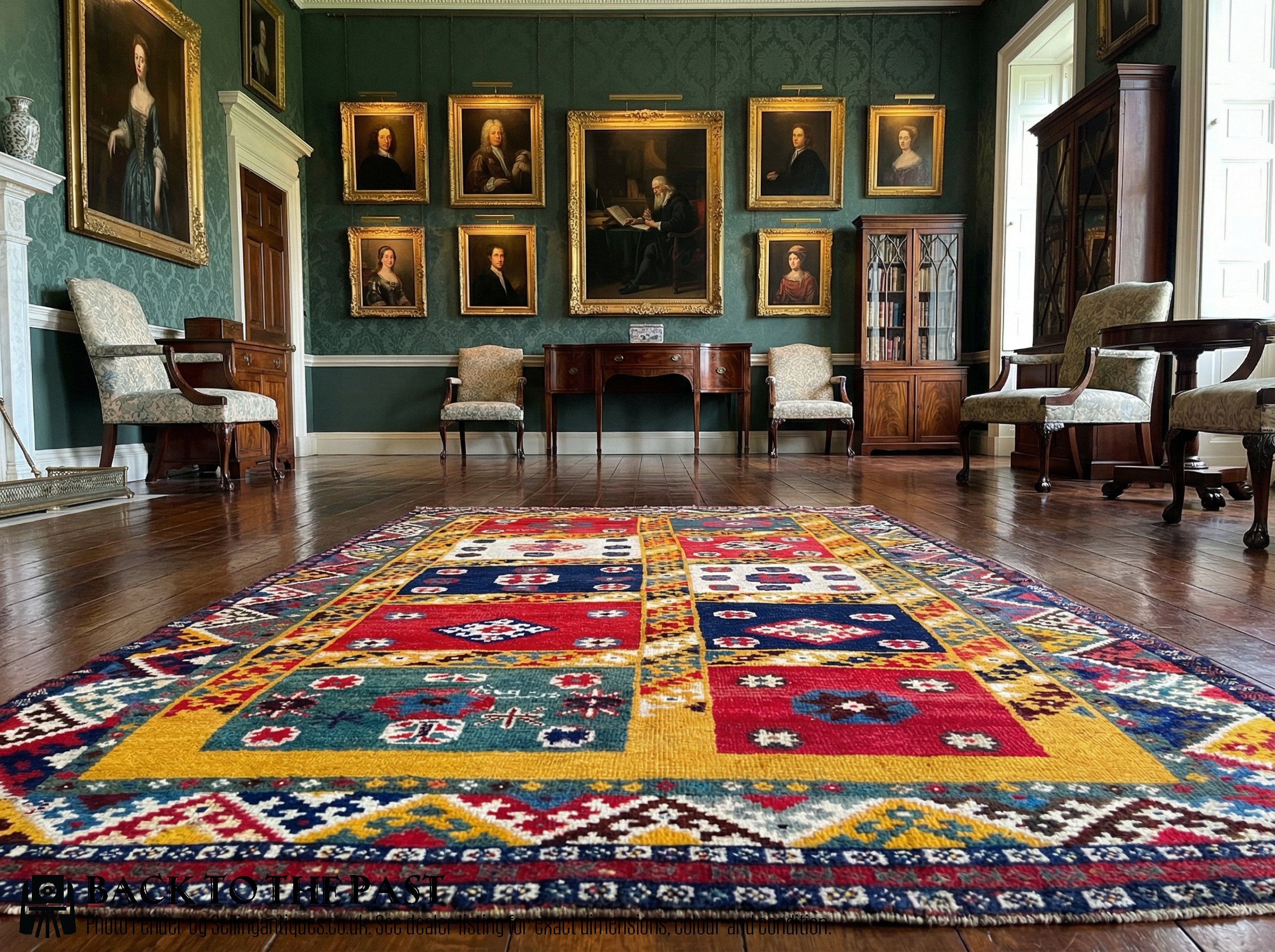
Vintage Area Carpet
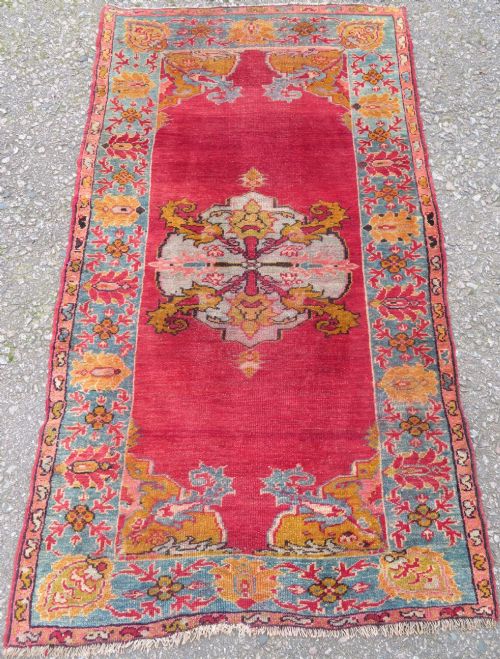
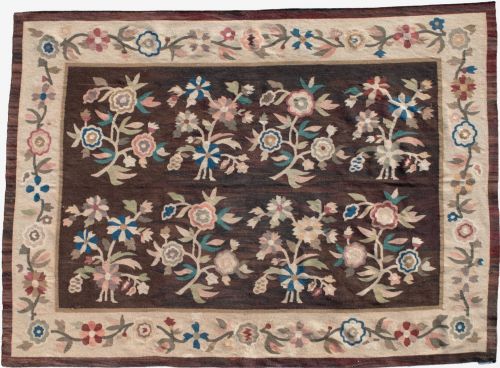
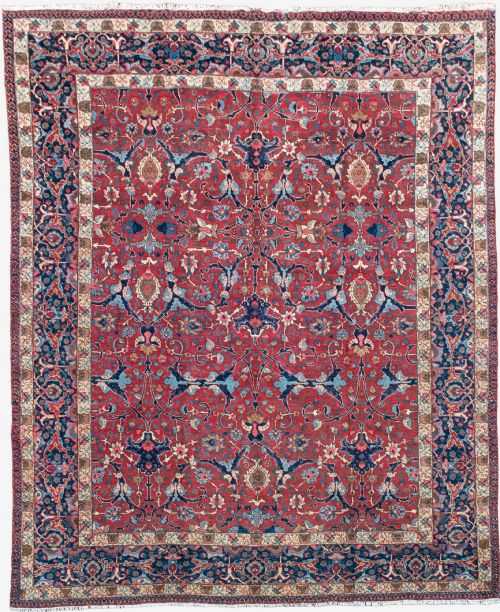
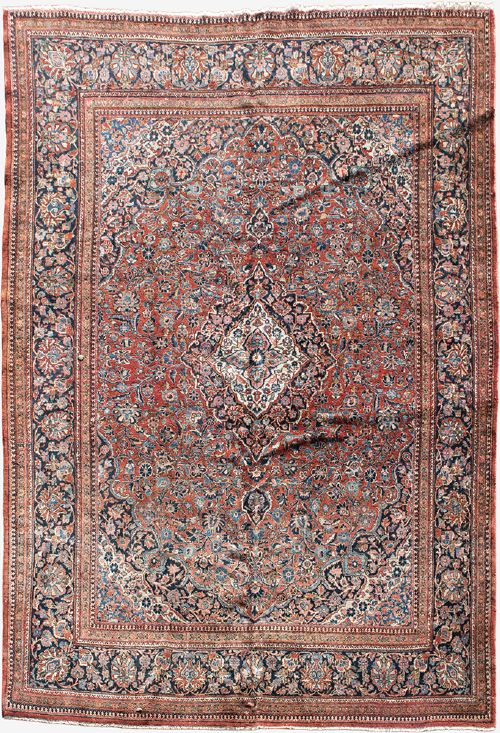
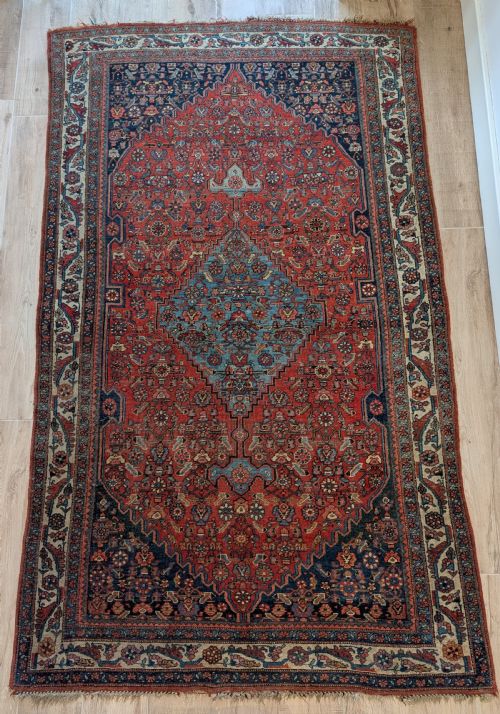
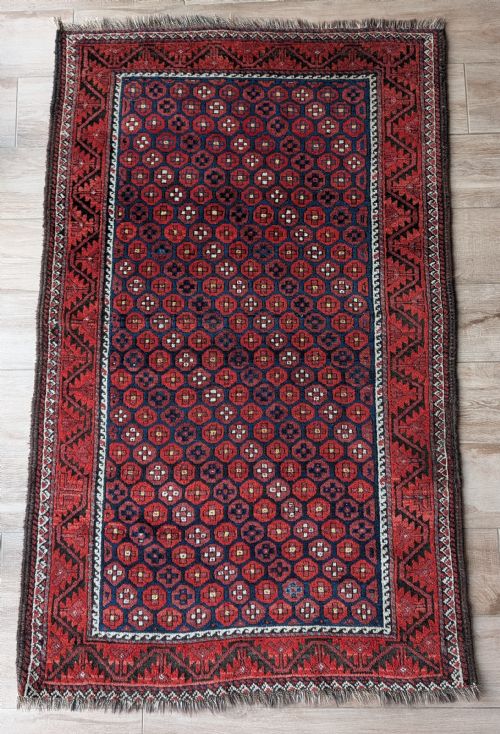
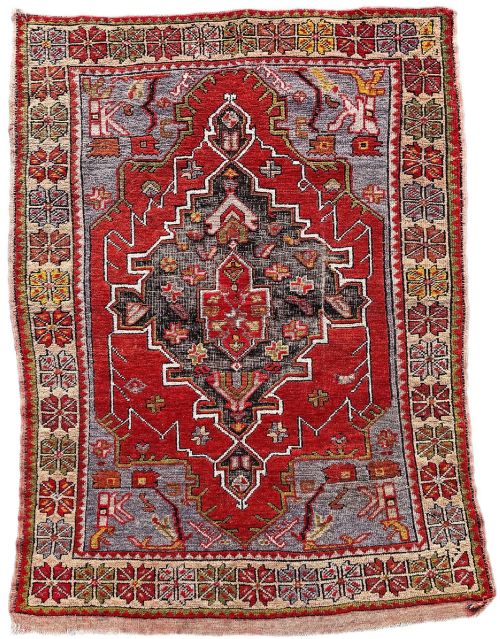
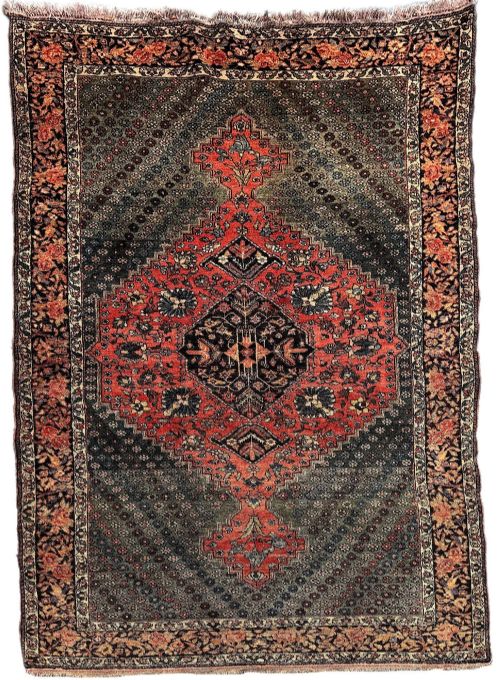
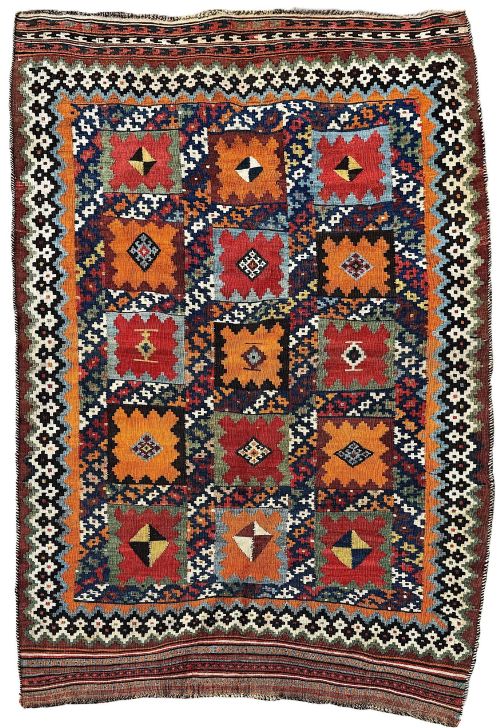
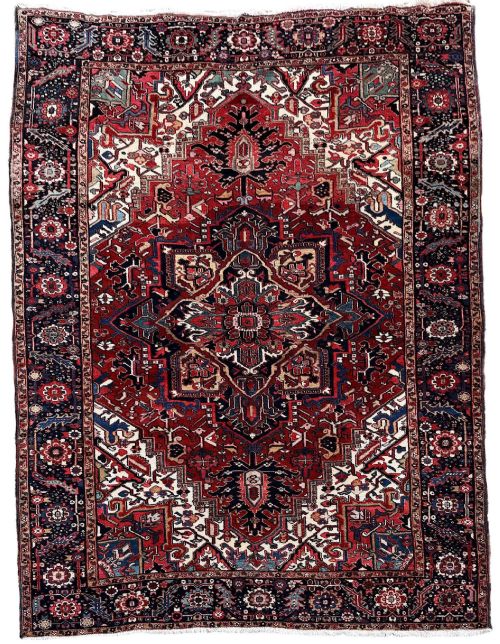
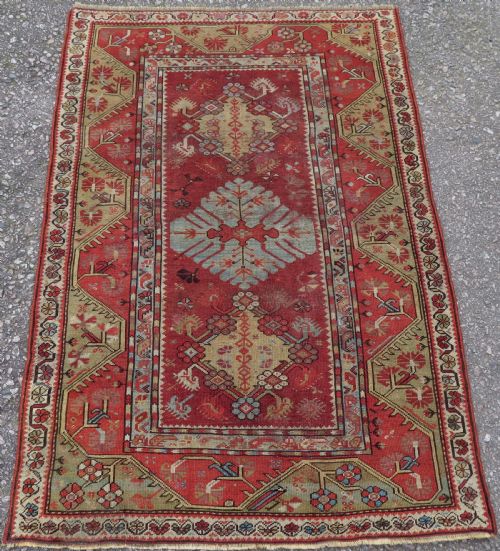
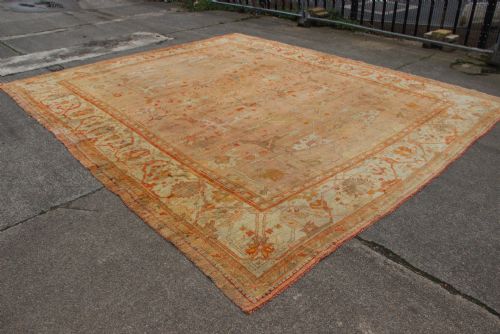
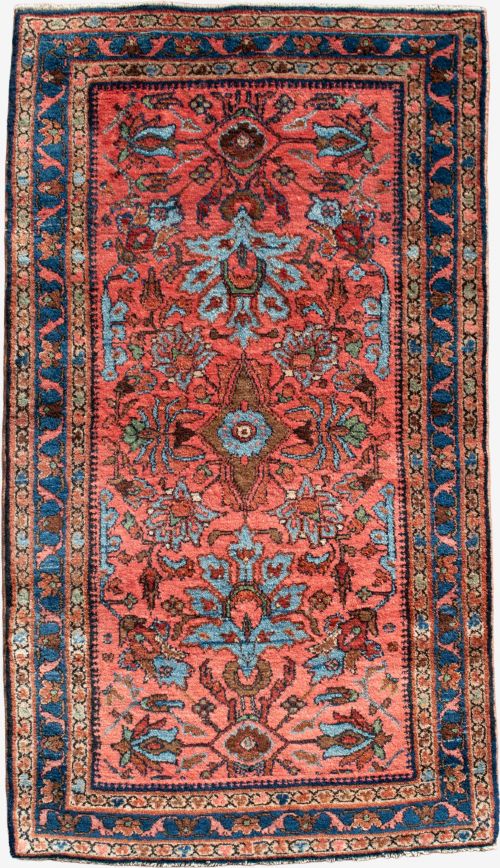
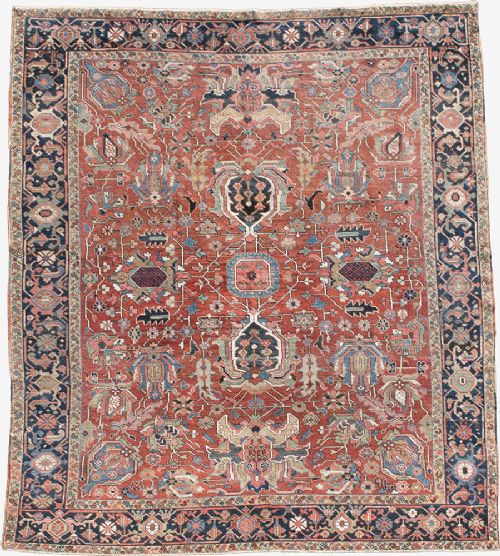
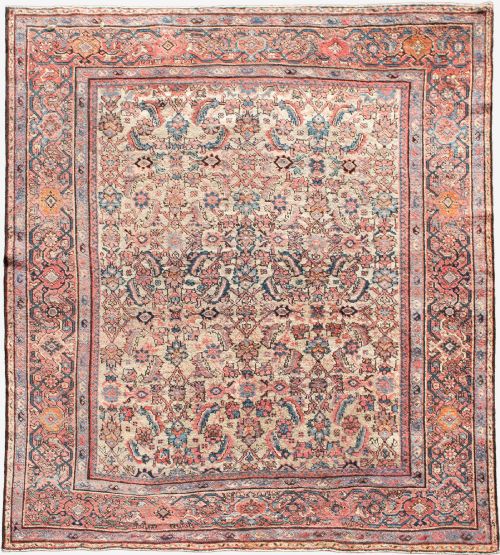
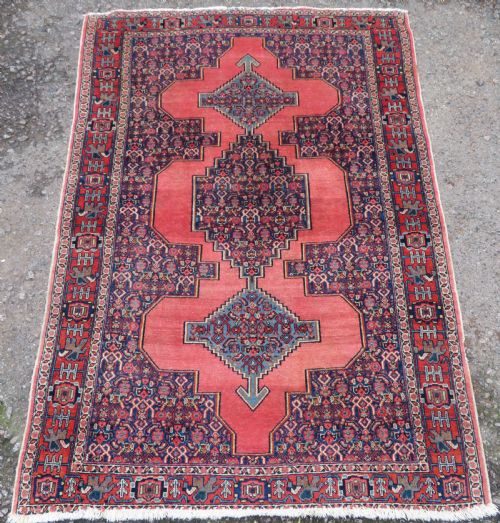
A vintage area carpet anchors a room with traditional woven artistry, originating from diverse regions across Persia, the Caucasus, Central Asia, and Tibet. These floor coverings arrive in various forms, including large format carpets, smaller hearth rugs, long runner rugs, and specialised prayer rugs. Pieces commonly date from the late nineteenth century through to the early decades of the twentieth century, capturing distinct regional aesthetics.
Persian village and city workshops represent a significant portion of these textiles, alongside robust tribal pieces from Turkmen, Caucasian, and Afghan weavers. Buyers frequently encounter formats ranging from compact scatter sizes to room-sized carpets measuring several metres in length. Each specimen reflects the specific weaving heritage and palette of its origin, whether an intricate Tabriz, a geometric Kazak, or a muted Oushak.
Materials and construction methods
Makers utilised natural materials, predominantly wool, cotton foundations, and occasional silk highlights. Hand-spun wool provides the durable pile central to these textiles, while cotton often forms the warp and weft threads that structure the flat foundations.
Weavers employed natural dyes to achieve rich colour palettes, ranging from deep rusts and indigos to mellow earth tones. Hand-knotted and hand-woven techniques ensure the structural integrity of each piece, requiring months of skilled labour by individual artisans or village communities.
Vintage Area Carpet Retail Price Guide 2026
Typical asking prices for vintage area carpet among the pieces listed under this phrase on Sellingantiques today, from the lower quarter to the upper quarter. They describe what is for sale here now, not the wider market.
Some runners retain the slight wobble of a village loom where the weaver simply adjusted the width to fit the room.
Understanding quality differences
Quality in these textiles stems from the density of the knotting and the precision of the geometric or floral design execution. Finer knots allow for sharper pattern definition and greater intricacy in traditional medallion or field layouts.
The choice of materials also dictates overall standard, particularly the purity and lustre of the wool and the complexity of the natural dye palette. Superior examples maintain balanced proportions, harmonious colour fading, and structurally sound foundations across the entire field.
The Vintage Area Carpet Glossary
- Pile
- The vertical tufts of wool, cotton, or silk that form the soft upper surface of the carpet. This layer absorbs foot traffic and displays the woven design.
- Warp
- The longitudinal threads stretched tightly on the loom before weaving begins. These parallel strings carry the weight and form the structural foundation of the carpet.
- Weft
- The horizontal threads passed alternately over and under the warp strings between rows of knots. This binds the structure together and secures the pile.
- Kilim
- A flat-woven carpet or rug produced without a raised pile. These textiles rely solely on interlocking warp and weft threads to create geometric patterns.
- Medallion
- A large central ornamental design motif placed in the middle of the carpet field. This focal point is common in traditional Persian weaving.
Vintage Area Carpet: Frequently Asked Questions
How do I clean a vintage carpet?
Gentle surface vacuuming without a rotating brush roll helps remove embedded dust and grit from the wool fibres.
Professional specialist washing remains essential for deeper cleaning to protect natural dyes and delicate foundations.
Where were these carpets made?
Origin locations span traditional weaving centres and nomadic regions across Persia, the Caucasus, Turkey, Turkmenistan, Afghanistan, and Tibet.
Each geographic area developed distinct tribal or workshop styles, knotting techniques, and local colour palettes.
Are these carpets suitable for heavy foot traffic?
Hand-knotted wool construction provides high durability and natural resilience against daily wear in residential settings.
Using a quality underlay helps absorb impact and prevents slipping on hard floors.
How can I tell tribal carpets apart?
Tribal pieces usually feature bold geometric patterns, chunky border systems, and highly saturated colour schemes unique to specific groups.
City carpets tend towards refined curvilinear floral motifs, intricate medallions, and finely detailed borders.