
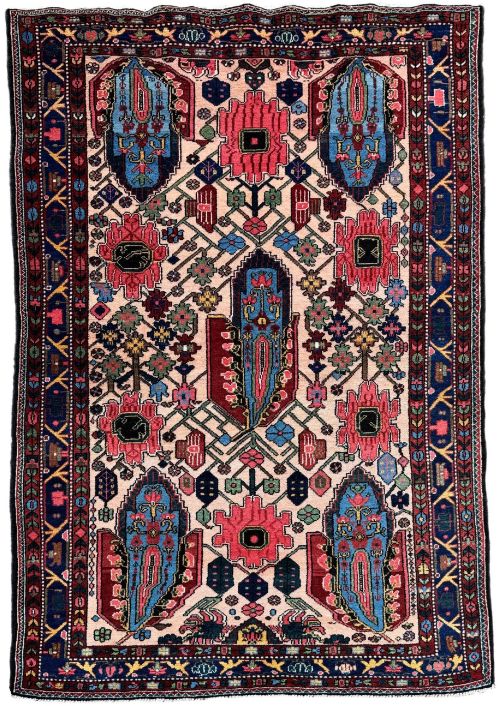
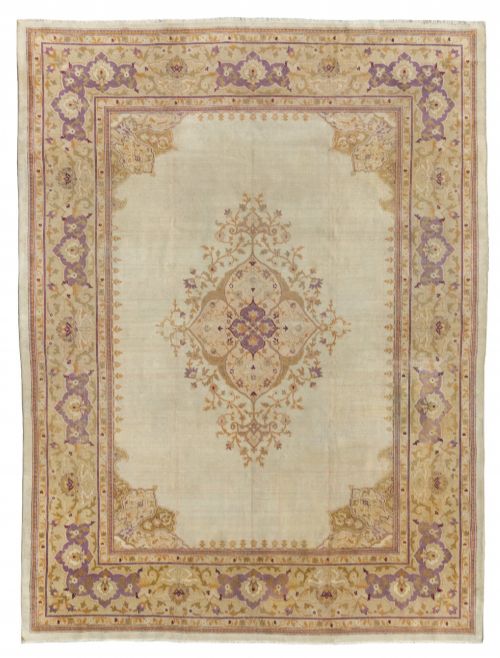
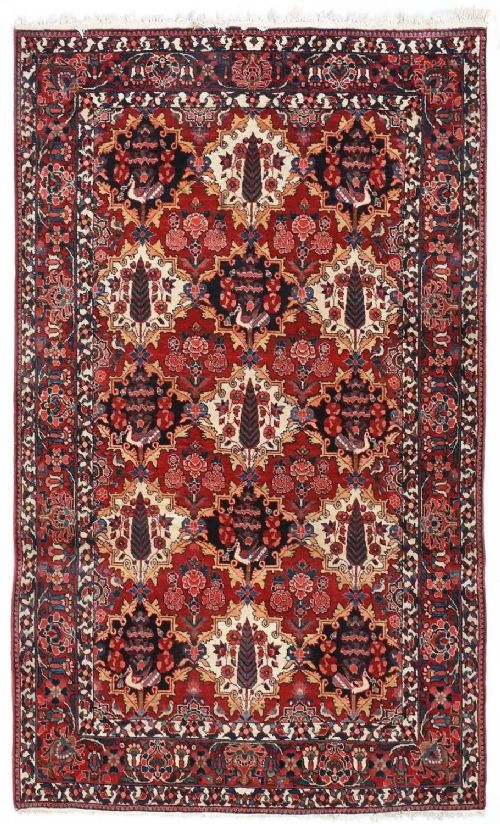


Decorative Floor Carpet
A decorative floor carpet grounds a room with traditional woven pattern, offering enduring substance underfoot.
Decorative Floor Carpet
A decorative floor carpet brings historic textile artistry into domestic spaces, drawing from Persian, Turkish, and wider regional traditions. The selection spans the latter half of the nineteenth century through to the early decades of the twentieth century.
Buyers meet large room-size carpets alongside smaller formats such as kelleh rugs and flat-woven kilims. Traditional regional designs dominate, including Heriz, Ushak, Mahal, and Ziegler styles.
The objects function as heavy floor coverings, produced in various dimensions from compact scatter sizes up to expansive oversizes. Origins range across Persian workshops, Turkish centres, and North Indian looms.
What varies in quality
Quality rests upon the fineness of the weave and the integrity of the materials employed. Tightly packed knots create a crisper rendering of traditional motifs and ensure better resilience against heavy foot traffic.
The depth and harmony of the palette signal superior manufacture, reflecting skill in dye preparation. Well-balanced proportions within medallion or all-over field patterns separate standard productions from finer workshop pieces.
Listings feature traditional styles including Persian, Ottoman, and North Indian, spanning production dates from eighteen-fifty through to nineteen-thirty.
The Decorative Floor Carpet Glossary
- Kilim
- A flat-woven carpet or rug produced without a pile. These pieces rely on interlocking weft threads to form geometric patterns.
- Kelleh
- A long, narrow format of carpet traditionally suited to narrow room proportions or hallways. This shape frequently displays tribal or village design characteristics.
- Pile
- The raised surface of a carpet formed by the cut or uncut ends of knotted yarn. Height and density determine the physical texture underfoot.
- Warp
- The vertical threads stretched lengthwise on a loom that form the structural foundation of the textile. Weft threads pass across these to secure the weave.
- Medallion
- A large, central ornamental motif placed in the middle of the carpet field. It serves as the primary focal point of the design scheme.
Decorative Floor Carpet: Frequently Asked Questions
How do I choose the right size carpet?
Measure the room dimensions carefully, leaving an appropriate margin of exposed floor around the perimeter. Larger room formats anchor principal living spaces, while smaller rugs suit secondary seating areas.
Consider furniture placement to ensure the piece sits correctly beneath tables or seating arrangements without awkward overlaps.
Where should I place a antique carpet?
These textiles perform well in low-to-moderate traffic reception rooms where their historic character can be appreciated. Avoid placing delicate or lighter weaves in areas prone to excessive moisture or heavy soil.
Use an appropriate underlay to protect the foundation fibres from friction against hard wooden or stone flooring.
How do I care for a woven carpet?
Vacuum gently using a suction-only attachment without a rotating beater bar to prevent snagging the wool pile. Rotate the piece periodically to ensure even exposure to foot traffic and natural light.
Address spills immediately by blotting with a clean cloth rather than rubbing, and consult a specialist textile conservator for thorough cleaning.
How can I tell different regional styles apart?
Examine the palette, border arrangement, and structural motifs for regional characteristics. Persian Heriz pieces often feature bold geometric medallions, whereas Ushak carpets lean towards softer floral treatments and expansive scales.
Tribal pieces like Luri or Qashqai work typically display more spontaneous field arrangements and denser geometric symbolism than urban workshop examples.