


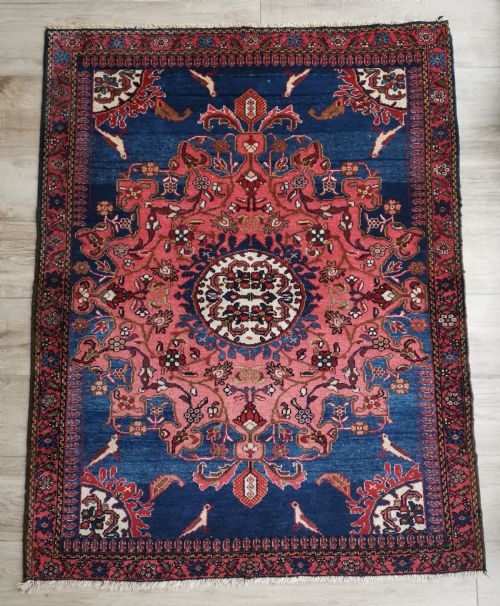


Floral Motif Persian Rug
A floral motif persian rug brings centuries of woven artistry into a room, offering intricate botanical designs and rich historical character.
Floral Motif Persian Rug
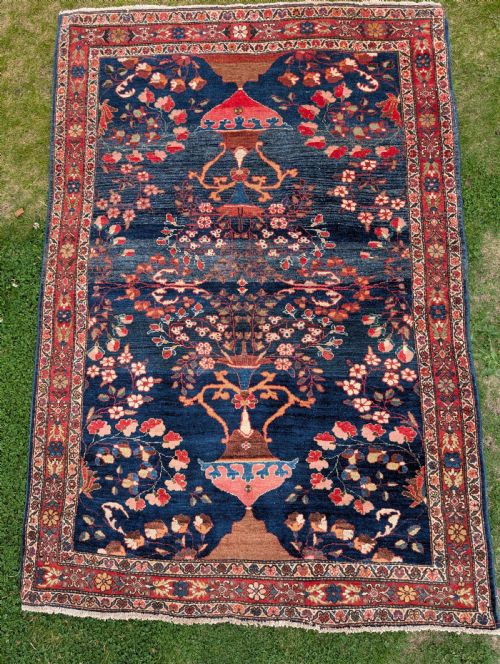
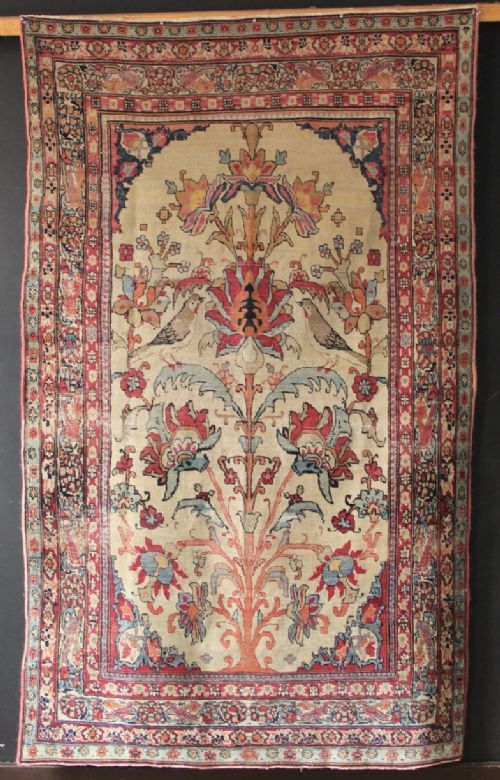
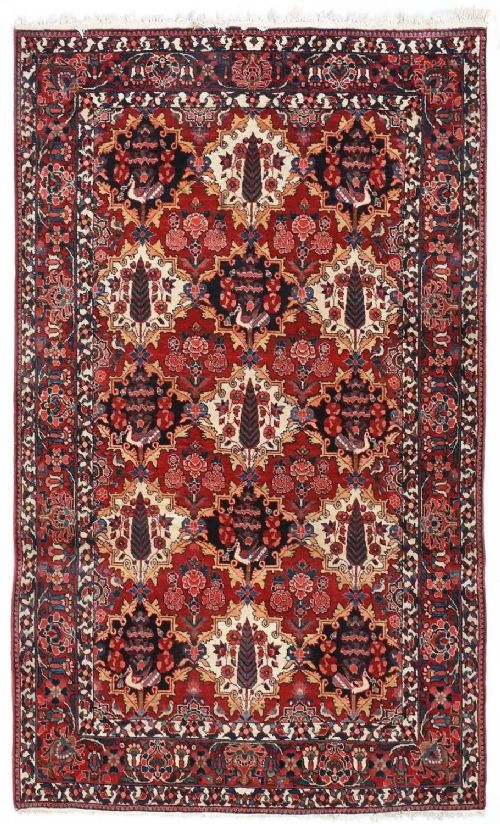
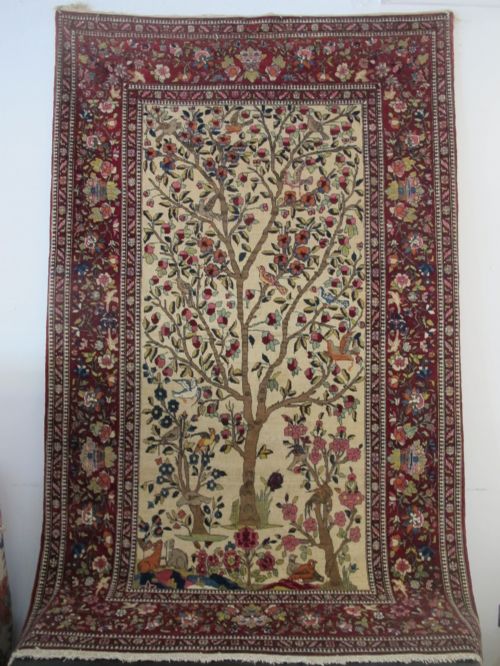
A floral motif persian rug encompasses hand-knotted floor coverings originating from various regions across Persia, spanning the nineteenth and early twentieth centuries. These pieces display distinct regional characteristics, ranging from the structured garden compartments of Bakhtiari examples to the refined medallions of Kashan and Isfahan productions.
Regional workshops such as Kirman, Ziegler, Sultanabad, and Malayer contribute specific aesthetic qualities to the selection. Each piece demonstrates the traditional weaving methods and botanical iconography characteristic of its particular Persian origin.
Materials and construction
The construction of these floor coverings relies primarily on natural materials such as wool, cotton, and occasionally silk. Weavers utilised wool for the pile to ensure durability and depth of colour, whilst cotton commonly provided a stable foundation for the warp and weft threads.
Traditional hand-knotting techniques governed the creation of each carpet, allowing artisans to execute complex curved floral patterns and detailed borders. The combination of resilient textile fibres and careful manual execution accounts for the longevity observed in these nineteenth and early twentieth-century examples.
Current listings feature Persian rugs and carpets spanning the nineteenth century through the nineteen-thirties, executed in wool, cotton, and silk.
Assessing quality and execution
The standard of a woven piece depends heavily on the density of the knotting and the precision with which the botanical patterns are executed. Finer examples display meticulous rendering of intricate floral details and harmonious colour palettes across the field and borders.
The choice of materials also influences the overall standing of an example, with superior grades of wool and the inclusion of silk adding tactile refinement and visual depth. Larger formats, such as oversized carpets and extensive room carpets, require exceptional technical skill to maintain structural integrity and balanced design proportions.
Mohtasham Kashan·Ahmadi Isfahan
The Floral Motif Persian Rug Glossary
- Boteh
- A traditional almond-shaped or paisley motif representing a floral shoot, cypress tree, or flame. This recurring element appears frequently in field designs and borders across various regional rugs.
- Warp
- The vertical foundation threads stretched lengthwise on the loom before knotting begins. Cotton is the predominant material used for these structural elements in the listed carpets.
- Weft
- The horizontal threads passed alternately over and under the warp threads to secure the rows of knots. This component contributes to the structural firmness of the woven textile.
- Pile
- The upright cut ends of the knotted yarn that form the usable surface of the rug. Wool and silk supply the tactile texture and visual lustre of this upper layer.
- Medallion
- A symmetrical ornamental design centred in the middle of the rug field. Many classic Persian weaving traditions utilise this central focal point surrounded by floral arrangements.
Floral Motif Persian Rug: Frequently Asked Questions
What defines a floral motif persian rug?
These textiles are traditional hand-knotted floor coverings from Persia that feature botanical patterns, flowers, and vines. They originate from distinct weaving centres and periods spanning the nineteenth and early twentieth centuries.
Each region developed its own interpretation of botanical design, resulting in diverse compositions ranging from all-over repeat patterns to grand central medallions.
How do I care for an antique rug?
Maintenance requires gentle vacuuming without a beater bar and professional cleaning by specialists experienced in antique textiles. Protecting the piece from direct, prolonged sunlight preserves the natural dyes.
Rotating the carpet periodically ensures even wear in high-traffic areas and maintains the balance of the wool pile over time.
Where were these carpets made?
The pieces originate from historic Persian weaving towns and regions such as Kashan, Kirman, Isfahan, Sultanabad, and Malayer. Each area utilised local materials and distinct stylistic traditions.
Workshops in these locations produced specific types of floor coverings that collectors now identify by their unique structural and decorative traits.
How can I tell different regional styles apart?
Distinctions rely on examining the specific floral patterns, border arrangements, colour combinations, and structural foundations. For instance, Bakhtiari pieces often display compartment designs, whilst Kirman rugs frequently feature detailed floral sprays.
Comparing the knot density and the choice of wool or cotton foundation also helps identify the specific Persian provenance of an antique carpet.