
Vintage Architectural Artwork
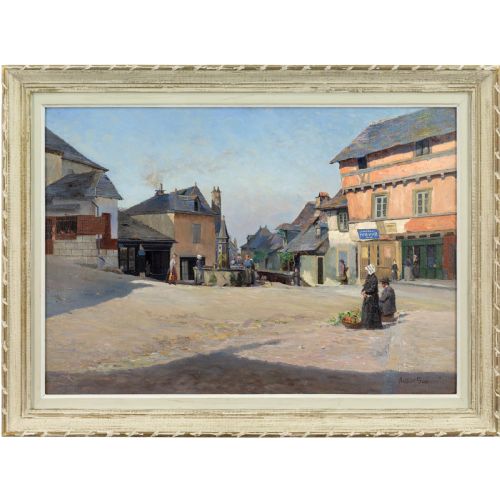
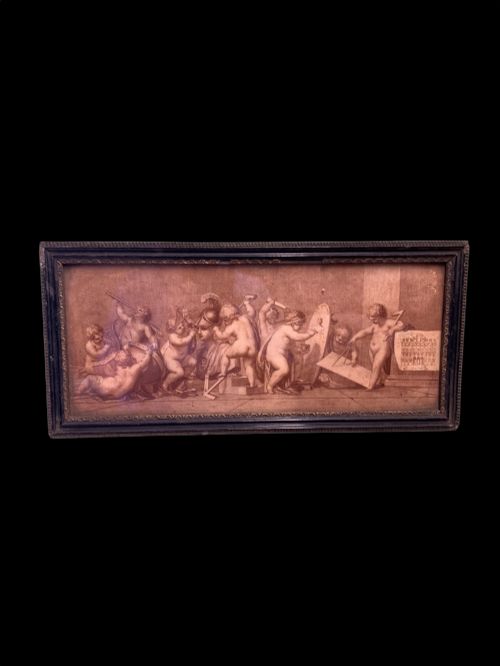
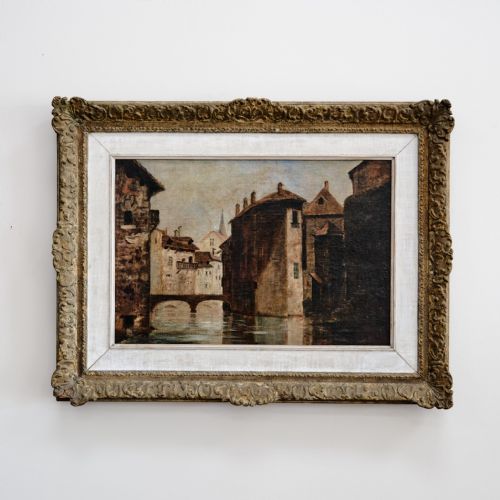
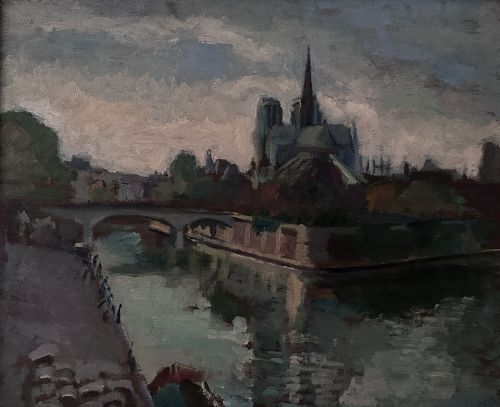
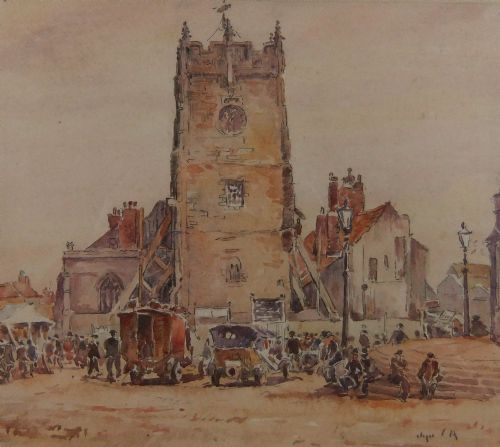
These vintage architectural artwork pieces capture buildings and cityscapes through various paintings, watercolours, prints and drawings spanning multiple centuries.
Vintage Architectural Artwork
Vintage architectural artwork encompasses depictions of buildings, city squares, street scenes, and grand monuments. When searching this phrase, a buyer encounters framed watercolours, oil paintings on canvas or panel, and printed works capturing urban views and specific structures.
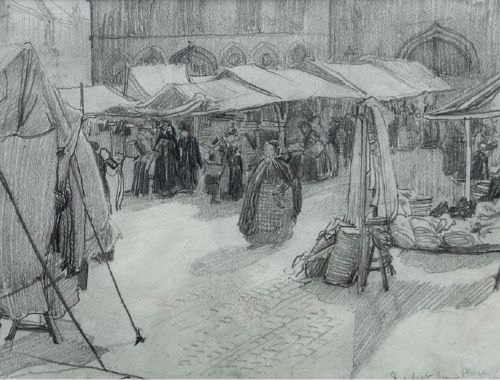
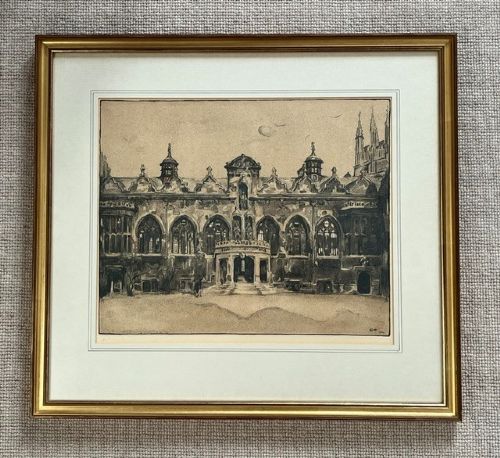
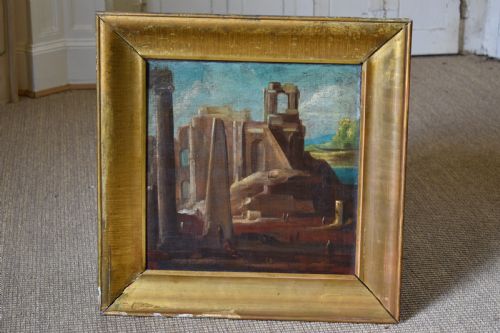
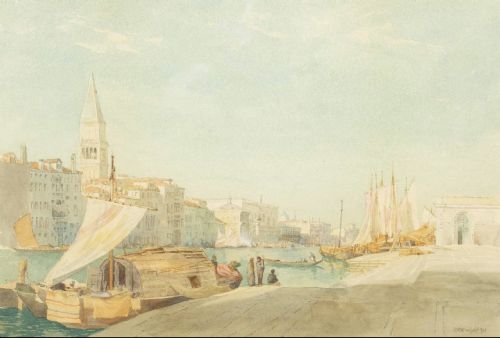
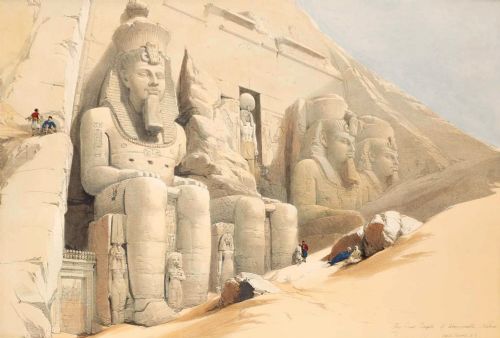
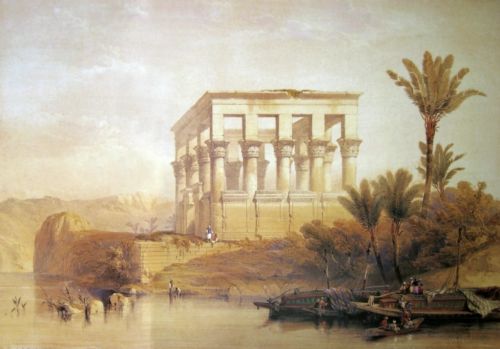
The selections span from the nineteenth century through the mid-twentieth century, recording sites from British colleges and French street scenes to Italian canals and Egyptian temples. Works often take the form of framed art, wall art, and detailed pencil or ink drawings.
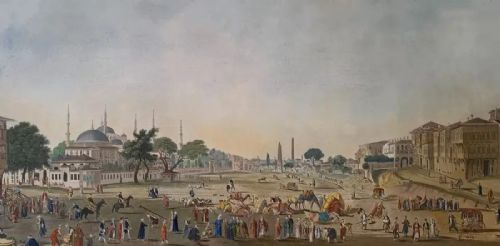
Most items reflect periods such as the Victorian era, early twentieth century, and mid-century modern movements. Subjects range from precise architectural studies to broader impressionist depictions of town halls, cathedrals, and market squares.
How they were made
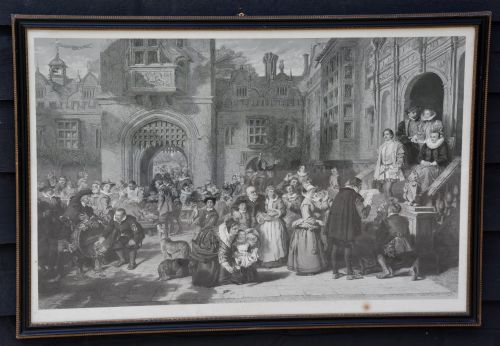
Artists created these works utilising oil paint, watercolour, ink, pencil, and charcoal on supports including paper, canvas, wood panels, and board. Printmaking techniques such as engraving and lithography produced multiple impressions of architectural views.
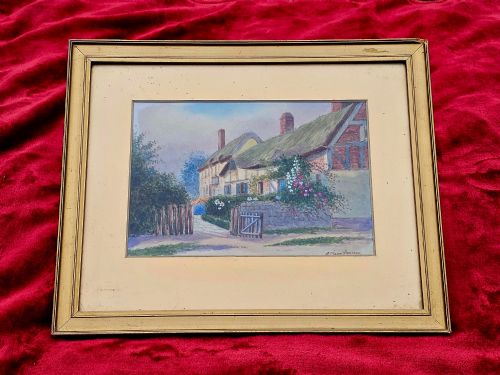
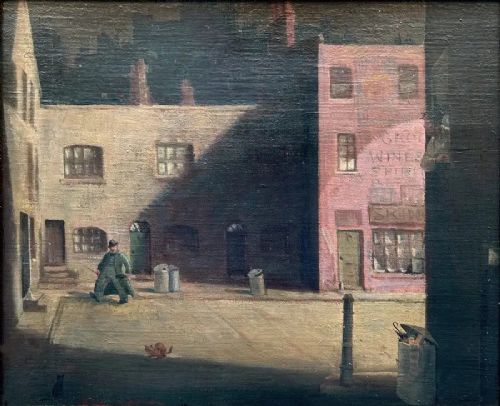
Many pieces display textured brushwork through impasto, while others rely on the transparent washes characteristic of traditional watercolour painting. Original frames, including Hogarth mouldings, frequently house these paper and canvas works.
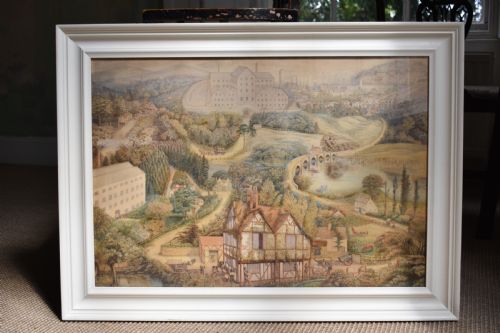
Even a quiet brewery tucked into a landscape manages to look monumental when rendered in nineteenth-century watercolour.
What varies in quality
Quality rests in the precision of the perspective, the handling of light within the urban landscape, and the artist's ability to render structural detail with conviction. Works executed by named artists or exhibiting strong post-impressionist and early twentieth-century stylistic control command greater attention.
The integrity of the medium also distinguishes the range, from finely preserved watercolours on paper to robust oil paintings on canvas and panel. Frame selection plays a role, with original period frames adding appropriate context to the artwork.
Sir William Nicholson·David Roberts·Victor Gabriel Gilbert·Fred Lawson·Paul-Élie Gernez
The Vintage Architectural Artwork Glossary
- Lithography
- A planographic printing process utilising a smooth stone or metal plate to produce multiple impressions of an architectural print.
- Impasto
- A technique where paint is laid onto a canvas or panel in thick layers, creating a textured surface that stands out from the support.
- Watercolour
- A painting method where paint is made of pigments suspended in a water-based solution, typically applied to paper.
- Engraving
- A printmaking process involving the incision of a design onto a hard surface, traditionally metal, from which prints are pulled.
- Pietra dura
- An artistic technique using cut and fitted polished coloured stones to create geometric or figurative designs on a framed panel.
Vintage Architectural Artwork: Frequently Asked Questions
What periods do these architectural works cover?
The selection spans from the eighteenth and nineteenth centuries through the Victorian period and into the mid-twentieth century. Pieces reflect artistic movements ranging from neoclassical and Victorian styles to early twentieth-century and mid-century modern aesthetics.
Dates and stylistic markers within the titles and signatures help place each artwork within its specific historical and artistic context.
What media are used in these artworks?
Artists utilised oil paint on canvas and panel, watercolour, ink, pencil, and charcoal on paper. Printmaking forms such as engravings and lithographs also appear across the selection.
Support materials include wood, glass, canvas, and various grades of artist paper, often preserved within period frames.
How should I display framed artwork at home?
Position pieces away from direct sunlight to protect delicate watercolours, paper drawings, and oil paintings from fading. Ensure wall fixings match the weight of the frame, particularly for large oil paintings on canvas.
Allow adequate wall space around each piece to highlight the architectural subject matter and framing details.