
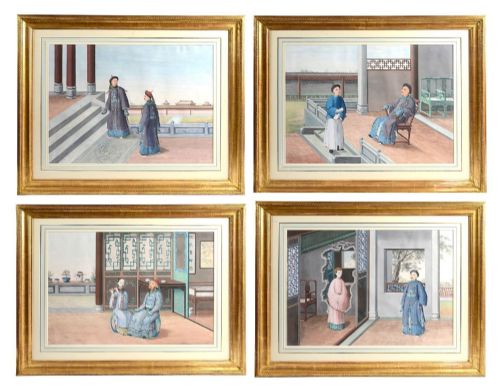
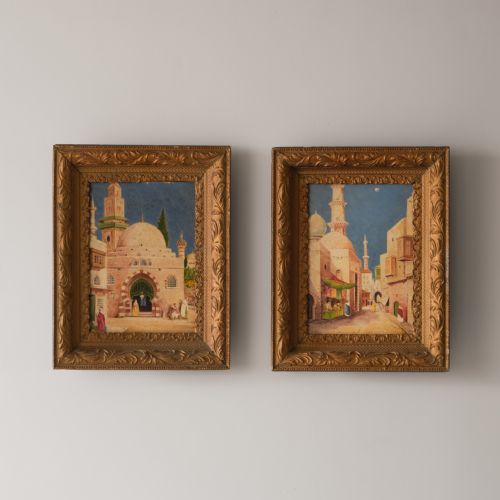
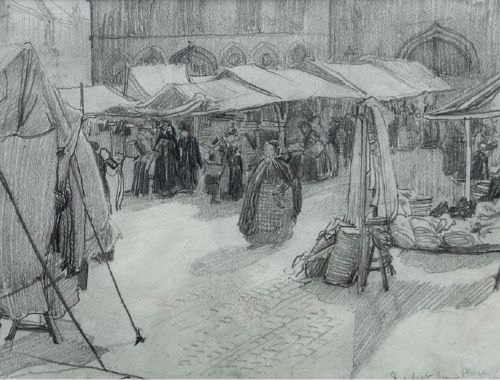

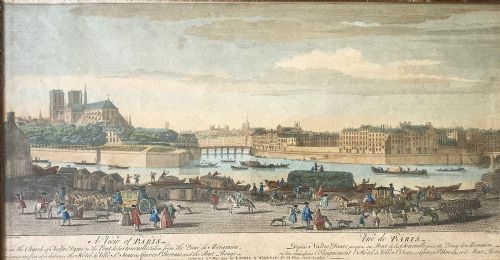
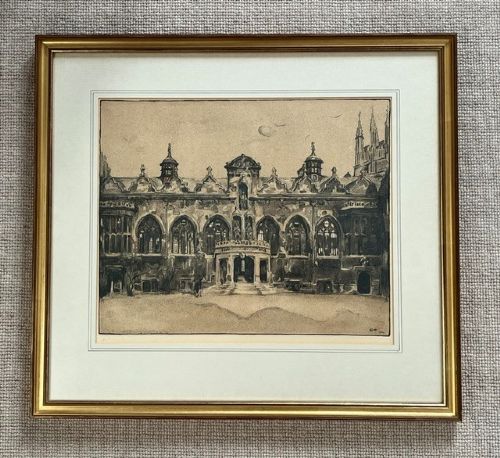
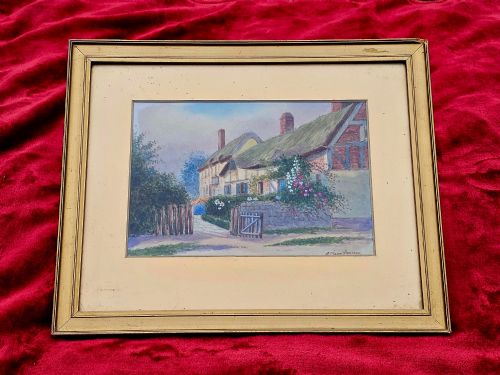
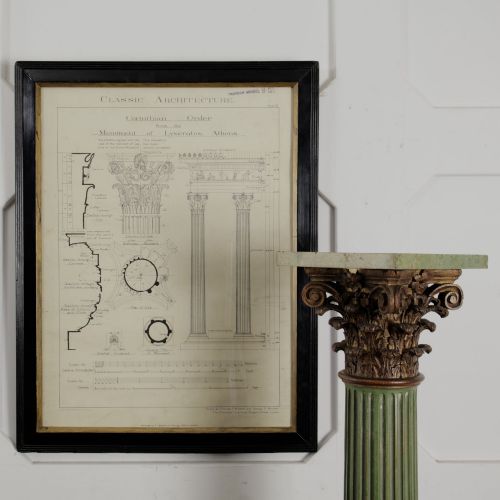
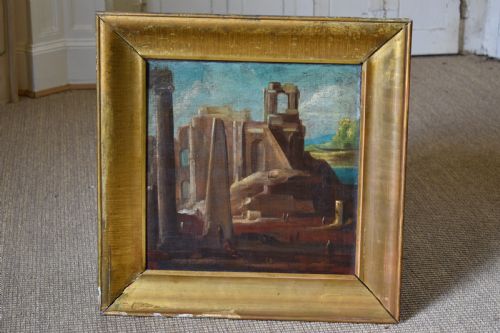
Framed Architectural Art
Framed architectural art captures buildings, streets and civic spaces across centuries of oil, watercolour, engraving and pencil.
Framed Architectural Art
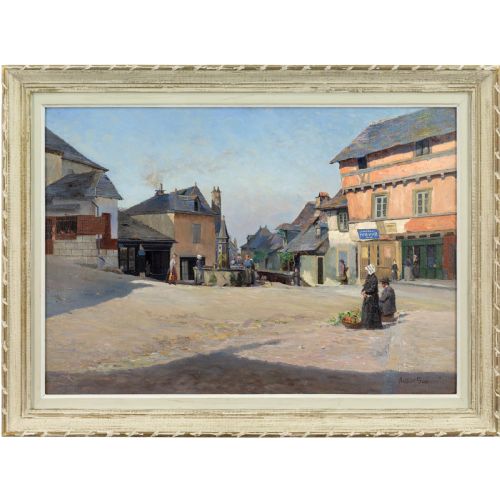
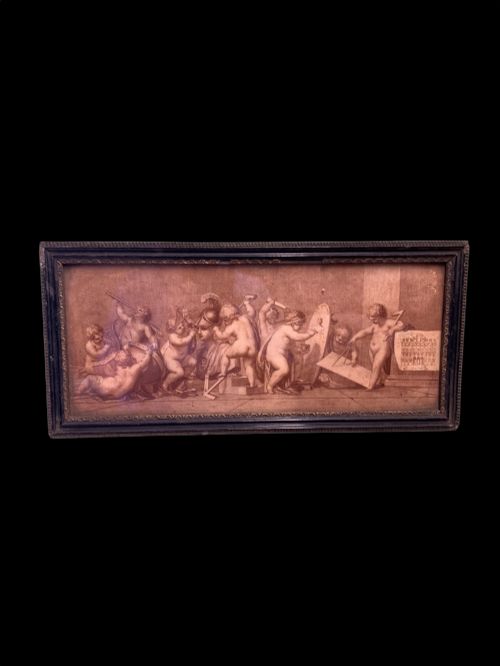
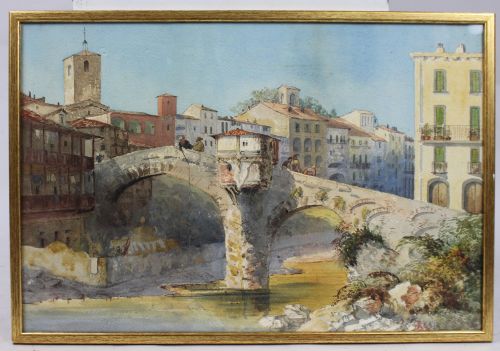
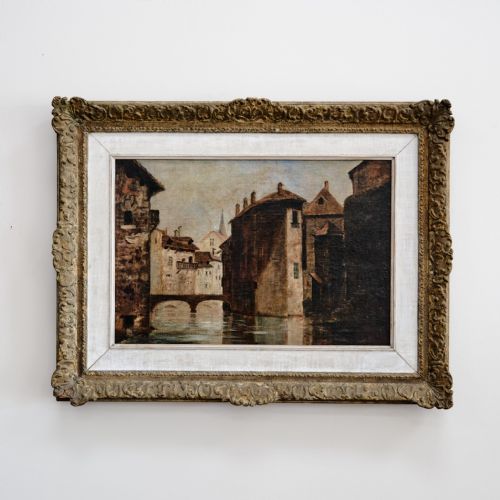
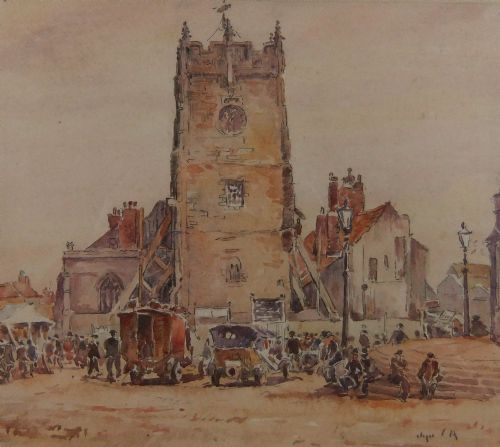
When you search for framed architectural art, you encounter depictions of urban landscapes, grand facades, street scenes and historic interiors rendered in various fine art media. These works range from precise engravings of city views to sweeping oil paintings of foreign canals and town squares.
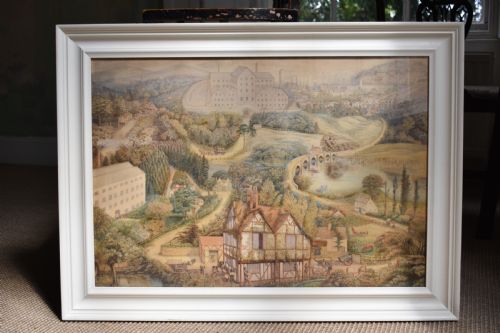
The pieces on this page span several periods, with 19th-century works and early 20th-century watercolours appearing frequently alongside Georgian, Edwardian and mid-century interpretations. Subjects vary from specific architectural plates and monastic ruins to bustling markets and European streetscapes.
Makers and artists represented include figures like David Roberts, Henry Percy Huggill and Sir William Nicholson, sitting alongside accomplished anonymous hands from various British and European schools. Formats stretch from intimate pencil drawings to large canvases and framed panels.
Materials and techniques
Artists working on framed architectural art utilised oil paint on canvas, board or panel, capturing light and shadow on stone structures and urban surfaces. Watercolours and inks on paper offered a lighter medium for detailed topographical studies and rapid on-the-spot sketches.
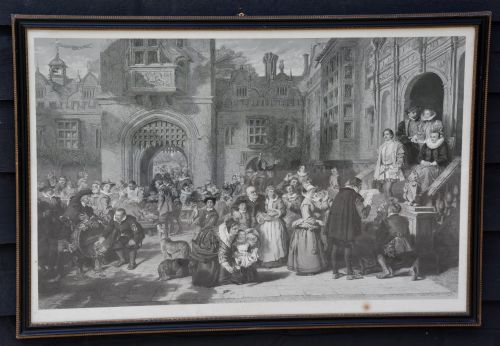
Printmakers employed engraving and lithography, sometimes adding original hand colouring to bring clarity to complex facades and town layouts. These works often survive in period enclosures such as Hogarth frames or maker-stamped wooden surrounds, using glass to protect delicate paper surfaces.
Listings combine 19th-century watercolours, Georgian engravings and mid-century abstract cityscapes under framed architectural art.
Assessing quality
The standard of framed architectural art rests on the precision of perspective, the handling of light on built forms and the sureness of the draughtsmanship. Stronger pieces convey the solidity of masonry and the atmosphere of a place with economy and authority, whereas weaker examples lose structural coherence.
The preservation of the medium, the vitality of the original pigments or ink, and the appropriateness of the framing contribute significantly to the standing of any individual piece. Works that retain their original period mounts and unblemished paper or canvas command greater attention from collectors.
Henry Percy Huggill·Sir William Nicholson·A. Marie Parsons·Arthur Gué·John Smith Atherton·David Roberts·Anton Ignaz Melling·Henri Charles Angéniol·Henry de Waroquier·Lilian Colbourn·Alexander Jamieson·Paul-Élie Gernez·Louis Haghe·Victor Gabriel Gilbert·Alfred George Morgan·Fred Lawson
The Framed Architectural Art Glossary
- Engraving
- A printmaking technique where an image is incised into a metal plate, holding ink to transfer fine, precise lines onto paper. This method was widely used for detailed architectural views and topographical plates.
- Lithography
- A planographic printing process based on the repulsion of oil and water, enabling artists to produce tonal and painterly reproductions. Many 19th-century architectural portfolios utilised this method.
- Watercolour
- A paint consisting of pigment suspended in a water-soluble vehicle, applied to paper to achieve translucent washes. It was the primary medium for artists recording buildings during travels.
- Hogarth frame
- A narrow wooden picture frame featuring a distinct profile and often a lined or mottled finish, popular for framing 18th-century and 19th-century works on paper.
Framed Architectural Art: Frequently Asked Questions
What periods do these pieces cover?
The listings span from the 18th century through the Georgian, Victorian, Edwardian and mid-century eras, extending into the 1950s and 1960s.
Works from the 19th century and early decades of the 20th century appear most frequently on this page.
How were these artworks displayed originally?
Many works were framed near the time of their creation, utilising period surrounds such as original Hogarth frames or maker-stamped wooden enclosures.
Some prints and drawings originated as plates within bound architectural folios before later being individually framed.
What subjects are most common?
Subjects focus heavily on human habitation and structure, including European cityscapes, Gothic churches, street markets, classical orders and foreign ruins.
Locations range from British academic institutions and Yorkshire landscapes to Venice, Paris, Constantinople and Cairo.
Which materials appear in these works?
Common media include oil on canvas, board or panel, alongside watercolours, ink drawings and pencil sketches on paper.
Printmaking techniques such as engravings and lithographs also feature prominently, sometimes enhanced with hand colouring.