




Vintage Apothecary Mortar
These vintage apothecary mortar vessels span centuries of utility, offering robust materials like bronze and stone for your kitchen or collection display.
Vintage Apothecary Mortar
A vintage apothecary mortar functions as a heavy grinding bowl, frequently accompanied by a matching pestle. When searching for a vintage apothecary mortar, buyers encounter items ranging from utilitarian kitchenware to chemist tools and trade signs.
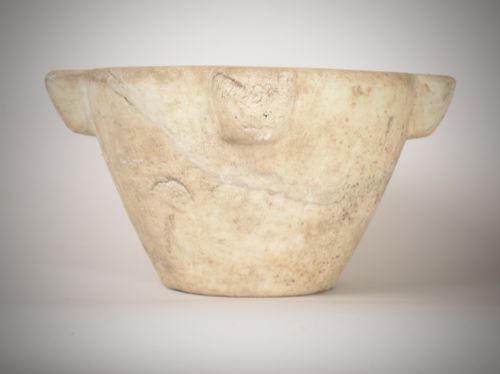
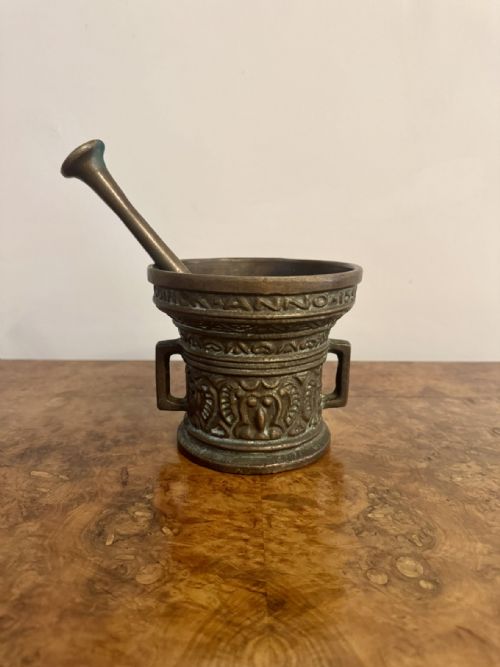
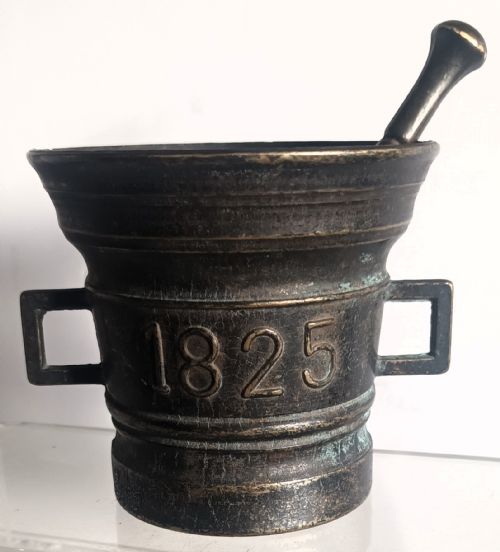
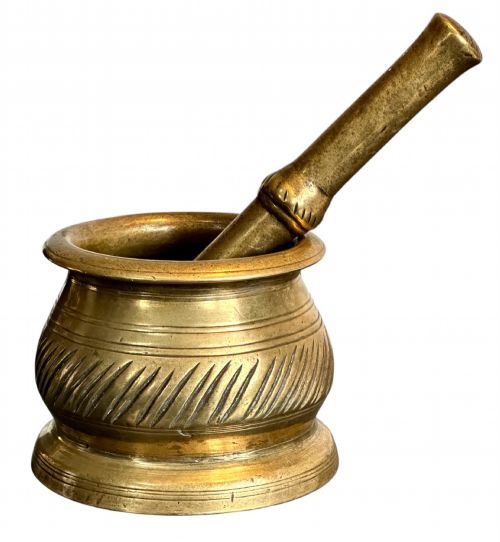
The selection on this page draws from multiple eras, featuring pieces originating from the seventeenth century through to the twentieth century. Bronze and brass examples from the Georgian and Victorian periods appear alongside robust stone and marble vessels.
Forms vary from compact domestic grinders to massive dye maker implements and French chateau kitchen items. Many listings combine the mortar and pestle into a single set, while others present turned treen or ceramic variations.
Materials and construction methods
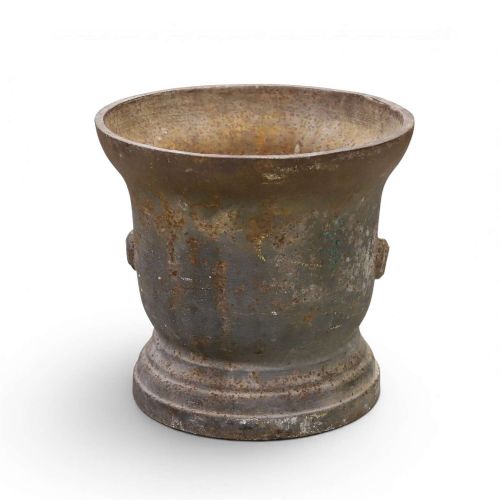
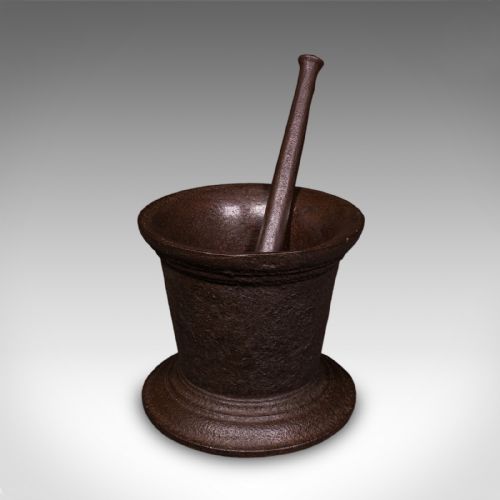
Metal vessels such as bronze and brass were cast in moulds, often displaying decorative ribs, fluting, or Gothic revival motifs on the exterior surface. Iron was utilised for heavy industrial tasks like dye making, resulting in substantial weight and utility.
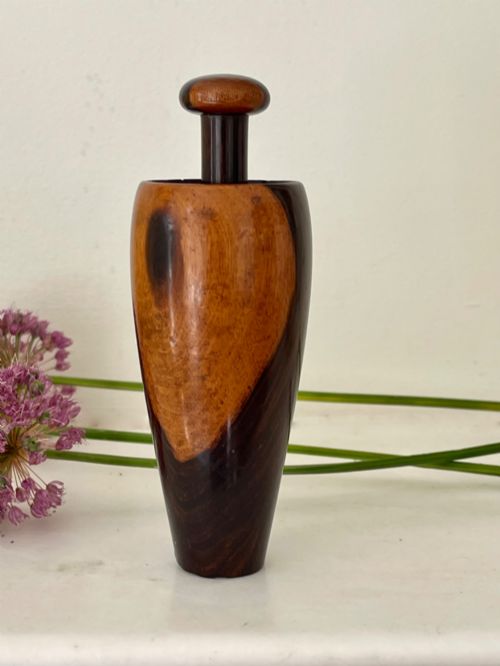
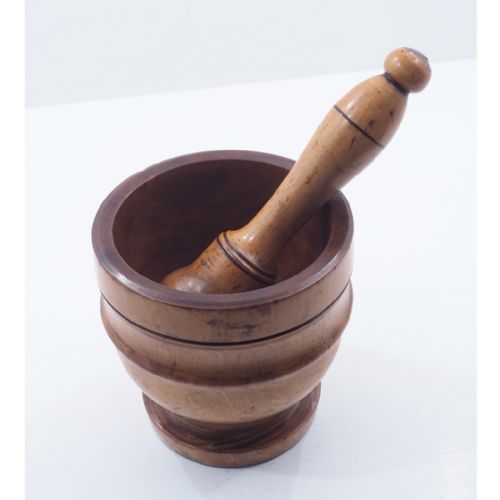
Wooden examples, including lignum vitae, olive wood, fruitwood, beech, and walnut, were shaped on a lathe to create turned treen bowls and matching pestles. Stone and marble mortars were carved from solid blocks to withstand rigorous daily grinding.
Ceramic variants provide a smoother internal basin suited for chemical preparation, while combinations of ceramic bowls and wooden handles reflect Edwardian production methods.
One extraordinary dye maker vessel weighs a massive one hundred and forty pounds.
Evaluating craftsmanship and condition
Quality rests in the integrity of the casting, the crispness of decorative mouldings, and the density of the chosen material. Heavy bronze and dense lignum vitae demonstrate superior durability compared to lighter alloys or softer woods.
Proportion and balance between the bowl and its pestle dictate historical authenticity and visual harmony. Pieces retaining their original matching pestle hold greater cohesion than mismatched pairs gathered later.
The Vintage Apothecary Mortar Glossary
- Mortar
- A heavy bowl used with a pestle for grinding substances down to a powder or paste. These vessels served apothecaries, chemists, and domestic kitchens alike.
- Pestle
- A heavy tool with a rounded end used for pounding and grinding materials inside a mortar. It mirrors the material of the bowl or utilises a contrasting wood.
- Treen
- Small handmade wooden household objects created by turning on a lathe. Examples in this category include fruitwood, walnut, and lignum vitae drinking or grinding vessels.
- Lignum vitae
- An extremely dense and heavy wood derived from trees in the genus Guaiacum. It resists splitting and was frequently turned into seventeenth-century mortars.
- Apothecary
- A historical practitioner who prepared and sold medicines and drugs to physicians and patients. Their trade tools form the basis of many surviving metal and ceramic vessels.
Vintage Apothecary Mortar: Frequently Asked Questions
What were mortars used for?
These vessels served to crush, grind, and mix dried herbs, chemicals, and medical ingredients into usable powders or pastes. Apothecaries and chemists relied on them daily for compounding prescriptions.
Domestic kitchens also employed them for preparing spices, seeds, and food ingredients prior to the widespread availability of mechanical grinders.
How do I date a bronze mortar?
Dating relies on stylistic clues such as rim profiles, exterior ribbing, and decorative motifs like Gothic revival or Renaissance patterns. Early seventeenth-century examples often feature simpler, heavier cast forms.
Maker marks, regional casting styles, and accompanying documentation help narrow down the decade of production for Georgian and Victorian pieces.
Are pestles always original to the mortar?
Many surviving sets retain their matching pestle, particularly in metal and turned wood categories where wear patterns align. However, because pestles were easily misplaced or broken during use, replacement pestles frequently accompany older bowls.
Checking the material density and wear marks on both pieces provides insight into whether they originated together.
How should I clean a metal mortar?
Bronze and brass items benefit from gentle dusting and occasional cleaning with appropriate non-abrasive metal care to preserve patination. Aggressive polishing removes historical surface oxidation valued by collectors.
Wooden treen and stone pieces require dry cleaning methods to prevent moisture damage to vulnerable historic surfaces.