






Vintage Apothecary Cabinet
A vintage apothecary cabinet brings utilitarian compartmentalisation and rich historical character into modern interiors through multi-drawer banks and apothecary chests.
Vintage Apothecary Cabinet
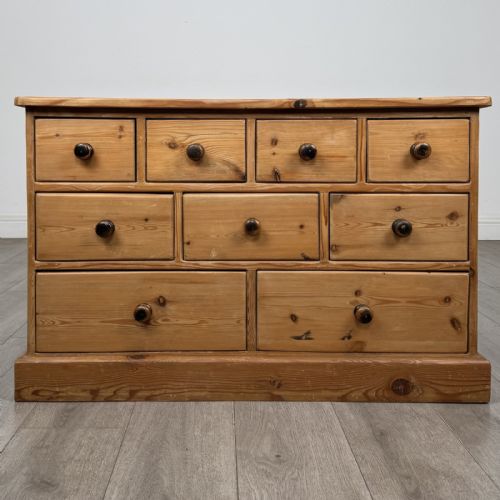
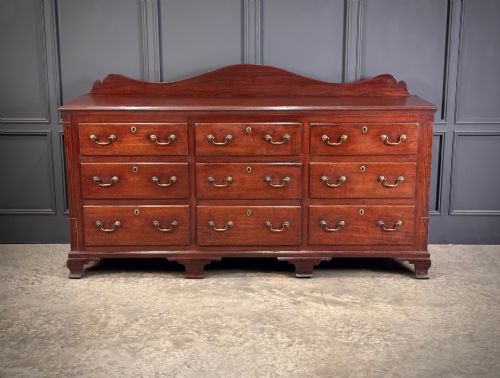
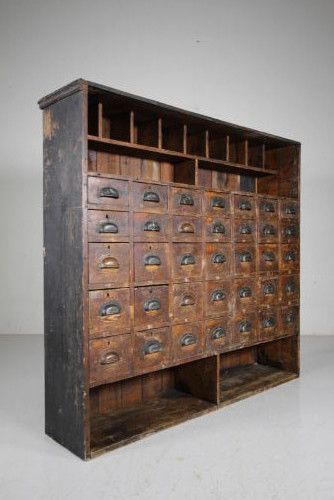
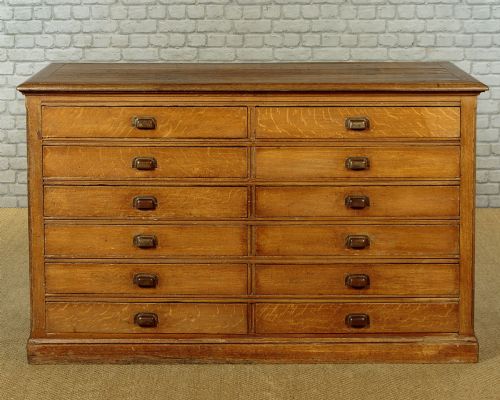
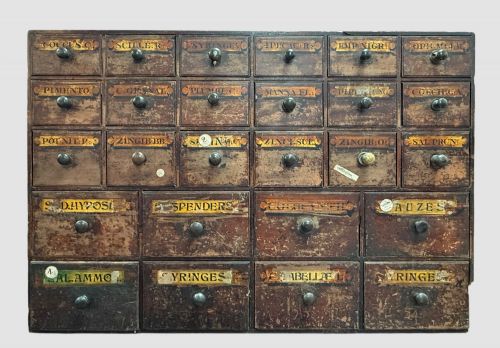
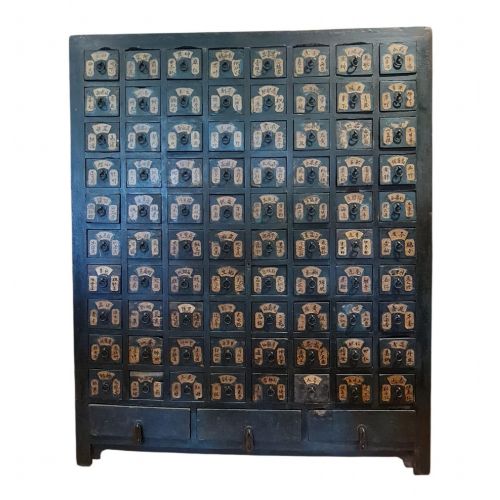
A vintage apothecary cabinet encompasses multi-drawer banks, chemist shop fittings, spice drawers, and collectors' cabinets originating from various periods including the 18th century, Victorian era, and early 20th century. Buyers looking for this phrase frequently encounter large banks of drawers, tall pine shop fittings, and compact medicinal chests with numerous small compartments.
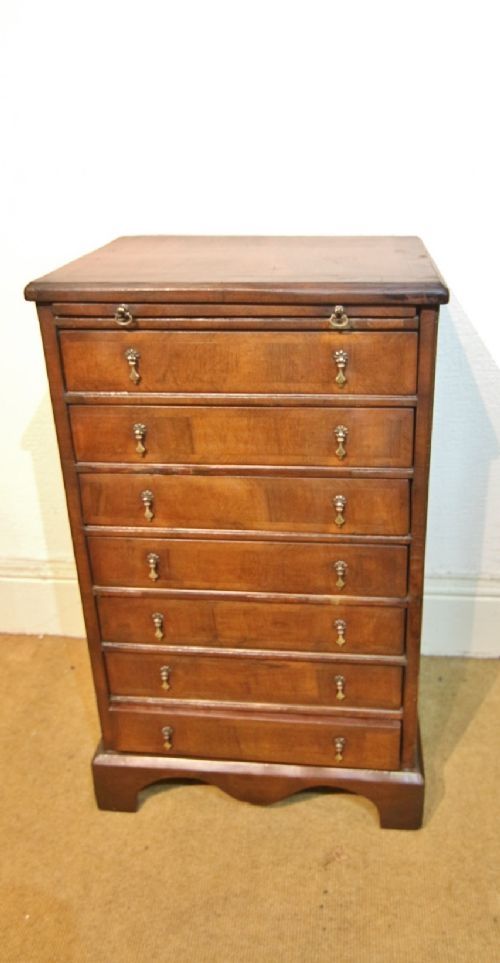
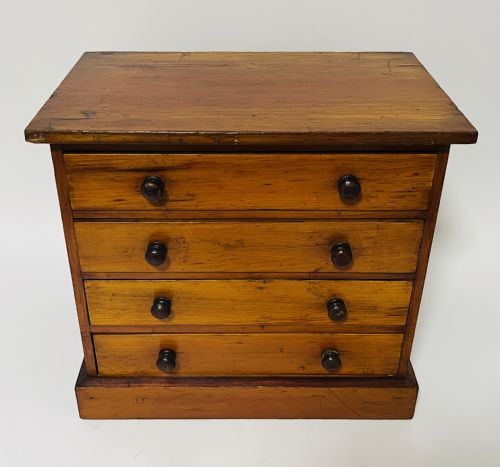
The objects stem from diverse regional traditions, ranging from English and Hungarian shop fittings to Chinese elm and Japanese apothecary chests. Forms vary from towering fifteen-door locker units and thirty-drawer pine carcasses down to tabletop Georgian mahogany boxes and fruitwood spice drawers.
Materials and Construction
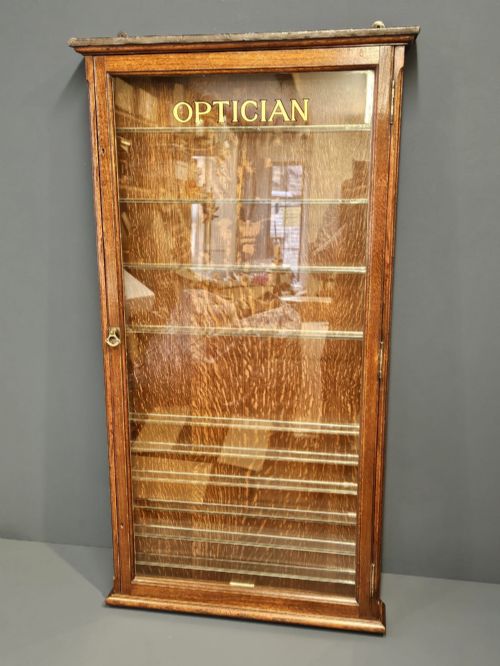
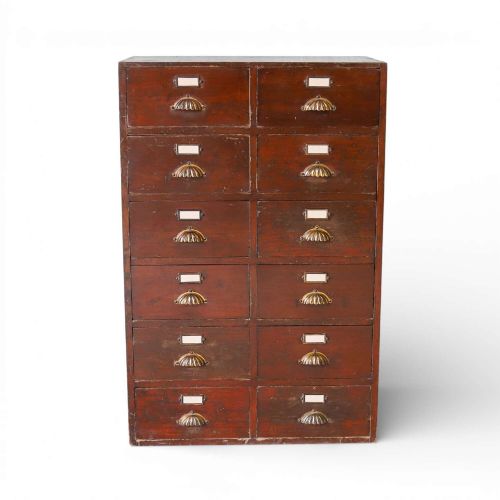
Construction relies heavily on robust timbers such as pine, mahogany, oak, walnut, deal, fruitwood, teak, and elm, often paired with secondary woods and iron or brass hardware. Cabinets frequently incorporate functional details like original shell pulls, metal label holders, and glass panels.
Joinery techniques serve the demanding storage requirements of pharmacies, merchants, and collectors, producing multi-tiered banks of drawers, wall cupboards, and specialised dentist or medical storage units. Surfaces appear in polished finishes, original paint schemes, or stained deal.
Vintage Apothecary Cabinet Retail Price Guide 2026
Typical asking prices for vintage apothecary cabinet among the pieces listed under this phrase on Sellingantiques today, from the lower quarter to the upper quarter. They describe what is for sale here now, not the wider market.
Cabinet forms include medical storage, spice drawers, seed chests, and microscope slide repositories.
Assessing Standard and Finish
Quality reveals itself in the integrity of the timber carcass, the uniformity of numerous small drawers, and the retention of original hardware such as brass pulls and iron label holders. Superior examples maintain uncompromised drawer runners and honest surfaces, whether finished in polished mahogany or retaining original painted coats.
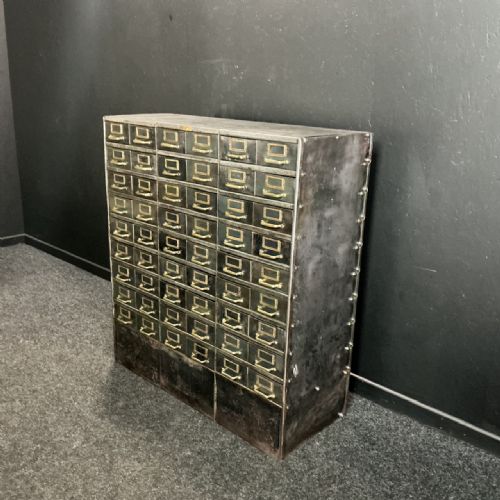
The presence of specialised internal configurations, maker provenance, or untouched shop fitting origins elevates certain cabinets above standard utility pieces. Finer specimens display harmonious proportions across large banks of twenty or fifty drawers without heavy structural replacement.
Edwards & Roberts·Luxmore's of Ilfracombe·D Napier & Sons
The Vintage Apothecary Cabinet Glossary
- Bank of Drawers
- A multi-tiered case piece containing numerous small drawers designed for systematic storage of dry goods, drugs, or specimens. These units form the core of many commercial shop fittings.
- Shop Fitting
- Heavy-duty commercial cabinetry built for late Victorian and early 20th-century retail premises, chemist shops, and apothecaries. They are characterised by robust pine carcasses and high drawer counts.
- Shell Pull
- A pressed metal or brass drawer handle shaped like a half-shell, frequently combined with a small frame to hold paper index labels. These fittings help identify the contents of individual apothecary drawers.
- Collectors Cabinet
- A specialised case piece featuring shallow drawers built to house natural history specimens, microscope slides, or coins. They often exhibit exceptional internal craftsmanship and secondary wood linings.
Vintage Apothecary Cabinet: Frequently Asked Questions
What was an apothecary cabinet used for?
These cabinets stored dried herbs, roots, chemical powders, and pre-measured medicinal compounds in pharmacies and dispensaries. The numerous small drawers kept ingredients organised and protected from light and moisture.
Over time, similar multi-drawer formats were adopted by seed merchants, grocers, and collectors to sort small items methodically.
How do I date a vintage apothecary cabinet?
Dating relies on timber choices, construction methods, hardware styles, and overall form. Earlier pieces from the 18th and early 19th centuries often utilise solid mahogany or oak with hand-cut dovetails, while Victorian and Edwardian examples frequently employ pine carcasses and brass shell pulls.
Shop fittings from the late 19th and early 20th centuries typically feature industrial iron details and extensive banks of numbered drawers.
Can I use an apothecary cabinet in a modern kitchen?
These pieces integrate naturally into modern kitchens and dining spaces as functional storage islands, pantry additions, or sideboards. The numerous shallow drawers accommodate cutlery, spices, linens, and household utensils.
Their robust timber construction and historic patination provide a strong visual anchor against contemporary interiors.
What is the difference between an apothecary chest and a spice cabinet?
Apothecary chests generally form part of large commercial shop fittings or multi-drawer banks designed for extensive medical inventories and professional use. Spice cabinets are typically smaller, domestic wall-hung or tabletop boxes intended for kitchen herbs and seasonings.
Both share the multi-drawer characteristic but differ substantially in scale and original context.