

Vintage Animal Statue
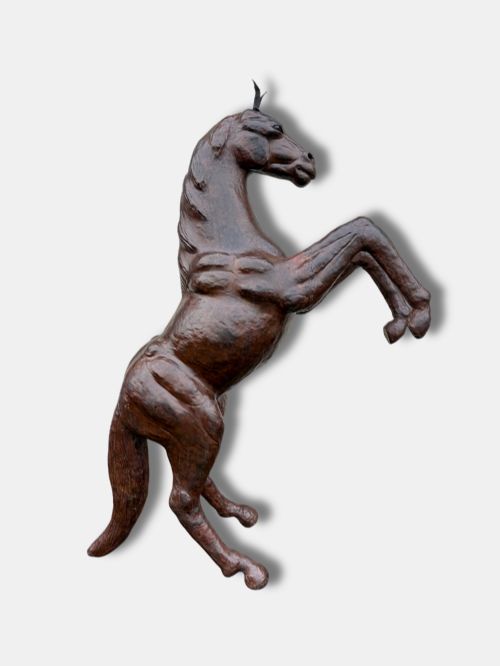
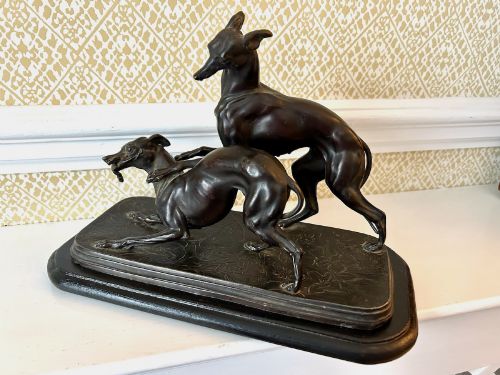
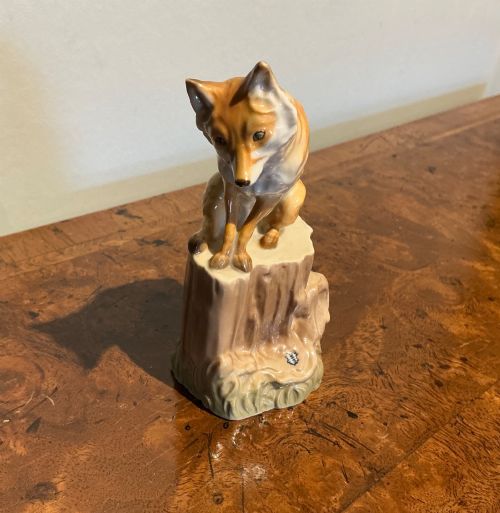
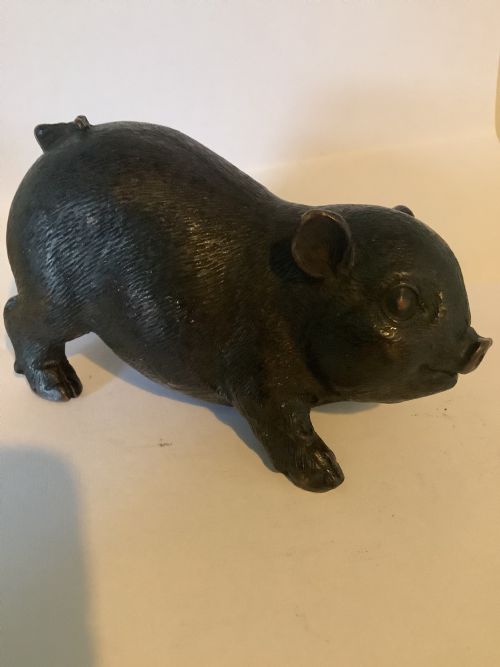
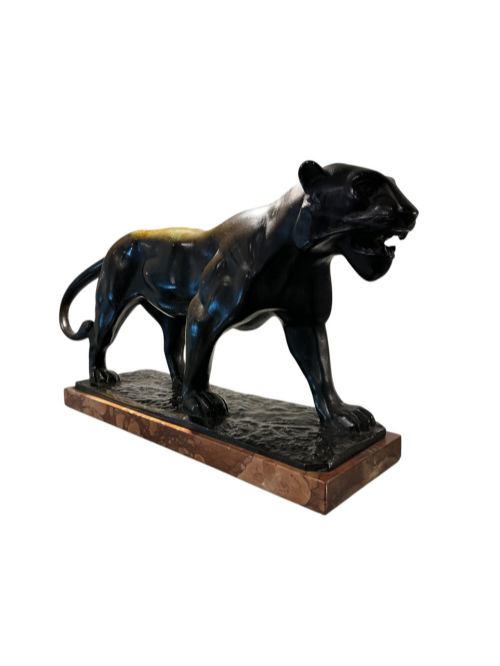
A vintage animal statue captures the character of beasts and birds in bronze, wood, ceramic and stone from the nineteenth and twentieth centuries.
Vintage Animal Statue
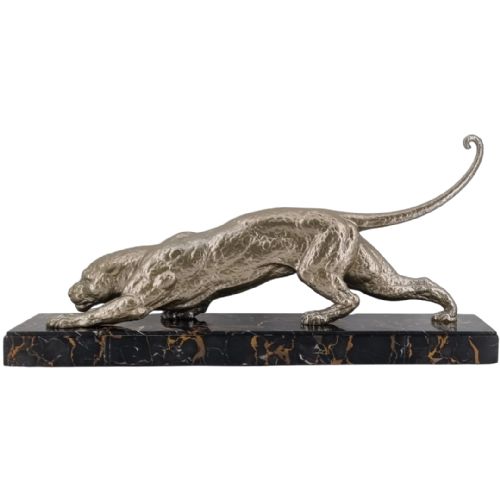
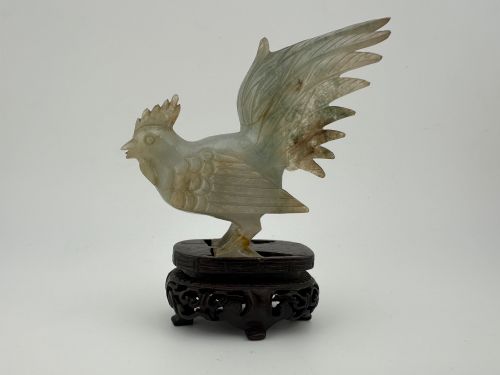
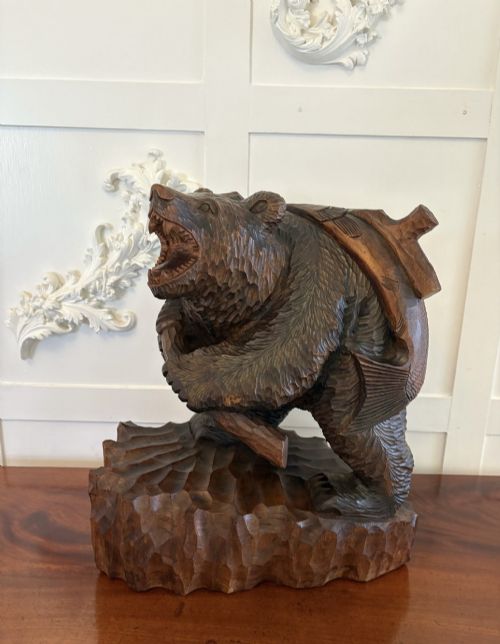
When you search for a vintage animal statue, you encounter a diverse gathering of sculptural forms representing domestic creatures, wildlife and birds. These pieces originate from various cultural traditions, spanning European animalier bronzes, Black Forest carvings and Asian metalwork. The selection on this page relies heavily on nineteenth-century and early twentieth-century examples rendered in media ranging from cast bronze to carved linden wood.
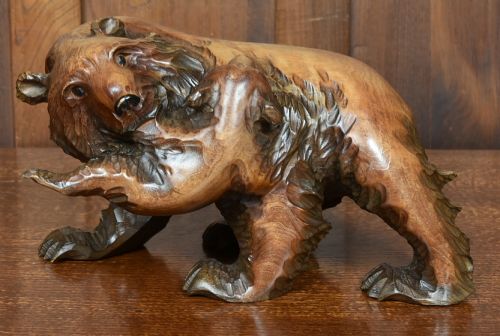
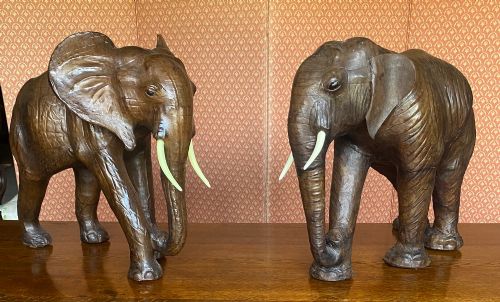
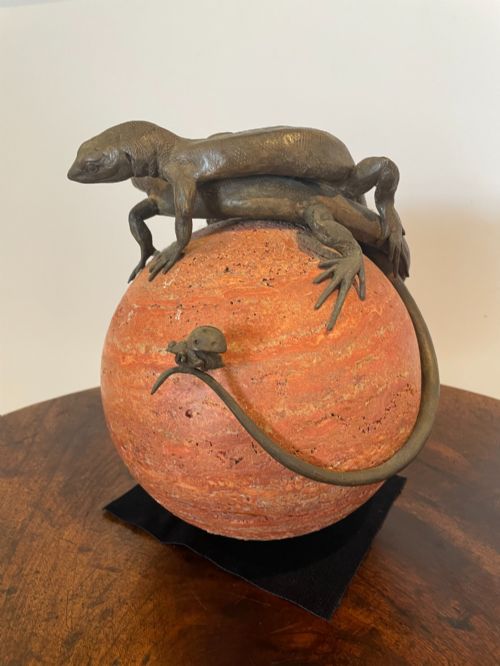
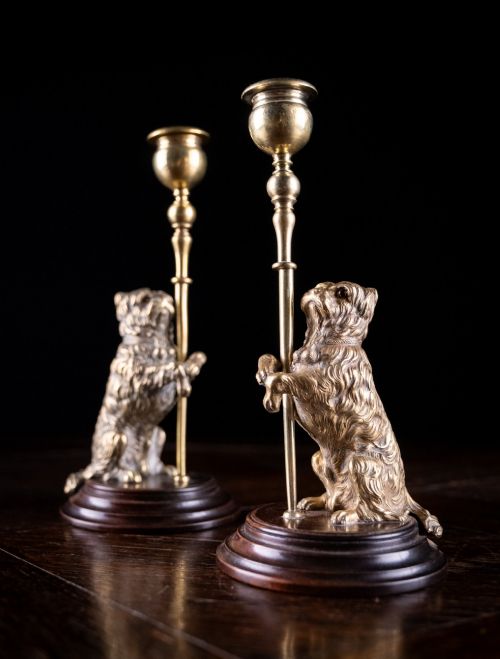
The domestic and wild subjects vary from British terriers and Saint Bernards to exotic elephants, bears and big cats. Many take the form of freestanding decorative figures designed for tabletops, mantels or garden settings. Others serve practical roles, such as cast brass candlesticks shaped like dogs or ceramic pottery cows.
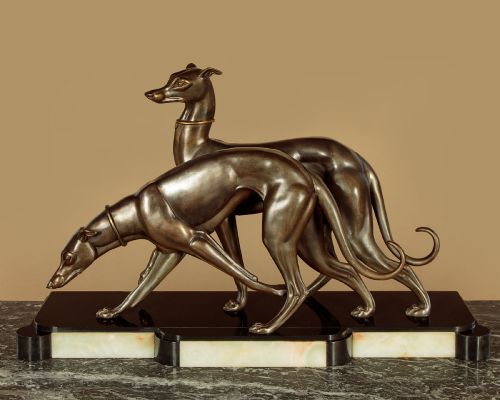
Makers and regional workshops across Europe and Asia shaped these sculptures to reflect naturalistic observation or stylised folk traditions. You will find cold-painted bronzes alongside hand-carved wooden bears and earthenware figures. Each piece records the aesthetic priorities of its period, from Victorian sentiment to Art Deco geometry.
Materials and construction
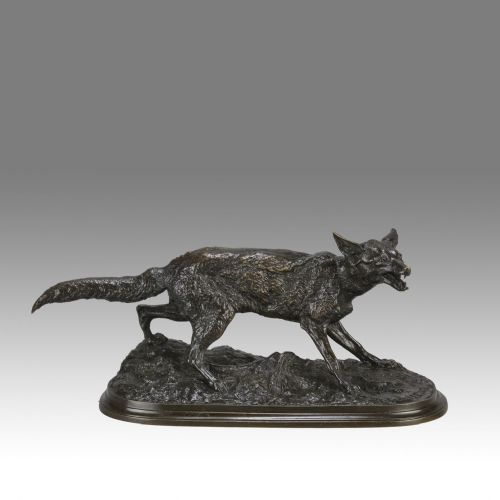
Bronze casting forms the backbone of these pieces, often utilising the lost-wax method to capture fine anatomical detail. Many bronzes receive cold-painted finishes or patination ranging from deep brown to polished highlights, sometimes mounted on marble or onyx bases. Sculptors also worked in brass, silver and nickel bronze.
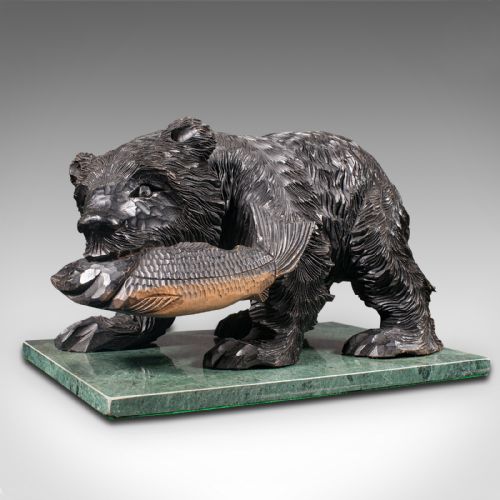
Wood carvers utilised linden wood, fruitwood and other timbers to produce textured surfaces, particularly in Black Forest and folk art traditions. Stone and terracotta appear in garden statues and figures, employing cast stone, reconstituted stone and painted earthenware. Ceramics encompass Delft pottery, porcelain and Staffordshire earthenware with hand-applied glazes and blue-and-white pigments.
Several bears carry fish, while a pig stands ready with baskets, proving that vintage animals hold very specific domestic responsibilities.
Assessing quality and execution
The distinction between ordinary and exceptional work rests on anatomical fidelity, surface finish and the crispness of the casting or carving. Master sculptors captured muscle tension, fur texture and posture with acute observation, whereas lesser pieces rely on generalised shapes and soft details. The quality of the patina or the precision of cold-painted polychromy alters the visual depth of metal figures.
Base integration and signature marks separate workshop output from anonymous production. Pieces set on custom marble plinths or bearing the incised signatures of established animalier sculptors display superior foundry work and heavier gauge metal. In carved wooden and ceramic examples, the fluency of the hand tool marks and the stability of the glaze dictate the grade of the object.
P J Mêne·Franz Bergman·Christophe Fratin·Antoine Louis Barye·Alexandre Ouline·Kunio Itô
The Vintage Animal Statue Glossary
- Animalier
- A nineteenth-century artistic movement and style dedicated primarily to the realistic portrayal of animals. Practitioners focused on capturing beasts in motion or repose.
- Cold-painted bronze
- A technique where bronze sculptures are painted with polychrome oil paints after casting, rather than patinated with heat and chemicals. This method produces vivid, lifelike coloration on small figures.
- Black Forest carving
- Wood sculpture originating from the Brienz region of Switzerland, characterised by detailed representations of bears and woodland animals. These items are typically carved from linden wood with glass eyes and textured fur.
- Lost-wax casting
- A metalworking process where a molten metal is poured into a mould that has been created by means of a wax model. The wax is melted and drained away, allowing intricate detail to transfer to the bronze.
- Vienna bronze
- Small, highly detailed brass or bronze figurines produced in Austrian foundries during the late nineteenth and early twentieth centuries. They are frequently cold-painted and depict humorous, exotic or naturalistic animal subjects.
Vintage Animal Statue: Frequently Asked Questions
How do I clean bronze animal statues?
Dust bronze figures gently with a soft, dry cloth to prevent the accumulation of grit in crevices. Avoid using commercial metal polishes or water, which can strip the original patinated surface.
Apply a very thin coat of microcrystalline wax periodically if the metal requires protection against atmospheric moisture. Buff the surface lightly with a clean cloth after application to restore a natural lustre.
What is an animalier bronze?
An animalier bronze is a sculpture depicting animals, created by artists who specialised in the accurate anatomical study of wildlife and domestic beasts. These works gained immense popularity in nineteenth-century France and Britain.
Artists observed creatures in menageries and the wild, translating their observations into dynamic bronze casts. These sculptures range from small cabinet figures to large table centrepieces.
Where should I display wooden animal figures?
Place carved wooden animals away from direct sunlight and heat sources to prevent the wood from drying, cracking or warping. Stable indoor environments preserve both the timber and any applied surface finishes.
Position them on stable surfaces where they will not be knocked, as protruding elements like ears or tails are vulnerable to impact. Occasional gentle dusting is all that is required for maintenance.