


Art Deco Animal Carving
These art deco animal carving pieces capture the bold stride and sleek geometry of the interwar years, offering a striking focal point for any room.
Art Deco Animal Carving
When you search for art deco animal carving, you encounter sculptural objects designed to celebrate wildlife through the sharp, streamlined aesthetic of the nineteen-twenties and nineteen-thirties. These pieces range from substantial mantel sculptures to functional domestic items that bring character to bookshelves and halls.
You are most likely to meet pairs of bookends and freestanding figures on this page, reflecting the decorative priorities of the era. Makers turned frequently to familiar domestic and exotic creatures, shaping dogs, big cats, and birds into dynamic poses.
The selection draws on periods spanning the early decades of the twentieth century, specifically capturing the artistic output of nineteen-twenty and nineteen-thirty. Each piece demonstrates how sculptors adapted natural forms to suit contemporary interior schemes.
How they were made
Carvers shaped these works using traditional methods combined with the striking material contrasts favoured during the period. Hardwood, timber, and bamboo provide the warmth and visible grain essential for organic animal forms.
Makers integrated mineral elements by mounting wooden figures onto heavy marble and alabaster bases, adding both stability and a distinct visual weight. Occasional details in brass, horn, bone, and silver complete the construction of these decorative objects.
Materials recorded across the site include hardwood, marble, silver, horn, bone, and bamboo.
What varies in quality
The standard of a piece rests heavily on the vigour of the carving and the fidelity of the anatomy. Stronger examples capture the tension in a leaping dog or the powerful stance of a lioness with genuine anatomical authority.
The choice and combination of materials also elevate certain works above standard production. Pieces that successfully merge carved timber with substantial marble plinths or incorporate detailed metalwork demonstrate a higher level of workshop ambition.
Eugene Emile Borga·Laszlo Hoenig
The Art Deco Animal Carving Glossary
- Bookends
- Supporting pairs of objects designed to hold upright rows of books on a shelf. In this collection, they frequently take the form of carved animal figures.
- Alabaster
- A fine-grained, translucent stone often used for carving decorative bases and sculptural figures during the period. It provides a smooth, pale surface that contrasts with darker carved wood.
- Bamboo
- A woody grass utilised in specific decorative items for its hollow, segmented stems and natural texture. It offers a lightweight yet rigid structure for novelty bookends.
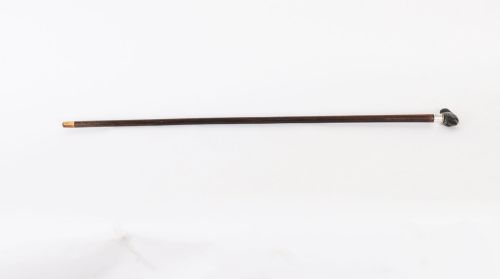
- Walking stick
- A traditional support cane fitted with an elaborate carved handle. Novelty examples feature sculptural animal heads fashioned as the grip.
Art Deco Animal Carving: Frequently Asked Questions
What animals appear in these carvings?
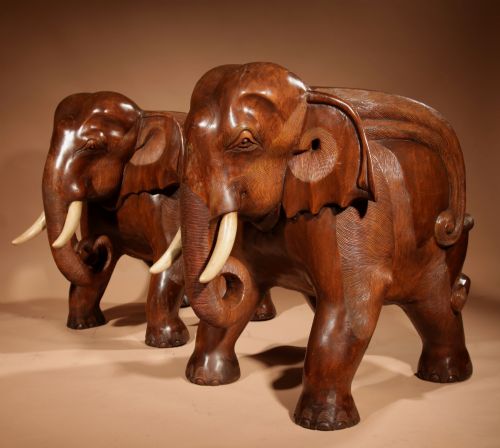
The listings feature a range of creatures including parrots, elephants, lions, panthers, squirrels, ibex, and spaniels.
Artists selected these specific animals to showcase either domestic companionship or wild strength within a modern aesthetic.
How were these items used originally?
Many pieces served practical functions in period homes, securing books or providing support during walks.
Other sculptures functioned purely as decorative ornaments displayed on mantelpieces and tables.
Which materials predominate in these pieces?
Wood, timber, and hardwood form the primary medium for the animal figures themselves.
Marble and alabaster frequently provide sturdy bases, while bamboo, silver, horn, and bone appear in specific designs.
How do these objects reflect their period?
The sculptures embody the distinctive geometric stylisation and dynamic postures associated with the nineteen-twenties and nineteen-thirties.
This design approach emphasised sleek lines over fussy ornamentation.