



Vintage Animal Ornament
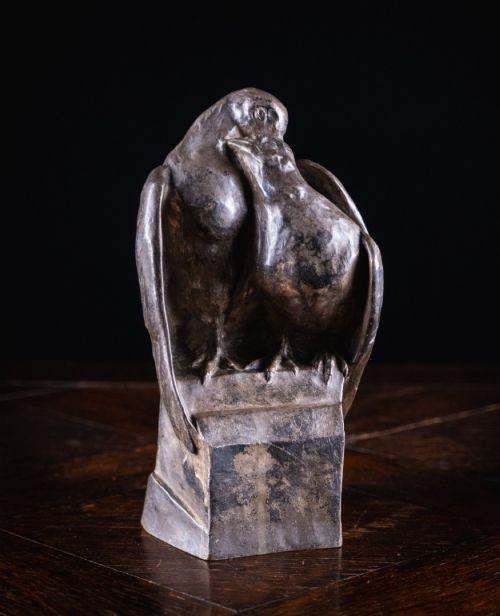
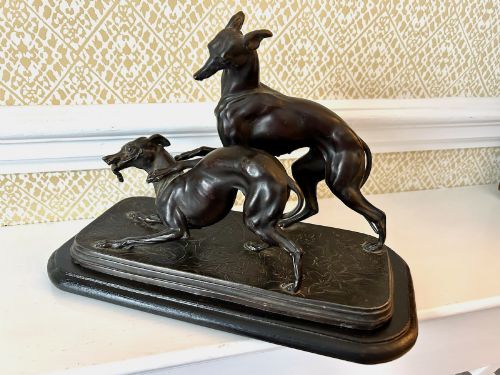
When you search for vintage animal ornament, you find cast bronzes, carved hardstones, and tactile wood figures spanning the Victorian era through the mid-century.
Vintage Animal Ornament
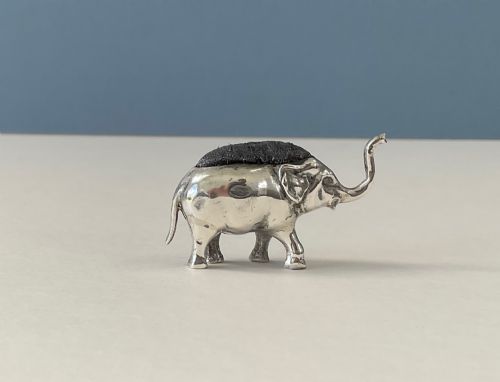
A vintage animal ornament encompasses a broad spectrum of decorative objects, from realistic bronze hounds and cast metal table lighters to carved wooden bears and miniature silver pin cushions. These pieces reflect diverse domestic uses and desk accessories across the nineteenth and twentieth centuries.
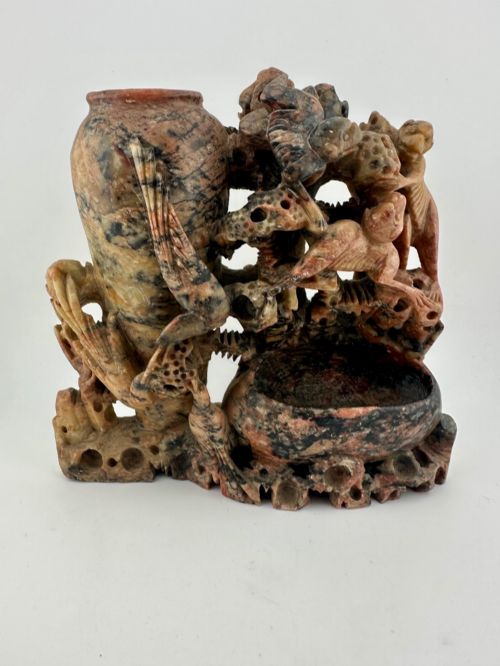
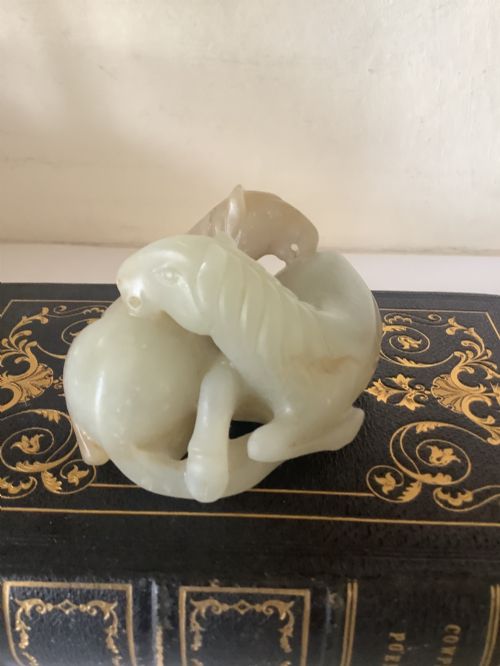
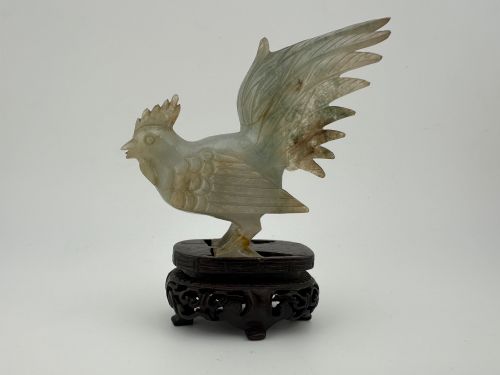
The selections on this page draw from distinct international traditions, uniting European animalier bronzes, Japanese folk art wood carvings, and Chinese jade or carnelian hardstone sculptures. Buyers frequently encounter nineteenth-century European foundry casts alongside early twentieth-century Asian carvings mounted on fitted wooden stands.
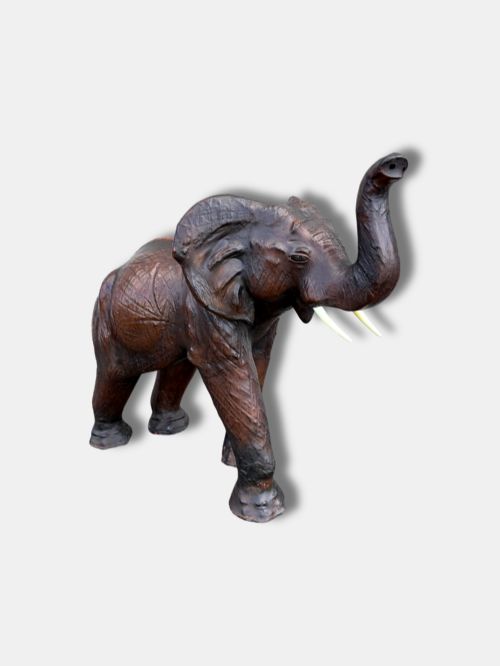
Forms range from utilitarian items like leather footstools and silver novelty peppers to purely decorative cabinet figures and garden statuary. The grouping captures domestic fauna, wild predators, and exotic species rendered in durable materials.
How they were made
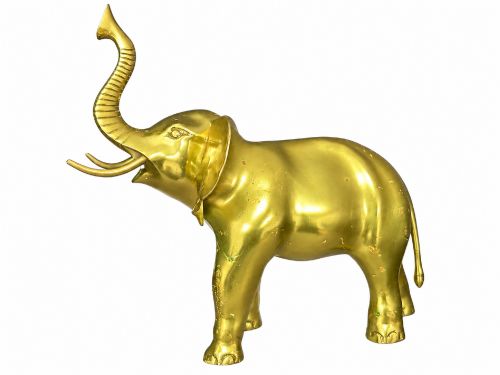
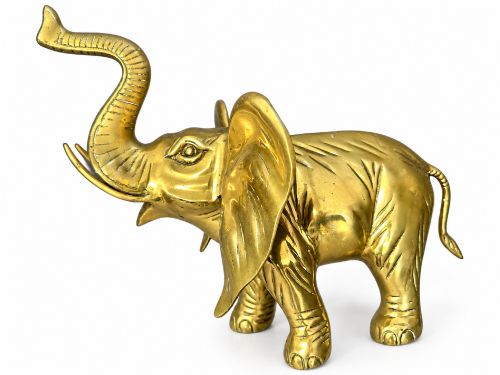
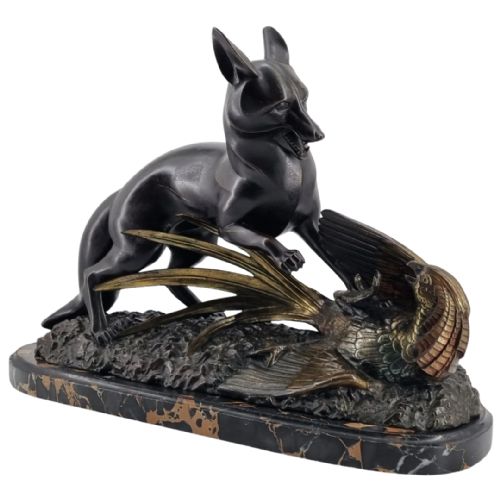
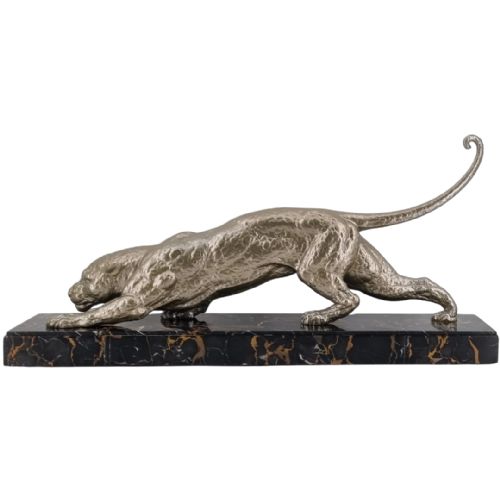
Metal sculptures rely on casting techniques such as the lost-wax process, allowing artists to capture muscular tension in bronzes, spelter, and cast iron. Cold-painted finishes and hand-applied patinas impart realistic colour and depth to Vienna bronzes and cast metal dogs.
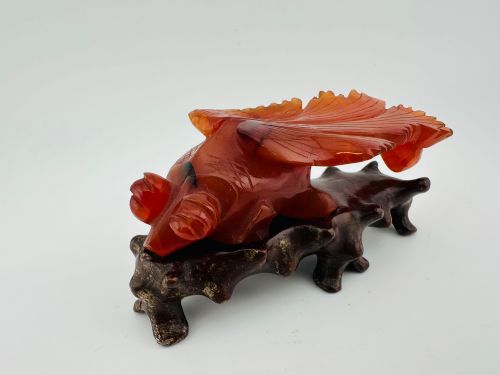
Carved pieces utilise hardstones like jade and carnelian, alongside native timbers including linden wood, cedar, and hardwood. Artisans shape these organic materials with fine chisels and polishing tools, often integrating natural grain or stone variegation into the final animal form.
Silversmiths fabricate novelty items from sterling and solid silver, incorporating hinged components and textured chasing to delineate feathers and fur. Leather works employ internal wooden or metal armatures wrapped and stitched to form large seating pieces and footstools.
Vintage Animal Ornament Retail Price Guide 2026
Typical asking prices for vintage animal ornament among the pieces listed under this phrase on Sellingantiques today, from the lower quarter to the upper quarter. They describe what is for sale here now, not the wider market.
Listings feature bronze animal sculptures spanning the nineteenth century to the mid-twentieth century.
What varies in quality
Quality rests upon the anatomical accuracy and expressive vitality achieved by the maker, distinguishing lifelike movement from stiff or generic execution. Superior casts and carvings display precise muscle articulation, crisp textural detail in fur and plumage, and careful attention to posture.
Material selection dictates the upper tier of the range, evidenced by heavy bronze casting with deep patination, high-grade hardstones with clean translucency, and substantial silver weight. Inferior examples rely on surface paint to mask softer underlying definition or lighter base alloys.
Signatures, foundry marks, and maker attributions elevate pieces made by recognised sculptors and workshops. The integration of original fitted elements, such as bespoke wooden stands for hardstone carvings, preserves the integrity and distinction of the work.
Lavroff·D H Chiparus·P J Mêne·Tsunemitsu·Christophe Fratin·Antoine Louis Barye
The Vintage Animal Ornament Glossary
- Animalier
- A nineteenth-century artistic movement and style focused on the realistic depiction of animals, particularly predators and horses in dynamic motion. Practitioners utilised bronze as their primary medium to capture raw anatomical energy.
- Vienna Bronze
- Small, highly detailed brass or bronze figures produced in Austrian foundries during the late nineteenth and early twentieth centuries. These pieces typically feature vibrant cold-painted enamel finishes applied over the metal surface.
- Pin Cushion
- A small domestic accessory, often fashioned as a silver novelty animal such as a camel, chick, or pig, designed to hold sewing pins on a dressing table. Edwardian silversmiths frequently produced these functional items.
- Kibori Kuma
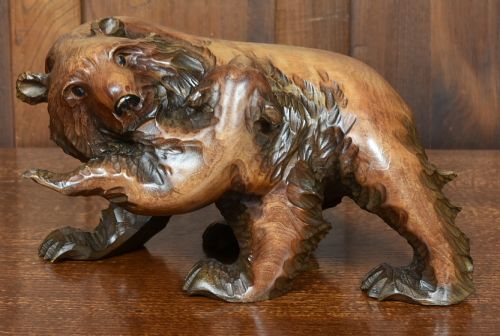
- Japanese carved wooden bear sculptures originating from the folk art tradition of Hokkaido. These rustic pieces typically depict bears holding fish or cubs, carved from cedar or local timber with distinct chisel marks.
- Hardstone
- A collective term for semi-precious stones such as jade, carnelian, and agate carved into decorative animal figures. Artisans exploit the natural colour banding and hardness of the material to create miniature sculptures.
Vintage Animal Ornament: Frequently Asked Questions
What materials are common?
These decorative objects appear in cast bronze, carved hardwoods, solid silver, and semi-precious hardstones like jade and carnelian. Other examples utilise cast iron, leather, ceramic, and cold-painted metal.
Material choice often corresponds to the origin and period of the piece, with European foundries favouring bronze and metal alloys while Asian workshops utilised timber and stone.
How do I identify Vienna bronzes?
Vienna bronzes are characterised by their small scale, intricate detailing, and distinct cold-painted polychrome finishes. The paint is applied over a foundational bronze or brass casting without high-temperature firing.
Subjects frequently include birds, dogs, and wildlife, often displaying expressive or humorous human-like poses typical of Austrian workshops from the period.
Where were carved bears made?
Carved wooden bears appear in Japanese folk art traditions, particularly from Hokkaido under the Kibori Kuma style, as well as European Black Forest traditions. Japanese examples utilise local woods like cedar to depict bears with salmon or cubs.
Black Forest pieces from Switzerland and Germany employ linden wood and rich dark finishes to render rescue dogs and forest fauna with deep relief carving.
Are novelty silver pieces functional?
Novelty silver items often served dual purposes as decorative ornaments and practical desk or dressing table accessories. Pieces shaped as birds, camels, and chicks functioned as pin cushions, pepper pots, or small containers.
Silversmiths combined humorous animal forms with hinged compartments and textured chasing to maintain utility alongside sculptural charm.