



Vintage Anatolian Runner
When you search for a vintage anatolian runner, you are exploring long floor coverings woven in Turkey from wool and cotton.
Vintage Anatolian Runner
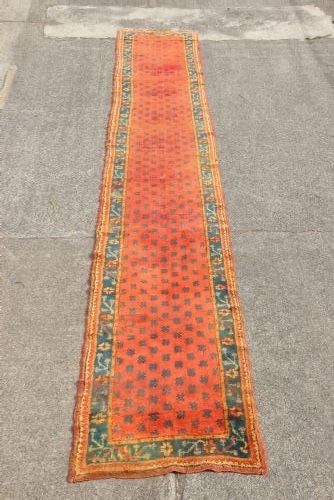
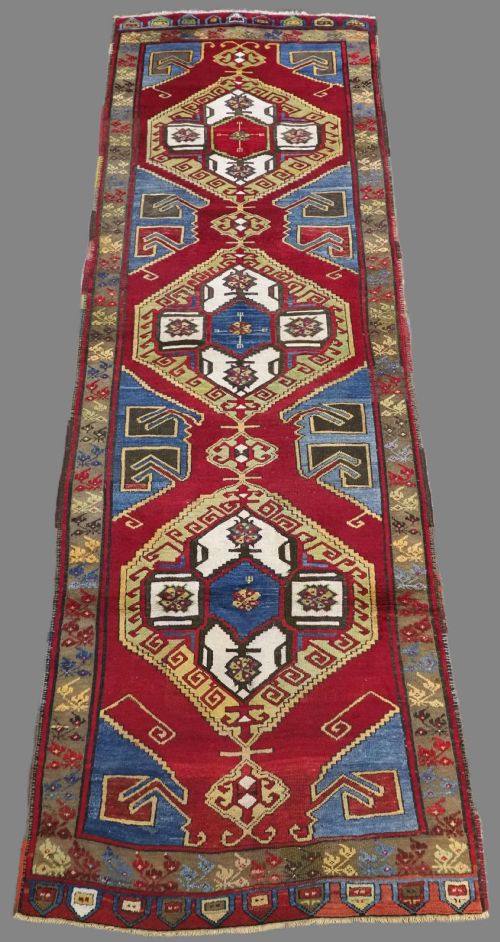
A vintage anatolian runner typically takes the form of a long, narrow floor covering designed for corridors, hallways, or narrow rooms. The pieces found here span various periods from the nineteenth century through the early decades of the twentieth century, reflecting traditional village and town weaving practices.
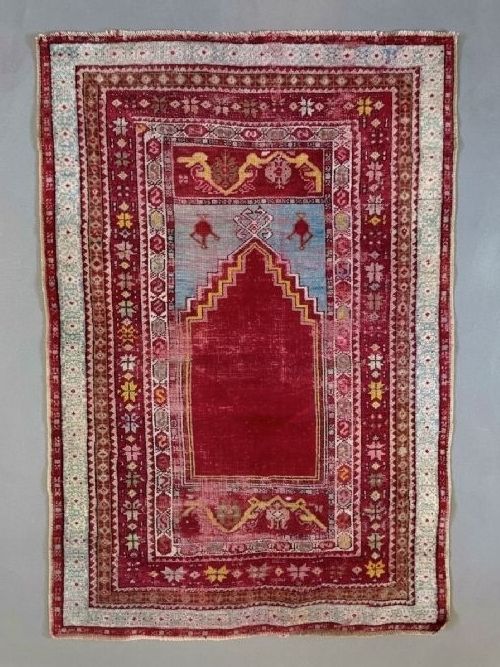
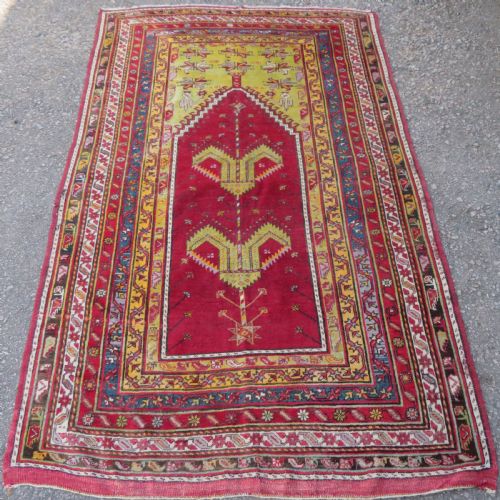
Makers utilised regional styles originating from centres such as Oushak, Konya, Kirsehir, and Ushak. These items range from pile carpets to flatwoven kilims, with formats varying from simple narrow runners to prayer rugs and long village rugs.
The aesthetic draws on Anatolian tribal and Ottoman traditions, presenting geometric motifs, floral repeats, and distinct field designs. Buyers encounter both single runners and paired sets originating from Turkish regions.
How They Were Made
The structural foundation relies predominantly on wool and cotton, with weavers employing hand-spun wool and angora wool for the pile alongside mercerised cotton and art silk in specific examples. Weaving techniques include hand-knotting and flatweaving, sometimes producing pieces woven in two parts.
Dyers utilised natural materials to colour the yarns, yielding the rich palettes seen across the nineteenth and early twentieth-century pieces. The integration of wool and cotton provides the structural durability inherent in these traditional floor coverings.
Vintage Anatolian Runner Retail Price Guide 2026
Typical asking prices for vintage anatolian runner among the pieces listed under this phrase on Sellingantiques today, from the lower quarter to the upper quarter. They describe what is for sale here now, not the wider market.
Listings span periods from the mid-nineteenth century through the 1930s, using wool, cotton, and art silk.
What Varies in Quality
The standard of an individual piece rests upon the fineness of the knotting and the handling of the wool. Hand-spun wool yarns display a depth of texture and resilience that distinguishes superior examples from later or more commercial iterations.
Design clarity and the integrity of the regional motifs dictate the aesthetic standing of the runner. Pieces demonstrating precise execution in traditional Oushak or village formats hold greater distinction among collectors.
Oushak·Kirsehir·Konya·Ushak
The Vintage Anatolian Runner Glossary
- Kilim
- A flatwoven carpet or rug produced without a pile. These items rely on interlocking weft techniques to create crisp geometric patterns.
- Prayer Rug
- A small rug featuring a mihrab or niche design at one end. Historically utilised for Islamic prayer, these pieces direct the visual focus toward a specific point.
- Oushak
- A designation originating from a major rug-production town in western Turkey. Pieces from this tradition often feature softer palettes and large-scale floral or geometric layouts.
- Hand-Spun Wool
- Wool yarn processed manually rather than by industrial machinery. This method retains natural lanolin and produces slight irregularities that contribute to the texture.
- Angora Wool
- Fine fleece sourced from Angora goats or specific regional sheep. This material provides a softer handle and a distinct sheen to the pile.
Vintage Anatolian Runner: Frequently Asked Questions
Where should I place a runner in my home?
These long, narrow floor coverings fit naturally in hallways, corridors, and narrow entryways where space is restricted. Their elongated proportions guide movement through a domestic layout.
They also serve effectively in kitchens, beside beds, or along narrow gallery landings to add warmth underfoot.
How do I care for an old wool rug?
Regular gentle vacuuming without a rotating brush roll prevents dust accumulation within the wool pile. Professional cleaning suited for antique textiles preserves the natural fibres.
Keeping the piece away from prolonged direct sunlight protects the natural dyes from fading over time.
How can I tell where anatolian pieces were made?
Specific design motifs, border arrangements, and colour palettes point toward particular districts such as Konya, Kirsehir, or Ushak. Village weavers incorporated local symbols and regional dyeing traditions into their work.
Structural characteristics, including the choice of wool or cotton for the foundation threads, offer further clues to geographic origin.