





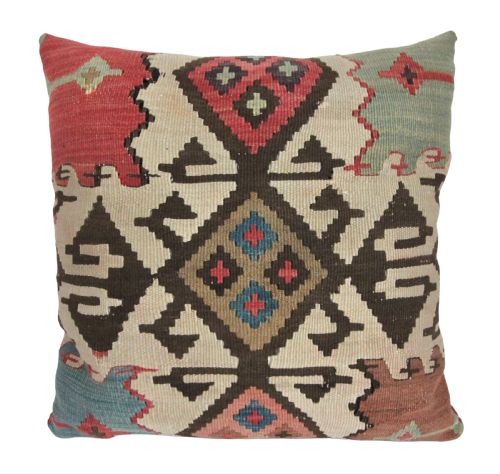
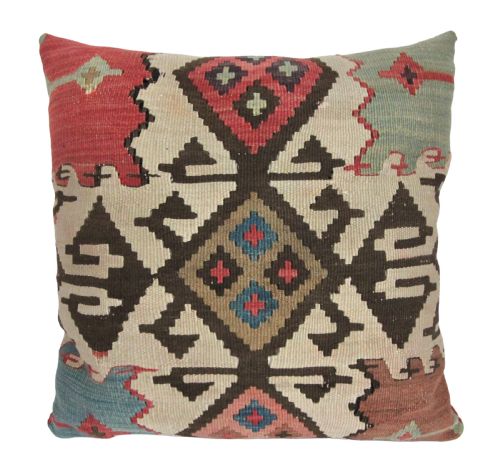


Vintage Anatolian Kilim Cushions
These vintage anatolian kilim cushions bring flat-woven textile history into everyday seating, offering rich tribal patterns and authentic nomadic character.
Vintage Anatolian Kilim Cushions
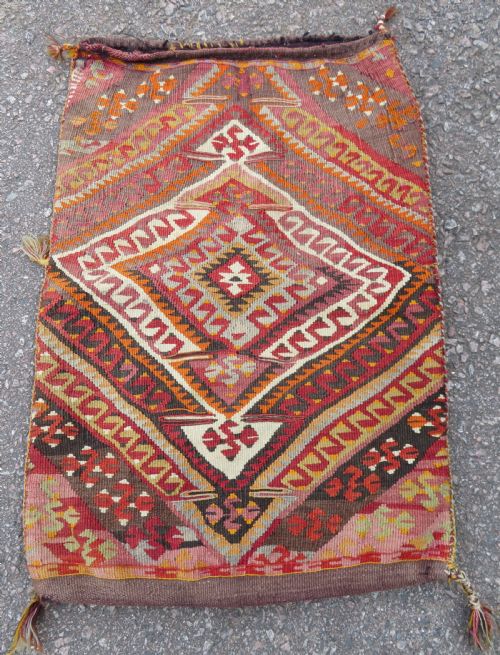
Vintage anatolian kilim cushions are functional home textiles created from flat-woven carpets, saddle bags, and bag faces originating in Turkey. Buyers searching for these items will encounter pieces that repurpose historic nomadic weaving into standard cushion and pillow formats.
Makers of the original textiles utilised traditional weaving techniques that reflect distinct regional identities within Anatolia, including Kurdish styles. Each cushion preserves a fragment of a larger nomadic textile, turning utilitarian tribal objects into decorative furnishings.
How they were made
These items are constructed from hand-woven textiles made primarily of wool and cotton, utilising flat-weaving methods without a pile. Artisans produced the original flat-weaves on traditional horizontal looms using hand-spun yarns dyed with local colourants.
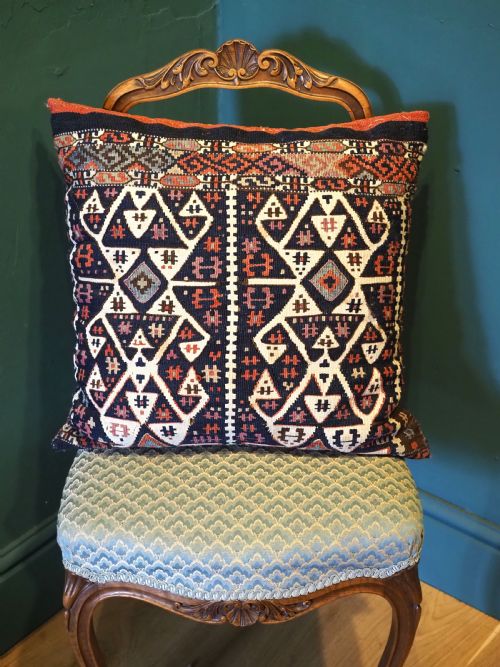
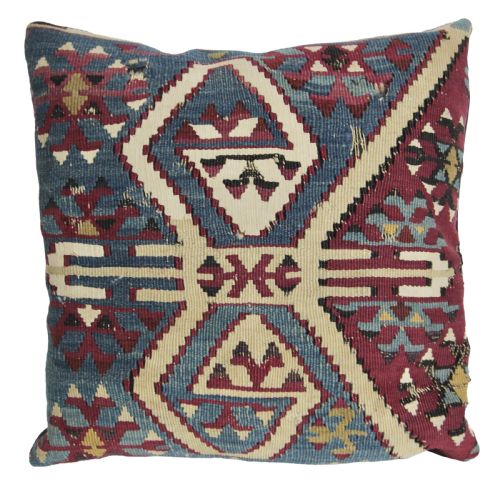
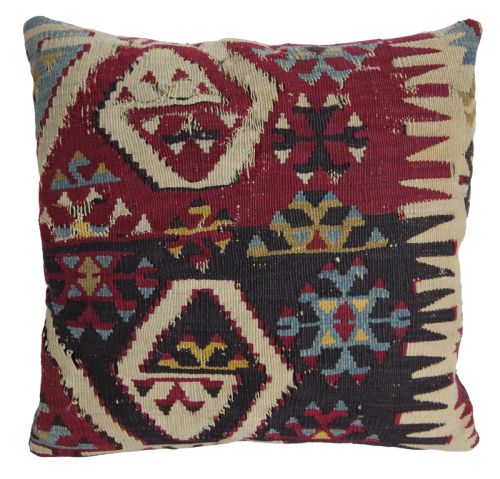
The face of each cushion is typically formed from an antique kilim fragment, saddle bag, or juval, which is then backed and stitched to function as a pillow. This construction method repurposes durable nomadic household goods into decorative interior accessories while retaining the original hand-woven surface.
Pack animal luggage gets a second career sitting on your sofa.
What varies in quality
Quality in these textiles rests upon the integrity of the original weave, the fineness of the wool, and the complexity of the tribal design. Pieces exhibiting tight, even flat-weaving and well-preserved geometric motifs demonstrate superior craftsmanship from their period.
The condition of the source textile and the skill involved in adapting it into a cushion shape determine the overall execution. Greater visual impact comes from textiles that retain their original structural strength and vibrant regional patterns without heavy degradation.
The Vintage Anatolian Kilim Cushions Glossary
- Kilim
- A flat-woven carpet or rug produced in countries of the former Ottoman Empire, Persia, and Central Asia. They are made by tightly interweaving warp and weft strands to produce a flat surface without pile.
- Juval
- A large tent bag made by nomadic and tribal groups for storage use. These hand-woven pieces feature traditional designs and are frequently repurposed into cushions.
- Saddle Bag
- A paired bag woven for utility on pack animals by nomadic tribes. The faces of these bags provide durable patterned panels utilised in textile furnishings.
- Bag Face
- The decorative front panel of a tribal storage sack. It displays the primary motifs and is often separated to create smaller decorative items like cushions.
- Flat-weave
- A textile constructed by interweaving warp and weft threads without creating a raised pile. This technique produces a thin, durable fabric characteristic of traditional kilims.
Vintage Anatolian Kilim Cushions: Frequently Asked Questions
What are vintage anatolian kilim cushions made from?
These items are constructed using historic hand-woven wool and cotton textiles originating from Turkey. The front panels consist of repurposed flat-woven carpets, saddle bags, and bag faces.
Makers originally produced these textiles on traditional looms using local materials and tribal motifs. The resulting fragments are then adapted into functional cushions for modern interiors.
How old are these kilim cushions?
The textiles used for these cushions date from the nineteenth century up to the early twentieth century, specifically spanning periods like eighteen fifty, eighteen seventy, and nineteen twenty.
Because they incorporate antique flat-weaves, the age refers to the original nomadic or tribal weaving rather than the date of final cushion assembly.
Where do these cushions originate?
These pieces originate from Anatolia, which forms the Asian part of modern Turkey. The region has a deep history of nomadic and tribal flat-weaving traditions.
Specific styles represented include Anatolian traditional, tribal designs, and Kurdish weaving methods from various rural settlements across the region.
How should I use them in a room?
These textiles function as throw cushions and decorative pillows on sofas, chairs, or beds. Their strong geometric patterns add texture and historic character to interior spaces.
Pairing them with neutral furnishings allows the traditional tribal colours and flat-woven wool designs to stand out as focal points.
What is a juval?
A juval is a large storage bag traditionally woven by Kurdish and other nomadic tribes in Turkey and Central Asia. These pieces were utilised inside tents for household storage.
The decorative panels from these bags are now frequently salvaged to create unique cushions and pillows.