



Vintage Afshar Carpet
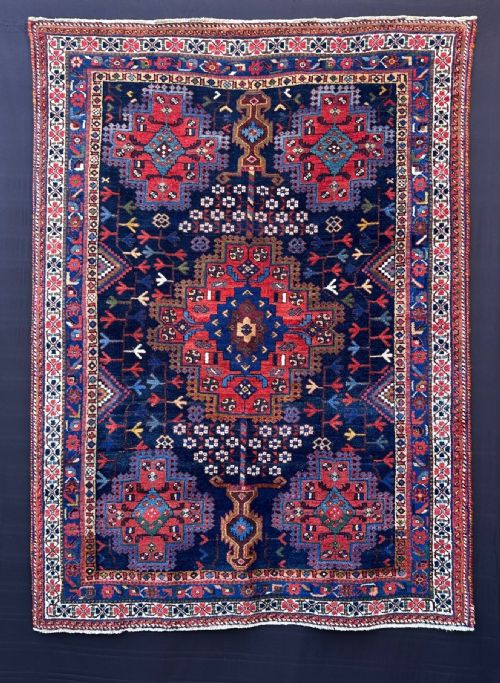
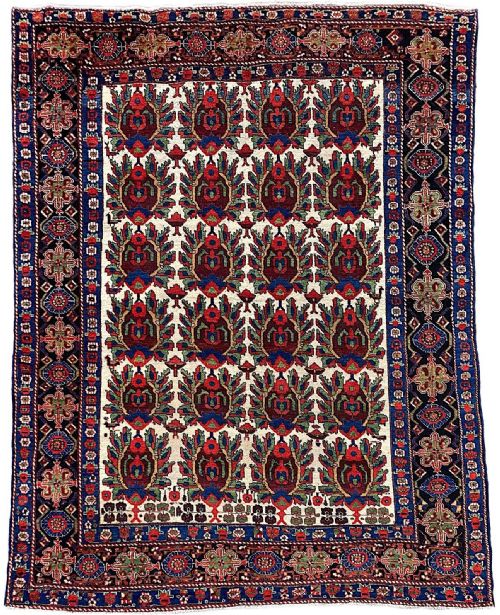
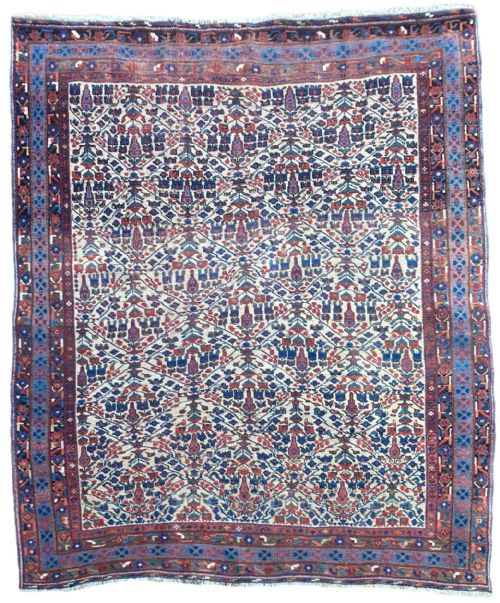
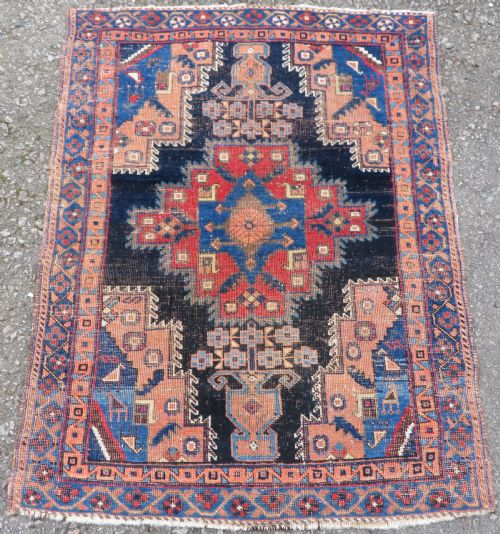
A vintage afshar carpet brings the bold geometric artistry of South Persian nomads directly onto your floor.
Vintage Afshar Carpet
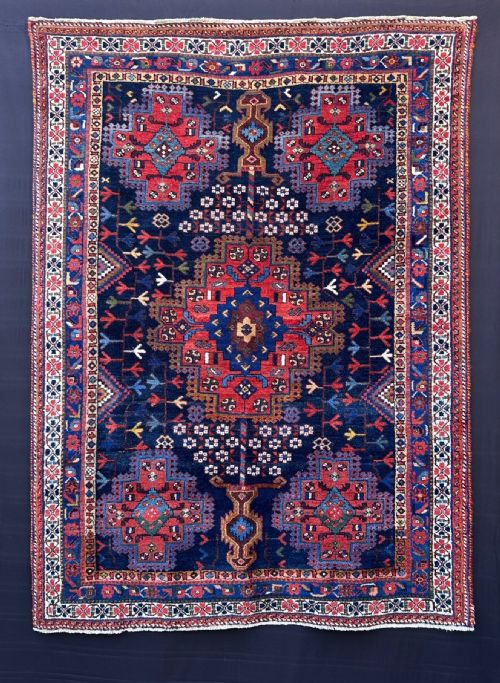
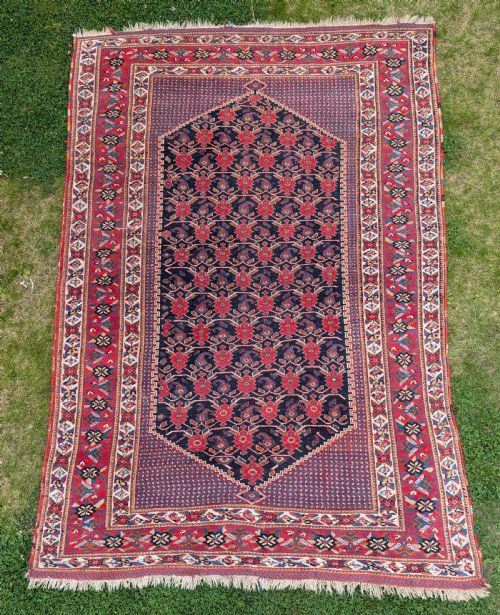
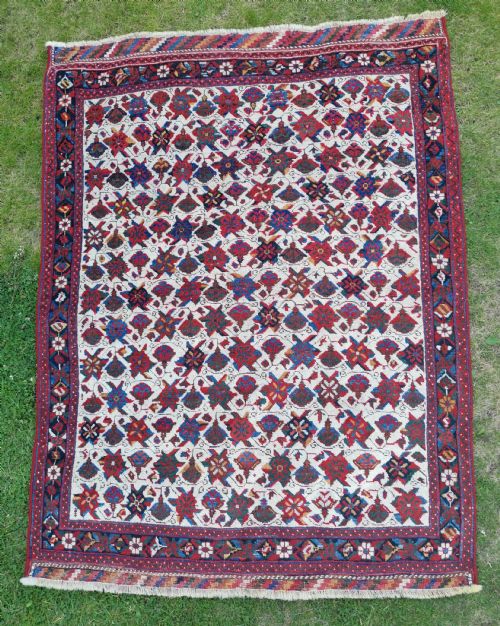
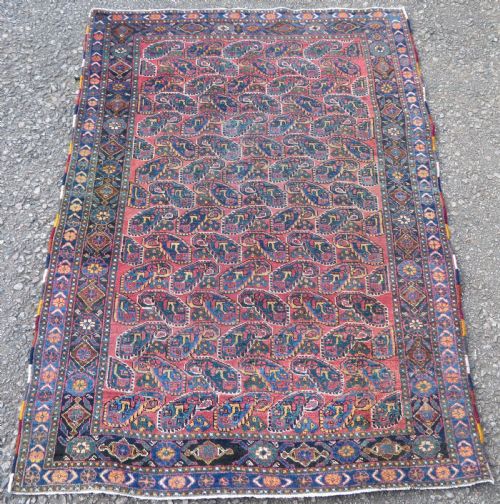
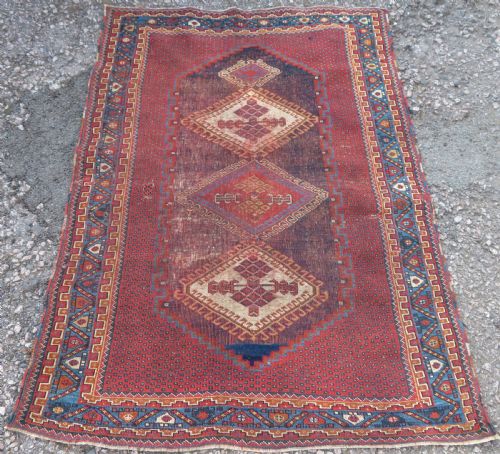
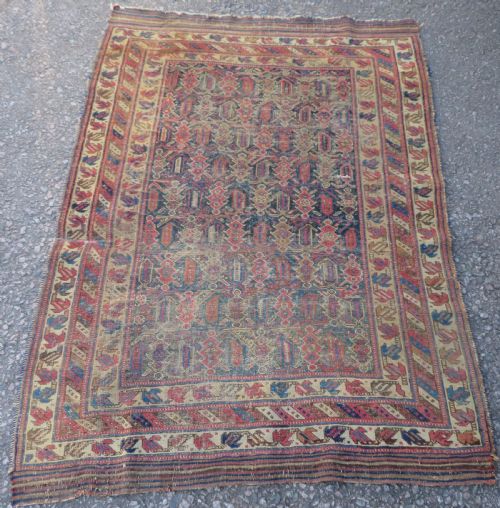
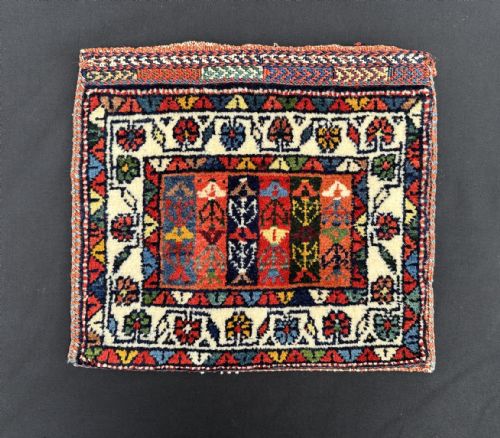
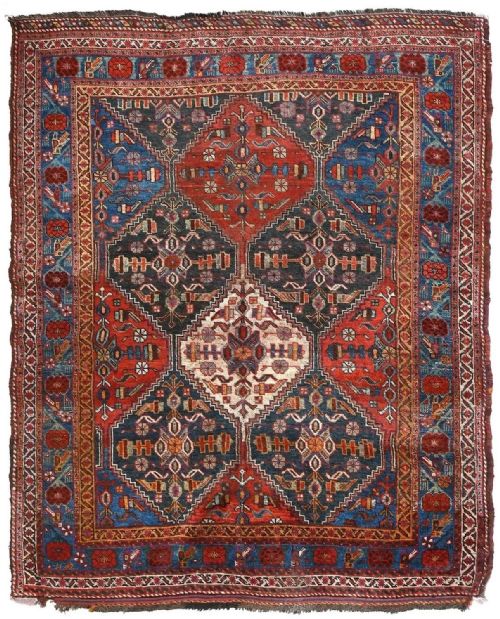
When you search for a vintage afshar carpet, you encounter heavy tribal textiles originating primarily from the Kerman province in southern Persia. These woven pieces include various formats such as standard area rugs, long runner rugs, and smaller vanity bags produced by village and tribal weavers.
The aesthetic is distinctly Persian tribal, characterised by traditional motifs like the boteh, repeated heratti patterns, and dragon and phoenix designs set upon coloured grounds. Most examples date from the late nineteenth century up through the early decades of the twentieth century.
Buyers meet pieces reflecting distinct regional traditions, particularly from the Neiriz region within South Persia. These floor coverings bridge practical domestic use and folk artistry, developed by nomadic groups passing down their visual vocabulary through generations.
Materials and Construction
These floor coverings are constructed using sturdy wool pile anchored to a foundation of natural cotton threads. The reliance on locally sourced wool gives the pile its dense, hardwearing resilience necessary for nomadic daily life.
Weavers employed traditional hand-knotting techniques common to South Persian tribal workshops, resulting in structured geometric layouts. The foundational warps and wefts bind the wool securely, maintaining the integrity of the textile across decades of domestic use.
Vintage Afshar Carpet Retail Price Guide 2026
Typical asking prices for vintage afshar carpet among the pieces listed under this phrase on Sellingantiques today, from the lower quarter to the upper quarter. They describe what is for sale here now, not the wider market.
Listings span the nineteenth century through the 1940s, utilising wool and cotton across diverse South Persian tribal styles.
Qualities of Distinction
The distinction between average and exceptional pieces rests in the clarity of the tribal motifs and the depth of the palette. Stronger examples display crisp delineation in complex patterns like the heratti or dragon and phoenix designs.
Material integrity and pile density also separate standard examples from finer collector pieces. A well-preserved foundation and uniform wool coverage indicate superior craftsmanship by the original weaver.
The Vintage Afshar Carpet Glossary
- Afshar
- A tribal group originating from the Kerman province in southern Persia known for producing distinctive geometric rugs and carpets. Their weaving style stands apart through individualistic village interpretations.
- Boteh
- A traditional teardrop or almond-shaped motif representing a floral spray or cypress tree. This ancient symbol appears frequently in repeated patterns across southern Persian textiles.
- Heratti
- A classic repeat pattern composed of a central floral rosette framed by curved leaves. It remains a foundational design element in traditional Persian carpet weaving.
- Soumak
- A flat-weaving technique where decorative face threads wrap around the warp threads without creating a knotted pile. This method results in a durable structure with a smooth surface.
- Neiriz
- A specific geographical region located within the Kerman province of South Persia. Rugs attributed to this area often display distinct regional colour palettes and tribal compositions.
Vintage Afshar Carpet: Frequently Asked Questions
How do I clean an old tribal rug?
Gentle surface brushing and professional specialist washing maintain the integrity of the wool pile without damaging the natural cotton foundation. Avoid harsh chemical detergents or immersion methods that could weaken the antique fibres.
Regular rotation prevents uneven wear from foot traffic and sunlight exposure in living spaces. Simple care preserves the historical textile for daily enjoyment.
Where were these carpets originally woven?
The pieces originate from village workshops and nomadic camps in the Kerman province of southern Persia. Weavers in locations like the Neiriz region produced these textiles for local use and regional trade.
Each area contributed specific design variations while maintaining a shared tribal visual language. This geographic origin defines their authentic character.
Are these rugs suitable for heavy floor traffic?
The dense wool pile and sturdy cotton foundation provide durable construction suited for moderate everyday use in domestic rooms. Placing an appropriate underlay beneath the textile prevents sliding and cushions the fibres against hard flooring.
Careful placement in hallways or sitting areas allows you to live comfortably with the history of the piece. Proper support ensures the weave endures beneath regular foot traffic.
How do I identify a Neiriz region piece?
Attribution relies on characteristic colour choices, specific regional motifs, and the particular structural tightness of the weave. Comparison with documented examples from the Kerman province helps confirm the specific South Persian provenance.
Regional styles often feature distinct geometric interpretations handed down among local weavers. Examining the handling of the wool provides further clues to origin.