




Vintage Afshar Area Rug
A vintage afshar area rug brings genuine tribal character and resilient craftsmanship from South Persia directly into a modern interior.
Vintage Afshar Area Rug
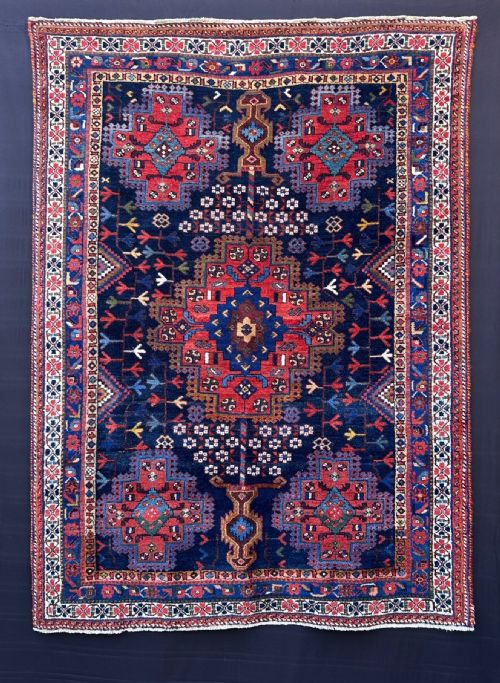
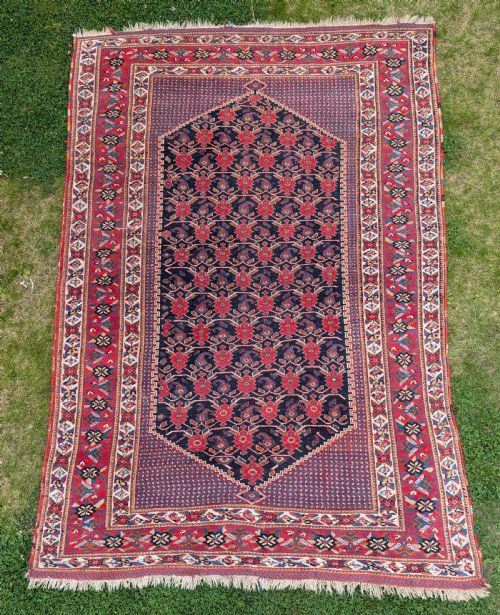
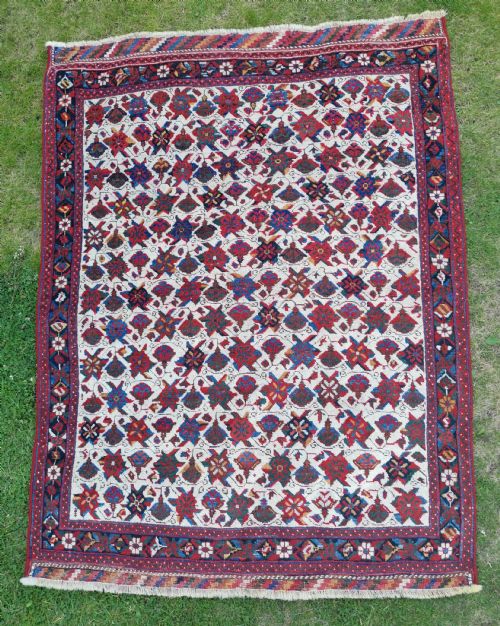
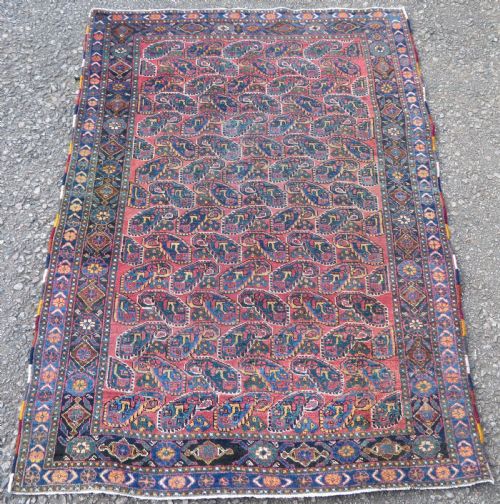
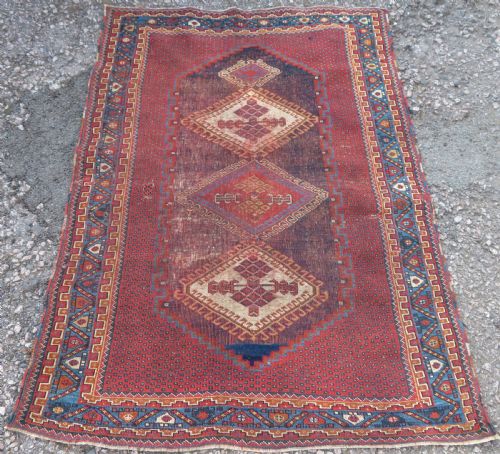
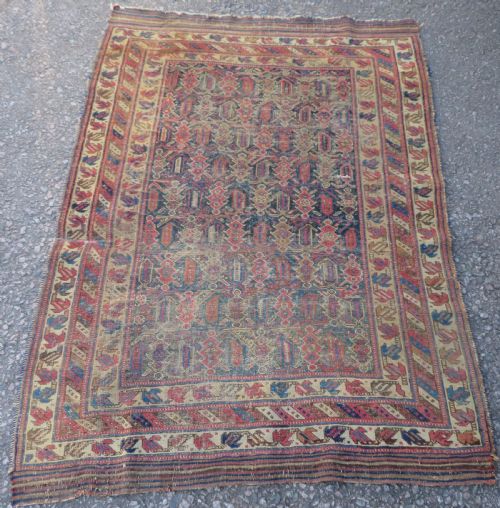
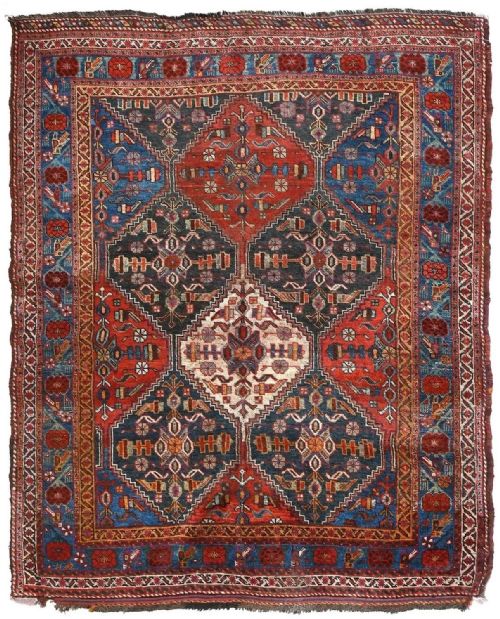
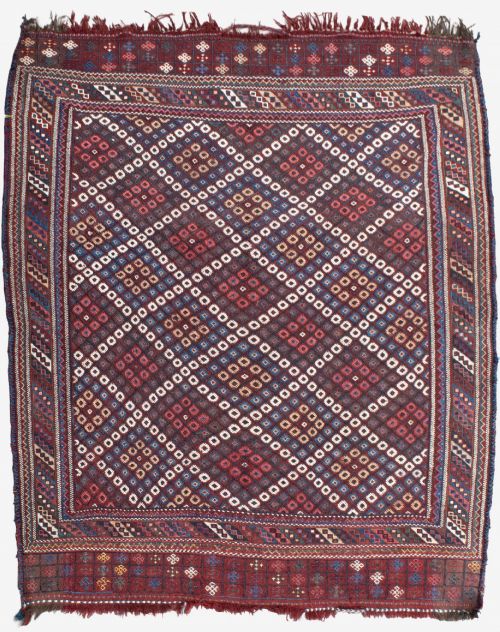
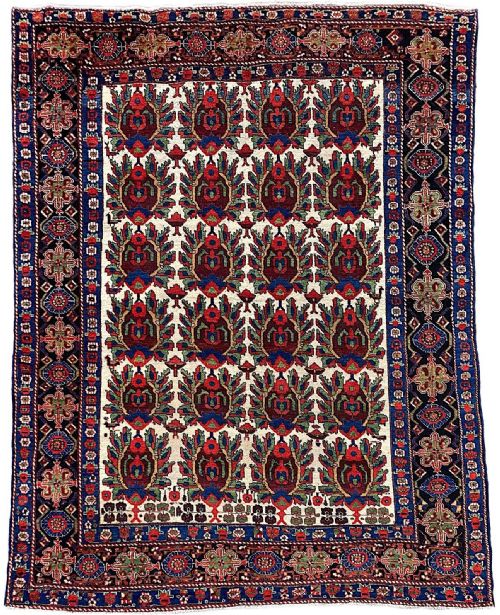
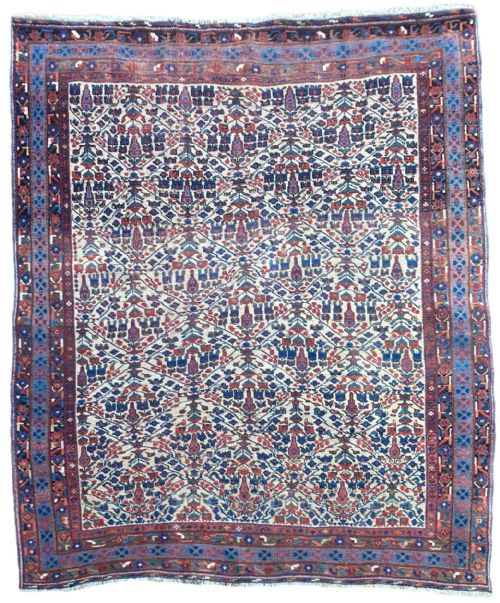
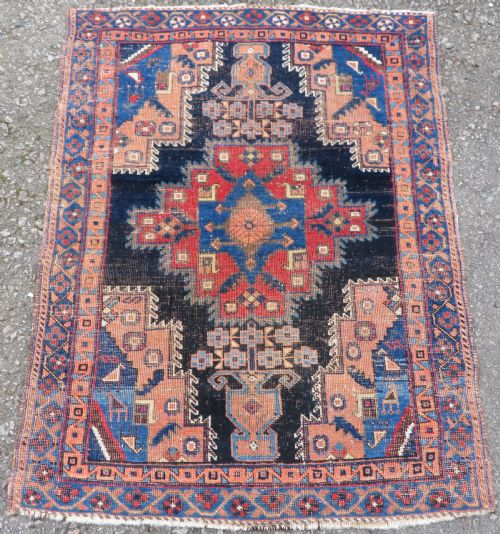
When you search for a vintage afshar area rug, you encounter hand-knotted textiles originating from the tribal and nomadic groups of the Kerman province in South Persia. The selection spans distinct forms including standard area rugs, long runners, saddle bag faces, and utilitarian breadth sofreh woven for daily nomadic life. These pieces emerge from production dates reaching back through the nineteenth century into the twentieth century, aligning with periods such as eighteen seventy up to nineteen forty.
You are most likely to meet classic room-sized and smaller formats displaying traditional motifs like the boteh pattern, dragon and phoenix designs, or repeating heratti layouts. Many examples originate specifically from the Neiriz region within the Kerman province, showing deep roots in Persian tribal aesthetics. They serve equally as floor coverings or as collectible textile displays with strong historical resonance.
How they were made
Weavers constructed these carpets using wool and hand-spun wool knotted onto sturdy cotton foundations. The material choices provided the density and tactile quality required for nomadic durability.
The technique relies on traditional hand-knotting methods executed by Afshar nomads and village weavers in Southern Persia. This labour-intensive process allowed for intricate geometric and figurative designs to emerge with remarkable clarity.
Bread sofreh rugs were originally used by nomads for kneading dough, ensuring every meal came with a side of tribal artistry.
What varies in quality
The distinction between tiers of these textiles rests upon the quality and lustre of the wool utilised in the pile. Superior examples employ lustrous luminous wool that retains depth of colour and stands up to age.
Execution of design and precision of weave differentiate standard domestic pieces from finer tribal works. The clarity of motifs like the heratti pattern or dragon and phoenix designs indicates the weaver's mastery.
The Vintage Afshar Area Rug Glossary
- Sofreh
- A flatwoven or piled cloth utilised by nomadic groups for spreading meals or processing bread. These textiles often feature striking tribal symbols.
- Boteh
- A stylised floral motif resembling a almond or curved pear shape. It appears frequently in repeat patterns across South Persian carpets.
- Heratti
- A repeating floral pattern composed of a central rosette enclosed by leaves and flanked by fish. This design forms a classic field decoration in Persian weaving.
- Soumak
- A flatweaving technique that wraps supplementary weft threads over the warp to create a durable, textured surface. It distinguishes certain tribal rugs from pile-woven examples.
- Saddle bag face
- The front panel of a utilitarian animal transport bag preserved as a small rug. These sections display concentrated nomadic designs.
Vintage Afshar Area Rug: Frequently Asked Questions
Where were vintage afshar area rugs made?
These rugs originate from the tribal and nomadic groups residing in the Kerman province of South Persia. Many specific pieces trace back to the Neiriz region within this southern territory.
The weavers belonged to the Afshar tribes, whose distinctive cultural aesthetic guided the patterns and structural methods used in each carpet.
How do I care for a vintage afshar area rug?
Protect the wool pile by placing a breathable rug underlay beneath the piece to prevent slipping and uneven wear. Vacuum gently using suction only without rotating brush bars.
Keep the textile out of direct sunlight to protect the natural dyes. Professional cleaning by a specialist in antique oriental rugs is recommended when necessary.
How can I tell the age of an afshar rug?
Dating relies on examining the materials, dye types, and structural wear indicative of nineteenth and early twentieth century production. Natural irregularities in hand-spun wool provide clues to older periods.
Comparing regional specificities and motif evolution helps narrow down the decade of manufacture between eighteen seventy and nineteen forty.