




Cream Tribal Wool Carpet
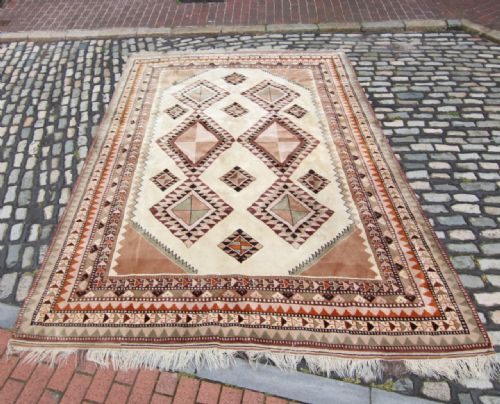
A cream tribal wool carpet brings geometric motifs and pale neutral foundations into an interior from nineteenth and early twentieth century weaving traditions.
Cream Tribal Wool Carpet
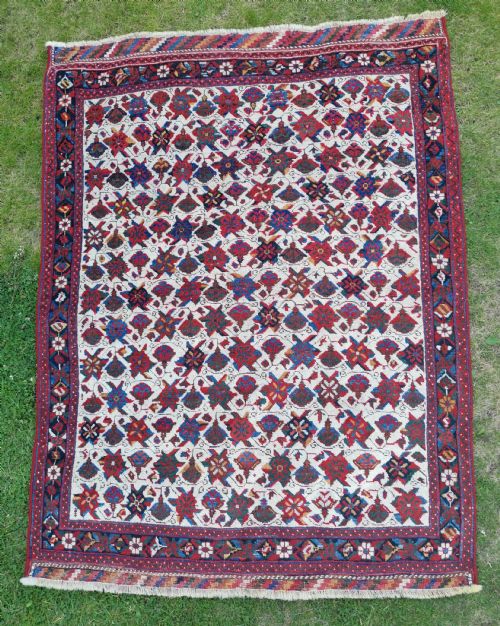
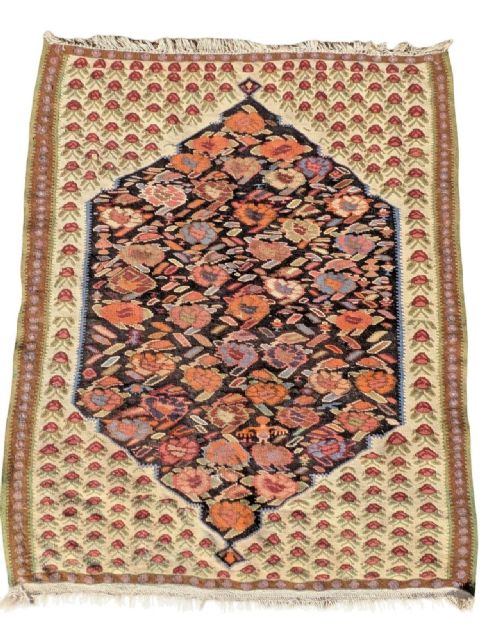
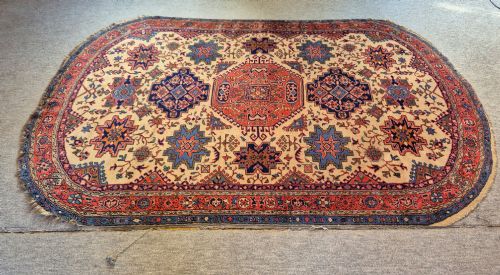
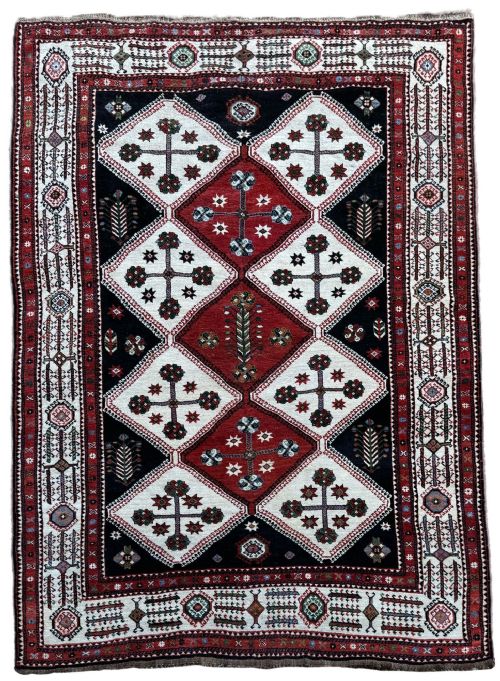
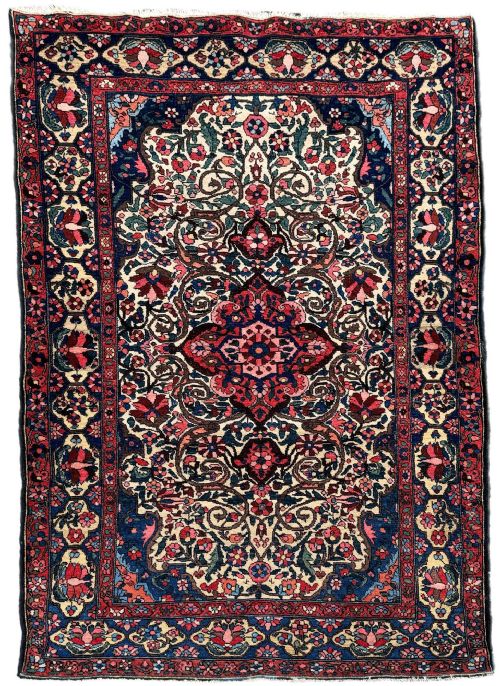
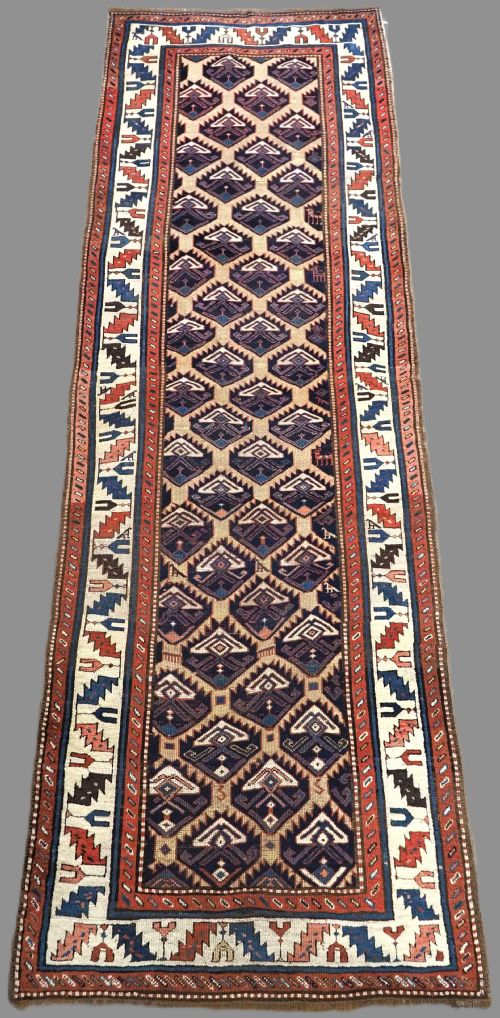
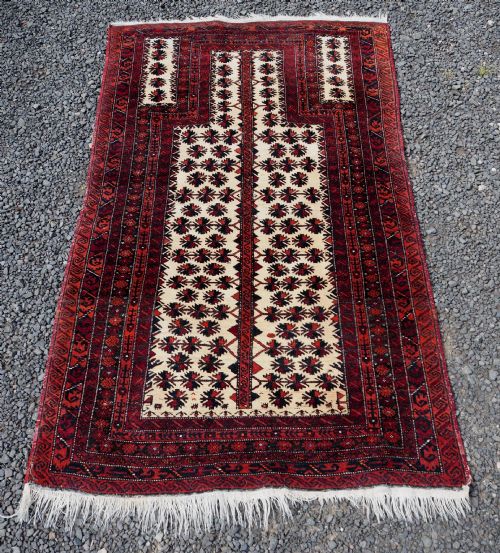
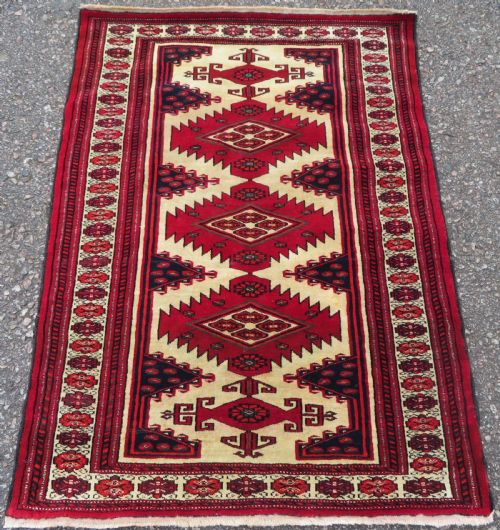
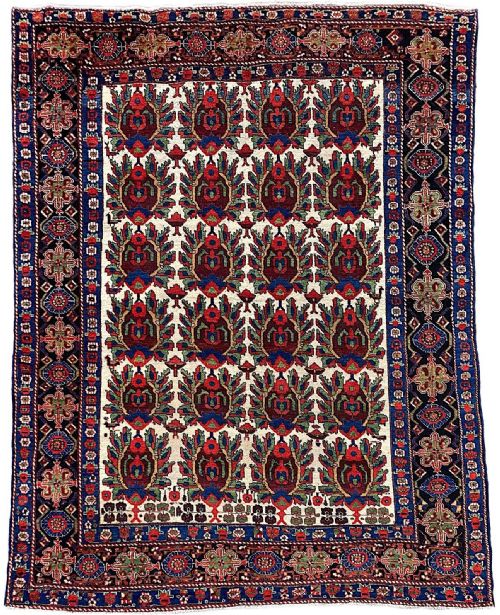
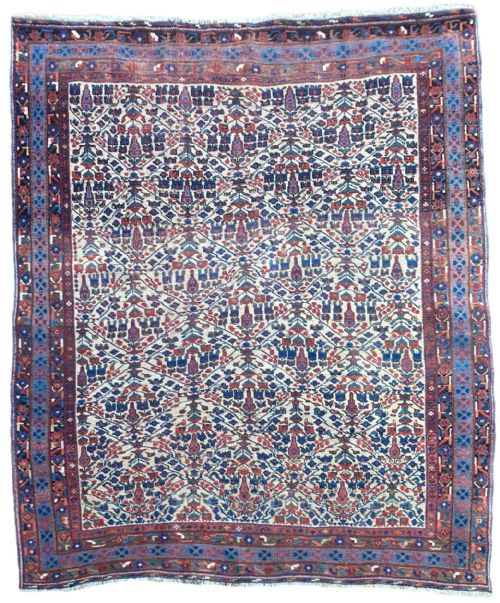
When searching for a cream tribal wool carpet, buyers encounter hand-woven textiles originating from nomadic and village traditions across Persia, Anatolia, the Caucasus, and Central Asia. These pieces often feature pale, ivory, or cream ground fields contrasting against darker geometric or pictorial motifs.
The selection ranges from smaller prayer rugs and village runners to larger area carpets woven by tribal groups such as the Afshar, Bakhtiar, Kurdish, and Baluchi. Examples date primarily from the late nineteenth century through to the early decades of the twentieth century.
Runners and area formats dominate the available forms, reflecting the utilitarian needs of nomadic tent interiors and rural village hallways. Each piece demonstrates regional design vocabularies passed down through generations of weavers.
Materials and Construction
Weavers utilised hand-spun wool for the pile and foundation yarns, providing a resilient texture that responds well to traditional hand-knotting techniques. Cotton frequently appears in the foundation warps and wefts of specific regional village carpets.
Natural dyes impart the characteristic colour palette, yielding soft abrasash variations across the cream backgrounds and darker patterned elements. The combination of hand-spun wool and natural colourants ensures the pile ages with a subdued patina.
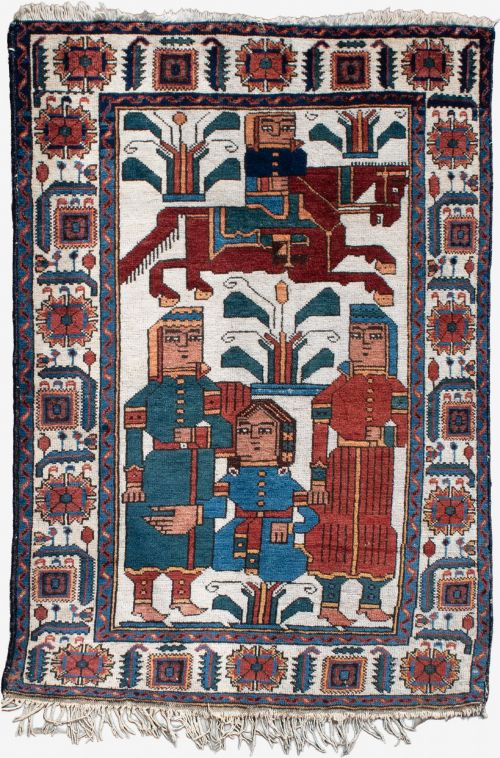
Certain prayer rugs hide whimsical animal motifs and small human figures tucked quietly away beneath the main architectural arch.
Factors of Quality
Knot density and structural integrity separate robust village carpets from simpler utility weaves, influencing how sharply the geometric and floral lattice designs resolve on the surface. Finer knotting permits more intricate drawing in prayer mihrabs and medallion borders.
The choice and stability of natural dyes dictate the visual depth of the cream ground over time, while even tension across the hand-spun wool foundation preserves the geometric geometry of runners and area formats without warping.
The Cream Tribal Wool Carpet Glossary
- Abrasash
- Natural tonal variation within a single field of colour caused by differences in dye batches or hand-spun wool skeins. This subtle striping indicates traditional dyeing methods.
- Mihrab
- The arched niche design found primarily on prayer rugs, symbolising a doorway or directional focal point toward Mecca. Weavers often orient the field motifs around this architectural element.
- Warp
- The vertical foundation threads stretched tightly on the loom before knotting begins. Cotton and wool serve as the primary materials for these structural elements.
- Weft
- The horizontal threads passed between rows of knots to secure the pile in place. Beating the weft tightly creates a dense, durable textile structure.
- Prayer Rug
- A smaller format rug featuring a mihrab design utilised for individual daily devotions. These pieces often display specific regional Anatolian or Persian village characteristics.
Cream Tribal Wool Carpet: Frequently Asked Questions
How do I clean an antique wool carpet?
Gentle surface vacuuming without a beater bar removes loose grit from the hand-spun wool pile without damaging the knot structure.
Professional specialist washing remains essential for deep cleaning to protect natural dye stability and prevent foundation shrinkage.
Are these carpets suitable for heavy hallway traffic?
Runner formats and dense village weaves withstand regular foot traffic in hallways when paired with a quality underlay.
The resilient nature of hand-spun wool naturally resists crushing and maintains its structural integrity over decades of use.
How do I distinguish regional tribal styles?
Geometric lattice patterns, specific colour palettes, and knotting structures help identify pieces from Caucasian, Anatolian, or Persian weaving traditions.
Examining the side cords and end finishes provides further clues to the specific nomadic or village origin.
Can I place these rugs on heated floors?
Natural materials like wool and cotton tolerate moderate underfloor heating when paired with breathable natural underlays.
Extreme direct heat can dry out the natural lanolin in the wool fibres over extended periods.