
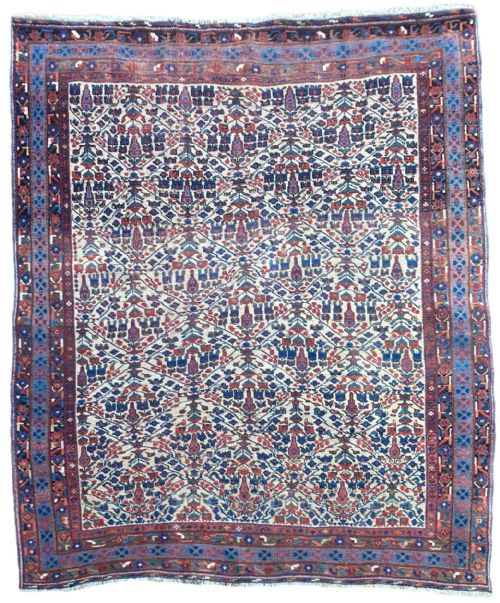


Kerman Tribal Wool Carpet
These kerman tribal wool carpet pieces are durable Persian textile works offering rich regional character for any room.
Kerman Tribal Wool Carpet
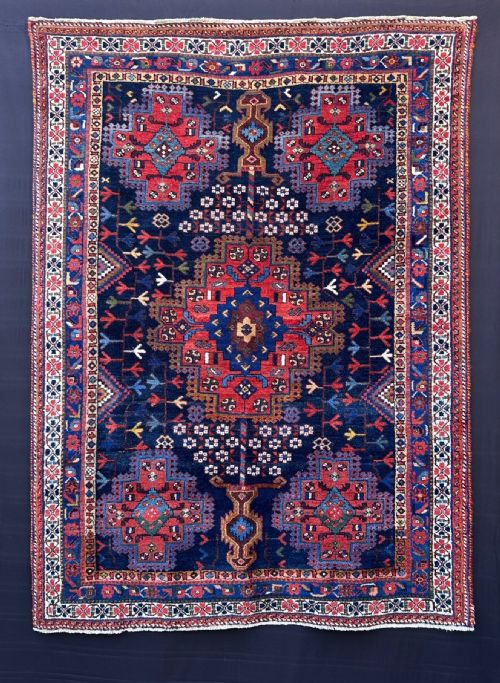
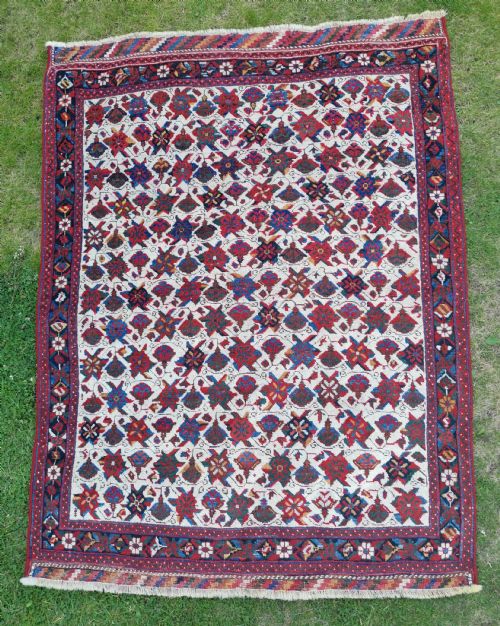
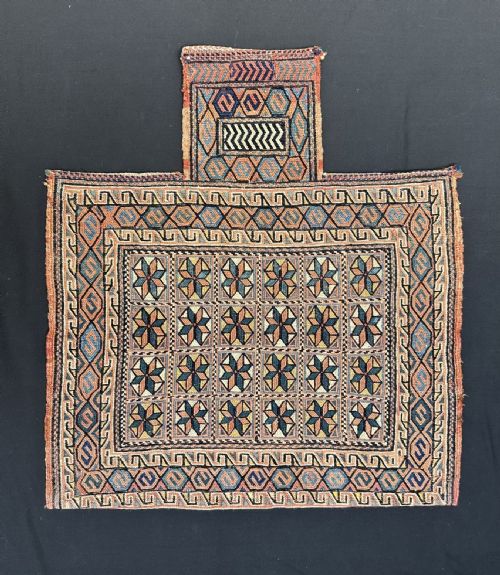
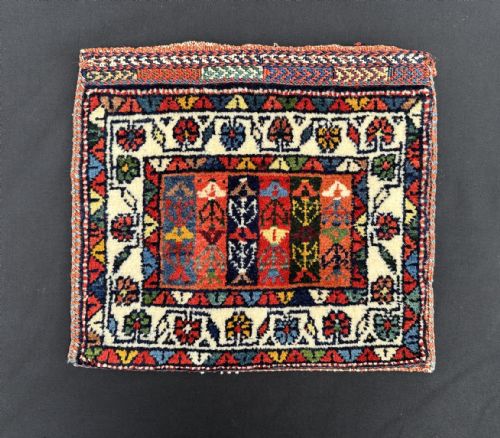
A kerman tribal wool carpet brings tangible South Persian heritage into a modern interior through traditional floor coverings and woven bags. When you search for a kerman tribal wool carpet, you encounter rugs, area rugs, salt-bags, vanity-bags, and soumaks originating from the Kerman Province and the Neiriz region. These textiles represent the artistic output of Afshar tribes working across Southern Persia during the late nineteenth and early twentieth centuries.
The objects most frequently met on this page are antique Afshar rugs dating from 1870 to 1920. Alongside these floor coverings, collectors find specialised tribal textiles such as woven storage bags created for nomadic or village use. Each piece demonstrates the distinct design traditions associated with the Bardsir and Neiriz areas of Kerman Province.
How they were made
Weavers constructed these textiles using wool for the pile and structure, combined with cotton foundations depending on the specific item. Natural dyes provided the deep, stable palette characteristic of nineteenth and early twentieth-century Persian weaving. Artisans employed traditional knotting and flat-weaving techniques, including soumak work, to produce both durable floor carpets and practical utility bags.
The nomadic and village workshops of South Persia relied on locally sourced materials that aged with a distinct patina. Hand-spun wool took natural colourants readily, resulting in the characteristic regional hues seen across rugs and tribal bags from the Kerman Province.
Listings span the period from 1870 to 1920, documenting South Persian tribal production through rugs, area rugs, and woven bags.
What varies in quality
The refinement of the knotting and the handling of the wool dictate the visual depth of each rug. Tighter structures allow intricate geometric patterns from the Neiriz and Bardsir regions to remain crisp over decades of use.
Palette consistency and dye saturation separate standard utility pieces from exceptional tribal textiles. Natural dyes mellow unevenly across the wool, creating a lively surface texture that industrial colourants fail to replicate.
The Kerman Tribal Wool Carpet Glossary
- Afshar
- A nomadic and village tribe originating from South Persia, particularly associated with the Kerman Province and Neiriz region. Their woven works often display sharp geometric medallions and rich tribal motifs.
- Soumak
- A flat-weave technique where working threads wrap around the warp before passing back, creating a textured surface without a cut pile. This method provides durability, frequently utilised for bags and decorative covers.
- Neiriz
- A specific geographical region within the Kerman Province known for distinct Afshar weaving traditions. Rugs from this area often exhibit characteristic colour combinations and drawing styles.
- Bardsir
- A district within the Kerman Province associated with the production of tribal bags and rugs by local Afshar groups. Pieces from here reflect specific nomadic weaving practises.
- Natural Dyes
- Colourants derived from plant, insect, and mineral sources used historically in Persian textiles. These materials yield rich tones that soften gracefully over time.
Kerman Tribal Wool Carpet: Frequently Asked Questions
Where were these rugs made?
These textiles originate from the Kerman Province and surrounding regions in South Persia, particularly associated with Afshar tribal groups.
Specific pieces trace their origins to locations like the Neiriz region and Bardsir, reflecting distinct local village and nomadic weaving traditions.
How do I care for a tribal wool carpet?
Regular gentle vacuuming without a beater bar removes surface grit that can lodge in the wool pile. Professional cleaning suited to antique textiles preserves the natural dyes and structural integrity.
Keep the carpet out of direct, continuous sunlight to prevent fading of the natural colourants. Rotating the piece periodically ensures even wear across high-traffic areas.
What is a tribal salt-bag?
Nomadic groups utilised salt-bags as practical, portable containers woven with durable flat-weave or pile techniques. These functional items served daily domestic needs within the camp.
Today, collectors prize these bags for their concentrated regional designs and fine craftsmanship. They function well as small wall hangings or decorative accent pieces.
How do I date these textiles?
Dating relies on stylistic analysis, structural characteristics, and the handling of the wool and natural dyes. Pieces from the late nineteenth century often display distinct colour palettes compared to early twentieth-century examples.
Comparative study of known Afshar and Kerman Province weaving helps narrow the period of origin. Variations in knot density and design abstraction offer further clues to the decade of creation.