





Vintage Accent Mirror
A vintage accent mirror catches the eye instantly, bringing reflected light and period character into a room with genuine presence.
Vintage Accent Mirror
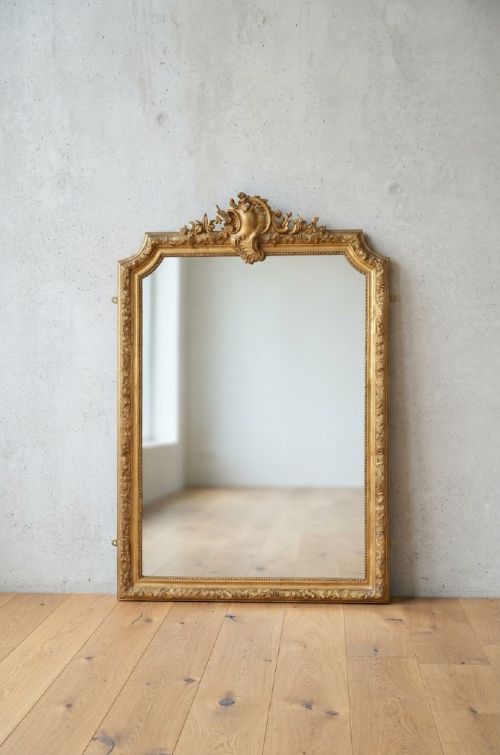
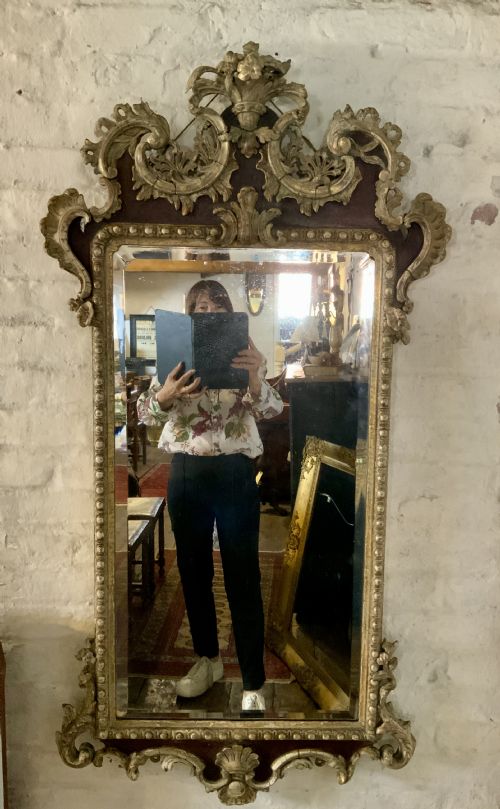
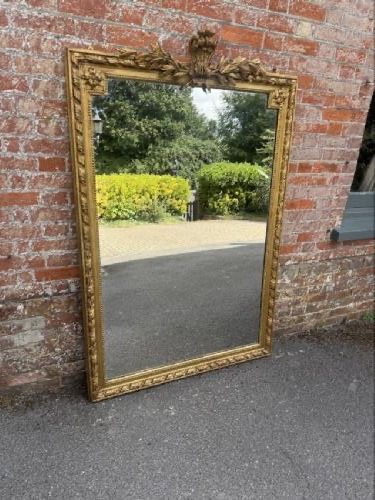
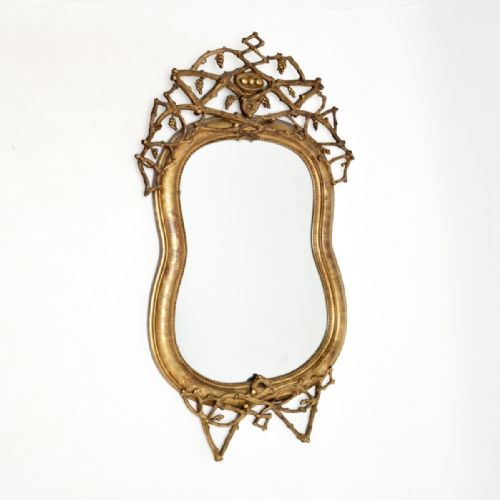
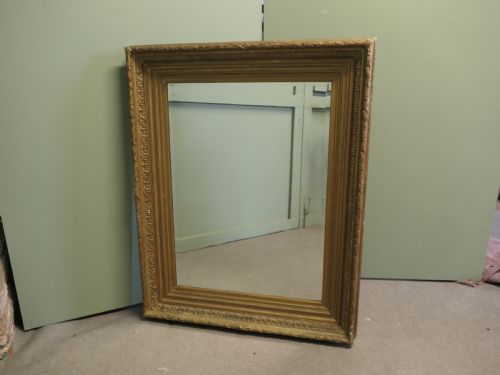
A vintage accent mirror serves as a decorative focal point, bringing reflected light and distinct character into interior spaces. These pieces function primarily as wall mirrors, overmantel mirrors, and smaller convex forms designed to draw the eye.
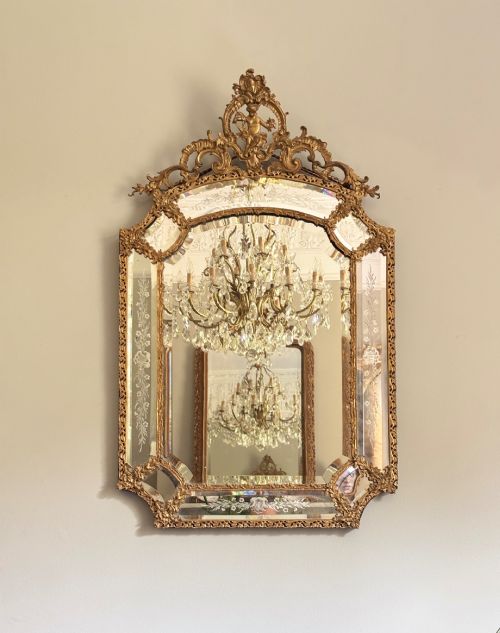
The selections span multiple historical periods, reaching from the eighteenth century through the Victorian era and into the Art Deco period. Buyers encounter diverse stylistic influences, including Rococo Revival, Arts and Crafts, and French Chateau designs.
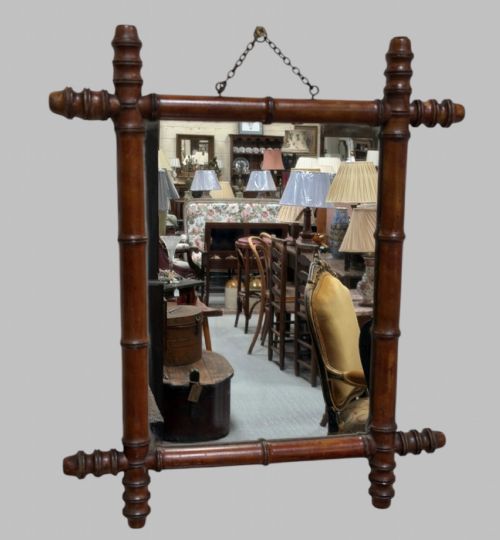
Origin points vary widely, incorporating Italian, French, Chinese Chippendale, and Georgian traditions. The forms range from grand carved giltwood overmantels to intimate faux bamboo wall mirrors.
How they were made
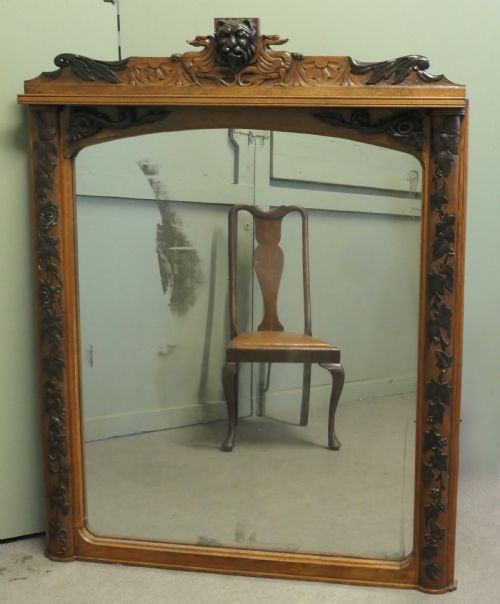
Makers utilised traditional woodworking and carving techniques, shaping solid woods such as oak, walnut, and kingwood into elaborate frames. Giltwood and gesso pieces received layers of gold leaf or applied finishes over carved wooden foundations.
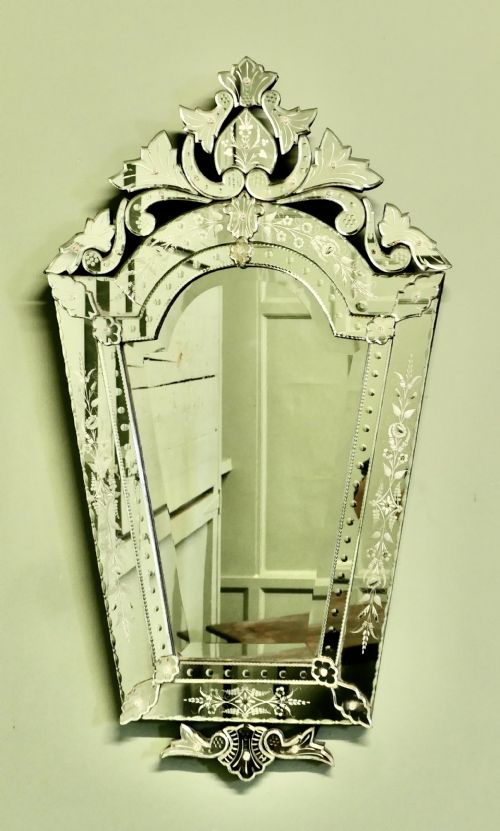
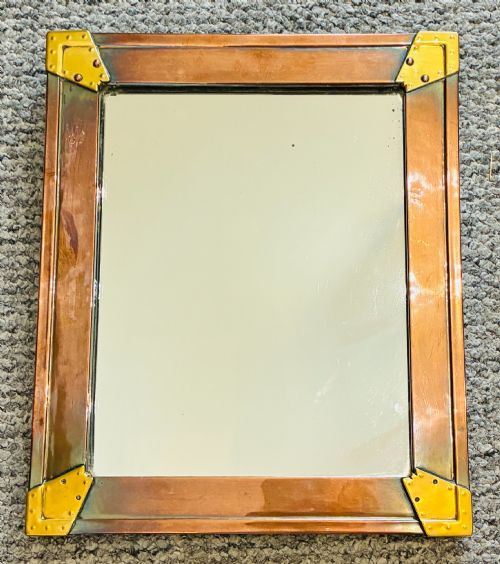
Specialised techniques included rope twist carving, parcel gilding, and simulated wood finishes, alongside the incorporation of brass, copper, and chrome in later pieces. Mirrored glass plates were set within these frames, sometimes featuring engraved details or convex curvature.
The selection includes regional styles ranging from Venetian and Italian Rococo to French Chateau and Chinese Chippendale.
What varies in quality
The calibre of a vintage accent mirror depends heavily upon the depth and definition of its carved ornamentation. Skilled hand-carving in wood and gesso creates crisp floral and scroll motifs that distinguish superior pieces from simpler moulded alternatives.
Material selection and surface finishing also dictate the standing of a mirror. Original gilding, well-preserved silvered or engraved glass plates, and sound structural joinery indicate careful historic construction.
The Vintage Accent Mirror Glossary
- Giltwood
- Wood that has been coated with gold leaf or gold paint. This technique was widely applied to decorative frames to create a luminous metallic finish.
- Gesso
- A plaster-like material applied to wood frames and carved before gilding. It provides a smooth base for intricate relief ornamentation.
- Overmantel mirror
- A large mirror designed to hang specifically above a fireplace mantel. These pieces often feature wide proportions to balance the hearth below.
- Convex mirror
- A round mirror with a bulging curved glass surface that reflects a wide-angle, distorted view of the room. They were frequently employed to illuminate darker corners.
- Parcel gilt
- An object partially gilded, leaving areas of natural wood visible alongside the gold leaf. This creates a contrasting two-tone visual effect.
Vintage Accent Mirror: Frequently Asked Questions
Where should I hang a vintage accent mirror?
These mirrors suit hallways, living rooms, and above fireplaces where they capture and reflect natural light. Positioning them opposite a window maximises brightness in smaller spaces.
Heavier overmantel and carved wood pieces require secure wall fixings to support their substantial weight safely.
How do I identify a Victorian mirror?
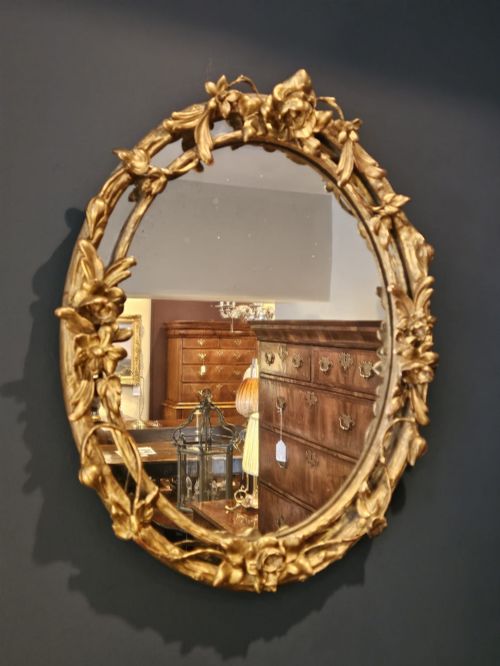
Victorian examples frequently display robust timber frames, rose vine motifs, or heavy Rococo Revival styling. They often utilise dense woods and deep carvings characteristic of nineteenth-century production.
Examining the backing boards and the composition of the glass plate helps confirm the period origin.
What is the difference between an overmantel and a wall mirror?
Overmantel mirrors are traditionally proportioned to sit horizontally above a fireplace mantelpiece. Standard wall mirrors are versatile and may be hung vertically or horizontally in various rooms.
Overmantel pieces generally command more visual weight within an interior scheme.
How do I care for antique glass and gilt frames?
Dust giltwood and carved frames gently with a soft, dry brush to protect delicate gesso and gold leaf surfaces. Avoid chemical sprays or moisture near historic gilding.
Clean the mirrored glass sparingly using a cloth dampened slightly with water or a mild glass cleaner, taking care not to let liquid seep behind the frame edge.