





Silver Framed Mirror
A silver framed mirror brings reflected light and metallic sheen to a room, ranging from small dressing table stands to grand overmantles.
Silver Framed Mirror
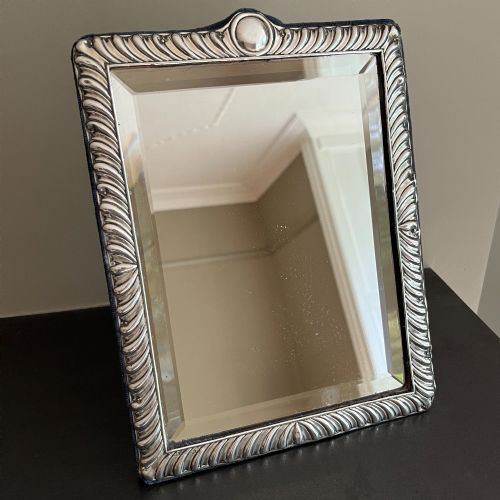
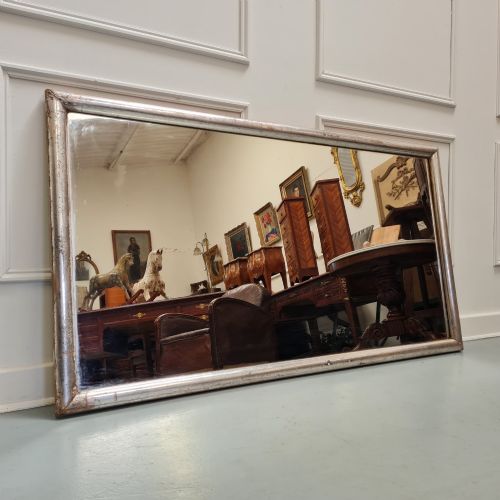
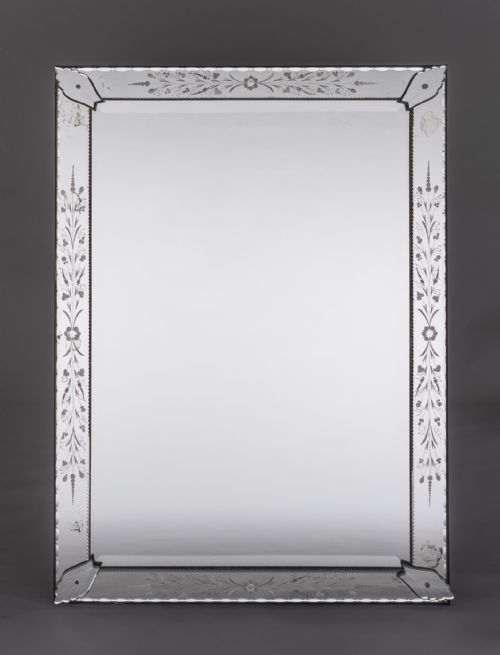
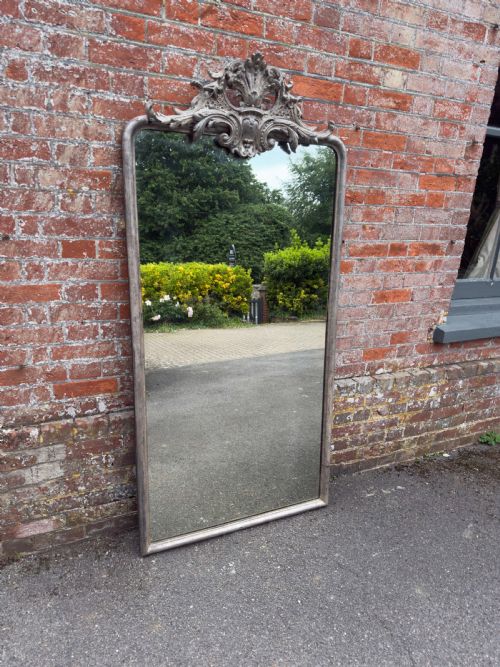
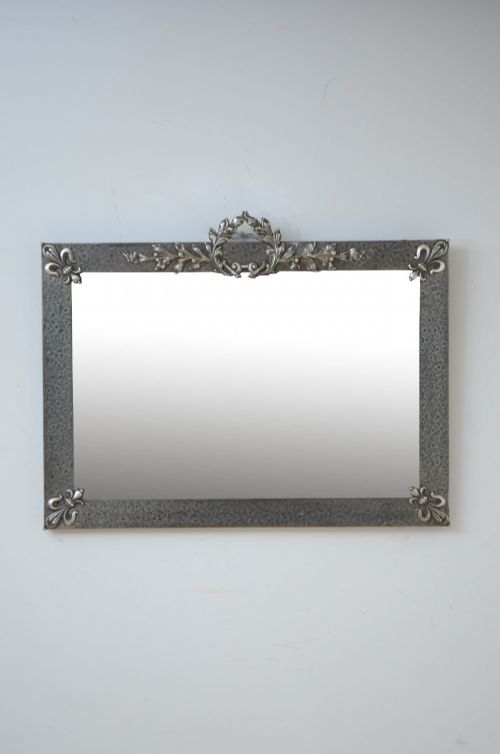
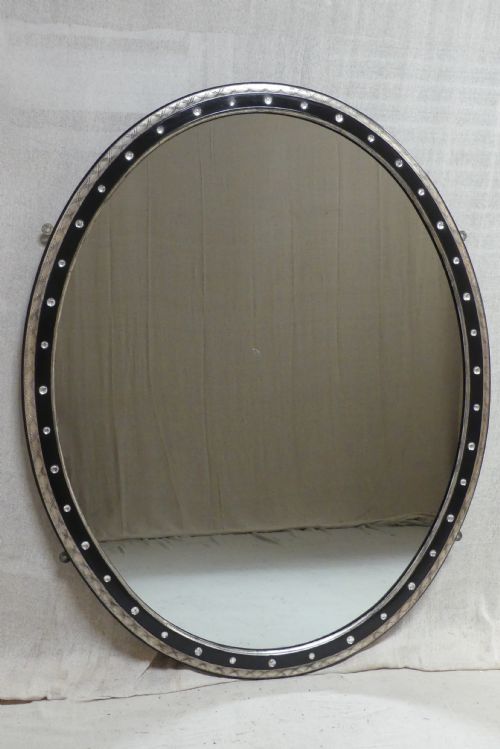
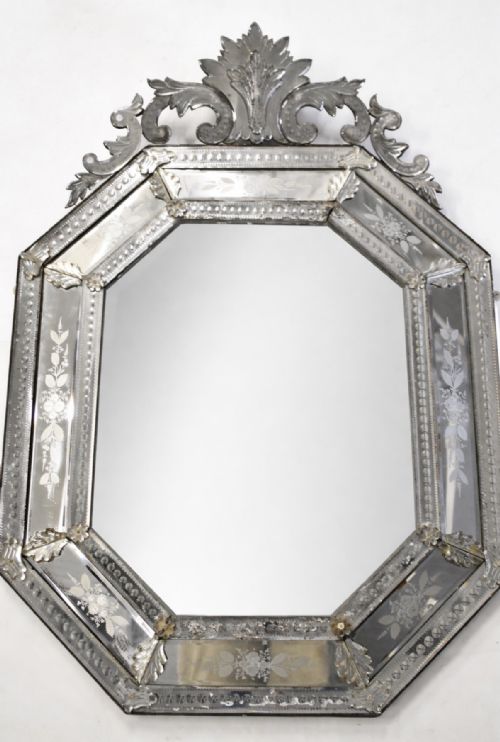
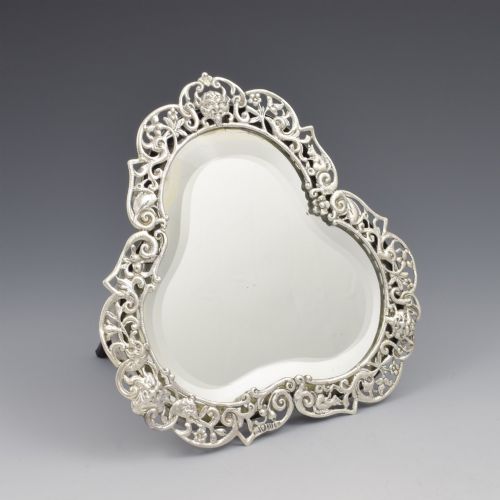
A silver framed mirror encompasses a wide selection of wall hanging pieces, overmantles, and tabletop designs sourced from the nineteenth and twentieth centuries. Buyers frequently encounter French Louis Philippe and bistro examples alongside Victorian sterling silver strut mirrors and Italian Venetian glass creations.
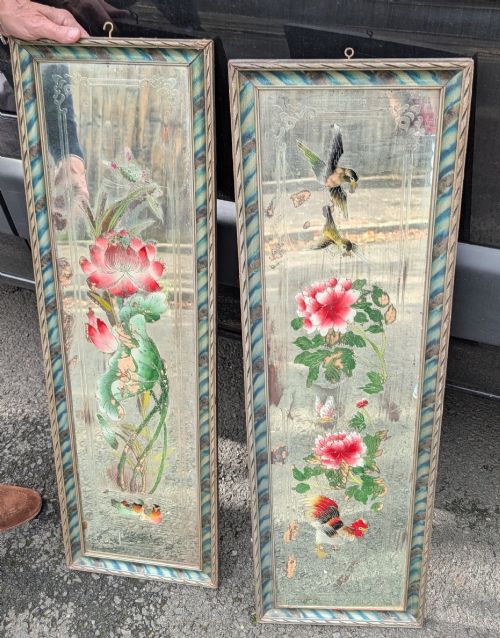
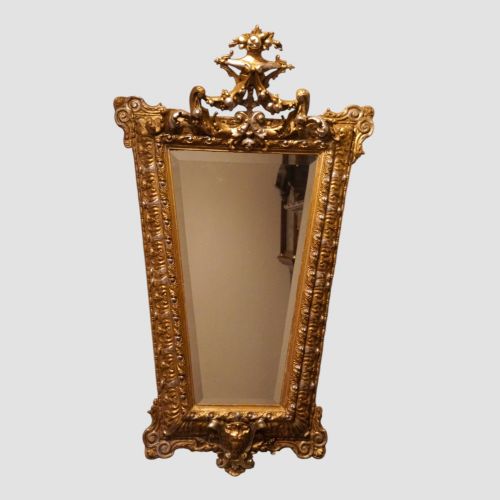
The objects serve functional and decorative purposes across domestic interiors, appearing as dressing table accessories, easel backs, and large architectural wall fixtures. Many pieces showcase carved wood and gesso frames finished with silver leaf or original silvered coatings.
Origins stretch from English workshops to continental centres such as France and Italy, spanning periods from the late seventeenth century through the Edwardian era and the 1930s. The selection balances intimate vanity mirrors with substantial architectural plates designed to expand perceived interior space.
What Varies in Quality
The standard of carving on wood and gesso frames dictates the visual depth and crispness of floral motifs, rope twists, and architectural moulding. Superior examples retain their original silver leaf or untouched silvered surfaces without excessive modern repainting or crude restoration.
Glass integrity separates standard production from finer items, particularly where hand-bevelling, deep plate engraving, or original foxing adds historic character. The weight and rigidity of the underlying timber or the thickness of solid sterling silver mounts dictate structural longevity.
William Comyns·Henry Matthews·WMF
The Silver Framed Mirror Glossary
- Gesso
- A plaster-like mixture applied to wood frames to create a smooth base for gilding or silvering. This compound allows carvers to achieve sharp relief details before metal leaf application.
- Overmantle Mirror
- A wide mirror specifically designed to hang above a fireplace mantelpiece. These pieces frequently feature arched tops or horizontal proportions suited to architectural settings.
- Strut Mirror
- A tabletop or dressing table glass supported by a hinged rear leg for upright display. Also known as an easel mirror, this form allows adjustment of the viewing angle.
- Foxed Plate
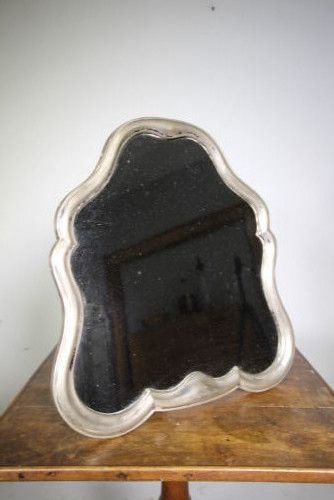
- Mirror glass displaying characteristic dark spots and cloudy degradation caused by age and moisture affecting the silver backing. Collectors prize authentic foxing for the historic atmosphere it imparts.
- Cushion Mirror
- A frame profile featuring a convex or sloping central section that pushes the reflective glass outward. Venetian examples often employ this shape alongside engraved decorative borders.
Silver Framed Mirror: Frequently Asked Questions
How do I hang a heavy overmantle mirror safely?
Substantial nineteenth century frames require professional wall anchors fixed directly into masonry or secure stud framing. The weight of carved wood and gesso demands robust weight-bearing brackets.
Ensure the hanging wire or integrated D-rings match the mass of the timber structure before mounting above a fireplace.
Can I clean tarnished silver frames?
Sterling silver mounts respond well to gentle cleaning with specialised soft cloths to remove active tarnish without stripping historical patina. Avoid applying chemical polishes to silver leaf or gesso surfaces.
Painted and silvered wooden frames require only dry dusting to preserve the fragile metallic coatings applied by past artisans.
What defines a Louis Philippe mirror?
Louis Philippe wall pieces typically feature a distinctive rounded upper corners or an arched top paired with a clean rectangular lower frame. The mouldings remain relatively understated compared to earlier ornate baroque styles.
These pieces gained popularity in nineteenth century French interiors for their practical proportions and reflective utility.
How do I tell an antique silvered frame from a modern reproduction?
Examine the backboards, fixings, and the composition of the gesso layer for signs of genuine age and tool marks. Older frames show natural oxidation, shrinkage cracks in the gesso, and hand-cut wooden construction.
Original mirror plates often exhibit subtle distortions, hand bevelling, or natural foxing absent in contemporary glass.