


Floral Crest Mirror
A floral crest mirror brings organic carved detail into a room, offering both decorative presence and reflected light.
Floral Crest Mirror
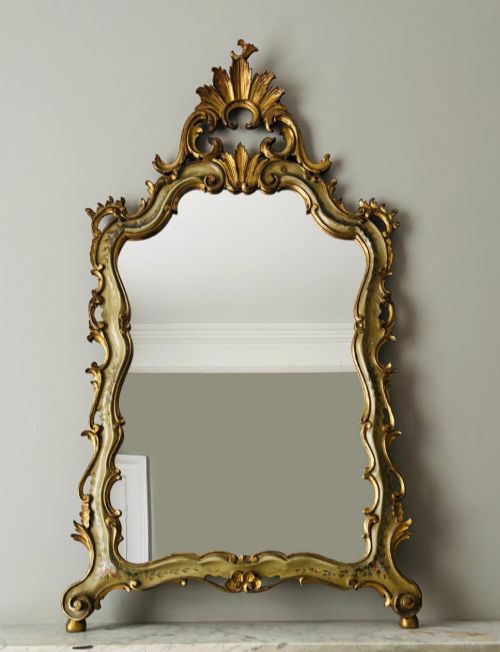
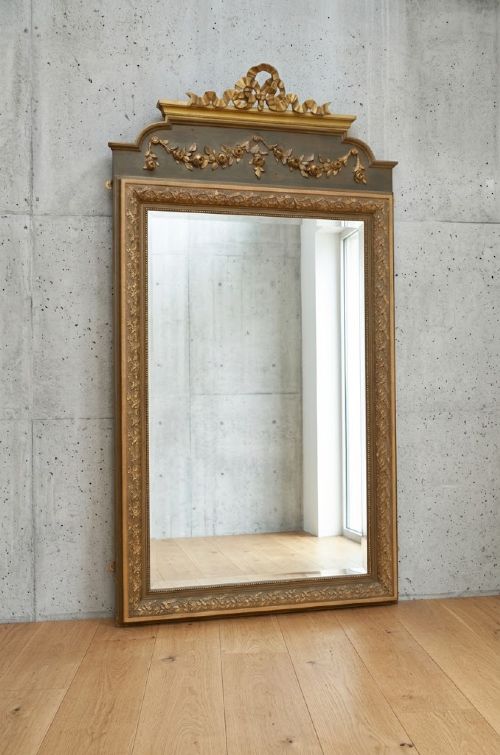
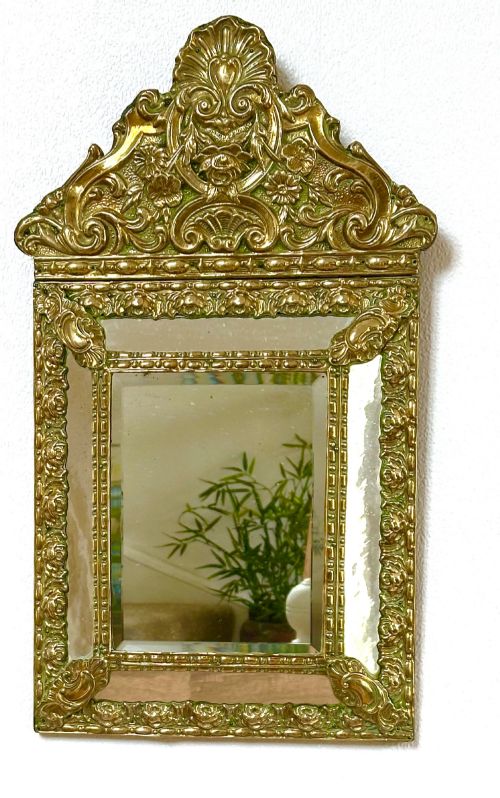
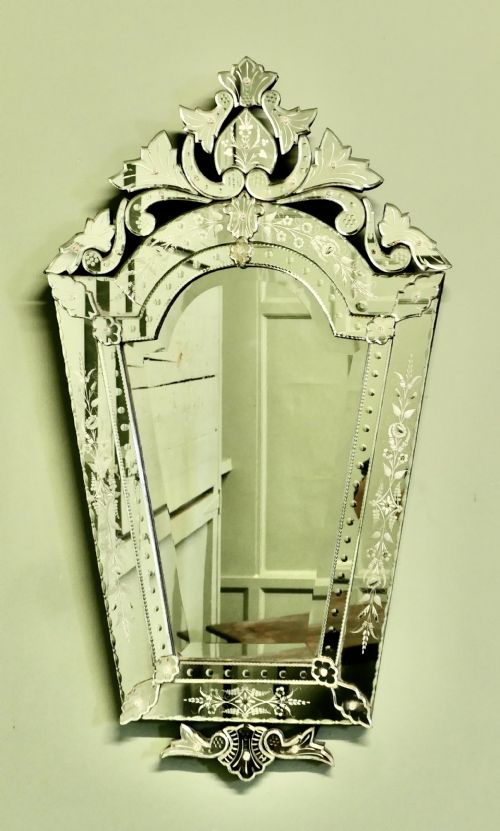
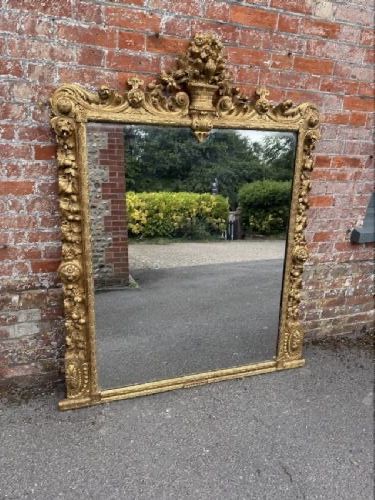
A floral crest mirror draws the eye upward to carved or applied botanical motifs perched above the glass plate. These pieces emerge across periods ranging from the eighteenth century to the mid twentieth century, encompassing styles from Venetian production to English walnut designs.
You meet various forms on this page, including large overmantle mirrors, grand wall mirrors, and smaller hanging pieces. The frames span carved giltwood, painted wood, and walnut veneer, often reflecting French Rococo Revival or classical influences.
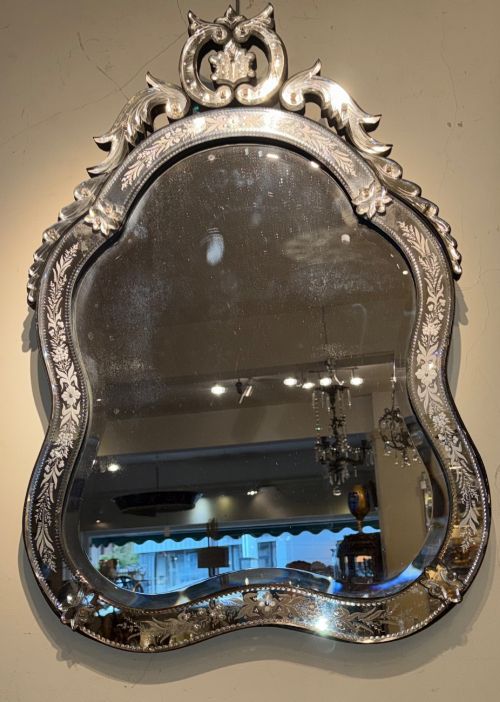
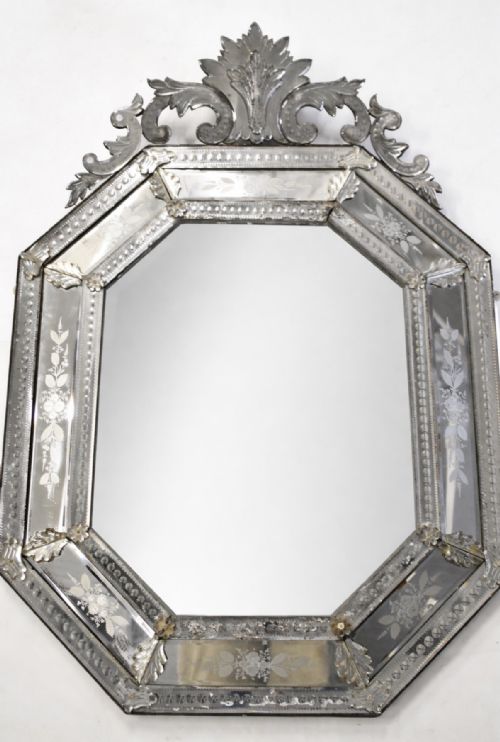
Regional diversity shapes these objects, with Venetian cushion plates sitting alongside English carved frames and Dutch marquetry examples. Each version uses floral or foliate ornamentation at the apex to soften the geometry of the glass.
Materials and construction
Makers shaped these frames from solid timbers like walnut or built them up from carved softwoods coated in gesso before applying gold leaf or paint. Giltwood surfaces catch the light, while painted and white finishes provide a softer domestic character.
The glass plates themselves range from flat silvered sheets to bevelled Venetian plates and cushion designs that follow the curves of the frame. Applied elements such as hand-painted foliate panels and carved ribbon crests complete the assembly.
The listings here span eight distinct periods, from the eighteenth century through to the nineteen-fifties, demonstrating enduring popularity for botanical crests.
Distinctions in quality
The depth and crispness of the carving at the crest separate ambitious workshop pieces from simpler output. Sharp relief work in wood and gesso shows a hand that understood three-dimensional botanical forms rather than relying on cast composition ornament.
The integration of the mirror plate with the frame also marks the standard of the piece. Older hand-silvered or foxed plates retain an undulating surface that plays with light differently than uniform modern glass.
The Floral Crest Mirror Glossary
- Gesso
- A plaster-based preparation applied to wood frames to provide a smooth base for gilding or painting. It accepts fine carving detail before the metal leaf is laid down.
- Cushion mirror
- A frame form where the border slopes inward toward the central glass plate like a pillow. This style appears frequently in Venetian production.
- Overmantle mirror
- A large horizontal mirror designed to hang specifically above a fireplace mantel. These pieces anchor the proportions of a reception room.
- Foxed plate
- Mirror glass that shows age through dark spots and oxidation beneath the surface. Collectors prize this characteristic for the atmospheric reflection it creates.
- Marquetry
- Inlaid woodwork forming decorative patterns using contrasting veneers. It frequently decorates Dutch walnut frames.
Floral Crest Mirror: Frequently Asked Questions
Where should I hang a floral crest mirror?
These mirrors suit spaces where the decorative top carving can be seen without competition from other furniture. Position them above a mantelpiece or on a principal wall to draw the eye upward.
Ensure the wall fixings match the weight of the timber and gesso frame. Large overmantle versions require secure anchoring into studs or masonry.
How do I date a floral crest mirror?
Dating relies on combining the timber species, the style of the carving, and the characteristics of the glass plate. Eighteenth-century examples often display hand-beveled edges and walnut carcases, while Victorian and later pieces utilise heavier gesso and machine-finished glass.
Examining the backboards and fixings provides further clues regarding the age of the construction. Replacement plates are common, so the glass may be younger than the frame.
Are these mirrors fragile?
The combination of heavy glass and carved wood or gesso requires careful handling during movement. Gesso ornamentation can chip if knocked against hard surfaces.
Regular dusting with a soft cloth keeps the carved details clear. Avoid using liquid cleaners directly on antique mirror plates to protect the silvering.