


Vintage Accent Chairs
Vintage accent chairs bring period character to a modern room, combining historical forms with practical seating.

What vintage accent chairs are
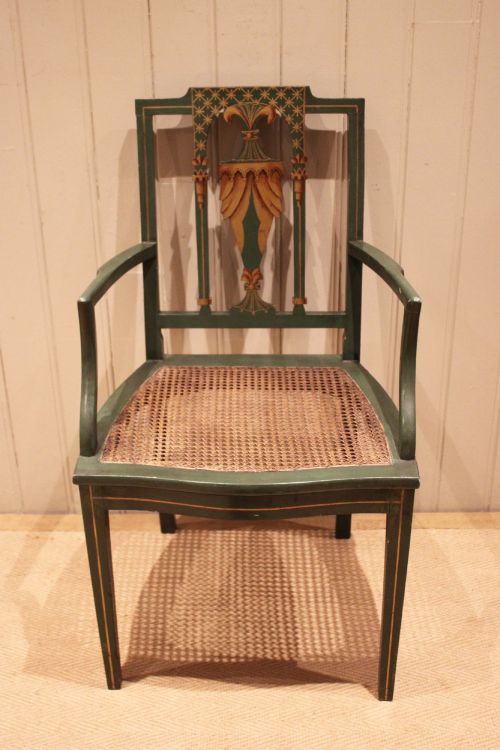
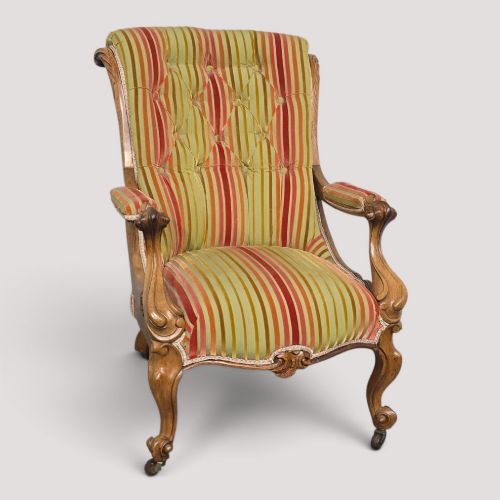
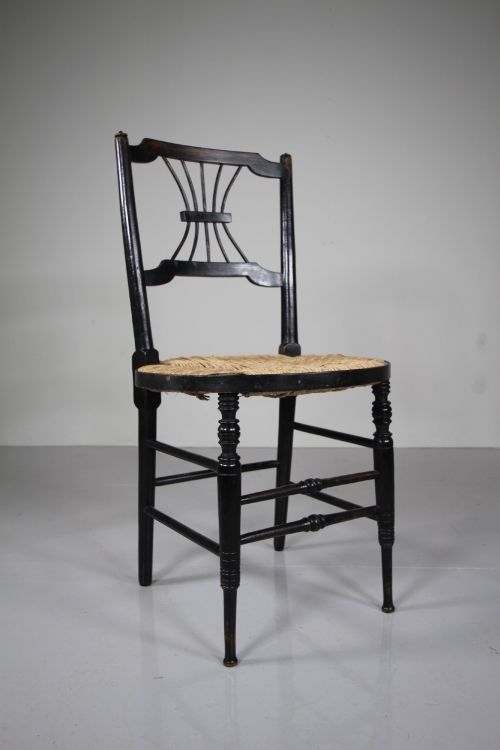
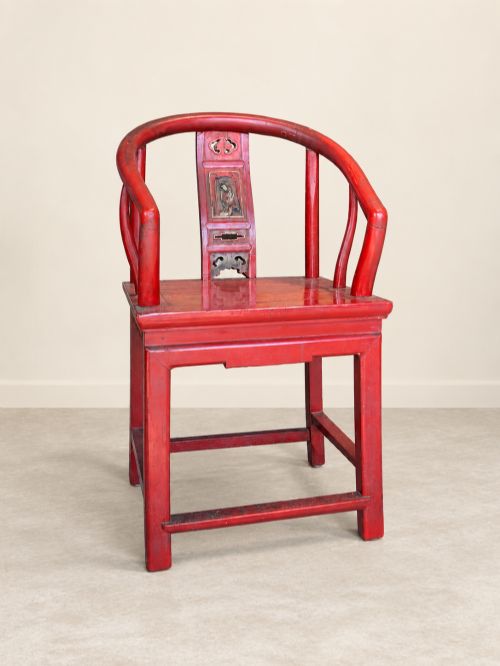
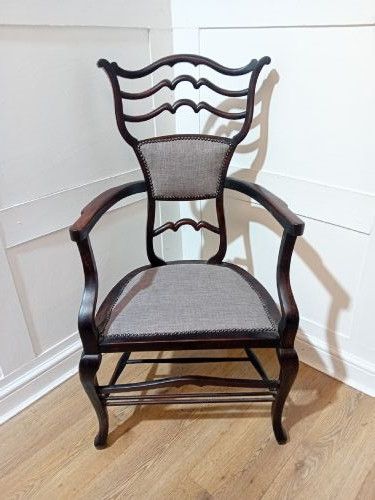
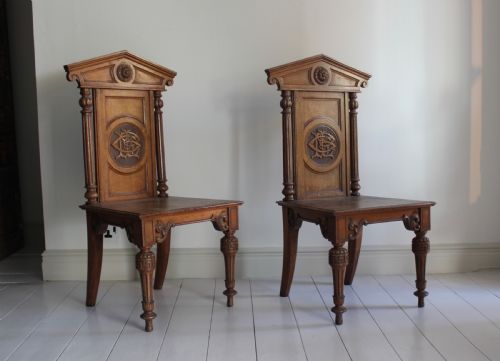
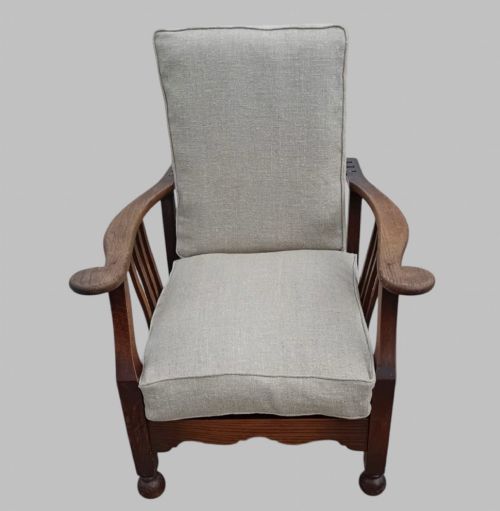
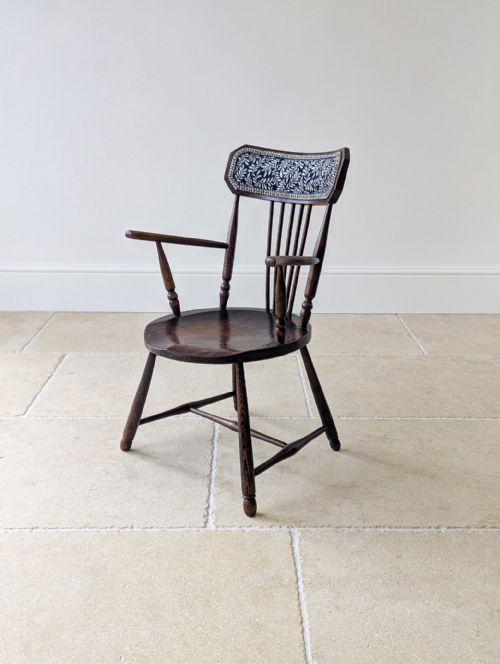
Vintage accent chairs encompass occasional seating spanning the Victorian, Edwardian, and Art Deco eras, alongside interwar British designs. Buyers searching for vintage accent chairs encounter diverse forms such as occasional chairs, bedroom chairs, and carved hall chairs.
How they were made
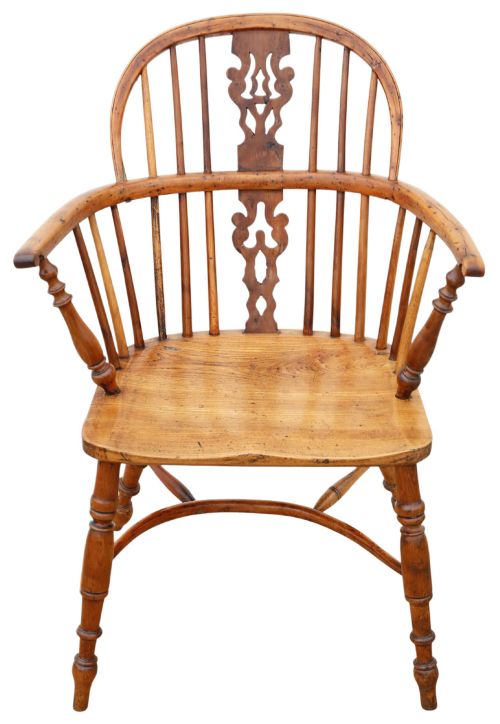
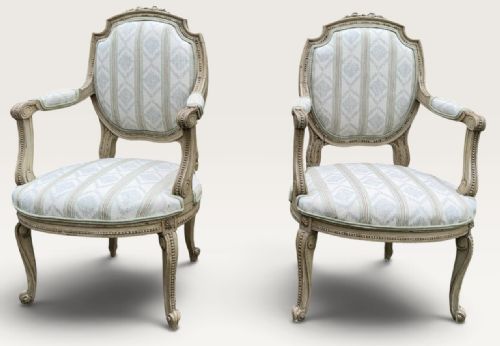
Cabinetmakers constructed these frames using timber such as mahogany, walnut, and oak, often incorporating inlaid details or detailed carvings into the wood. Surface finishes range from natural wood grains to gilt finishes.
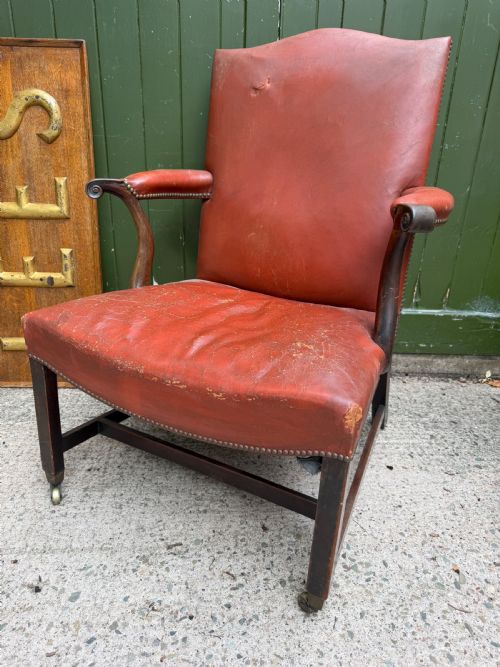
Upholstered variants rely on traditional fabric coverings applied to padded armchairs and occasional seats. Structural joinery and wood turning define the construction methods across the Victorian and twentieth-century examples.
Retail Price Guide 2026
Typical UK retail prices for vintage accent chairs, calculated from the Sellingantiques database of over a million retail prices indexed since 2003. This retail price guide relies exclusively on Sellingantiques data; no external sources or auction records are used, so the figures do not describe the wider market.
Some hall chairs double as polite reminders to sit up straight.
What varies in quality
The refinement of the timber carving and the precision of the wood inlay distinguish finer pieces from simpler utilitarian seating. Art Deco occasional chairs and Sheraton Revival bedroom chairs demonstrate different levels of decorative ambition.
Material selection plays a primary role, with burr walnut and giltwood finishes representing a more decorative tier compared to plain oak or standard mahogany frames. The integrity of the wood and the execution of applied details govern the overall character.
The Vintage Accent Chairs Glossary
- Carver armchair
- An armchair with wooden arms, often designed as part of a dining set or for occasional use.
- Inlay
- A technique where contrasting pieces of wood or other materials are inserted into the timber surface to form decorative patterns.
- Giltwood
- Timber that has been coated with gold leaf or a gold-coloured finish for a decorative effect.
- Occasional chair
- A movable, decorative chair intended for intermittent use in various rooms rather than primary seating.
Frequently Asked Questions
How do I choose an accent chair?
Consider the period and material of the chair in relation to your existing interior scheme. Different eras offer distinct silhouettes ranging from Victorian upholstery to Art Deco geometry.
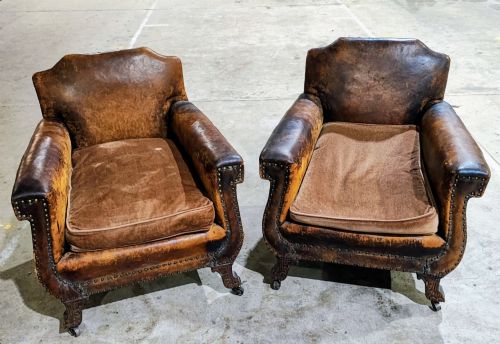
Matching pairs provide symmetry, whilst single armchairs create a distinct focal point in a hallway or bedroom.
Where should I place a hall chair?
Hall chairs traditionally sit against walls in entranceways or corridors as decorative and functional furniture. Their sturdy wood construction and upright posture suit transitional spaces.
They also function effectively as occasional seating in bedrooms or living areas.
What is a Sheraton Revival chair?
Sheraton Revival furniture draws inspiration from eighteenth-century neoclassical designs, typically featuring lighter wood frames and delicate inlay. These pieces date from later periods such as the Edwardian era.
They emphasise refined proportions and decorative woodwork over heavy upholstery.
How do I identify Art Deco chairs?
Art Deco chairs typically feature streamlined forms, geometric lines, and materials popular during the interwar period around nineteen-thirty. They depart from heavily ornamented Victorian styles in favour of simplified contours.
Pairs of occasional chairs from this era reflect modernising trends in domestic design.