




Vintage 18ct Gold Pin
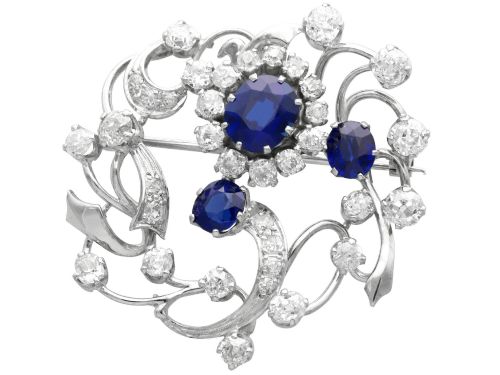
A vintage 18ct gold pin brings together substantial precious metal and fine stones in wearable forms spanning the Victorian era to the mid-century.
Vintage 18ct Gold Pin
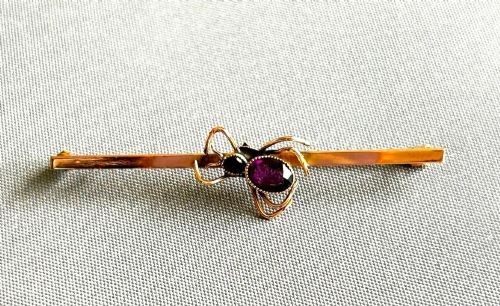
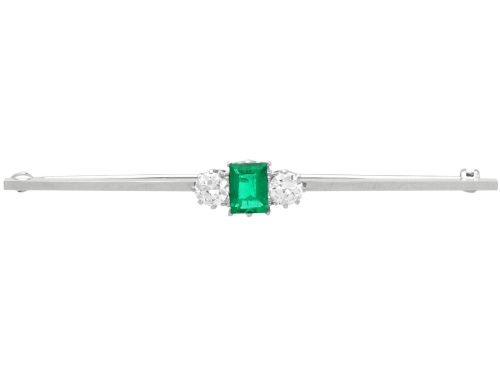
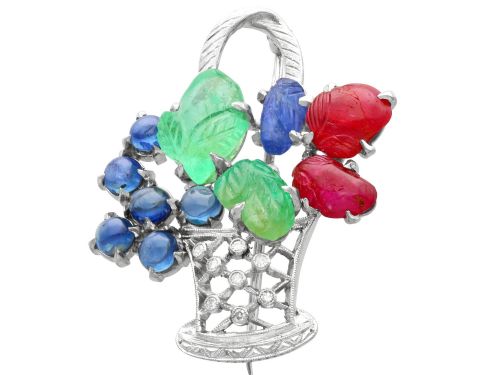
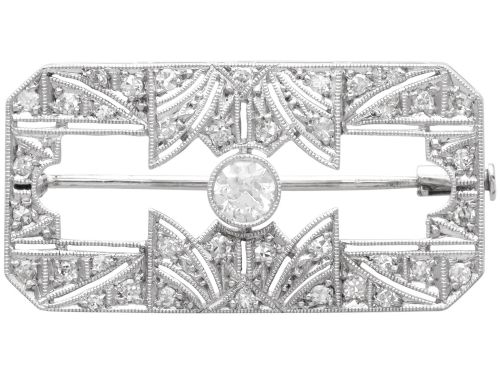
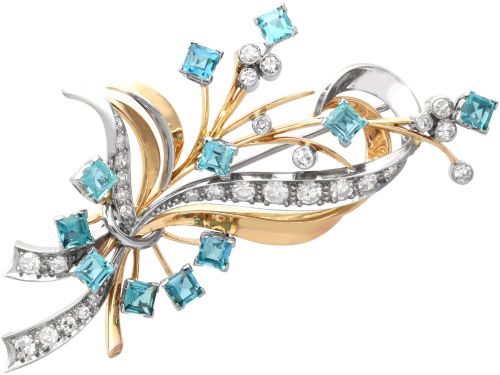
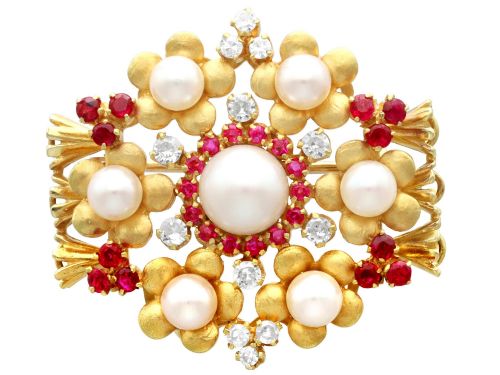
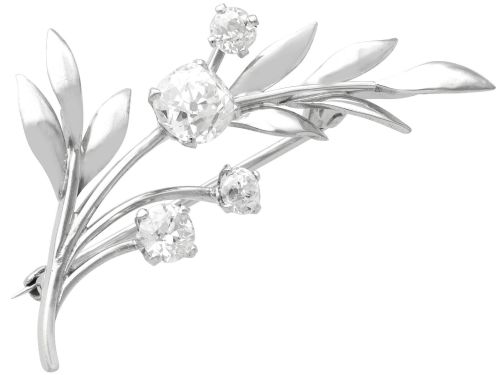
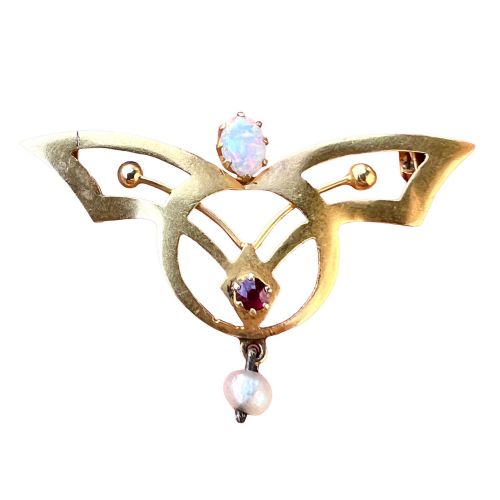
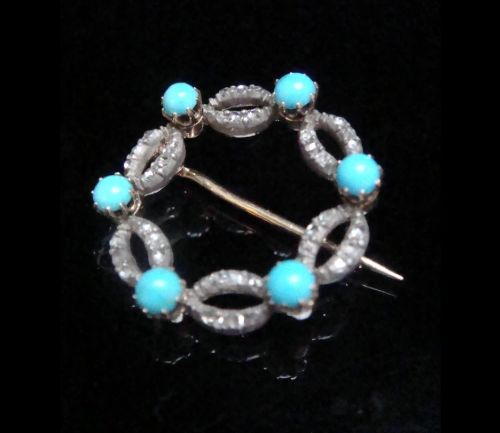
A vintage 18ct gold pin spans several distinct decorative periods, ranging from Victorian and Edwardian iterations through Art Nouveau and Art Deco into mid-century modern designs. These pieces manifest primarily as brooches, stick pins, and bar brooches configured into floral sprays, geometric arrangements, and figurative motifs such as animals and equestrian themes.
Buyers encountering this selection will frequently find items originating from the early decades of the twentieth century, alongside pieces carrying mid-century vintage markers. The forms utilise both 18ct yellow gold and 18ct white gold, often paired with platinum or silver settings to enhance the brilliance of mounted gems.
Materials and construction methods
Master jewellers constructed these pieces predominantly from 18ct gold, combining yellow and white variations of the metal with platinum or silver to secure gemstones effectively. Setting techniques involved precise claw, channel, and pavé work to hold diamonds, sapphires, rubies, and pearls securely within intricate frameworks.
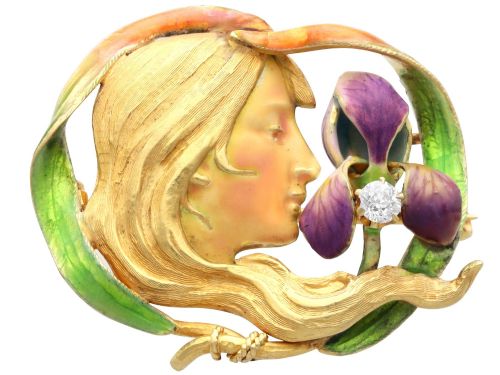
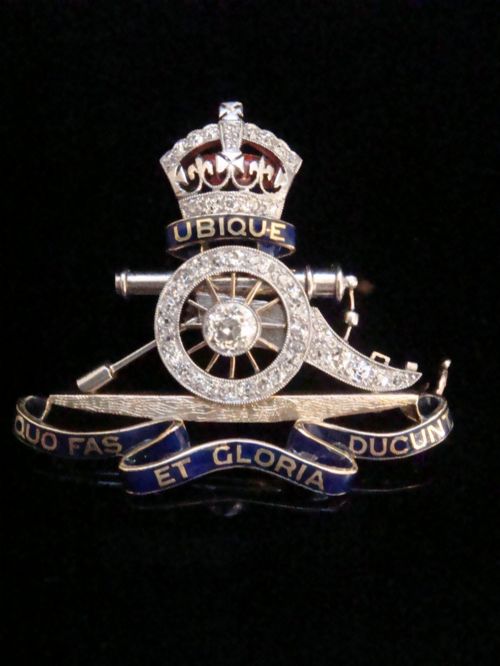
Enamel work frequently complemented the metal and stone combinations, employing translucent plique-à-jour or guilloché techniques to add rich colour to floral and military insignia designs. Pierced and openwork crafting gave lightness to heavier gold bases, creating delicate contours without sacrificing structural integrity.
Vintage 18ct Gold Pin Retail Price Guide 2026
Typical asking prices for vintage 18ct gold pin among the pieces listed under this phrase on Sellingantiques today, from the lower quarter to the upper quarter. They describe what is for sale here now, not the wider market.
A cunning fox face peers out from an Essex crystal, eternally guarding the lapel it occupies.
Factors defining superior craftsmanship
Quality in these items rests on the precision of the stone setting and the complexity of the underlying metalwork, where hand-piercing and detailed engraving distinguish superior examples. The weight and purity of the stones, from matched diamond pavé to substantial sapphires, rubies, and opals, heavily influence the overall standard.
Artistic execution and provenance also elevate certain works, particularly when pieces bear signatures from notable makers or incorporate demanding decorative techniques such as plique-à-jour enamel. The harmony between the 18ct gold mount and the supplementary platinum or silver sections indicates the maker's level of skill.
Garrard & Co·Kutchinsky·Ben Rosenfeld
The Vintage 18ct Gold Pin Glossary
- Bar brooch
- A narrow, elongated pin format popular across the Victorian and Edwardian periods, often centred with a cluster of gems.
- Stick pin
- A long pin topped with a decorative ornamental head, originally designed to secure neckties or lapels.
- Plique-à-jour
- An enamelling technique resembling stained glass, where enamel is applied without a backing, allowing light to shine through.
- Guilloché
- A decorative technique in which a precise, intricate pattern is mechanically engraved into an underlying metal surface before translucent enamel is applied.
- Old cut diamond
- A precursor to the modern brilliant cut, characterised by a smaller table, higher crown, and open culet which produce a softer candlelit sparkle.
Vintage 18ct Gold Pin: Frequently Asked Questions
How do I wear a vintage pin safely?
Vintage pins secure best on heavier fabrics like wool, tweed, or structured jacket lapels rather than delicate silks that might stretch under the weight of gold and gemstones.
Ensure the safety clasp or C-clasp functions securely before wearing, and consider adding a modern pin protector to the sharp end for extra security during movement.
What is the difference between an Edwardian and Art Deco pin?
Edwardian pieces generally feature platinum-topped yellow gold, lacy pierced openwork, and delicate floral or bow motifs set with pearls and diamonds.
Art Deco pins shift towards geometric symmetry, bold use of white gold or platinum, and strong colour contrasts provided by calibre-cut rubies or sapphires.
Can stick pins be converted into pendants?
Many jewellers can adapt a stick pin into a pendant by adding a discreet loop or bail to the reverse without altering the main decorative head.
This conversion allows the ornamental top to be worn on a chain, giving a delicate antique piece greater versatility for daily wear.
How should I clean my gold and diamond pin?
Warm water mixed with a mild washing-up liquid and a very soft brush will safely remove dust and oils accumulated around gemstone settings.
Avoid soaking pieces that contain pearls, opals, or enamel, as moisture can damage organic gems or compromise historic bonding materials.