




Village Woven Runner
These village woven runner examples bring genuine tribal character and enduring floor-covering utility to hallways.
Village Woven Runner
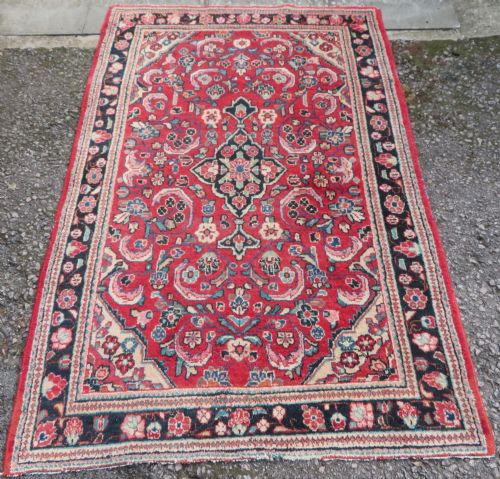
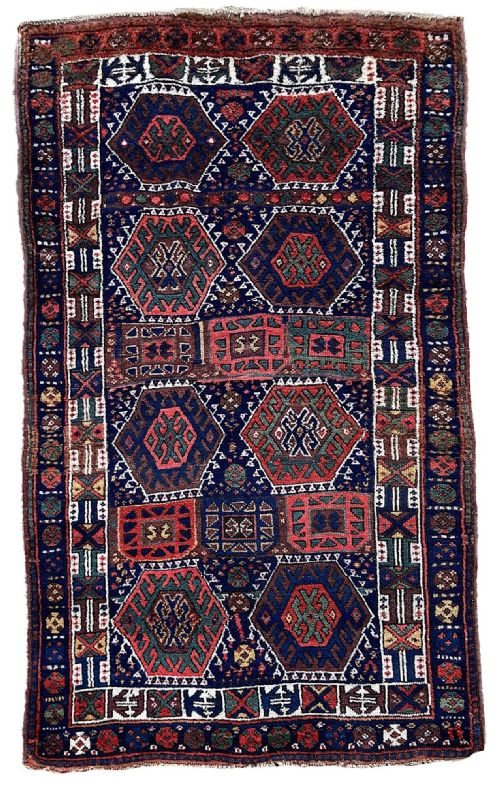
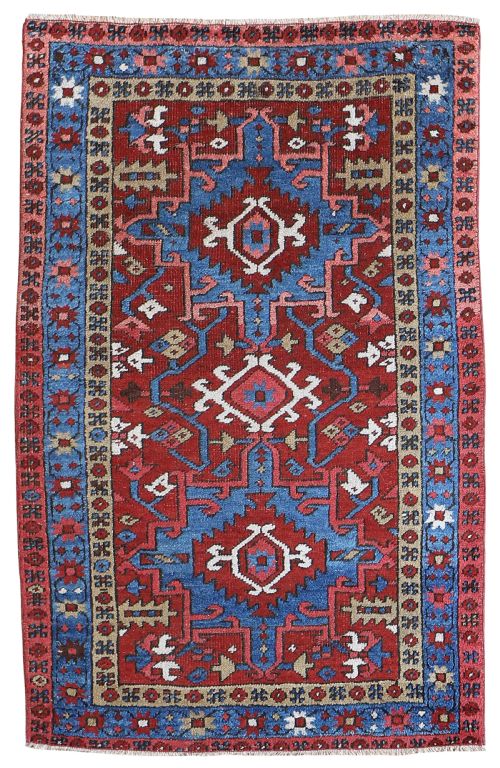
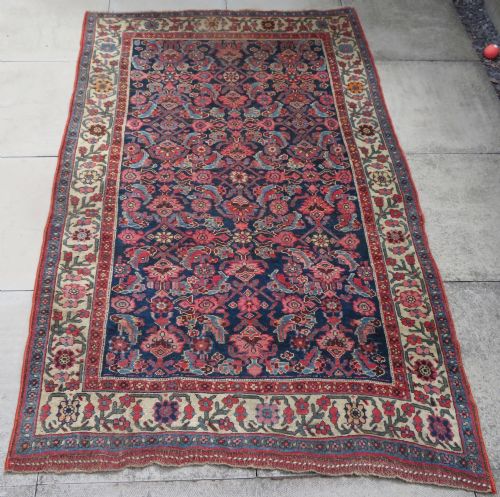
When you search for a village woven runner, you look at traditional floor coverings produced by tribal and regional weavers across Persia, the Caucasus, and Anatolia. These pieces typically display geometric motifs, medallion designs, and regional colour palettes developed across generations.
The selections available here range from long narrow hallway formats originating in Kurdish and Hamadan regions to broader tribal carpets from Bijar, Heriz, and Bakhtiari workshops. These textiles bring authentic rustic charm and substantial floor presence to domestic interiors.
How village woven runner pieces were made
These textiles rely predominantly on hand-spun wool foundations and pile yarns, frequently combined with cotton elements depending on the specific tribal origin. Weavers utilised natural dyes to achieve rich, enduring hues across Persian, Caucasian, and Anatolian traditions.
Constructed entirely by hand on traditional vertical or horizontal looms, these pieces incorporate sturdy knotting techniques designed to withstand generations of heavy domestic use in corridors and living spaces.
Weavers occasionally added minor deliberate irregularities in symmetrical patterns to ward off evil spirits.
What varies in quality in village woven runner pieces
Quality rests upon the tightness of the weave, the clarity and complexity of the tribal motifs, and the depth of the wool pile. Superior examples demonstrate exceptional handle, precise geometric execution, and harmonious natural dye saturation.
Condition and structural integrity further distinguish fine survivals, particularly where original borders remain intact and the foundation shows minimal wear. The skill of the regional weaver dictates the individual character and durability of each textile.
The Village Woven Runner Glossary
- Pile
- The vertical yarn surface of a rug formed by knotted loops of wool. This soft upper layer provides both comfort underfoot and protection for the structural foundation beneath.
- Warp
- The stationary longitudinal threads stretched tightly on the loom before weaving begins. These parallel strands form the skeleton of the textile and carry the fringe at either end.
- Weft
- The horizontal threads passed alternately over and under the warp strands to lock the knots securely in place. Together with the warp, they constitute the flat foundation grid.
- Natural Dye
- Colouring derived from plant, insect, or mineral sources rather than synthetic chemicals. These traditional dyes mellow gracefully with age, developing subtle shifts in tone known as abrash.
- Medallion
- A distinct central ornamental design motif placed in the field of a rug. Regional weavers often repeat or stylise these symmetrical centrepieces according to tribal custom.
Village Woven Runner: Frequently Asked Questions
Where should I place a village woven runner?
These long formats suit high-traffic corridors, entrance halls, and narrow landings where durable floor coverings are essential. Their robust wool construction handles daily foot traffic while adding warmth and regional character to otherwise overlooked spaces.
Position them away from direct, prolonged sunlight to protect the natural dyes over time. A quality underlay helps keep the runner stable on hard flooring and reduces surface friction.
How do I clean a village woven runner?
Regular gentle vacuuming without a rotating brush roll removes surface grit from the wool pile. Address spills immediately by blotting with a clean, dry cloth rather than rubbing the fibres.
Professional specialist cleaning is recommended for deep maintenance to protect the natural dyes and hand-spun materials. Avoid harsh chemical detergents or soaking the foundation.
How can I tell different regional styles apart?
Regional styles reveal themselves through specific motif vocabularies, knotting densities, and colour combinations. Kurdish and Hamadan pieces often display repeating Herati patterns or distinct central medallions, while Caucasian examples favour sharper geometric polygons.
Anatolian pieces frequently incorporate prayer niches or rustic village motifs unique to specific weaving communities. Comparing border designs and palette choices helps pinpoint the likely origin.
Are these runners suitable for daily use?
Traditional village textiles are built for practical utility using durable hand-spun wool and sturdy knotting techniques. Their historical purpose was domestic floor coverage, meaning they easily accommodate normal household wear.
Rotating the runner periodically ensures even foot traffic distribution across the surface. Proper placement with a breathable rug pad preserves the structural integrity of the foundation.