


Village Woven Rug
Village woven rug pieces bring grounded tribal designs and heavy wool warmth straight from Persian and Anatolian hearths.
Village Woven Rug
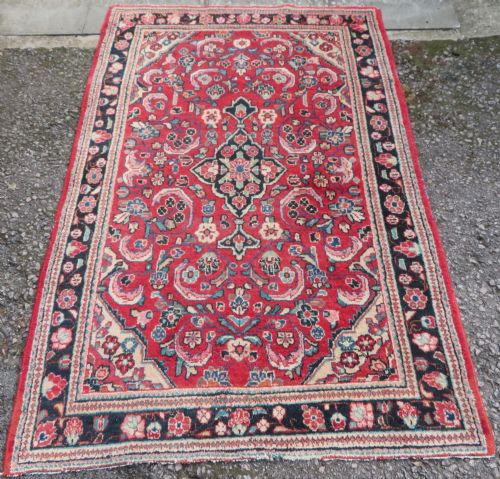
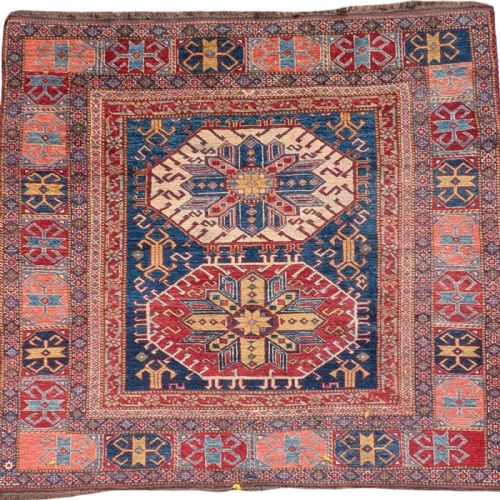
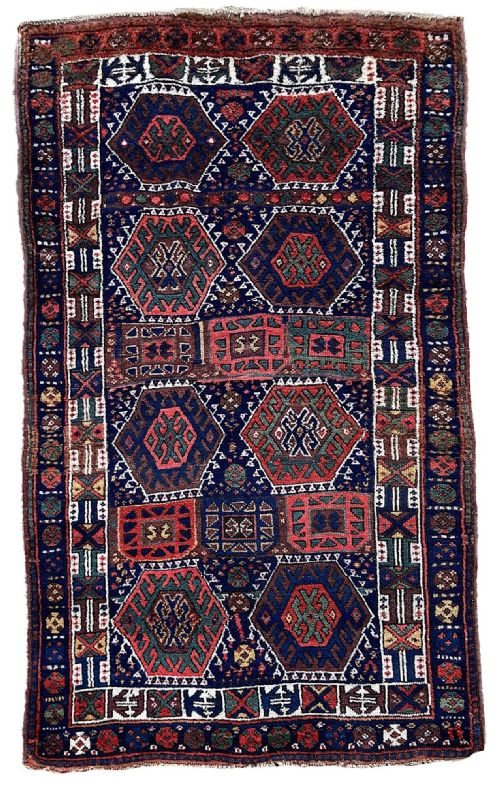
A village woven rug is a hand-knotted textile created in regional tribal communities across Persia, Anatolia, and the Caucasus rather than in city workshops. When searching for a village woven rug, buyers encounter nomadic and town pieces spanning from the mid-nineteenth century through the 1930s. The common thread is a direct, honest method of floor covering that reflects local weaving traditions.
Most examples appearing on this page take the form of compact area rugs, hallway runners, or prayer rugs featuring geometric medallions and tribal motifs. These textiles served practical purposes in village homes, operating as heavy floor coverings, seating pads, or bread sofres. Their origins trace to specific weaving centres including Hamadan, Heriz, Bakhtiary, and Bergama.
The aesthetic leans towards asymmetric layouts, repeated tribal symbols, and rich earthy palettes rather than formal court designs. Buyers select these rugs to anchor a room with genuine age and organic character. Each piece carries the distinct regional signature of the weavers who tied the foundation knot by knot.
Materials and construction
Construction relies heavily on sturdy wool and cotton foundations, with hand-spun wool utilised for the dense pile. Weavers knotted the pile onto warp and weft threads using traditional upright looms set up in homes or village workshops. This combination yields a thick, resilient textile designed to withstand decades of daily use.
Colour comes from natural dyes applied to the wool, producing deep tones that soften gracefully over time. The interaction between hand-spun fibres and natural dye baths creates subtle variations across the field known as abrash. These material choices account for the durable weight and lasting handle of the textiles.
Some weavers included tiny accidental asymmetry or misplaced motifs to ward off the evil eye, ensuring perfection remained strictly divine.
Assessing quality and character
Quality in these textiles depends on the density of the knotting and the integrity of the wool foundation. Tighter packing of the weft rows creates a firmer, heavier handle that lays flat and endures foot traffic. Finer knot counts allow complex geometric and floral medallion details to emerge with sharper definition.
The depth and harmony of the natural dye palette separate standard production from superior pieces. Skilled dyers achieved rich hues that mellow into balanced tones without losing saturation. Additionally, the originality of the tribal design and the crispness of the border execution distinguish the best examples.
The Village Woven Rug Glossary
- Abrash
- Natural colour variation within a single field of wool, caused by shifts in dye batches or hand-spun yarn lots. This tonal shading adds depth to the surface of the textile.
- Warp
- The vertical threads stretched tightly on the loom that carry the structural weight of the rug. The exposed ends often form the fringe at the top and bottom.
- Weft
- The horizontal threads passed back and forth across the warp strings to lock the rows of knots in place. Proper beating of the weft creates a dense, firm structure.
- Prayer rug
- A small format textile featuring a distinct mihrab or arch design at one end, traditionally oriented toward Mecca during daily devotions. These pieces often show specific regional motifs in the niche.
- Sofre
- A flat-woven or pile textile used for domestic tasks such as kneading dough, wrapping bread, or sitting upon during meals. These utilitarian items display direct tribal patterns.
Village Woven Rug: Frequently Asked Questions
How do I identify a village rug?
Village rugs display asymmetric tribal motifs, geometric medallions, and spontaneous design variations rather than rigid, perfectly symmetrical city layouts.
Look for thicker, hand-spun wool and regional signatures typical of weavers working in rural Anatolian or Persian districts.
Where were these rugs made?
Production took place across rural districts in Persia, Anatolia, and the Caucasus, spanning regions like Hamadan, Heriz, and Bergama.
Local families and tribal groups produced the textiles on home looms for domestic utility and regional trade.
How should I clean a vintage rug?
Vacuum gently without using a rotating beater bar to protect the wool pile and the fragile edge bindings.
Professional specialist cleaning is recommended for deep washing to preserve the natural plant and insect dyes.
Are these rugs durable for daily foot traffic?
Dense wool piles and sturdy cotton foundations make these historical textiles well-suited for everyday use in living spaces and hallways.
Placing a quality underlay beneath the textile prevents slipping and reduces friction against hard floors.