


Vienna Bronze Ornament
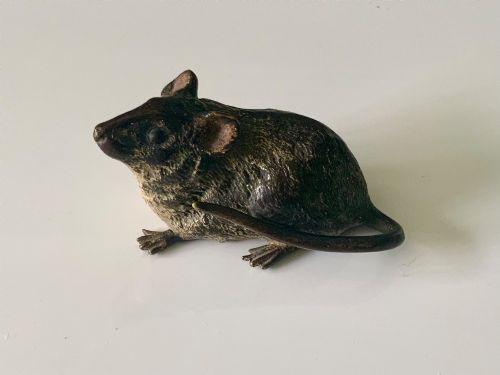
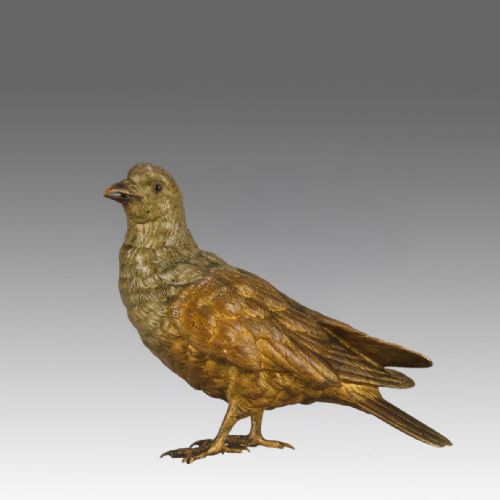
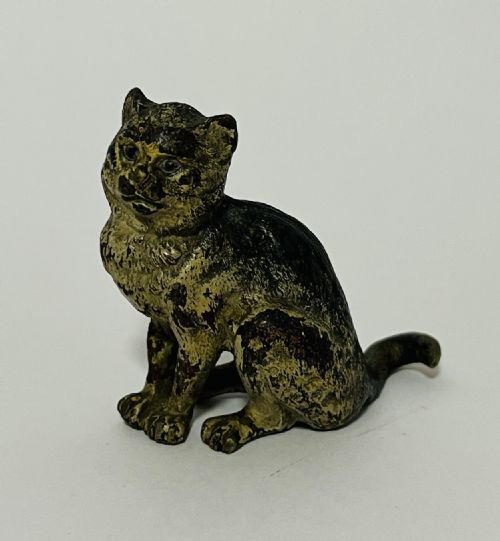
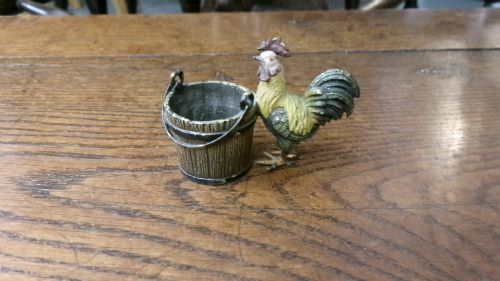
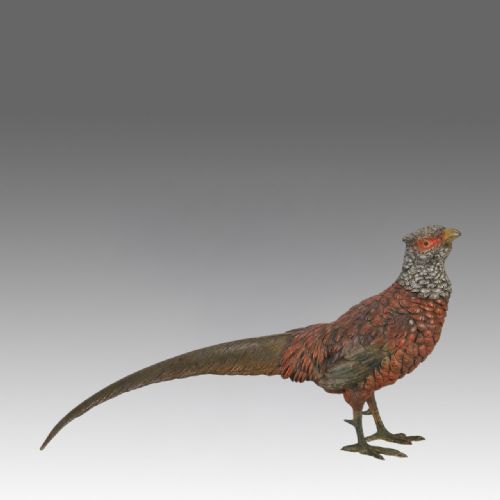
A vienna bronze ornament brings miniature metal animal figures and figurative groups into focus, prized for their intense colour and small scale.
Vienna Bronze Ornament
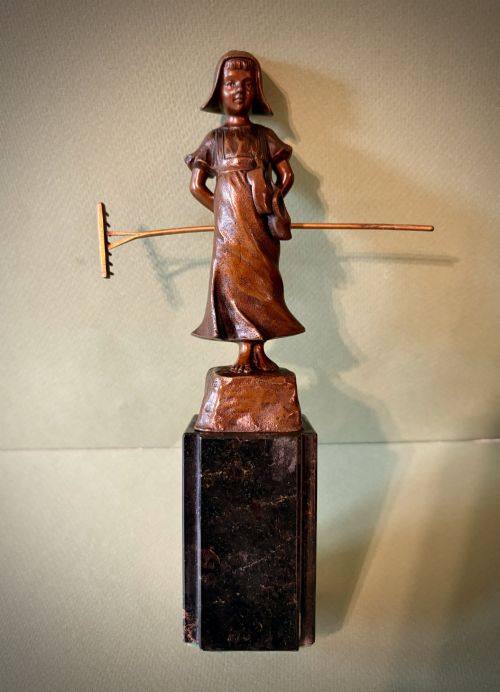
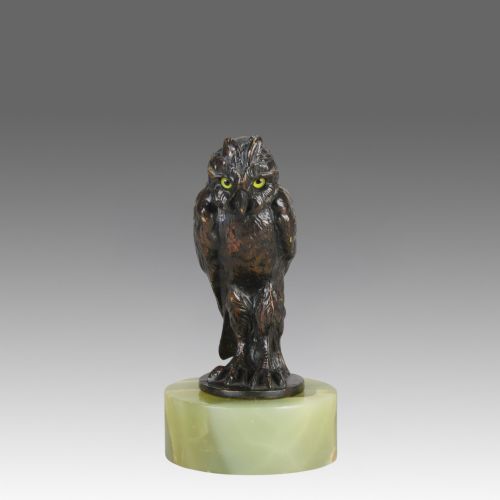
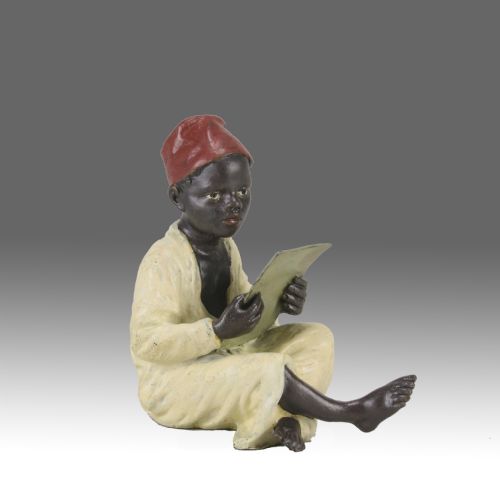
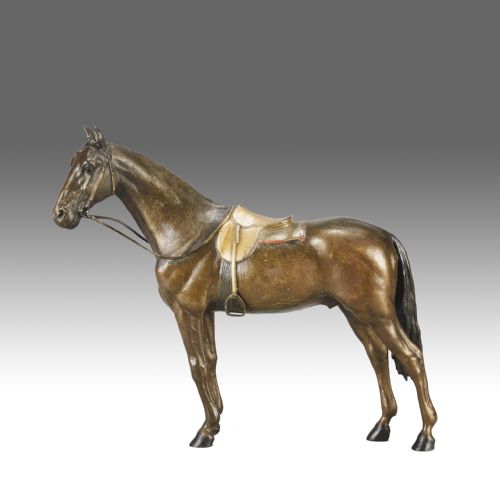
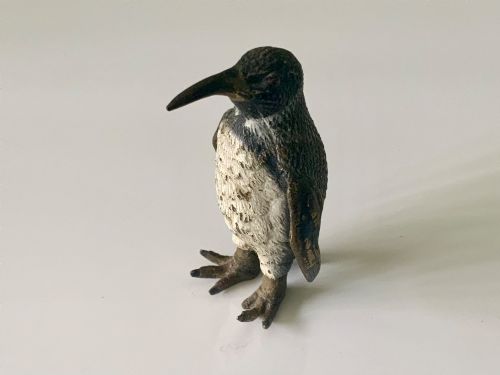
A vienna bronze ornament comprises small cast metal sculptures, figurines, and desk accessories created primarily in Austrian workshops during the nineteenth and early twentieth centuries. The pieces range from naturalistic animal studies to human figures, incorporating periods spanning the Victorian era through the Art Deco movement.
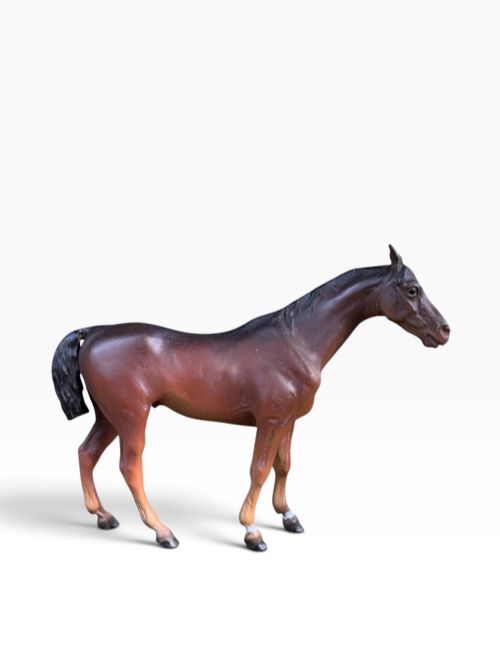
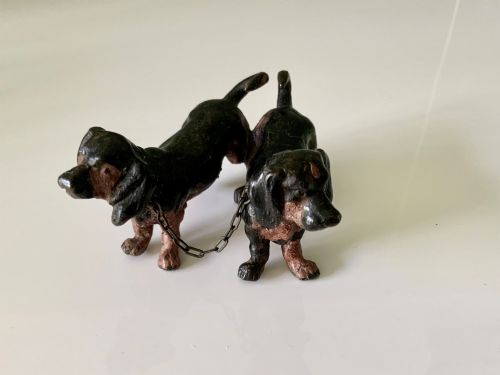
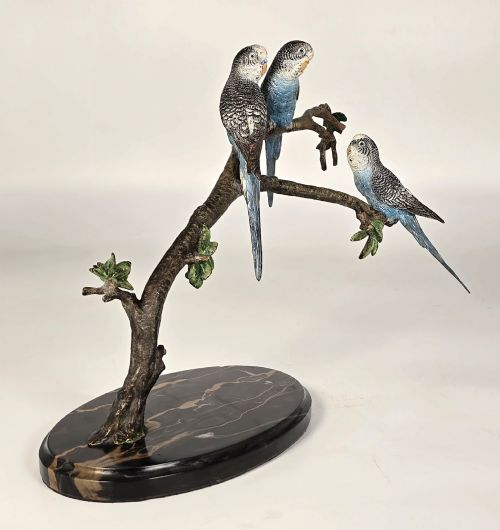
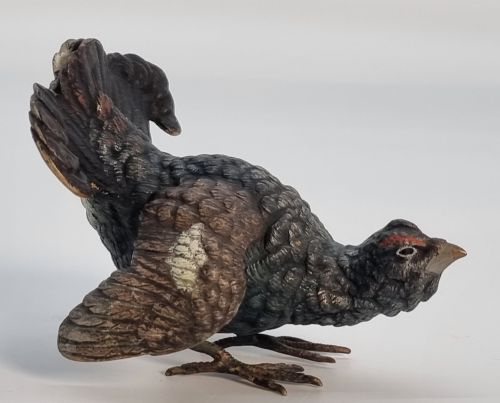
Animal subjects dominate the selection, featuring dogs, birds, and wild creatures modelled with remarkable observation. Collectors frequently encounter smaller miniatures alongside mounted examples set upon green onyx bases.
Desk accessories and figural groups also appear among the offerings, connecting the medium to functional interior items of the period. These functional objects blend detailed metalwork with practical utility such as inkwells or pin cushions.
Materials and construction
The foundation of every piece relies on cast bronze or related metal alloys, shaped to capture fine anatomical details and textures. This metalwork provides a sturdy base for subsequent surface decoration.
Makers applied multiple layers of cold-paint directly onto the unheated metal surface rather than firing the pigment in a kiln. Enamel paint and standard paint finishes complete the distinct polychrome appearance characteristic of these objects.
Miniature frogs, capercaillies, and dwarf miners with giant crystal diamonds share the stage with everyday domestic dogs.
Distinctions in quality
The nuance and precision of the cold-painted surface layer largely define the distinction between standard and superior pieces. Finer examples retain delicate brushwork and subtle colour gradients that mimic natural plumage or fur.
Franz Bergman·Franz Xavier Bergman·Rudolf Küchler
The Vienna Bronze Ornament Glossary
- Cold-Painted Bronze
- A technique where pigment is applied to a cast metal object without heat firing. This method yields a characteristic matte finish that remains vulnerable to scratching.
- Onyx
- A banded variety of chalcedon often utilised for bases and plinths. It provides a heavy, polished mounting for select animal sculptures.
- Vienna Bronze
- A term describing small-scale bronze sculptures produced in Austrian workshops, particularly during the late nineteenth and early twentieth centuries. These objects are celebrated for their naturalism and vibrant polychrome surfaces.
- Desk Accessory
- A functional item designed for writing furniture, such as an inkwell or pin cushion. These pieces combine decorative metal casting with practical utility.
Vienna Bronze Ornament: Frequently Asked Questions
What are vienna bronze ornaments made of?
These sculptures are cast from bronze and metal alloys, often utilising natural stone elements like green onyx for bases. The surface decoration relies on cold-painted pigments applied directly to the metal.
Enamel paint and standard paint finishes provide the vibrant colours seen on birds, animals, and human figures. The materials work together to create durable yet delicately coloured miniature objects.
How were these bronzes originally used?
Many examples served as decorative cabinet pieces or mantel ornaments meant to display taste and an appreciation for naturalism. Others doubled as functional desk accessories including inkwells, car mascots, and pin cushions.
Their small scale allowed them to sit comfortably on writing desks, side tables, and display shelves. Wealthy households collected them as decorative novelties during the Victorian and Edwardian periods.
How do you clean cold painted bronze?
Cold-painted surfaces require extreme caution because the pigment is not kiln-fired and can flake easily if exposed to moisture or harsh solvents. Dusting gently with a soft, dry brush remains the safest method for maintenance.
Water and commercial metal cleaners must be avoided entirely to preserve the fragile original paint layers. Professional conservation is recommended for any significant cleaning needs.
How do I identify a Bergman piece?
Many works bear specific foundry marks, such as a Bergman urn stamp or the real bronze symbol used by the Viennese workshop. Stylistic markers include exceptional anatomical precision and signature colour palettes on animal subjects.
Attributions also rely on documented models matching known archival catalogues from the firm. Signatures or monograms occasionally appear stamped directly into the bronze casting.