


Vienna Bronze Animal Figure
Vienna bronze animal figure works capture birds, hounds and beasts in miniature metalwork designed to sit on a desk or cabinet shelf.
Vienna Bronze Animal Figure
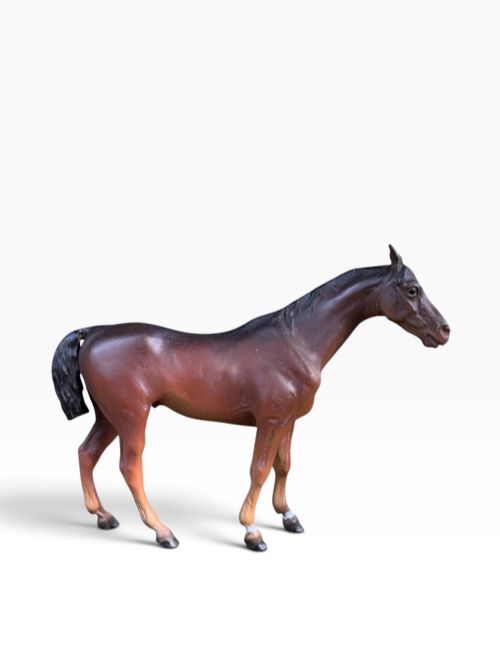
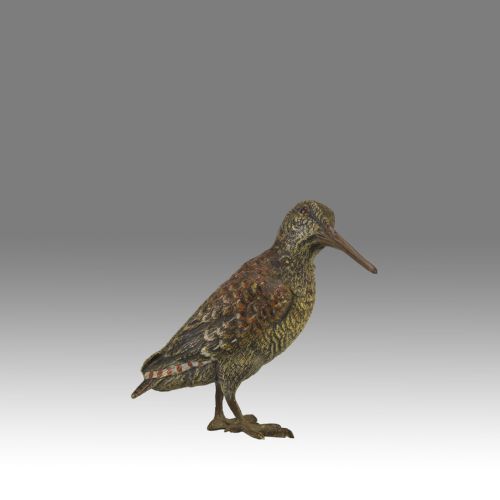
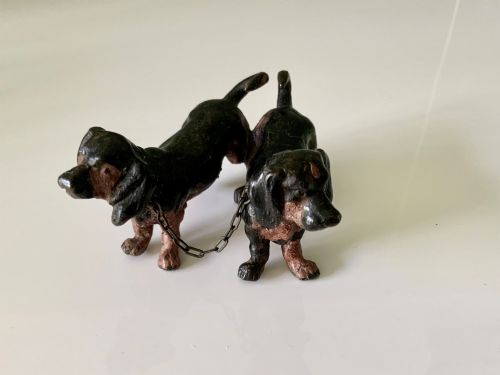
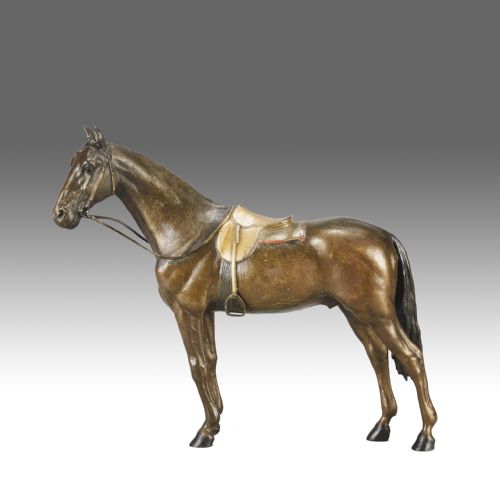
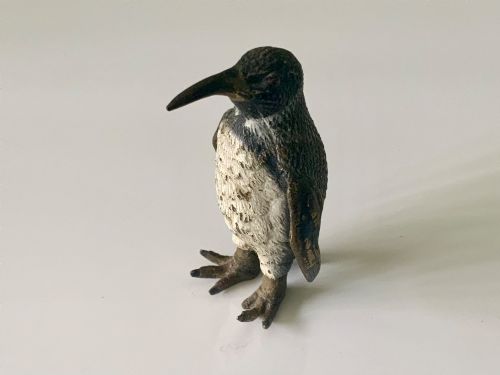
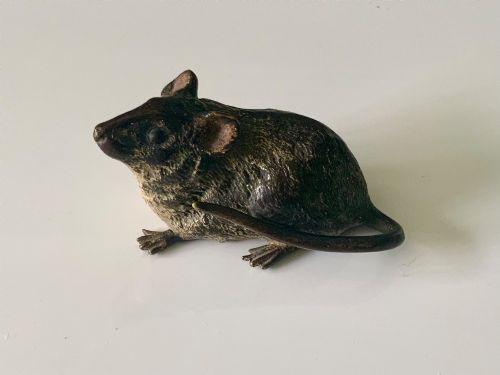
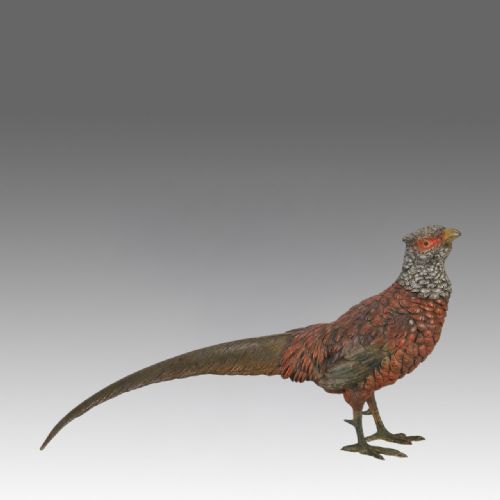
A vienna bronze animal figure represents living creatures cast in metal and finished with colourful pigments, often originating from workshops active in Austria during the late nineteenth and early twentieth centuries. These miniature sculptures take the shape of birds, dogs, rodents and wild animals, sometimes mounted on green onyx bases or functioning as functional items such as inkwells and pin cushions.
The objects span periods from the nineteenth century through the Edwardian era, Art Nouveau and Art Deco movements. Buyers frequently encounter pieces depicting horses, birds such as pheasants and kingfishers, and domestic hounds modelled with naturalistic observation.
Materials and cold-painting techniques
Maker workshops utilised bronze as the primary casting material, shaping metal into detailed animal figurines and larger sculptures. Certain items incorporate silvered finishes or patinated metal alongside the core bronze structure.
The surface colour relies on cold-painting, where polychrome paint or enamel is applied to the unheated metal after casting. This technique creates the vibrant plumage of birds and the varied coats of dogs and wild animals.
Vienna Bronze Animal Figure Retail Price Guide 2026
Typical asking prices for vienna bronze animal figure among the pieces listed under this phrase on Sellingantiques today, from the lower quarter to the upper quarter. They describe what is for sale here now, not the wider market.
Among the menagerie of cold-painted metal beasts, a tiny frog waits quietly alongside giant rhinoceri, kingfishers and bulldogs.
Distinctions in casting and finish
Quality separates pieces through the precision of the initial bronze casting and the nuance of the applied paintwork. Finer examples display sharp anatomical detail in the fur, feathers and muscle structure of the subject.
The preservation of the original cold-painted surface dictates the standing of an individual figure. Pieces retaining their original polychrome pigments without heavy losses demonstrate superior character compared to those with faded or later repainted surfaces.
Franz Bergman·Karl Hagenaur
The Vienna Bronze Animal Figure Glossary
- Cold-Painted Bronze
- Metal sculpture finished with paint applied to the cold metal surface rather than fired in a kiln. This technique defines the colourful appearance of traditional Austrian animal figures.
- Animalier
- Nineteenth-century artistic focus on the realistic portrayal of animals. Sculptors working in this style paid close attention to the natural anatomy and movement of beasts.
- Geschützt
- German term meaning protected or registered, often stamped on Austrian bronzes to indicate a secured design. It appears on various metal figures from the period.
- Polychrome
- The use of multiple colours in the surface decoration of an object. In these sculptures, paint or enamel brings realism to the animal forms.
Vienna Bronze Animal Figure: Frequently Asked Questions
How were these bronzes coloured?
The colour is applied using cold-painting techniques where paint or enamel sits on the finished metal surface. Artisans painted birds, dogs and wild beasts by hand.
This method allows for fine detail in feathers and fur, though the paint can wear over time.
Where do these animal figures come from?
These pieces originate from workshops and foundries active in Austria during the late nineteenth and early twentieth centuries. Prominent makers produced diverse figures of birds, mammals and reptiles.
Many examples carry stamps or marks indicating their Austrian origins.
How do I display them at home?
Miniature sculptures suit placement on desks, bookshelves and cabinets where their fine details remain visible. Some pieces include functional elements like pin cushions, inkwells or onyx bases.
Keep them away from direct sunlight and moisture to protect the delicate painted surfaces.