
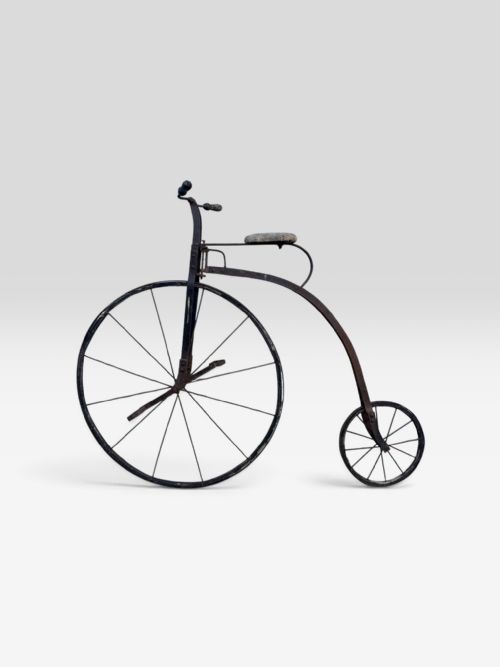

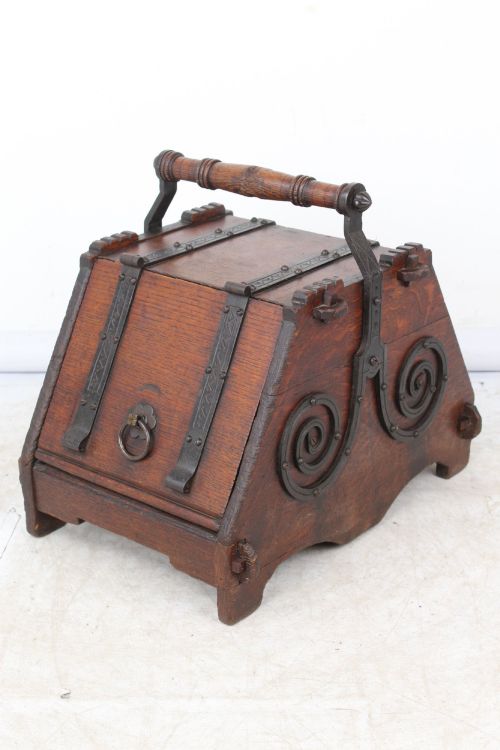
Victorian Wrought Iron
When seeking victorian wrought iron, you are looking at substantial metalwork forged for gardens, gates, and domestic hearths during the nineteenth century.
Victorian Wrought Iron
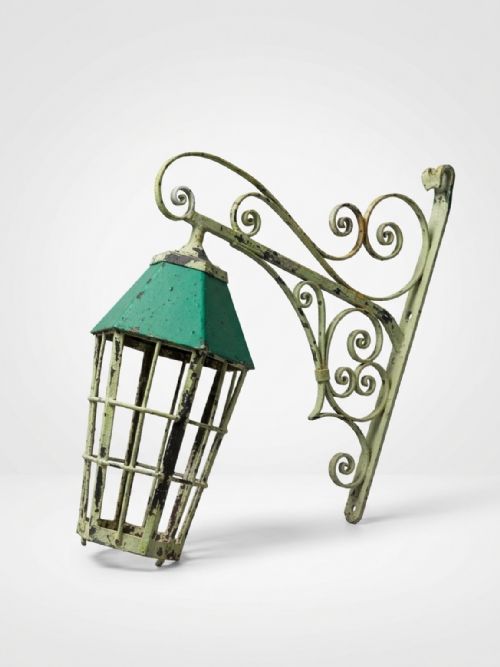
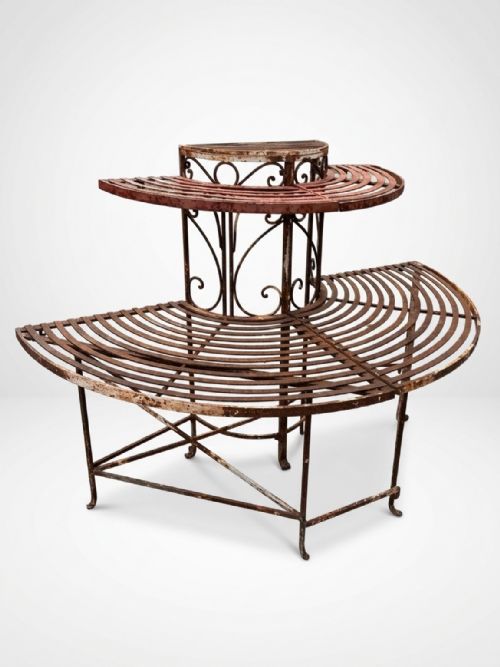
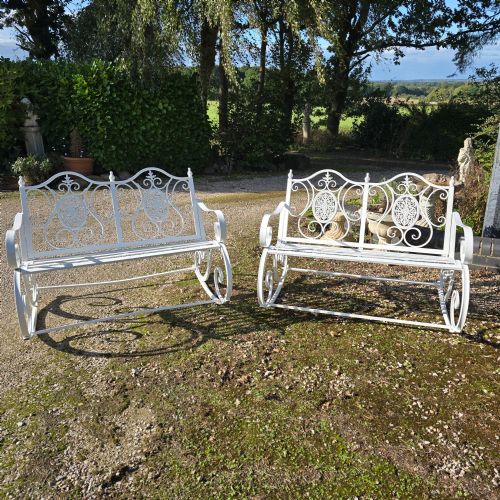
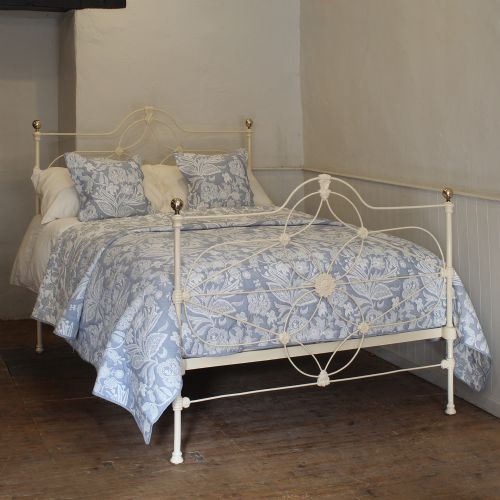
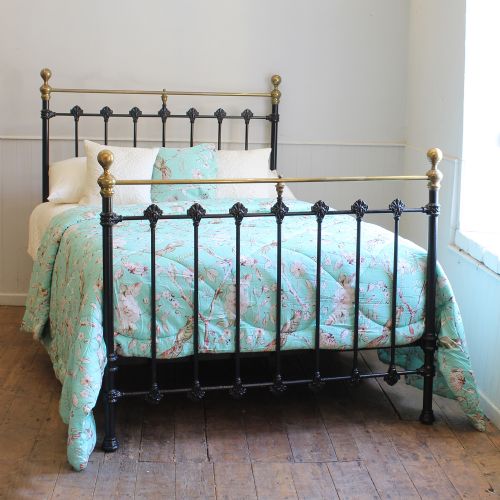
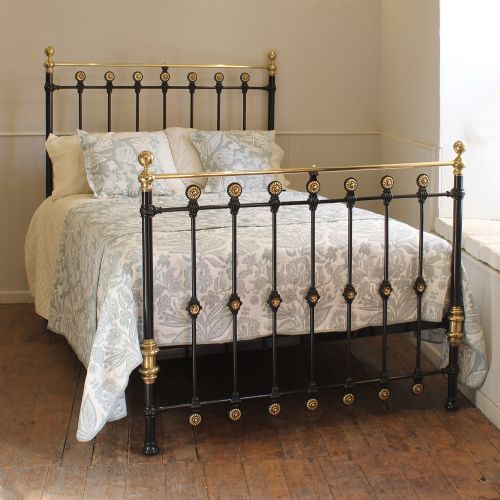
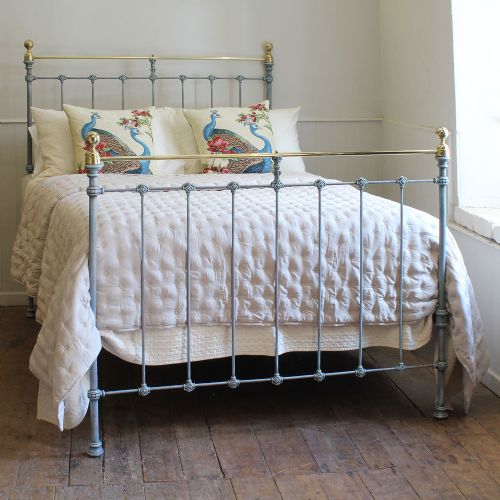
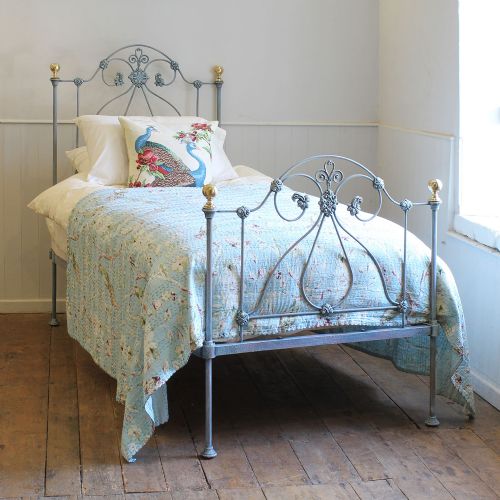
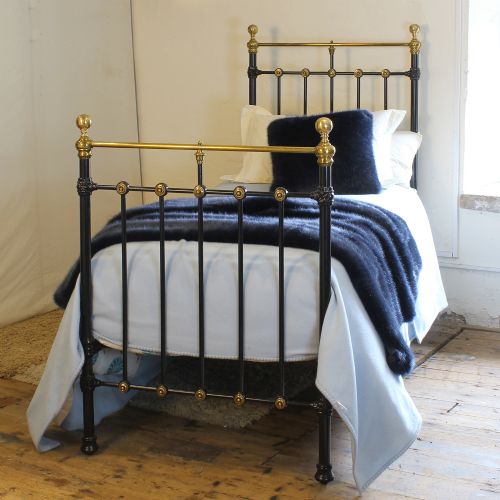
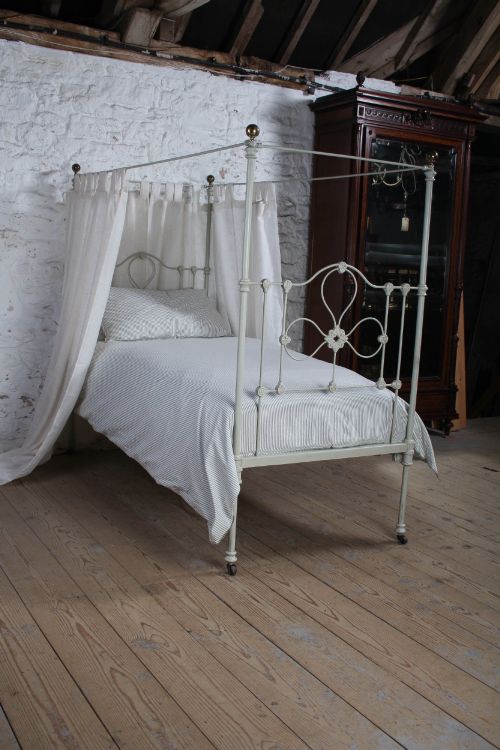
Victorian wrought iron encompasses a diverse range of utilitarian and decorative objects produced throughout the nineteenth century, including garden benches, estate gates, bedsteads, and fireplace accessories. Buyers searching for victorian wrought iron frequently encounter substantial architectural salvage alongside domestic items like pot stands, fire screens, and plant stands.
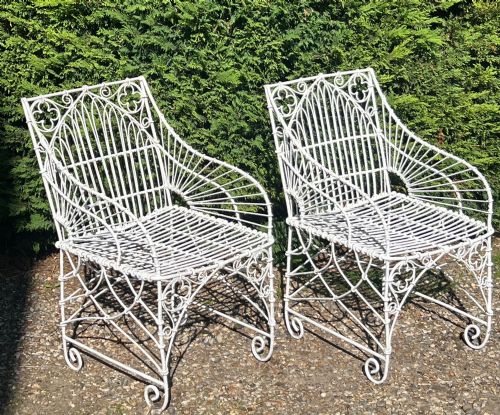
The selection ranges from robust blacksmith-made estate gates and heavy garden benches to intricate interior pieces featuring brass mounts and scrollwork details. Many items reflect distinct stylistic movements of the period, such as Gothic Revival, Arts and Crafts, and Victorian Wirework.
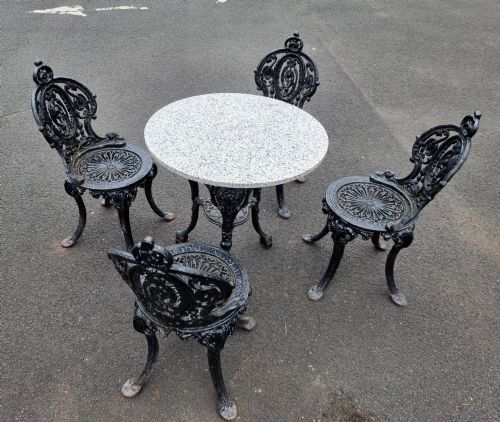
Origins span British and European workshops, featuring both vernacular estate pieces and marked examples from notable makers. Whether utilised indoors as structural bed frames and fireside furniture or placed outdoors as garden seating and architectural scroll panels, these items display the durable qualities characteristic of nineteenth-century metal manufacturing.
How they were made
Items fashioned from victorian wrought iron rely on the malleability of iron heated and shaped by hand or hammered at the forge. Blacksmiths utilised traditional techniques to create sturdy hinges, gates, and plant stands, often incorporating scrollwork and lattice baskets.
Makers frequently combined wrought iron with cast iron, brass, copper, and wood, pairing structural metal frames with decorative brass finials, marble table tops, or wooden slats. Paint, glass, and fabric also appear as secondary materials on items such as standard lamps, lanterns, and fire screens.
Listings feature items spanning the 1860s through the 1930s, combining wrought iron with brass, copper, glass, and wood.
What varies in quality
The distinction between standard utility items and finer examples rests upon the intricacy of the hand-forging and the presence of maker marks or distinctive design elements. Pieces featuring detailed decorative finials, complex scrollwork, or tailored combinations of brass and iron demonstrate superior craftsmanship compared to plain mass-produced alternatives.
Christopher Dresser·James Bruce, Glasgow·Winfield
The Victorian Wrought Iron Glossary
- Wrought iron
- A tough, malleable form of iron containing silicate slag inclusions, traditionally shaped by hammering at a forge. It resists corrosion better than modern steel and accepts intricate bending and twisting.
- Fire dog
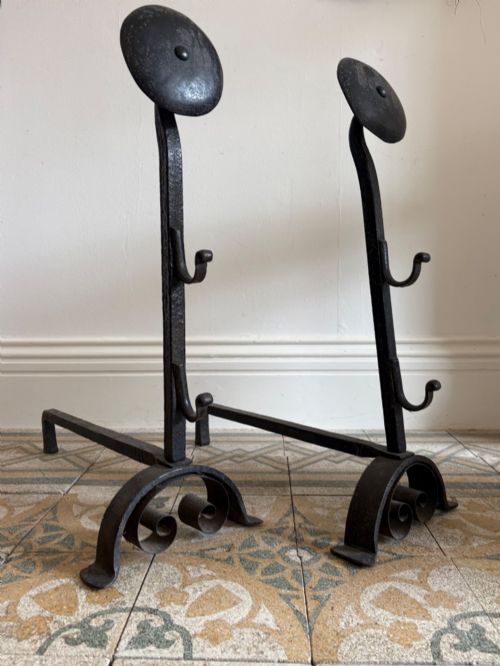
- A horizontal metal support used in pairs inside a fireplace to hold logs above the hearth for better airflow. Also known as an andiron, these often feature decorative forged or cast finials.
- Strapwork
- Flat strips of metal arranged in geometric patterns or interlaced scrolls. This technique frequently appears on garden benches, architectural panels, and strap-work grates.
- Finial
- A decorative ornamental feature placed at the apex or termination of a post, gate, or fence. Common forms in metalwork include fleur-de-lys and cast iron spheres.
- Cast iron
- Molten iron poured into a mould to take a specific shape rather than being hammered. It offers high compressive strength but less flexibility than forged metal.
Victorian Wrought Iron: Frequently Asked Questions
How do I identify genuine Victorian ironwork?
Examine the surface for signs of hand-forging, such as slight irregularities in the metal grain, hammer marks, and traditional joinery methods rather than modern welds. Nineteenth-century pieces frequently utilise assembly with rivets, tenons, or collars.
Compare the form and weight with period examples, noting the use of puddled wrought iron which possesses a fibrous texture visible where the metal is exposed or worn.
Can wrought iron garden benches stay outside?
Victorian garden benches and architectural salvage were specifically designed to withstand outdoor conditions, though long-term exposure requires proper maintenance. Regular inspection helps manage weathering and prevents surface rust from penetrating the core metal.
Applying protective coatings or traditional paint finishes preserves the metal and extends the lifespan of benches and plant stands kept in the garden.
What is the difference between wrought iron and cast iron?
Wrought iron contains low carbon and fibrous slag inclusions, making it tough, malleable, and capable of being bent or hammered into intricate scrolls while hot. Cast iron is brittle and cannot be forged; it is poured into moulds to create rigid forms like bench ends and fire basket grates.
Many antique pieces combine both materials, using strong wrought iron for structural frames and detailed cast iron for decorative finials or panels.
How do I care for antique iron inside the home?
Keep indoor items such as fire screens, pot stands, and bed frames away from damp environments to prevent active oxidation. Dust regularly with a soft cloth and occasionally apply a light coat of microcrystalline wax or neutral oil to protect the surface.
Avoid abrasive cleaners that can strip original patination, aged paint surfaces, or polished brass components attached to the iron framework.