




Antique Metal Cresting
These pieces of antique metal cresting bring heraldic badges, family arms and architectural mountings into rooms with substance and authority.
Antique Metal Cresting
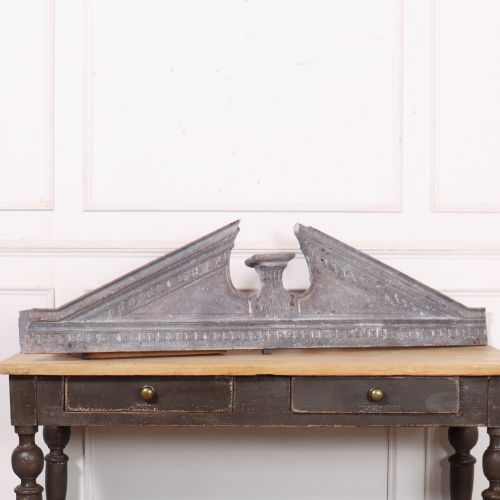
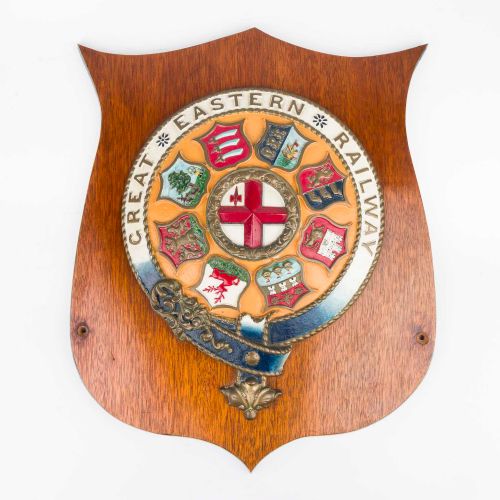
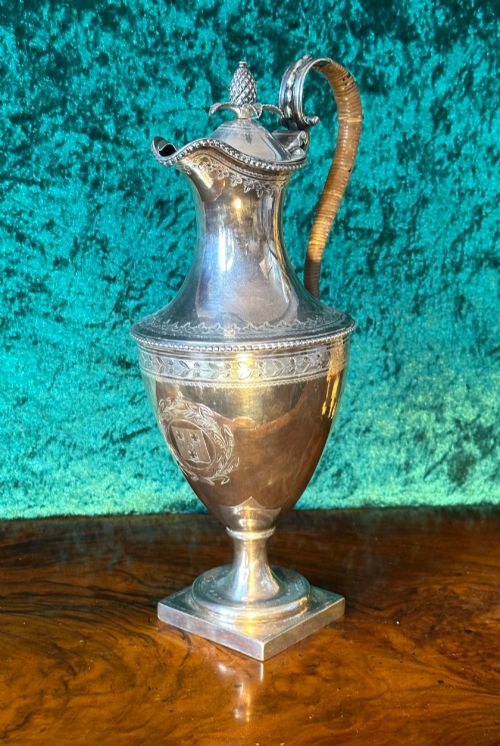
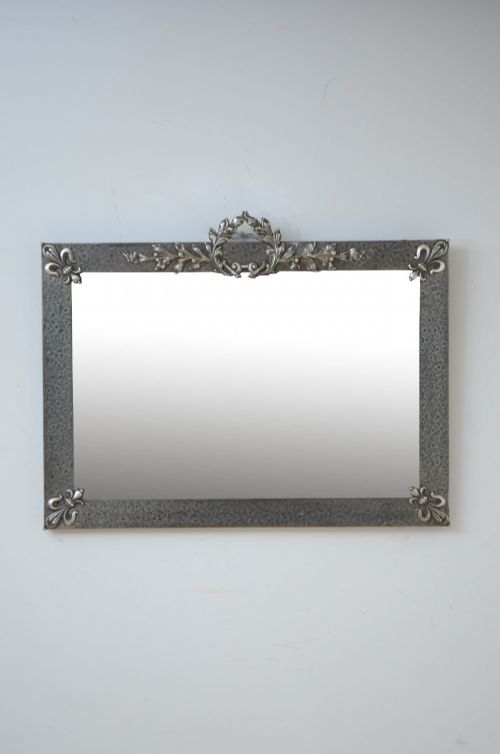
When you search for antique metal cresting, you encounter heavy cast plaques, architectural ironwork, and decorative mountings bearing coats of arms and heraldic devices. These objects originate from centuries ranging from the seventeenth to the mid-twentieth, taking forms such as wall plaques, fire screens, overdoor pediments, and ships badges.
You meet brass, bronze, and cast iron pieces most frequently on this page, often stamped or cast with specific familial or corporate insignia. The selection spans domestic decorative items like mirrors and planters alongside structural and commemorative markers.
How they were made
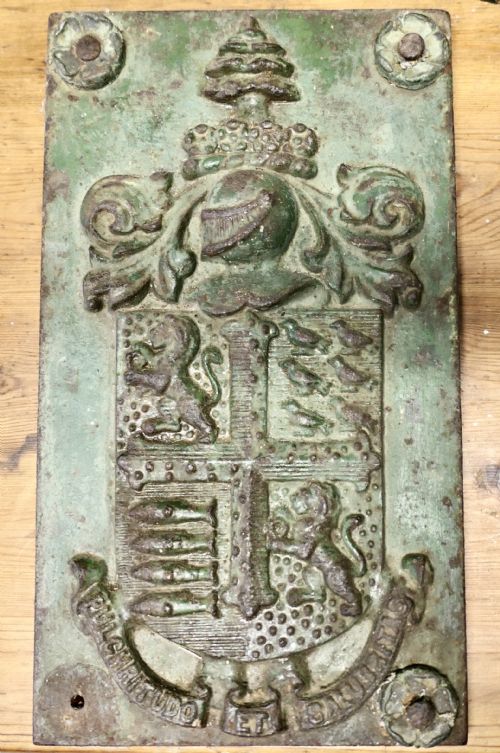
The makers of these items utilised casting techniques in brass, bronze, and iron to achieve sharp relief in heraldic details and crests. Molten metal poured into moulds allowed artisans to produce durable armorial plaques and architectural pediments with complex surface modelling.
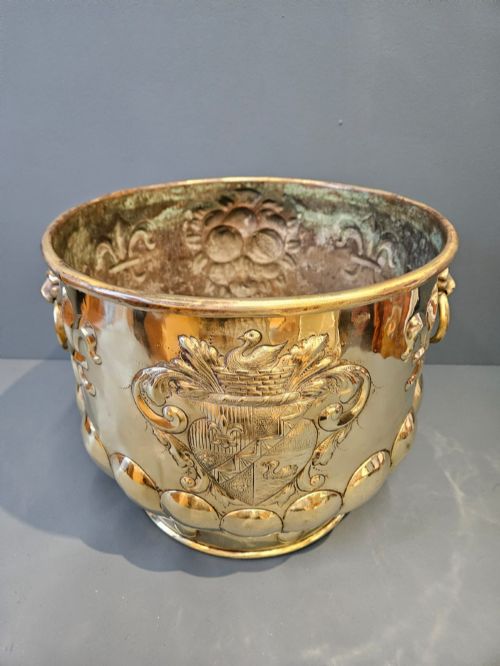
Embossing and chasing techniques appear on brass and copper components, where metalworkers refined motifs by hand from the reverse and front. Gilding and plating were also applied to surfaces to enhance visual depth and protect the underlying metal.
One historic corkscrew from the collection carries a patent date alongside its bronze armorial mount.
What varies in quality
The weight of the metal and the integrity of the original surface finish, whether patinated bronze, fire gilding, or early paint, mark the distinction in grade. Pieces retaining their original mounting brackets or remaining unpolished demonstrate superior historical preservation.
Lawrence Dyer·Tann’s Defiance
The Antique Metal Cresting Glossary
- Cresting
- An ornamental feature fixed to the top of a mirror frame, architectural pediment, or piece of furniture. It frequently incorporates a carved or cast coat of arms.
- Armorial
- Relating to heraldry or a specific coat of arms displayed upon a shield, plaque, or metal mount. These designs identify specific families, institutions, or military units.
- Chasing
- A metalworking technique where the artisan punches and indents the front surface of the metal to sharpen details and create texture. It follows the initial casting or embossing process.
- Salver
- A metal tray used for serving drinks or presenting items, often featuring engraved armorial crests in the centre. They appear in silverplate and Old Sheffield Plate.
- Pediment
- An architectural element placed above doors, windows, or furniture pieces, sometimes cast in iron or bronze as a decorative cresting component.
Antique Metal Cresting: Frequently Asked Questions
What is antique metal cresting used for?
These metal items functioned as architectural pediments, wall plaques, decorative mirror mountings, and commemorative badges displaying specific family or institutional heraldry. They served to mark lineage, corporate identity, or naval achievement.
Today, buyers mount these heavy metal pieces directly onto walls or incorporate them into interior schemes as focal points. Their solid construction and armorial designs lend historical weight to domestic spaces.
How do I identify the period of a metal crest?
Dating relies on the casting method, the style of the armorial lettering, and the metal composition, comparing these against documented examples from the seventeenth to the twentieth century. Stylistic indicators like Victorian Gothic or Dutch Renaissance Revival provide clear chronological markers.
Examining the reverse of the plaque for original fixings, maker stamps, or tool marks helps narrow the date of manufacture. Heavier patination and hand-finished chasing often point towards earlier periods.
Where should I hang a heavy iron wall plaque?
Heavy cast iron and bronze plaques require secure masonry anchors or fixings screwed directly into structural wall studs. Their substantial weight demands professional installation to ensure safety.
Position these pieces at eye level in hallways, libraries, or above fireplaces where their detailed heraldry can be appreciated. Ensure the surrounding wall space remains uncluttered to let the form of the metal stand out.
Can I clean antique brass and bronze crests?
Cleaning should be limited to removing surface dust with a soft, dry brush to preserve the historical patina and any remaining original gilding. Aggressive metal polishes strip away aged surfaces and diminish the value of the piece.
If the metal requires more attention, consult a specialist conservator rather than applying chemical cleaners at home. Preserving the dark oxidation on iron and bronze maintains the visual character of the crest.