



Decorative Wrought Ironwork
These decorative wrought ironwork pieces bring architectural strength and detailed metal craft to gardens and interiors alike.
Decorative Wrought Ironwork
Decorative wrought ironwork encompasses functional and architectural items shaped by hand from iron, spanning garden gates, panels, strapwork estate gates, and sign brackets. These items survive from the Georgian, Victorian, and Edwardian eras, reflecting the utilitarian and ornamental demands of their periods.
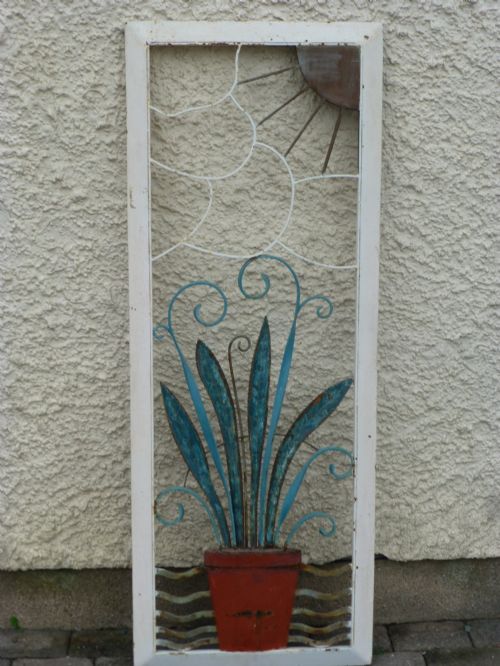
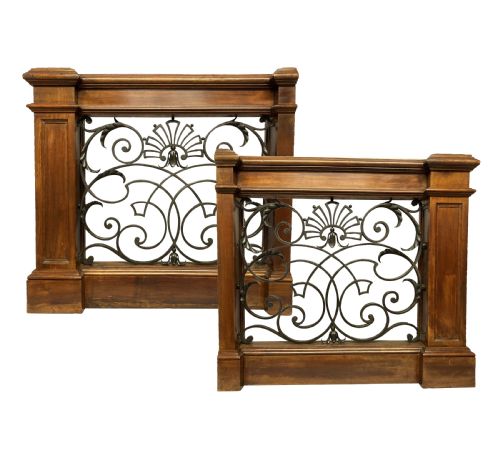
Buyers browsing this selection most frequently encounter 19th-century and early 20th-century pieces, including garden gates with trident details, architectural screens, and balustrade panels. French country and Victorian Gothic styles appear alongside Art Deco and Art Nouveau influences.
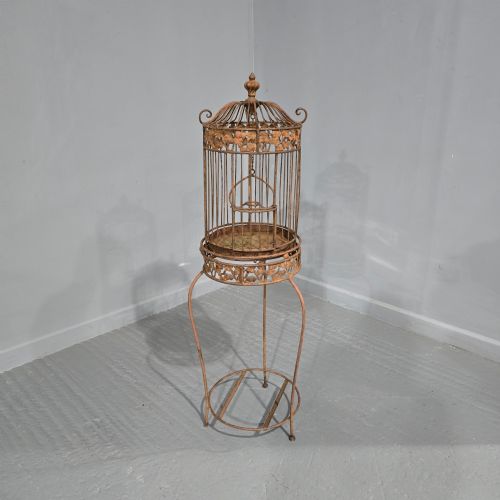
The objects serve as structural salvage and standalone ornamentation, moving from exterior estate boundaries and chapel doors to interior display pieces like goffering irons and birdcages on stands.
How they were made
Makers shaped wrought iron and cast iron by hand, heating the metal over a forge and hammering it on an anvil to achieve scrolls, strapwork, and rigid structural frames. Bronze and steel also feature in specific components, combined with wooden elements such as pine chapel doors.
Techniques relied on traditional blacksmithing methods to join components through riveting, collaring, and forge-welding rather than modern electric arc welding. Casting was employed for specific elements like birdcages and balustrade panels, creating repetitive decorative motifs.
The listings span the 19th century through to 1920, incorporating pine, bronze, steel, and both cast and wrought iron.
What varies in quality
The sophistication of the blacksmith's forge-work defines the upper tier of these pieces, where complex scrolls, clean strapwork joints, and balanced proportions show exceptional hand manipulation. Lesser pieces rely on simpler repetitive forms with heavier, less refined welds and cast additions.
The integrity of the original material dictates longevity, with superior examples retaining their heavy gauge metal and original structural fastenings without excessive modern replacement sections. Association with known design movements, such as Art Deco or the manner of specific makers, elevates the design ambition of the ironwork.
Raymond Subes·Brandt
The Decorative Wrought Ironwork Glossary
- Wrought iron
- Iron that has been heated and hammered into shape by a blacksmith, characterised by a fibrous internal structure and high resistance to fatigue. It differs from cast iron, which is poured into moulds.
- Strapwork
- Flat bands of metal arranged in geometric or interlaced patterns, commonly used on heavy estate gates and doors for structural reinforcement and decoration.
- Goffering iron
- A heated metal cylinder used in the 19th century to press frills and ruffles on lace collars and caps, often mounted on an ornate iron stand.
- Balustrade panel
- A decorative section forming part of a stair or balcony railing, designed to provide safety while contributing to the architectural style of a building.
- Sign bracket
- An external protruding arm of forged metal designed to support a hanging trade or directional sign from a wall.
Decorative Wrought Ironwork: Frequently Asked Questions
How are antique iron gates installed outdoors?
Estate gates and garden gates require secure anchoring into masonry piers or heavy timber posts to support the substantial weight of the forged metal.
Professional fitters typically attach adjustable hinge pivots to existing stone or brickwork, ensuring the heavy ironwork swings freely without sagging over time.
Can exterior ironwork be left outside?
Wrought iron and cast iron withstand external weather conditions effectively due to their dense metallic composition, though historic pieces benefit from protective coatings.
Regular maintenance involves brushing away surface oxidation and applying traditional oils or paints to prevent moisture penetration.
How do I identify a Victorian gate?
Victorian ironwork frequently incorporates Gothic revival motifs, heavy section frames, and specific decorative terminals like trident details or pointed finials.
These pieces typically display hand-forged joinery methods such as collars and tenons rather than modern electric welds.
What is the difference between wrought and cast iron?
Wrought iron is worked by hand while hot, resulting in a fibrous texture that bends under stress rather than snapping. It accepts complex forging and hammering.
Cast iron is poured into a mould in a liquid state, yielding rigid, brittle forms with crisp details that cannot be altered by a blacksmith's hammer.