


Victorian Wrought Iron Bench
A victorian wrought iron bench brings enduring metalwork to the garden, offering sturdy seating shaped by nineteenth-century craft.
Victorian Wrought Iron Bench
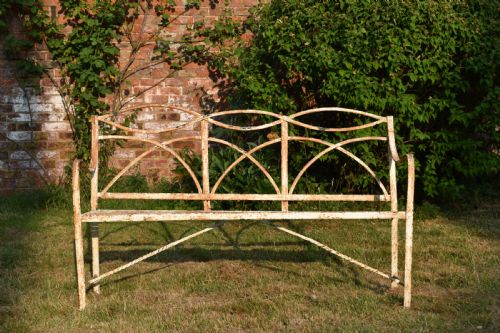
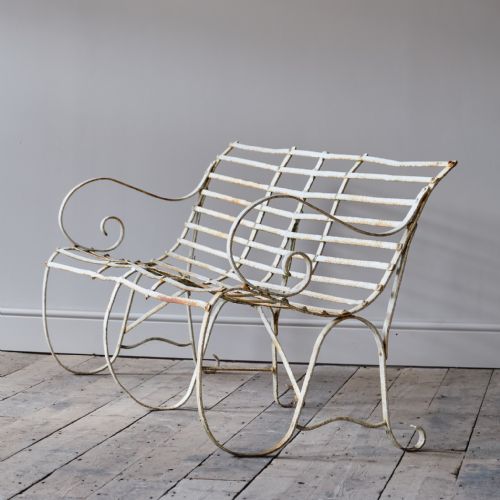
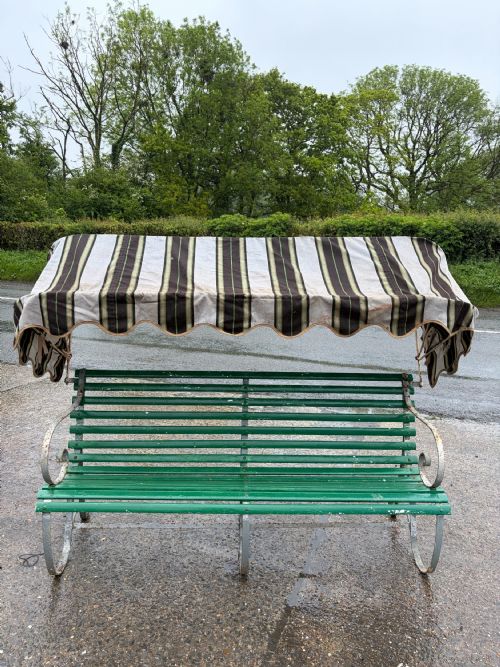
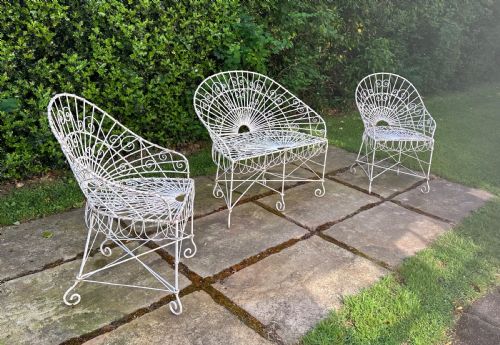
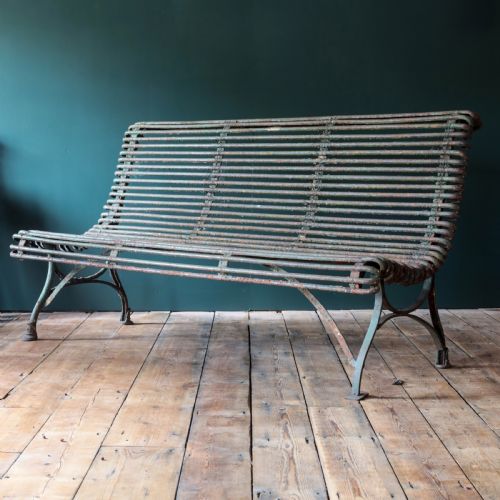
A victorian wrought iron bench is a durable outdoor seat designed to withstand the elements while providing a decorative feature for gardens and grounds. The selection ranges from straightforward strapwork designs to pieces featuring canopies, wooden slats, and matching chairs.
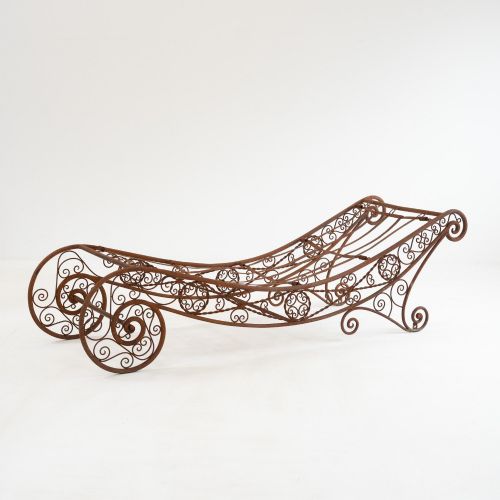
Most examples originate from the nineteenth century, spanning periods such as the Regency and Edwardian eras alongside Victorian production. Forms include two-seater and three-seater garden benches, garden daybeds, and wirework arbours.
Buyers will encounter various regional iterations, including French nineteenth-century models and English pieces. The enduring appeal lies in the combination of functional outdoor seating and decorative metal scrollwork.
Materials and Construction
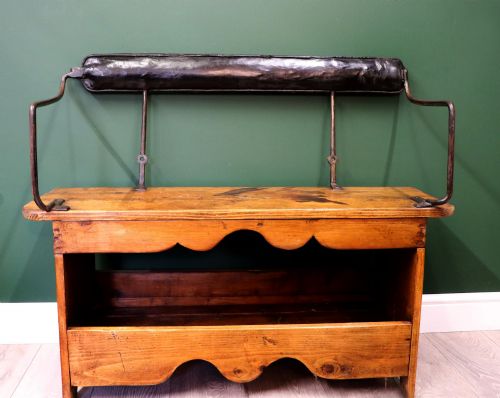
Makers utilised wrought iron, steel, and cast iron to build the structural frames of these benches. Metal components were frequently combined with timber such as pine and oak for seats, alongside leather and brass on related interior fender forms.
Surface finishes play a defining role in preservation, with surviving layers of original paint and aged white paint frequently recorded. Metal elements were shaped through forging and scrollwork techniques, creating rigid yet intricate outdoor furniture.
Listings feature nineteenth-century and Victorian pieces constructed from wrought iron, cast iron, steel, pine, and brass.
Assessing Quality
Quality rests in the finesse of the metalwork and the integrity of the scrollwork. Pieces featuring complex strapwork or integrated canopies demonstrate higher ambition in design than simpler utilitarian forms.
The survival of original surface treatments, such as weathered layers of early paint, adds considerable character. The balance between the sturdy iron framework and supplementary materials like timber slats determines the overall refinement of the piece.
The Victorian Wrought Iron Bench Glossary
- Wrought iron
- A tough, malleable iron form that can be heated and hammered into decorative scrolls and structural shapes. It resists fatigue better than cast iron.
- Strapwork
- Flat bands of metal arranged in geometric or interlaced patterns across the backrest or seat. This technique provides both rigidity and visual ornament.
- Wirework
- Metal strands bent and welded into airy, open structures, commonly seen in arbours and light garden seating. It creates a lighter silhouette than solid plate or heavy bars.
- Daybed
- An elongated seating form adapted for reclining outdoors, combining the framework of a garden bench with extended proportions. These pieces offer a place to rest in the garden.
Victorian Wrought Iron Bench: Frequently Asked Questions
How do I care for a wrought iron bench?
Protect the metal by keeping it clean and addressing surface rust promptly with appropriate coatings. Storing or covering the bench during severe winter weather preserves the remaining paint layers.
Allowing the iron to weather naturally is acceptable provided structural joints remain secure. Regular inspection of any wooden or leather components ensures they do not degrade from moisture.
Can these benches stay outside all year?
Wrought iron is built to endure outdoor conditions, and many pieces have survived decades in the open air. However, protecting them from prolonged dampness prevents excessive corrosion.
Benches incorporating timber slats or leather elements require more sheltered placement during harsh months. Moving them under a covered patio or using breathable covers extends their lifespan.
How do I identify a Victorian bench?
Look for characteristic construction methods, such as hand-forged scrollwork, strapwork, and heavy iron frames typical of nineteenth-century metalworking. Specific forms often correspond to Victorian and Regency design idioms.
Comparative details like aged paint layers and traditional joinery help distinguish nineteenth-century examples from later reproductions. The weight and rigidity of the iron provide further clues to age.
What is the difference between cast iron and wrought iron?
Cast iron is poured into moulds, resulting in brittle material with rigid, repeatable decorative motifs. Wrought iron is worked by hand while hot, yielding fibrous, tough elements that tolerate bending.
Benches often combine both materials, using cast components for ornamental ends and wrought iron for structural support. Recognising these textures helps determine how the piece was constructed.