
Antique Outdoor Seating
Antique outdoor seating brings enduring character to gardens, offering robust metal and timber benches designed to weather the seasons with grace.
Antique Outdoor Seating
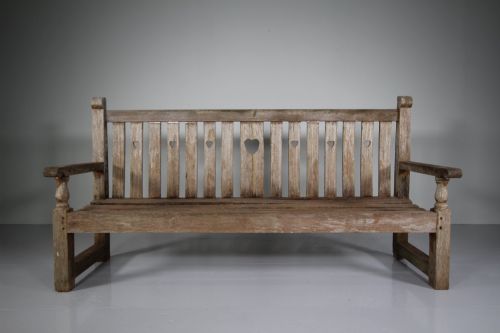
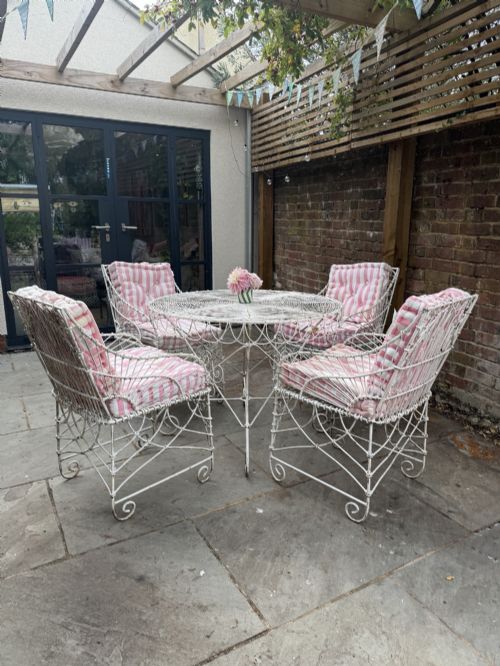
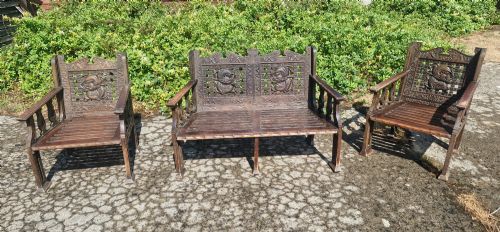
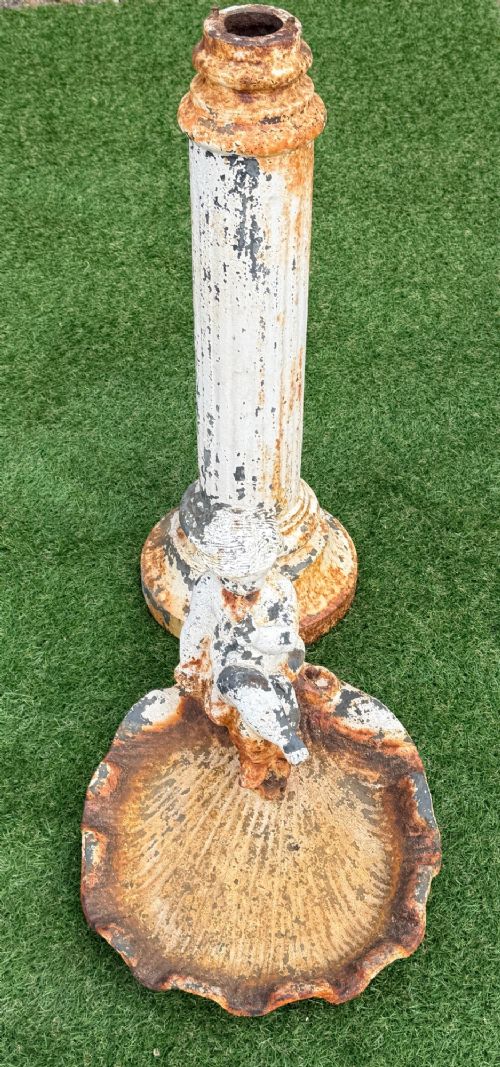
When you search for antique outdoor seating, you encounter a varied selection of garden benches, chairs, and dining sets spanning the nineteenth and early twentieth centuries. These pieces were built for terraces, lawns, and conservatories, using durable metals and timbers designed for exterior use.
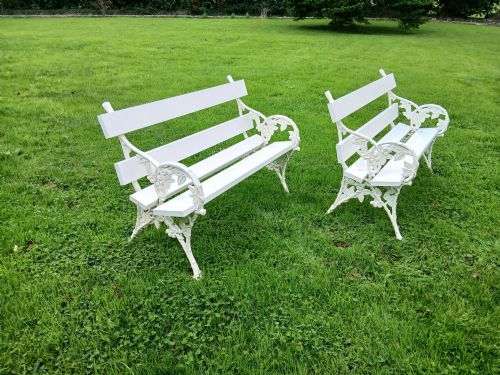
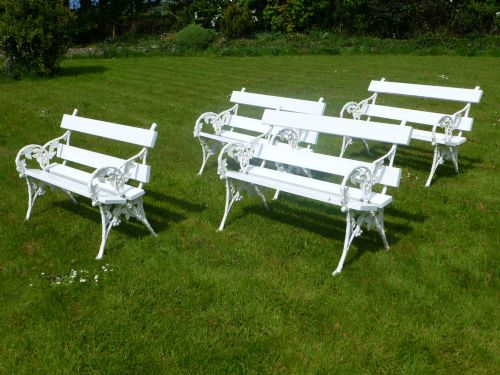
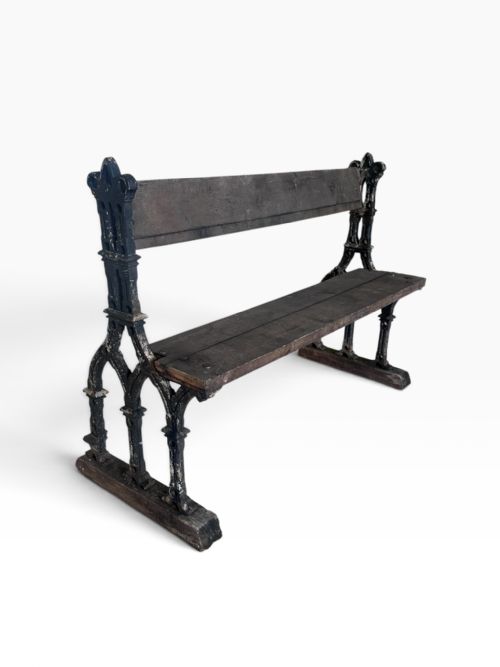
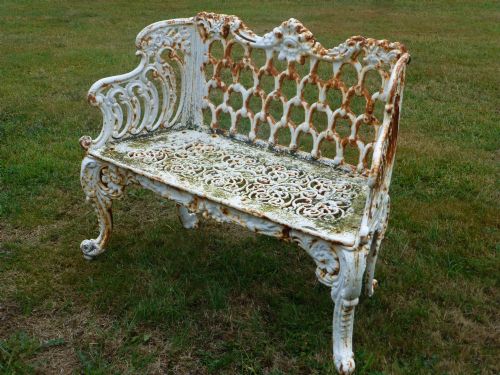
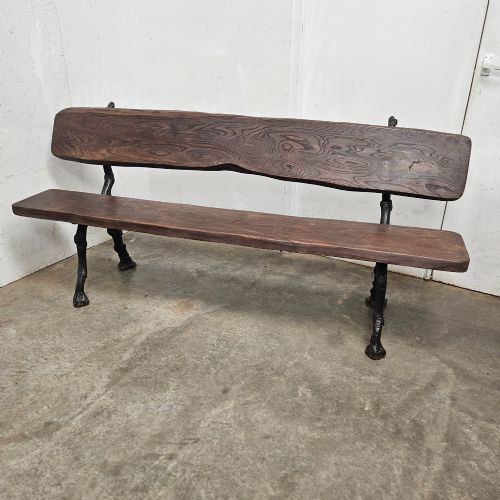
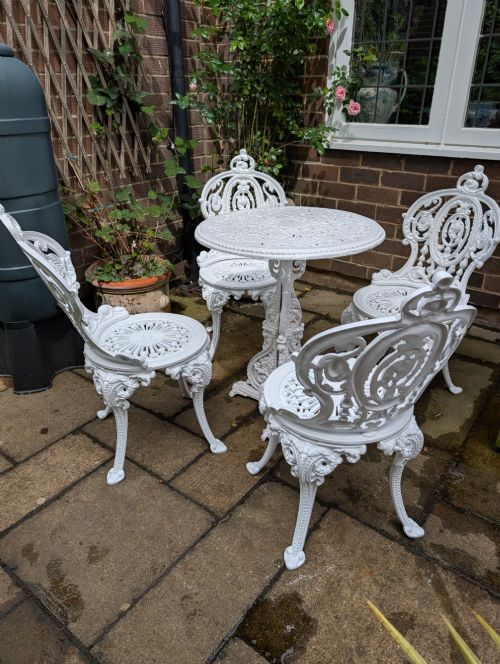
Cast iron and teak benches dominate the selection, often featuring period motifs such as foliage, strapwork, and gothic arches. You will frequently find pieces attributed to Victorian and Edwardian periods, alongside Regency and later twentieth-century examples.
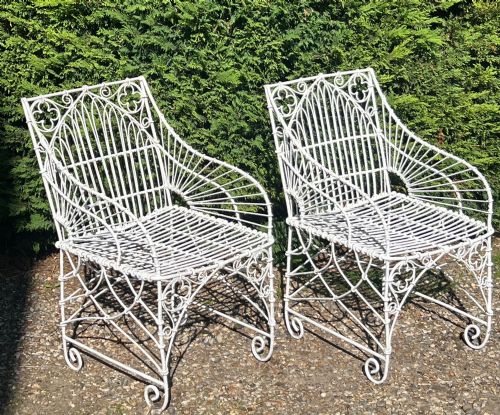
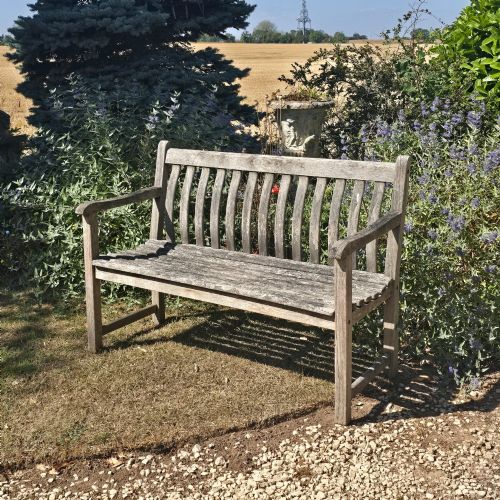
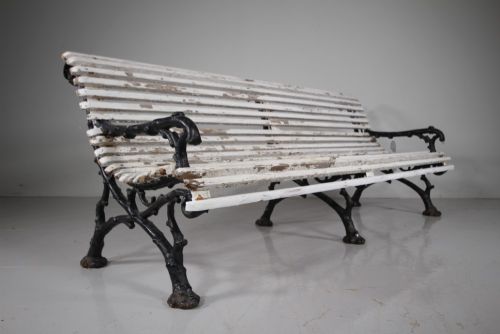
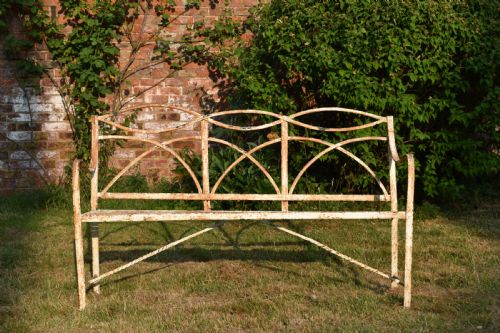
Forms range from simple slatted wood seats to elaborate cast iron frames with matching armchairs and tables. Many survivors retain traces of old paint or weathered patinas acquired through decades outdoors.
Distinctions in craftsmanship
The refinement of the casting separates standard garden seats from exceptional foundry work. Crisp detail in motifs like lion masks, shell forms, and leaf work indicates careful mould preparation and skilled metal pouring.
Structural integrity depends on the retention of original components and the condition of the timber or iron. Pieces that maintain their initial structural unity and honest patination carry greater historical coherence.
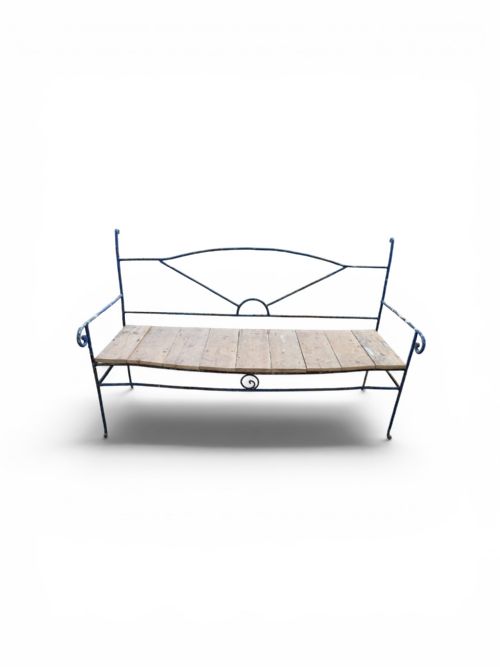
Listings feature nineteen-thirties pieces alongside nineteenth-century examples, spanning cast iron, teak, wrought iron, and reconstituted stone.
Falkirk Carron Foundry·Carron Foundry·Christopher Dresser·Coalbrookdale
The Antique Outdoor Seating Glossary
- Cast iron
- A strong, rigid iron alloy poured into moulds to create detailed decorative patterns. It forms the heavy, ornate frames of many nineteenth-century garden benches.
- Faux bois
- A technique where artisans shape concrete, iron, or render to imitate natural wood. This French style appears on rustic garden benches and seats.
- Strapwork
- A decorative motif composed of flat, interlaced bands resembling leather straps. It defines the geometric patterns seen on Regency iron garden seating.
- Teak
- A dense, oil-rich tropical timber valued for outdoor furniture. It weathers to a silver-grey hue without losing its structural strength.
- Wirework
- Metal rods bent and welded into airy, trellis-like structures. It characterises garden arbours and plant stands from the turn of the twentieth century.
Antique Outdoor Seating: Frequently Asked Questions
How do I identify a Victorian garden bench?
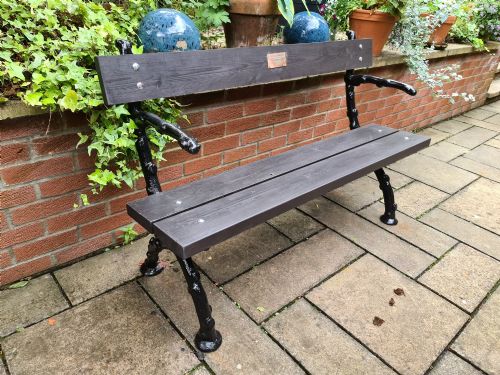
Victorian garden benches often display heavy cast iron frames with ornate ornamentation such as gothic arches, fern fronds, or animal motifs. They frequently combine these metal ends with wooden slats.
Examination of the bolts, casting quality, and overall weight helps distinguish nineteenth-century examples from later reproductions.
Can antique teak benches stay outside year-round?
Teak possesses natural oils that make it highly resistant to moisture and decay, allowing it to withstand outdoor elements across all seasons. The wood naturally transitions to a silvery grey patina when exposed to weather.
Routine cleaning with mild soap and water keeps the timber in sound condition without requiring chemical sealants.
What is faux bois garden seating?
Faux bois translates from French as false wood, describing pieces sculpted to resemble natural branches, bark, and logs. Makers used iron frames coated in concrete or metal to achieve this organic aesthetic.
These pieces were popular in French and English gardens during the nineteenth century to blend seating seamlessly into natural surroundings.
How do I care for cast iron garden furniture?
Cast iron requires monitoring for surface rust, particularly where moisture collects on patio stones or lawns. Regular gentle washing removes dirt and debris that can trap dampness against the metal.
Applying protective wax or maintaining a stable paint layer preserves the iron structure for future decades.