


Period Garden Seating
Period garden seating brings enduring form to lawns and terraces through nineteenth-century ironwork and timber construction.
Period Garden Seating
Period garden seating encompasses outdoor benches, settees, armchairs, and chairs designed for lawns, patios, and garden rooms. The examples appearing on this page span the nineteenth century, the Edwardian era, and the nineteen-thirties, reflecting diverse historical tastes.
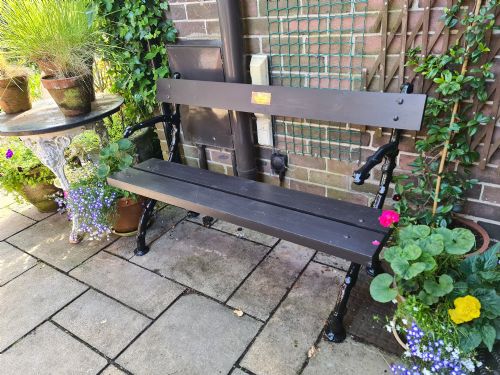
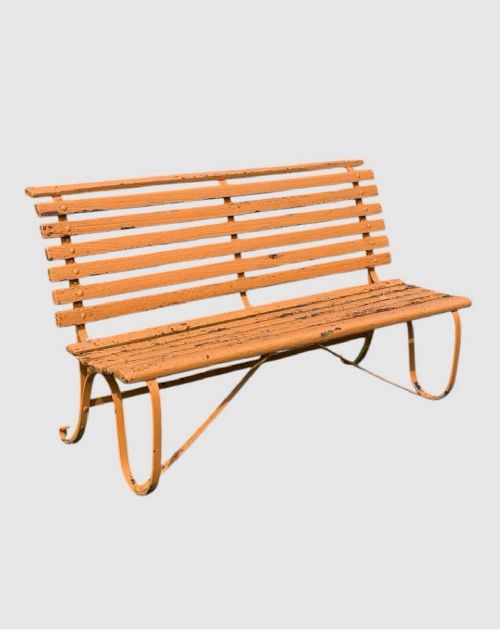
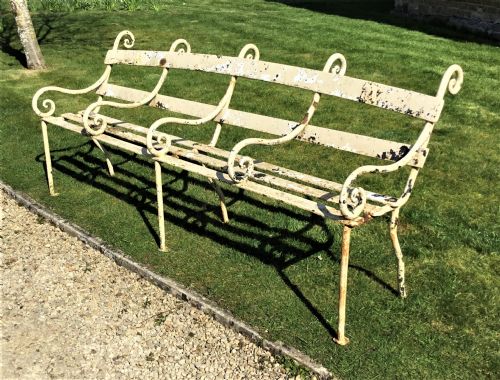
Visitors regularly encounter nineteenth-century and Victorian cast-iron garden benches alongside wrought-iron strapwork designs. Timber and oak components appear frequently, paired with iron frames to create sturdy seating suitable for outdoor placement.
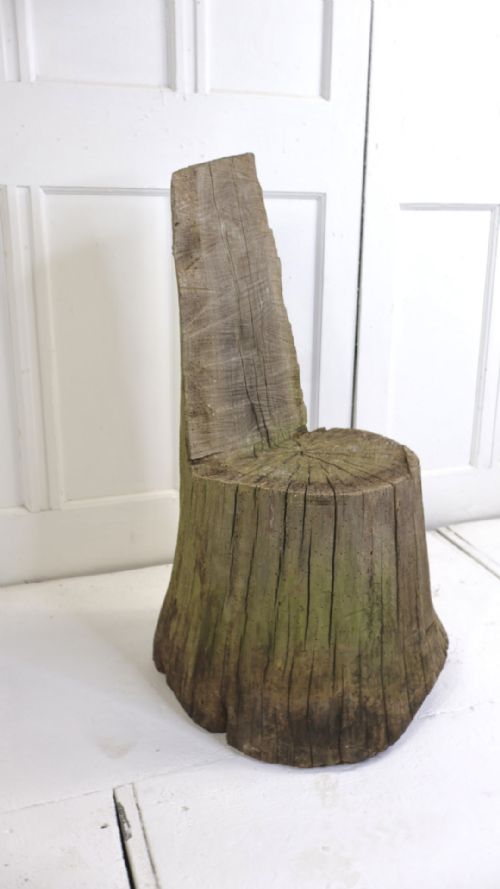
Specific forms range from single garden armchairs and sets of four chairs to large settees and tree seats designed to encircle garden trunks. Certain items reflect regional or institutional provenance, including pieces associated with the Calcutta Polo Club.
Materials and construction
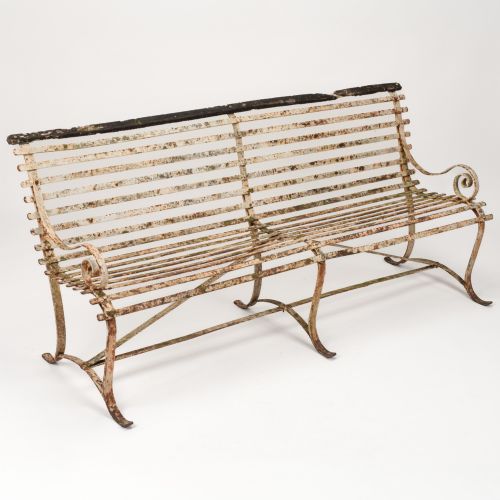
Cast iron and wrought iron form the structural foundation for many benches and chairs, utilised for intricate backs, side supports, and strapwork patterns. These metallic elements are frequently finished with paint to protect the metal from weathering.
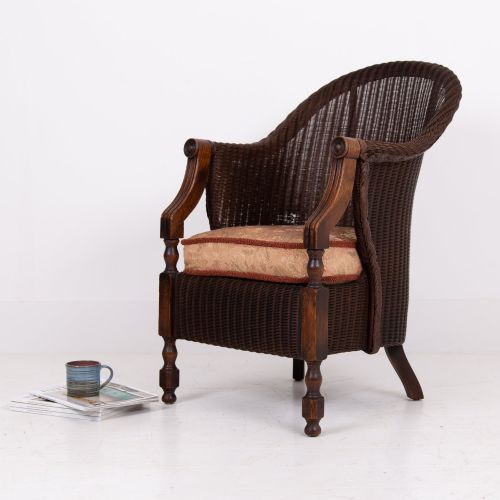
Timber and oak provide seating slats and structural support, combining with iron frames to balance weight and comfort. Lloyd Loom material appears in conjunction with oak for specialised garden room armchairs dating to the nineteen-thirties.
Evaluating quality and design
Quality separates utilitarian park seating from ornamental pieces through the complexity of the iron casting and the finesse of strapwork detailing. Ornate Victorian castings and early nineteenth-century strapwork demonstrate higher levels of decorative ambition.
The integrity of combined materials, such as the proper joining of timber slats to iron or steel frames, distinguishes refined examples. The presence of original paint surfaces and intact structural components further elevates the standing of an individual piece.
The Period Garden Seating Glossary
- Cast iron
- A sturdy material poured into moulds to create decorative bench ends and patterned backs. It provides substantial weight and durability for outdoor use.
- Wrought iron
- Iron beaten and bent into shape, frequently utilised for strapwork designs on garden benches. This technique allows for lighter, linear decorative patterns.
- Strapwork
- A decorative motif formed from flat strips of metal arranged in geometric or interlaced patterns. It characterises many Regency and Victorian iron garden seats.
- Tree seat
- A circular bench built to surround the trunk of a mature garden tree. These sculptural forms offer shaded seating integrated into the landscape.
- Lloyd Loom
- A twisted paper weave bound around a wire frame, combined with timber for sheltered garden room seating. It emerged during the early twentieth century.
Period Garden Seating: Frequently Asked Questions
What periods do these garden seats represent?
The inventory spans the nineteenth century, encompassing Regency, early Victorian, and Edwardian eras. Later examples extend into the nineteen-thirties.
Designs shift from Regency wrought-iron strapwork to ornate Victorian cast iron and Lloyd Loom garden room armchairs.
Were these benches meant for outdoor use?
Most pieces utilise weather-resistant materials like cast iron, wrought iron, and treated timber intended for gardens, patios, and parks. Iron frames and painted surfaces withstand outdoor exposure.
Certain variations, such as Lloyd Loom and oak armchairs, suit sheltered garden rooms rather than open lawns.
How do I identify a Regency iron bench?
Regency iron benches typically feature linear wrought-iron strapwork rather than heavy cast-iron pictorial backs. Their construction emphasises geometric patterns and lighter profiles.
Datings range from the early nineteenth century, reflecting the neoclassical aesthetic of the period.
What is a tree seat?
A tree seat is a sculptural bench constructed in segments to encircle the trunk of a mature garden tree. These pieces provide integrated vantage points within open grounds.
Edwardian examples demonstrate this form, combining structural carpentry or ironwork to fit natural surroundings.