

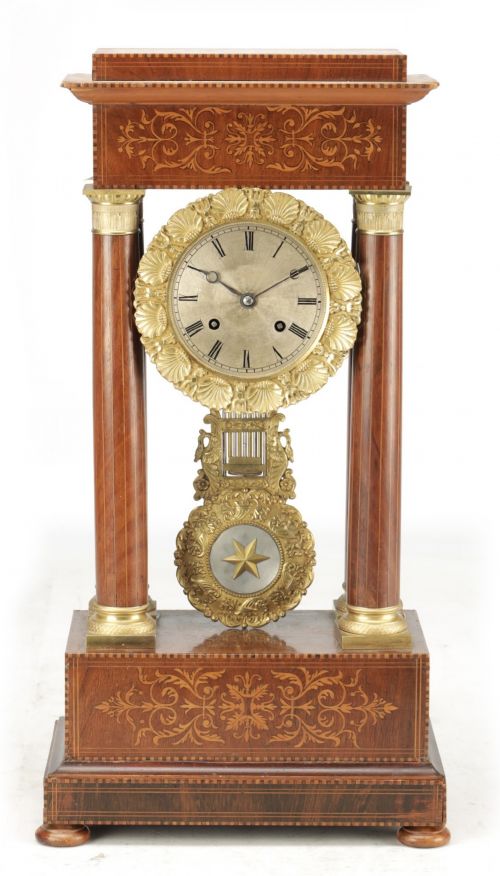


Victorian Wooden Mantel Clock
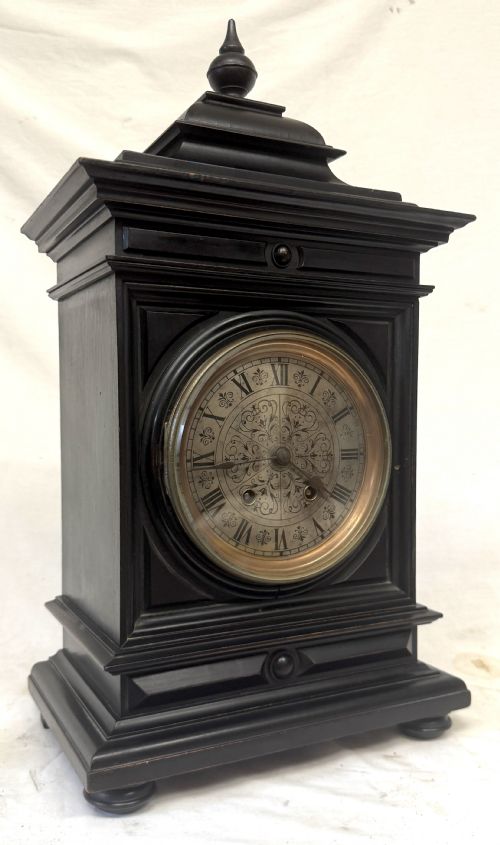
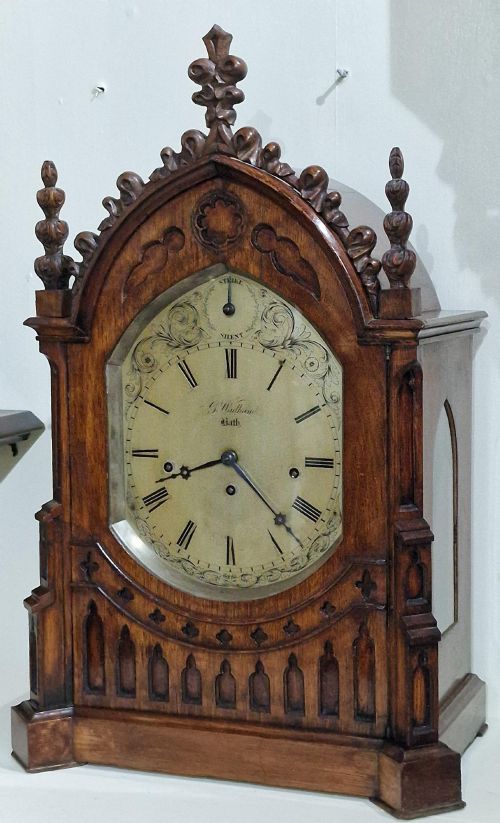
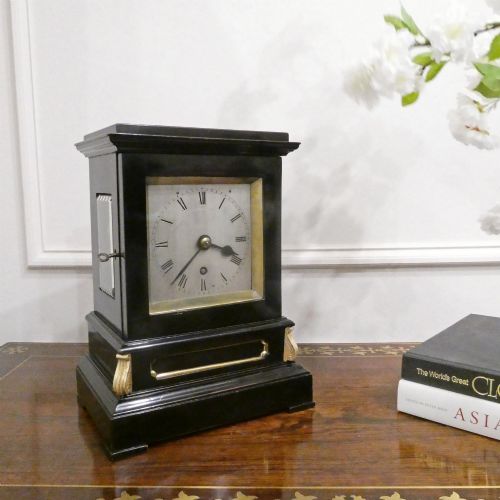
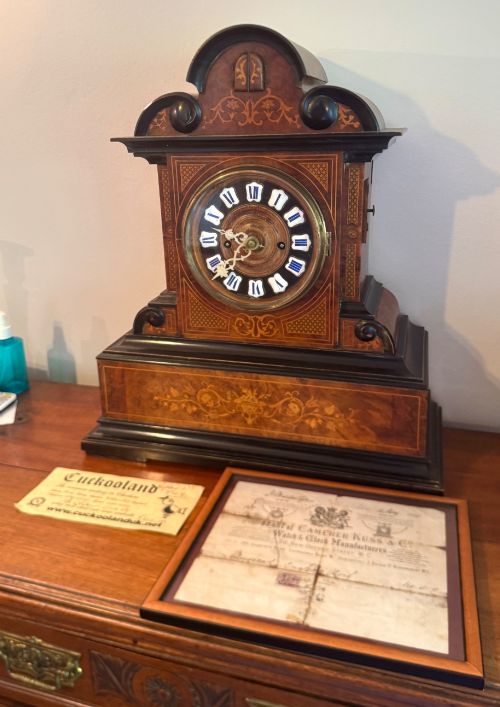
A victorian wooden mantel clock sits squarely on a shelf, housing intricate mechanical brass movements within a carved timber case.
Victorian Wooden Mantel Clock
When searching for a victorian wooden mantel clock, buyers encounter a diverse range of 19th century timepieces housed in timber housings. These items function as both practical timekeepers and decorative items for domestic interiors.
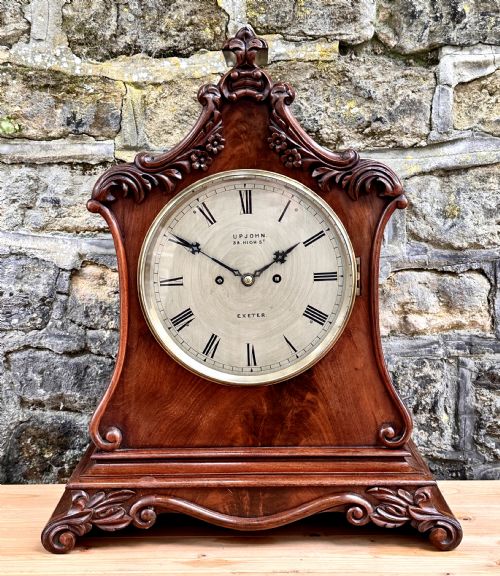
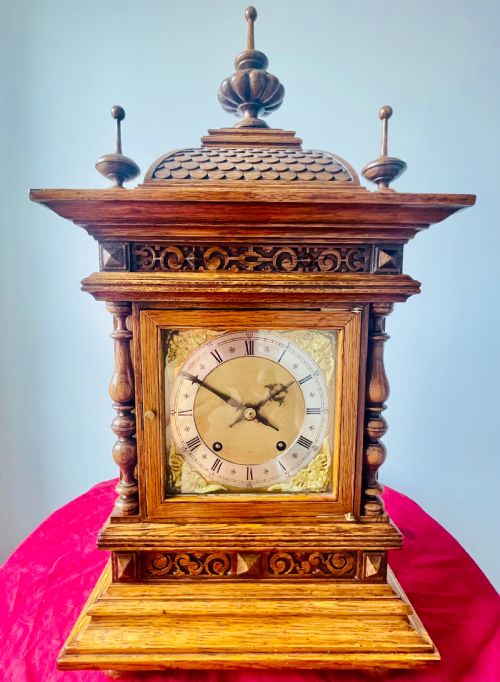
The selection includes architectural clock cases, bracket clocks, and library clocks from various European makers. Mahogany, oak, walnut, and ebonised wood form the primary structural materials for these domestic objects.
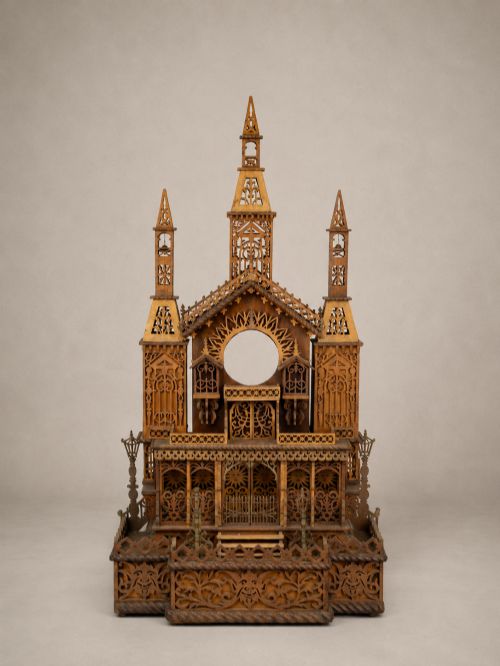
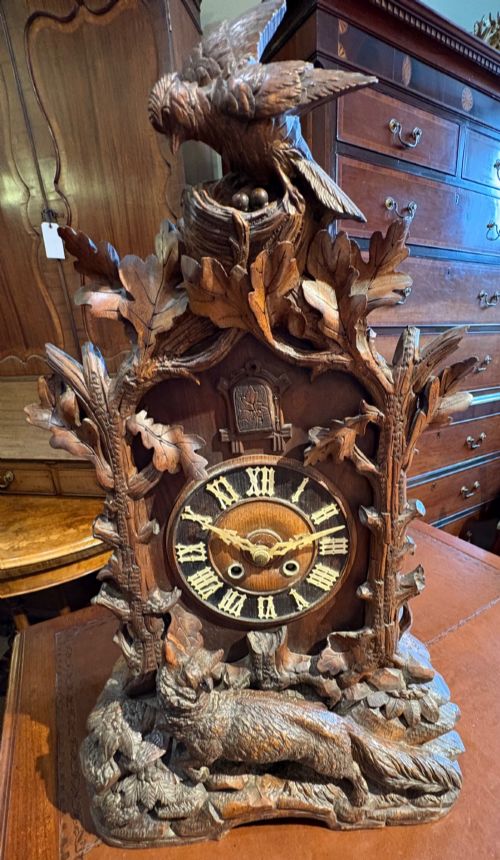
Styles span from plain classical library designs to ornate Black Forest carvings and Gothic Revival architectural forms. Most examples date from the mid to late 19th century, reflecting the periods of active production recorded in the evidence.
How They Were Made
Cabinet makers utilised dense hardwoods such as mahogany, walnut, and oak to construct sturdy timber clock cases. Marquetry, inlay, and fretwork added decorative surface detail to these wooden housings.
Brass formed the essential mechanical movements inside the cases, working alongside glass panels, enamel dials, and silvered chapter rings. Fusee movements and striking mechanisms regulated the timekeeping of these units.
Listings feature timber cases constructed from mahogany, oak, walnut, rosewood, and ebonised wood.
What Varies In Quality
The precision and complexity of the internal brass movement set superior examples apart from standard production pieces. Fusee movements and quarter-striking mechanisms represent higher standards of clockmaking craftsmanship.
Cabinetry execution dictates visual distinction, with intricate marquetry, crisp architectural fretwork, and finely figured timber veneers marking out the better class of item. Signed dials by recognised makers also elevate the standing of a piece.
German H.A.C.·Lenzkirch·George Wadham Bath·Winterhalder & Hofmeier·Mappin & Webb·S Simpson Southampton·Dent·Bryson Edinburgh·Webster Cornhill London·Connell of London·Piggin Norwich·Geo Carter Hackney·Wilkinson Leicester·J Kingerley Manchester·William Evans Handsworth·Bergen & Co
The Victorian Wooden Mantel Clock Glossary
- Fusee
- A conical pulley used in clock movements to maintain an even pull as the mainspring unwinds. This mechanism improves timekeeping accuracy across the power reserve.
- Bracket Clock
- A portable mechanical clock traditionally designed to sit upon a wall bracket or table. These items frequently feature carrying handles and glazed side panels.
- Library Clock
- A compact wooden timepiece intended for domestic study rooms or libraries. They typically display clean architectural lines and single fusee movements.
- Portico Clock
- A classical architectural timepiece shaped like a temple portico supported by columns. Rosewood and mahogany veneers frequently decorate these symmetrical cases.
- Silvered Dial
- A metal clock face treated with a silver solution to create a matte finish. Numerals and text are typically engraved and blackened for legibility.
Victorian Wooden Mantel Clock: Frequently Asked Questions
What is a fusee movement?
A fusee is a conical drum inside the clock that equalises the power of the mainspring as it runs down.
This clever mechanical device ensures the clock maintains steady accuracy from the moment it is fully wound until it stops.
How do I wind the clock?
Clocks with fusee or double barrel movements require a matching winding key inserted into the dial holes.
Care should be taken not to overwind the mainspring, turning the key steadily until resistance indicates the spring is fully tensioned.
Where should I place my clock?
Mantel clocks need a stable, level surface away from direct sunlight, excessive heat sources, and damp conditions.
Placing the clock securely on a solid mantelpiece or shelf prevents vibrations from interfering with the delicate pendulum or balance wheel.
How do I distinguish regional styles?
English makers favoured architectural mahogany and walnut cases housing fusee movements, while German workshops produced distinct oak and walnut architectural or musical bracket clocks.
Black Forest examples are readily identified by their characteristic hand-carved Linden wood cases and cuckoo mechanisms.