





Victorian Wooden Display Case
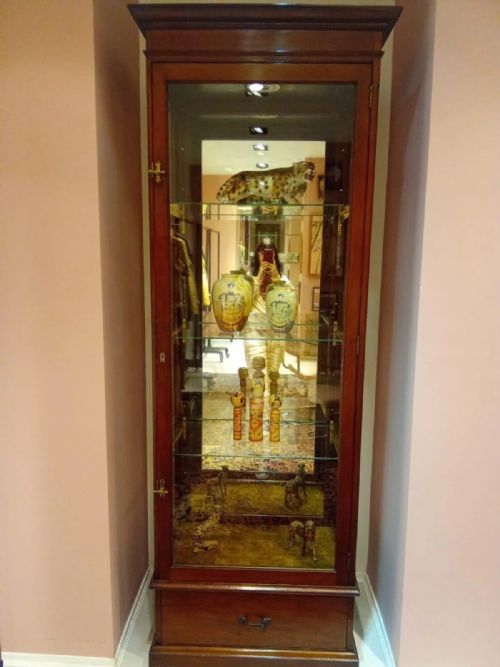
A victorian wooden display case protects delicate objects behind glass while bringing the craftsmanship of the nineteenth century directly into a room.
Victorian Wooden Display Case
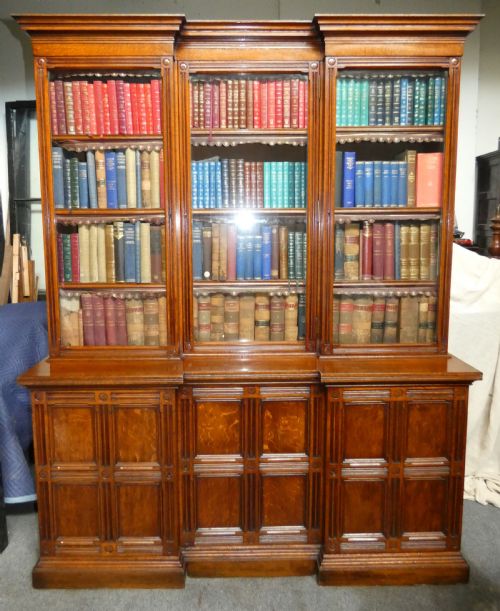
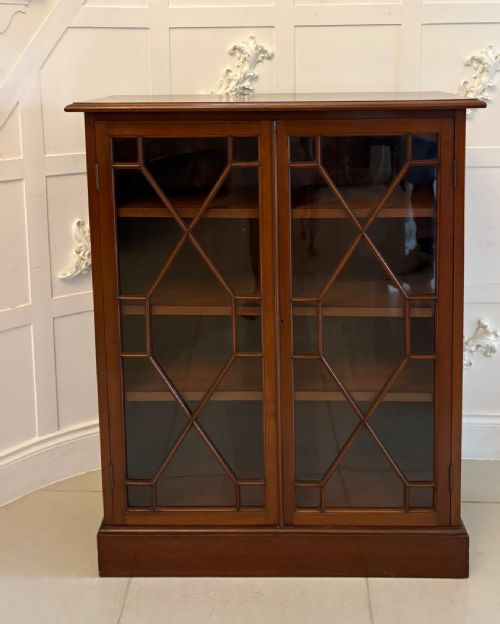
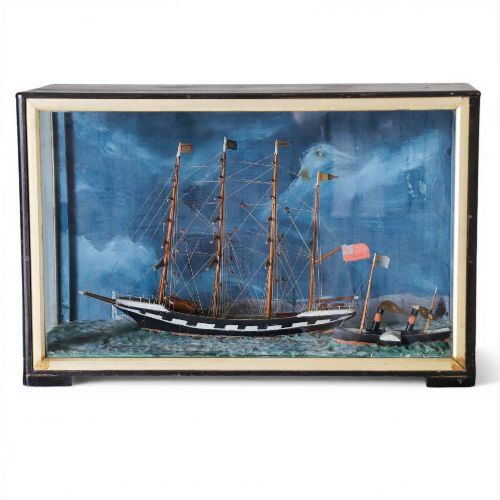
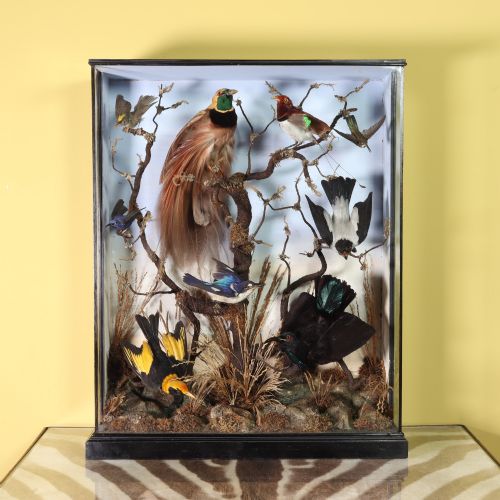
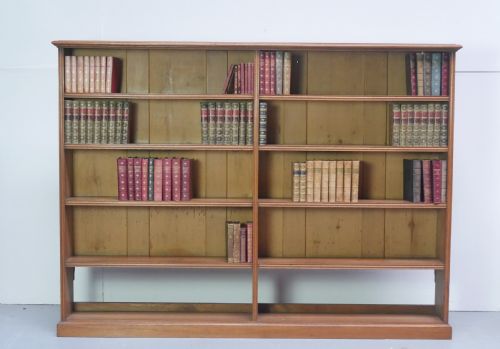
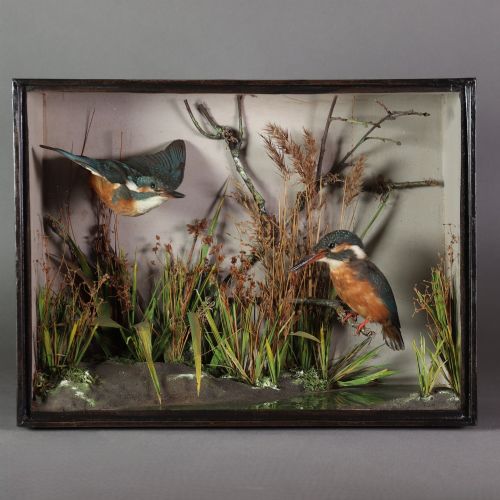
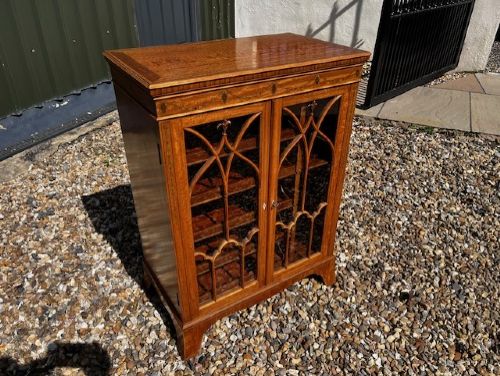
When searching for a victorian wooden display case, buyers encounter a diverse range of vessels designed to house prized possessions, natural specimens and shop merchandise. The selection spans domestic bookcases, countertop vitrines and specialised enclosures created to hold taxidermy, maritime dioramas and sewing cottons.
The objects originate primarily from the nineteenth and early twentieth centuries, reflecting the period's fascination with collection, display and preservation. Mahogany, oak and satinwood provide the structural framework, paired with large glass panels or domes that allow clear visibility from multiple angles.
Domestic living spaces receive smaller table top cabinets and glazed bookcases, while commercial interiors utilise haberdashery units and shop counters. Each piece serves the dual purpose of keeping dust from delicate items while arranging them in an orderly manner.
Materials and Construction
Cabinet makers utilised dense hardwoods such as mahogany, oak and satinwood to build sturdy carcasses capable of supporting heavy glass doors and shelving. Brass hinges, locks and ormolu mounts added functional security and decorative contrast to the timber surfaces.
Glass panels were secured within rebated wooden frames or held beneath blown glass domes resting on wooden bases. Interior linings often incorporated fabric, paper or painted backdrops to complement the specimens or objects housed within.
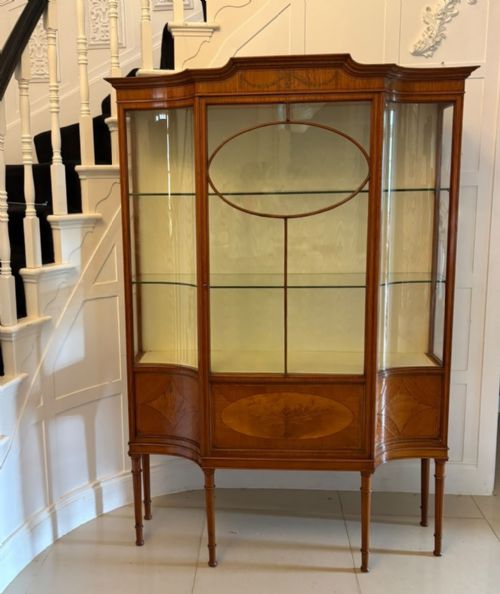
Inlaid marquetry, painted details and bow front shapes required skilled hand woodworking techniques, particularly in late nineteenth-century examples. Adjustable wooden or glass shelves allowed interior configurations to adapt to varying heights of books, ceramics or taxidermy.
The selection includes taxidermy enclosures, maritime dioramas, shop counters, haberdashery units and traditional glazed bookcases.
Distinctions in Standard
The standard of a victorian wooden display case rests upon the selection of timber, the crispness of any inlaid decoration and the integrity of the original glass. Finer examples display carefully matched wood grains, sophisticated satinwood and marquetry details, or specialist cast bronze and ormolu mounts.
Proportion and glazing bars heavily influence the visual success of the piece, with delicate framing offering a lighter presence than utilitarian commercial joinery. Original fittings, such as working brass locks, functioning adjustable shelf brackets and intact fabric linings, elevate the integrity of the survival.
J Griffiths of Burford·T. E. Gunn·S. King·Hutchings of Aberystwyth·Rowland Ward of London·W.F. Homer London
The Victorian Wooden Display Case Glossary
- Vitrine
- A glass display cabinet used chiefly for showcasing objects of vertu, porcelain or curiosities. These freestanding or table top cases emphasise all-around visibility through glazed panels.
- Diorama
- A three-dimensional scene depicting historical events, maritime vessels or natural history subjects within a shallow cased enclosure. Backgrounds are often painted to create perspective behind preserved specimens or models.
- Haberdashery case
- A commercial shop fitting designed with multiple drawers or glass fronts to organise small sewing goods, cottons and accessories for retail customers. They typically feature panelled wooden bases and glazed upper sections.
- Marquetry
- The art of applying decorative pieces of veneer to a wooden structure to form intricate pictorial or geometric patterns. Makers utilised contrasting woods to achieve tonal depth on cabinet doors and cornices.
- Ormolu
- Gilded bronze mounts applied to furniture and display cabinets for decorative accent during the nineteenth century. These metal details are cast and chased before receiving a gold finish.
Victorian Wooden Display Case: Frequently Asked Questions
What fits inside a countertop display case?
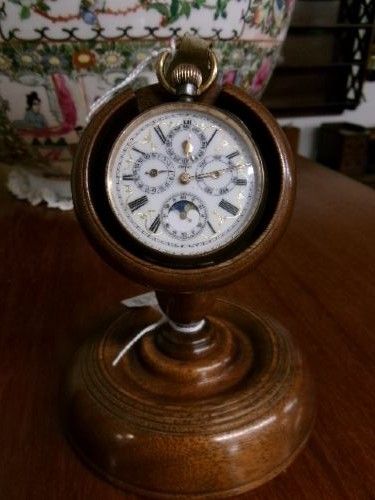
Countertop cabinets accommodate smaller collections, pocket watches, natural history specimens and delicate curiosities that benefit from close inspection.
The shallow depth and glass top or front keep items secure while placing them at eye level for a desktop or shop counter.
How do glass domes protect specimens?
Glass domes create an airtight environment over taxidermy, beadwork bouquets or delicate models, shielding them from dust, moisture and handling.
Resting securely on wooden bases, these covers preserve fragile organic materials without obstructing the view from the sides.
Where were haberdashery cabinets used?
Haberdashery cabinets originated in nineteenth-century shops and drapery stores to store and display sewing cottons, ribbons and small garments.
Today, collectors repurpose these multi-drawer and glass-fronted units in domestic interiors for organising jewellery, collections or everyday items.
How do I distinguish Edwardian from Victorian cases?
Victorian cases often lean towards heavier proportions, dark mahogany or oak timbers, and elaborate carved or inlaid ornamentation.
Edwardian examples tend to exhibit lighter satinwood framing, simpler geometric lines and an increased emphasis on brightness within domestic spaces.