

Victorian Wooden Carver
These Victorian wooden carver chairs bring nineteenth-century craftsmanship into everyday rooms, offering sturdy seating built from native timbers like elm, ash, and beech.
Victorian Wooden Carver
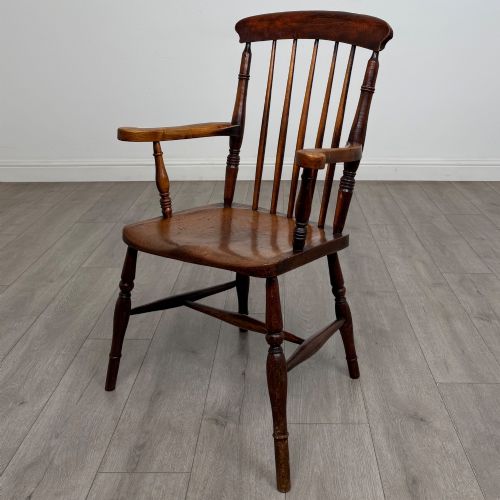
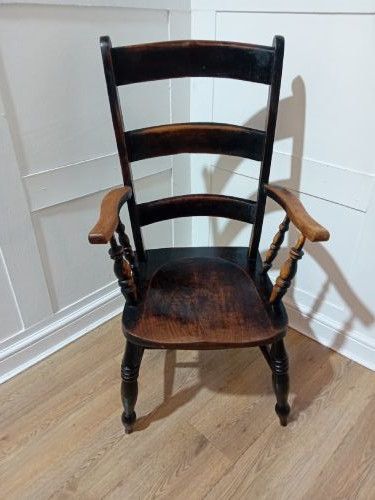
A Victorian wooden carver is an armchair designed to sit at the head of a dining table or serve as a standalone elbow chair in a parlour, study, or bedroom. When you search for this phrase, you encounter a wide selection of nineteenth-century seating, from robust farmhouse Windsors to formal mahogany dining carvers.
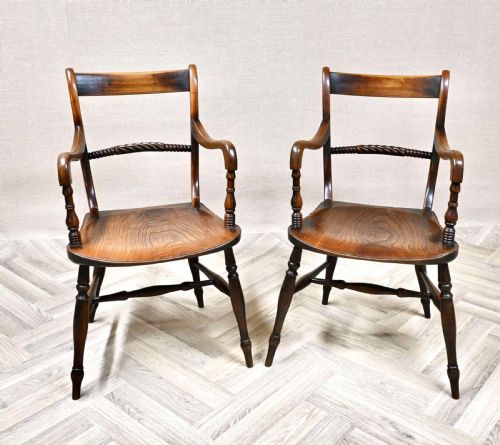
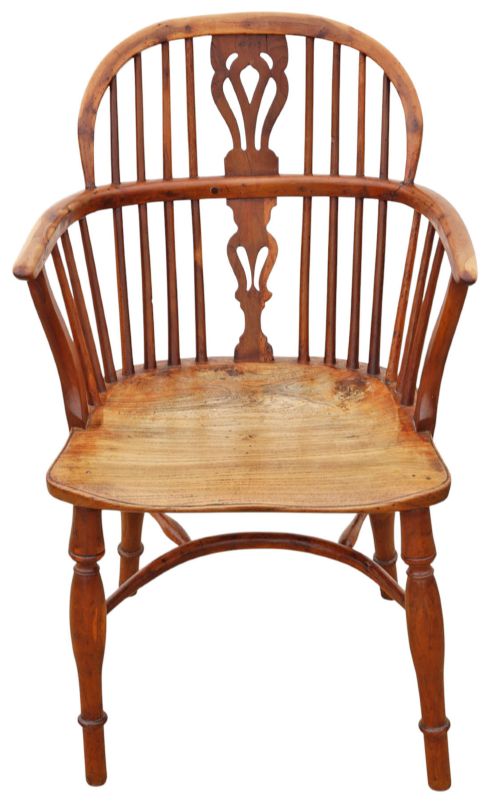
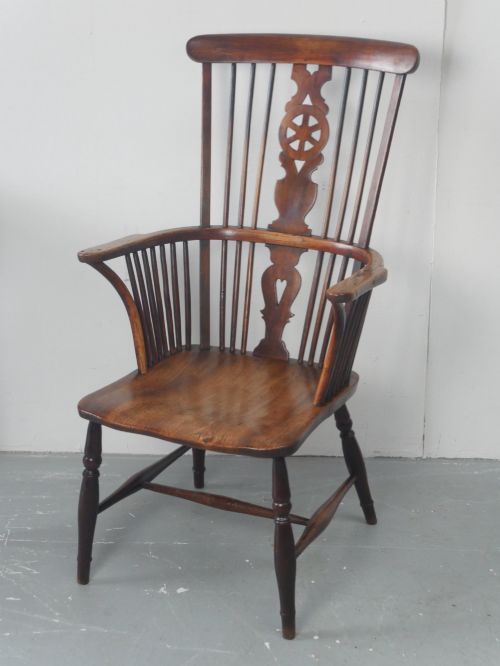
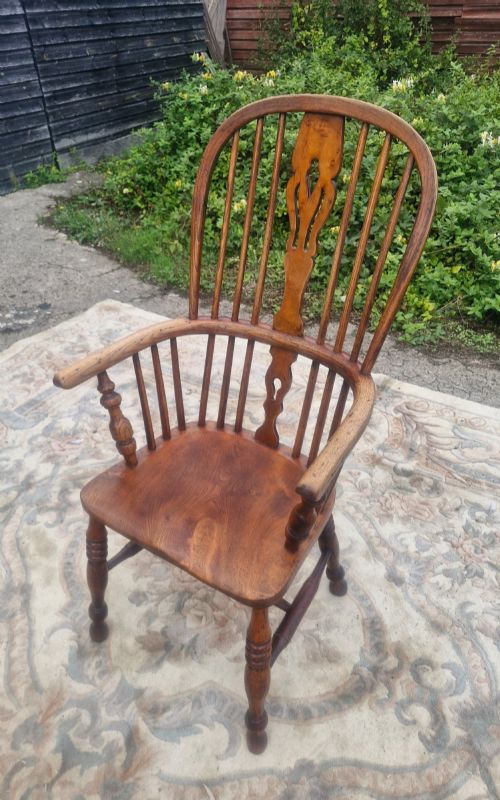
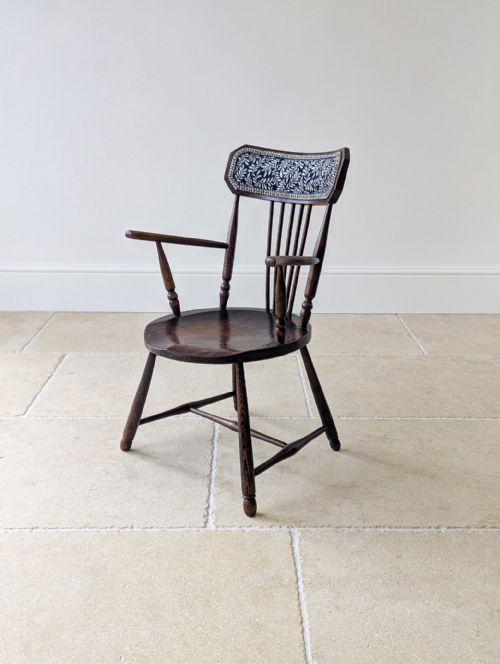
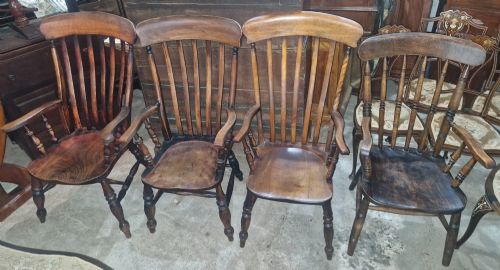
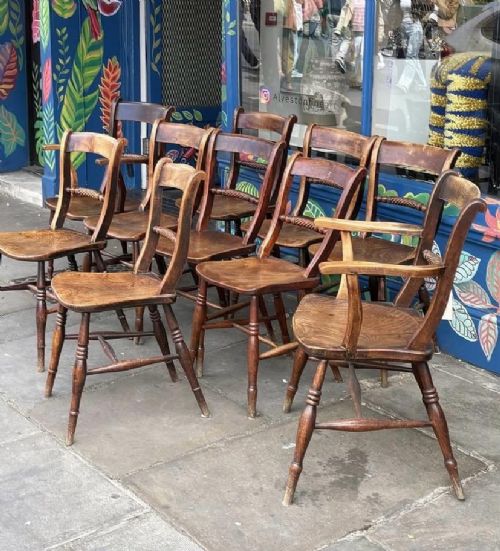
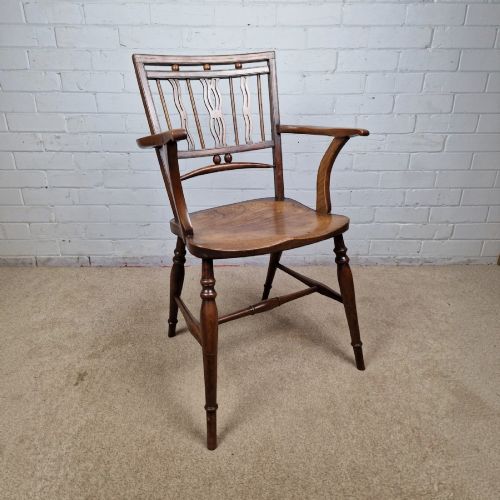
The most common examples on this page are country windsor and stick-back armchairs shaped from mixed woods such as elm, beech, and ash. These vernacular pieces range from low-back and bar-back kitchen chairs to grander Thames Valley and Oxford designs dating across the Victorian period.
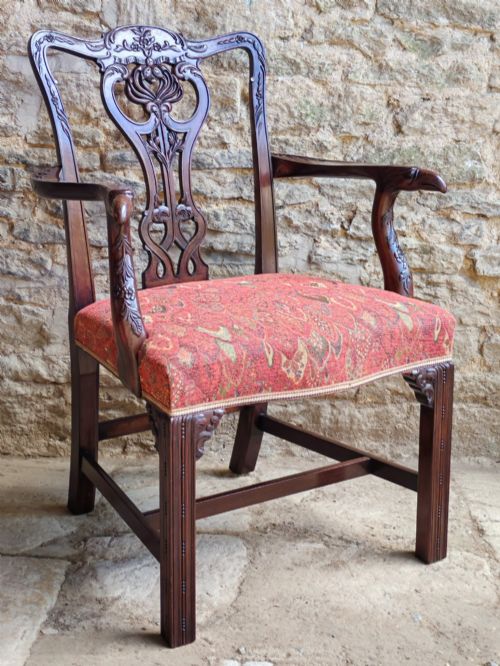
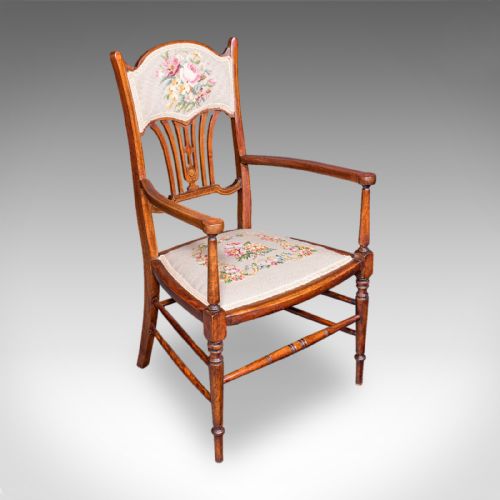
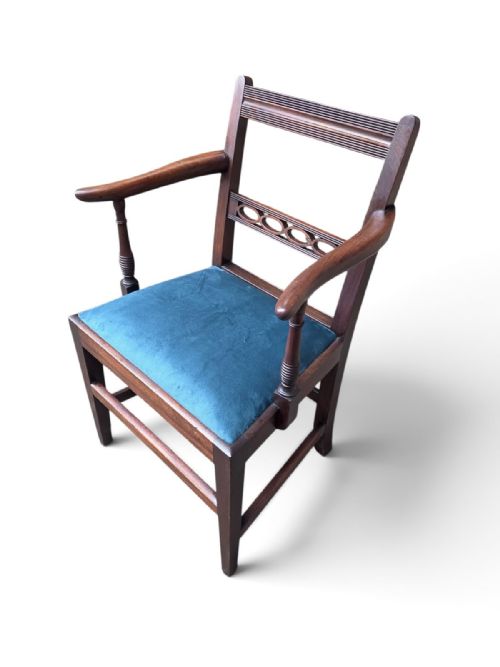
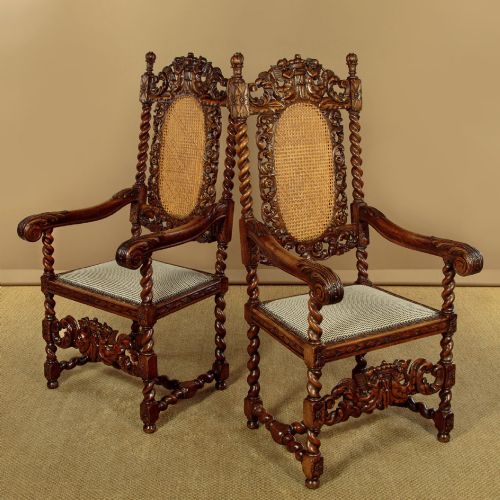
Alongside rustic seating, the listings include formal dining carvers executed in mahogany, walnut, and oak, often reflecting revival styles like Hepplewhite and Chippendale. Whether fashioned for a modest farmhouse kitchen or a formal dining room, each piece retains the characteristic arms that mark it out from standard single chairs.
Materials and construction
Traditional makers built these chairs using a combination of native hardwoods, pairing sturdy ash or beech frames with sculpted elm seats that resisted splitting. Windsor and stick-back models relied on turned spindles fitted into solid plank seats using wedged tenon joints.
Formal dining carvers utilised dense timbers like mahogany and walnut, shaped with curved scroll arms and pierced splats. Workshops employed traditional joinery techniques, securing joints with pegs and hide glue to ensure longevity under daily use.
Farmhouse carvers often wear knee-polished armrests from centuries of comforting landlords and weary travellers.
Judging quality and character
Quality rests in the selection of timber and the depth of the seating plank, where thick, well-figured elm or heavily grained mahogany indicates superior work. A well-balanced frame with tight joints and original turned components demonstrates the maker's competence.
Surface finish dictates much of the appeal, with untouched patinas, original polish, and honest wear setting finer examples apart from heavily restored or sanded pieces.
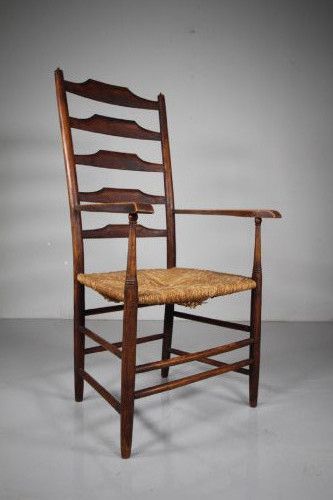
Philip Clissett·Howard and Sons·E W Godwin
The Victorian Wooden Carver Glossary
- Carver
- An armchair designed with open sides to accommodate voluminous historical clothing, typically used at the head of a dining table.
- Windsor chair
- A wooden chair constructed with a solid shaped seat into which the legs, back spindles, and bow are separately inserted.
- Stick back
- A chair design featuring slender turned spindles forming the backrest, commonly found in nineteenth-century country seating.
- Elm
- A durable native hardwood valued for its interlocking grain, frequently utilised for the solid seats of Windsor chairs.
- Vernacular furniture
- Items made by regional craftsmen using local traditions and materials rather than following metropolitan academic designs.
Victorian Wooden Carver: Frequently Asked Questions
What is a carver chair?
A carver chair is an armchair traditionally placed at the head and foot of a dining table, featuring supportive armrests that match the surrounding single chairs. These seats provided comfort during lengthy meals and formal gatherings.
In nineteenth-century homes, similar armchairs also functioned as reading chairs in libraries or morning rooms. Their defining characteristic remains the open arms fitted to a standard dining or Windsor frame.
How do I identify a Windsor chair?
A Windsor chair is built around a heavy solid wooden seat rather than a traditional framed chassis. The legs and back spindles are driven directly into bored holes through the plank.
Country makers shaped elm for these seats because the twisted grain prevented splitting when the legs were wedged into place. This clever construction method produced remarkably resilient seating.
Where were these chairs made?
These chairs originated across various English regions, with particular hubs developing distinct vernacular styles. Thames Valley, Nottinghamshire, and Lincolnshire workshops each produced recognizable variations of the classic Windsor design.
Other pieces emerged from urban cabinet makers working in mahogany and walnut, following fashionable revival styles for middle-class dining rooms.
How do I care for wooden carvers?
Keep wooden carvers away from direct heat sources and sudden temperature fluctuations to prevent the timber from drying and splitting. Natural beeswax applied sparingly will nourish the wood and maintain the surface sheen.
Avoid harsh modern cleaning sprays that can strip historic finishes. Regular gentle dusting with a soft cloth is sufficient for daily maintenance.