

Victorian Wooden Boxes
These victorian wooden boxes span writing slopes, tea caddies and robust trunks that bring nineteenth-century craftsmanship into a modern interior.
Victorian Wooden Boxes
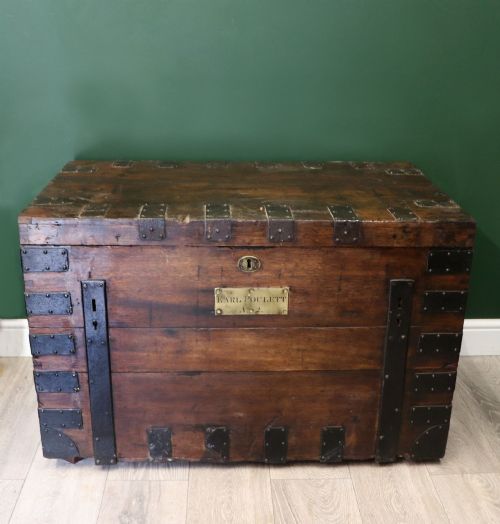
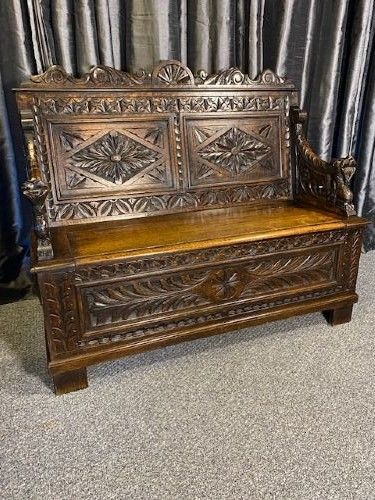
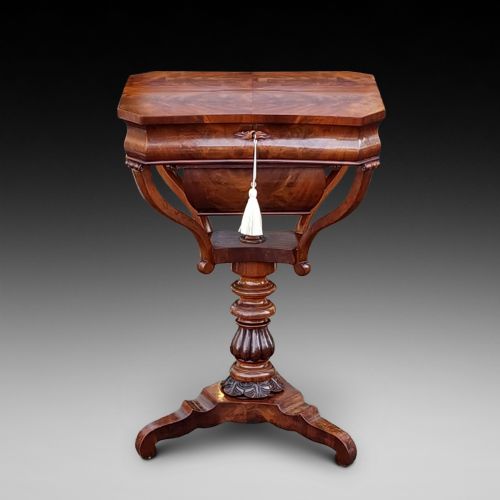
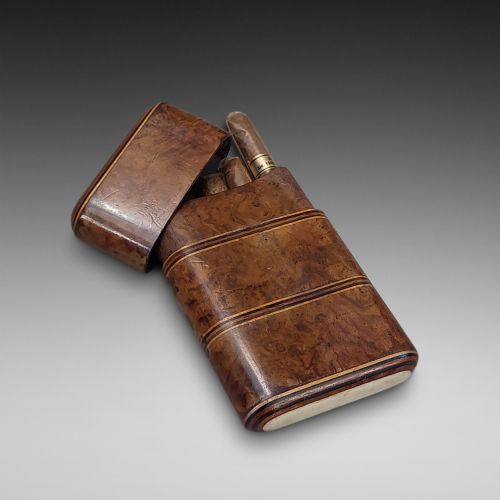
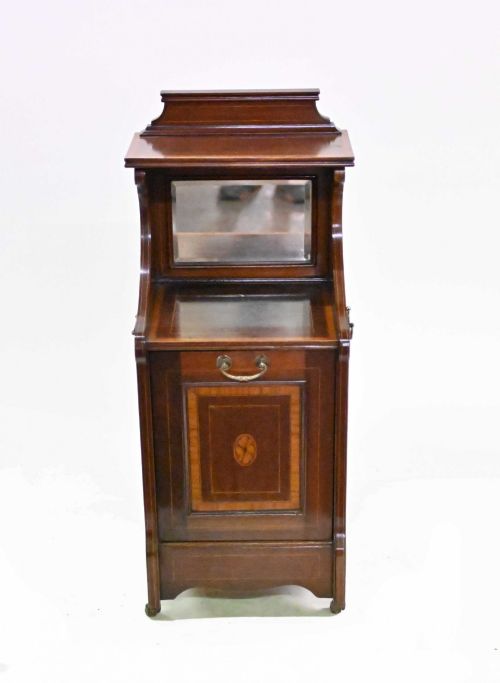
When you search for victorian wooden boxes, you encounter an array of functional containers designed for writing, storing valuables, or keeping tea and documents secure. The selection ranges from compact desktop accessories to heavy campaign trunks and blanket boxes intended for household utility.
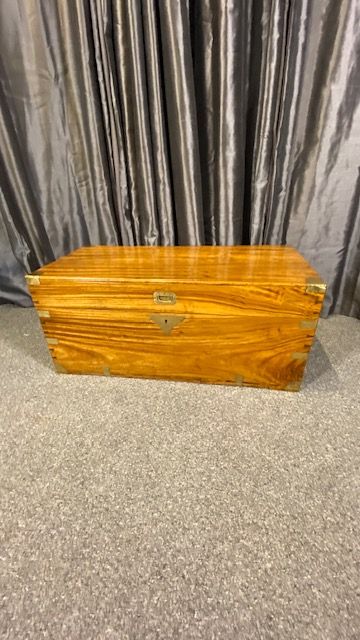
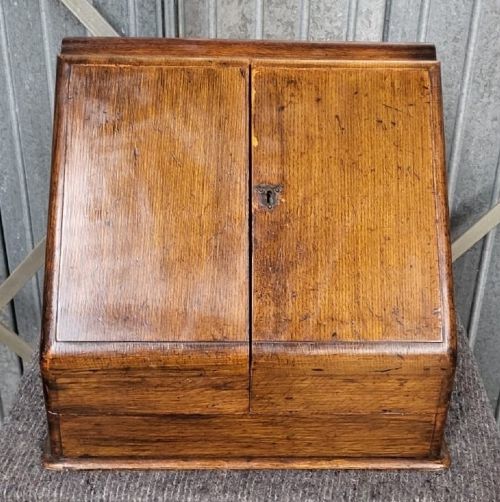
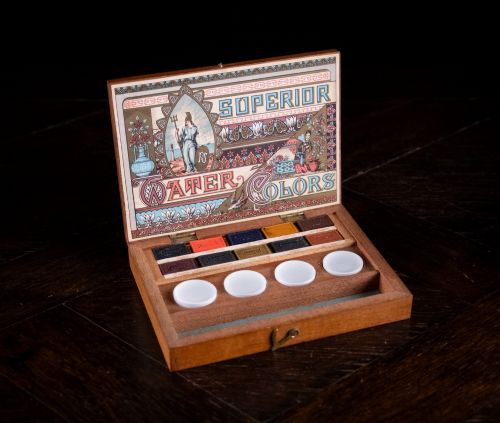
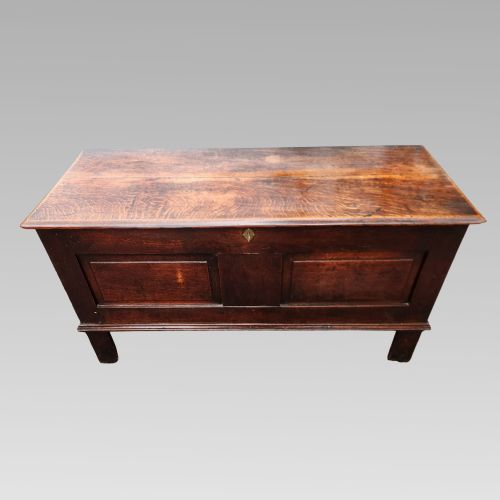
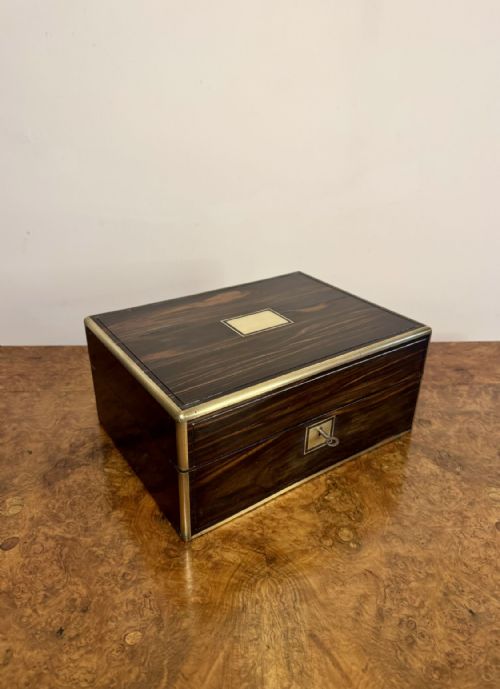
The most common examples on this page are writing slopes and tea caddies shaped from mahogany, walnut, or rosewood, often fitted with compartments and keys. Alongside these sit utilitarian pine storage chests and decorative novelty items like string boxes and games.
Origins stretch from English country houses to Scottish workshops and continental centres, reflecting diverse domestic needs of the nineteenth century. Buyers select these pieces for their combination of functional storage and tactile timber grains.
Materials and technique
Cabinet makers utilised dense hardwoods such as mahogany, walnut, and amboyna, often selecting figured veneers like burr walnut and flame mahogany for visible exterior surfaces. Pine served predominantly for structural carcases and utilitarian trunks intended for heavier service.
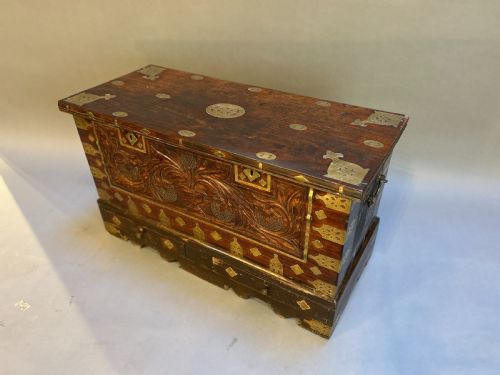
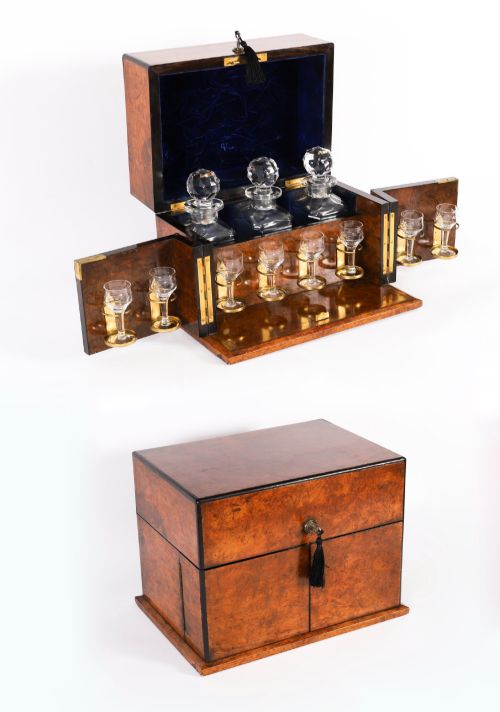
Construction techniques involved precision dovetailing for drawers and secure box joints, reinforced on travel pieces with brass banding and inset carrying handles. Interiors frequently incorporated secret compartments, velvet linings, and turned glass mixing bowls.
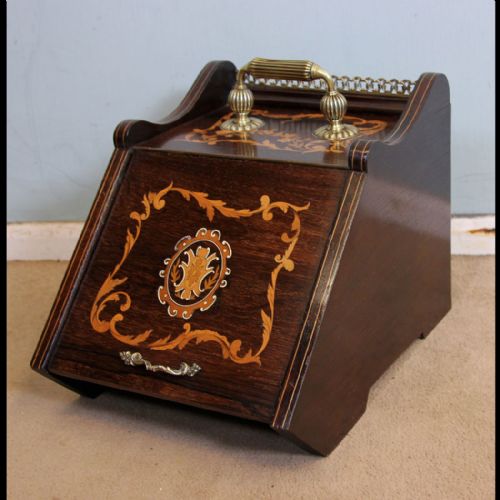
Surface decoration relied on natural timber grains enhanced by French polishing, alongside specialised techniques like Sorrento marquetry and carved oak detailing found in regional pieces.
Victorian Wooden Boxes Retail Price Guide 2026
Typical asking prices for victorian wooden boxes among the pieces listed under this phrase on Sellingantiques today, from the lower quarter to the upper quarter. They describe what is for sale here now, not the wider market.
Listings feature woods including mahogany, walnut, pine, oak, coromandel, and amboyna.
What varies in quality
The division between standard utilitarian items and superior pieces rests on the choice of timber and the precision of the cabinet work. Finer examples display continuous grain across joints, choice veneers, and intact original brass hardware rather than later replacements.
Internal complexity dictates value, separating simple storage boxes from elaborate writing slopes fitted with secret drawers, working locks, and original glass or ceramic accessories. The crispness of carved details and the tightness of dovetail joints further distinguish high-grade workshops from mass production.
The Victorian Wooden Boxes Glossary
- Writing slope
- A desktop box with a hinged sloping lid that opens to reveal a writing surface, inkwell recesses, and small storage compartments.
- Tea caddy
- A lidded container built to store tea leaves securely, often featuring internal foil lining, divisions, and a central glass mixing bowl.
- Campaign trunk
- A portable storage chest constructed with reinforced brass corners and side carrying handles for transport during military or travel use.
- Marquetry
- A decorative technique applying fitted pieces of wood veneer to form pictorial or geometric patterns on the box exterior.
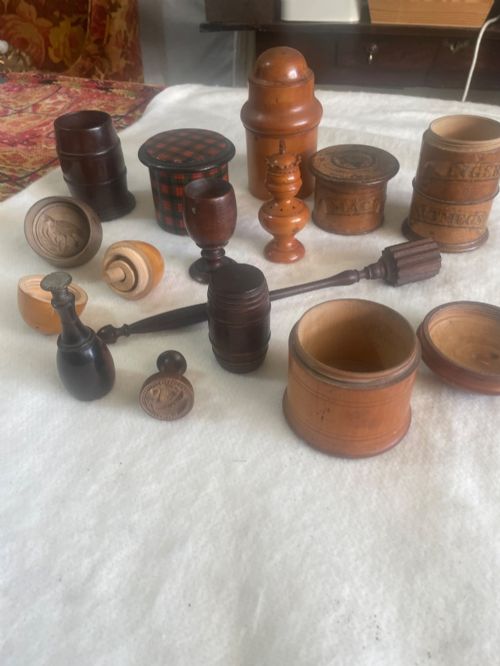
- Treen
- Small handmade wooden household objects and utilitarian items produced before the widespread adoption of modern plastics.
Victorian Wooden Boxes: Frequently Asked Questions
How were writing slopes used?
Writing slopes provided a portable desk surface for correspondence before the widespread use of fitted stationery furniture.
Owners opened the hinged lid to reveal a slanted baize-lined writing board, pigeonholes for paper, and small compartments for inkwells and seals.
What is a tea caddy?
A tea caddy served as a secure container for storing expensive loose tea leaves in the nineteenth-century parlour.
Locked lids prevented domestic staff or guests from accessing the valuable contents, and internal compartments separated different tea varieties.
How do I date a wooden box?
Dating relies on observing construction methods, timber choices, and hardware styles characteristic of specific decades.
Hand-cut dovetails, brass inlay patterns, and lock mechanisms offer reliable clues to whether a piece originates from the Regency era or the late Victorian period.
Can I use these boxes daily?
These boxes function well for modern storage of jewellery, stationery, or desktop accessories while retaining their decorative appeal.
Gentle maintenance with appropriate wax preserves the polished timber surfaces against drying out during everyday use.