

Victorian Wooden Accent Chairs
These Victorian wooden accent chairs bring nineteenth-century timber framing and upholstery into modern spaces to add character and practical seating.
Victorian Wooden Accent Chairs
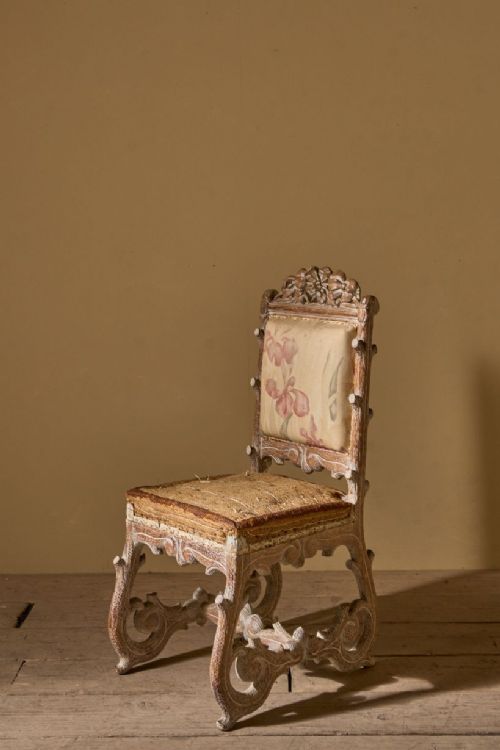
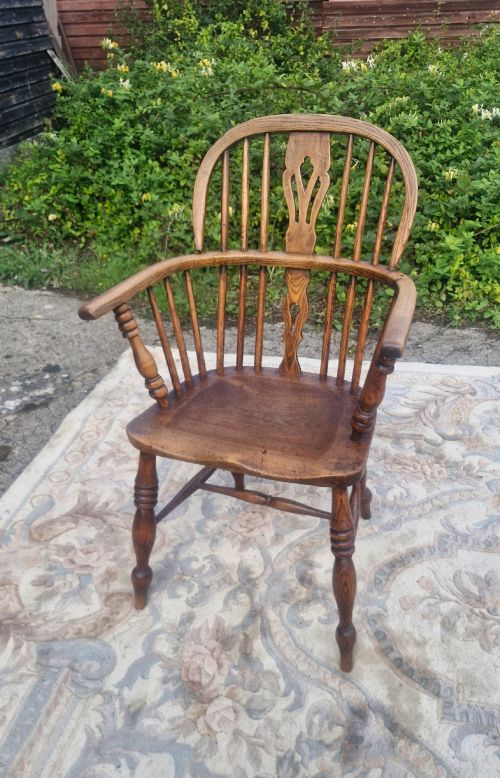
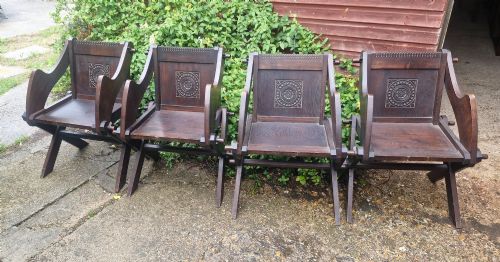
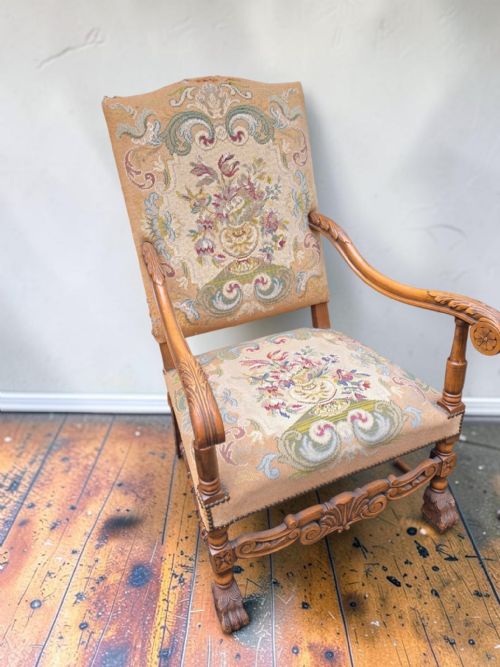
Victorian wooden accent chairs encompass a wide variety of domestic seating forms produced during the nineteenth century, including low-back Windsors, carved walnut side chairs, and rush-seated fireside models. Buyers searching this phrase encounter diverse regional styles ranging from English Country and Arts and Crafts to Gothic Revival and Victorian Rococo.
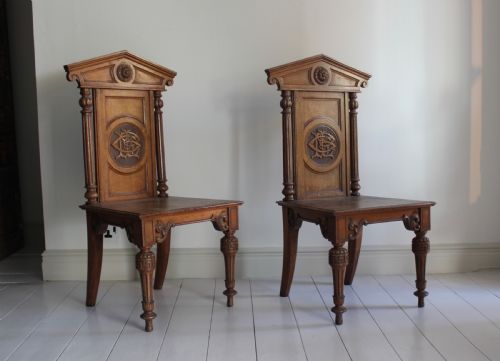
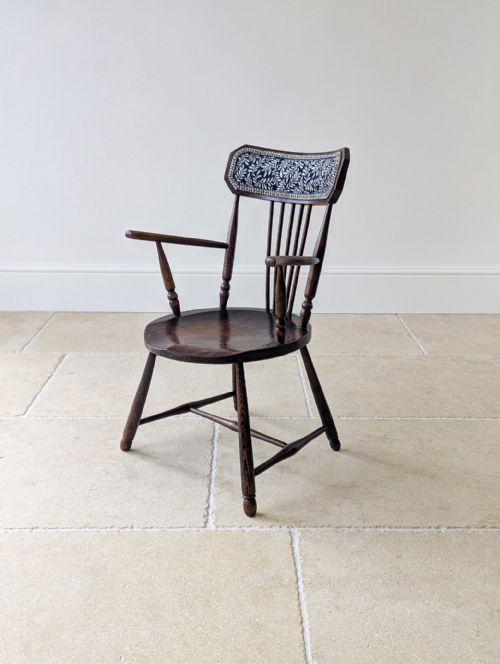
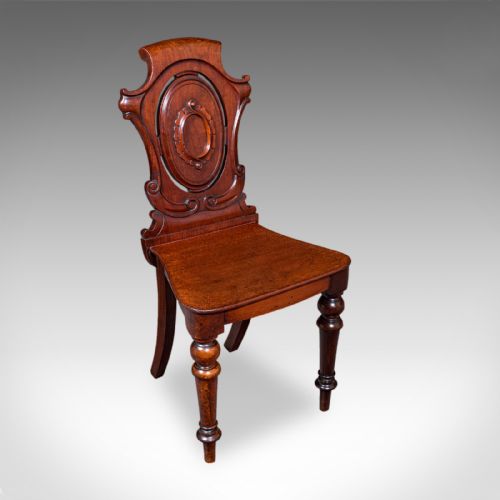
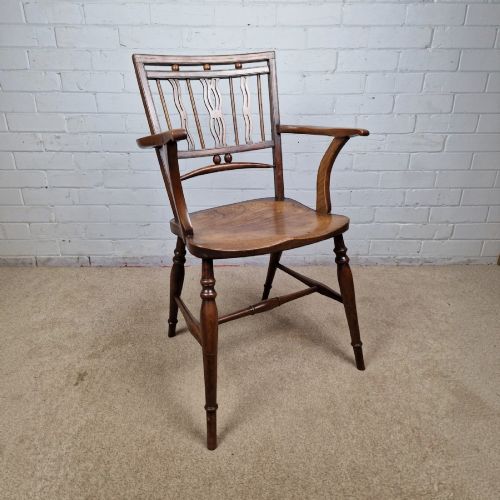
The selections on this page lean heavily toward utilitarian and reception seating, with numerous oak and walnut hall chairs alongside elm and beech Windsor armchairs. These pieces served specific domestic functions in nineteenth-century interiors, from the entrance hall to the morning room and bedroom.
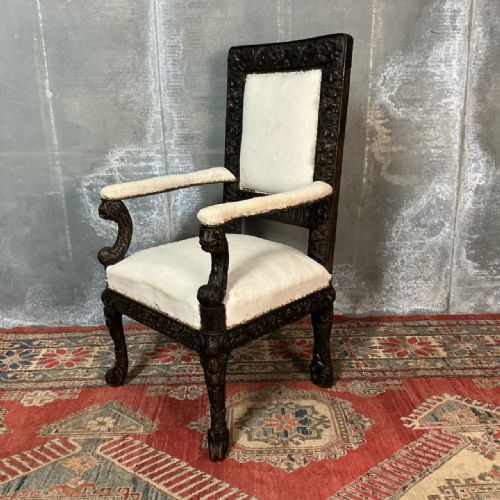
Makers utilised native and imported hardwoods to shape distinct regional forms, such as Thames Valley Windsor chairs and Scottish oak reception seats. The variety spans simple spindle-backed fireside chairs to heavily carved revival salon seating.
Materials and Construction Techniques
Cabinet makers and bodgers relied on a combination of native hardwoods including oak, elm, walnut, beech, and ash, selecting each timber for its specific structural properties. Elm provided tough seats for Windsor armchairs, while walnut and mahogany allowed for detailed carving on salon and hall chairs.
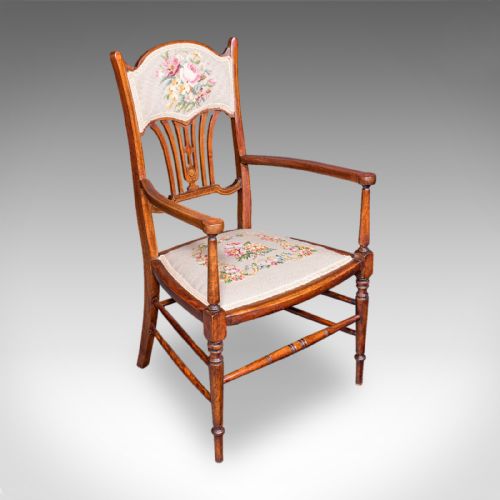
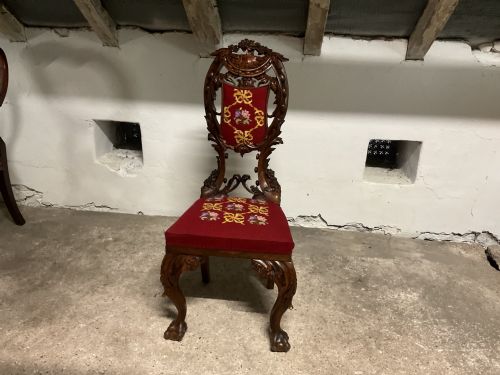
Joinery techniques varied according to the form, utilising traditional turning, mortise and tenon joints, and steam-bending for curved components like wheel-backs and hoop backs. Upholstered variants integrated textiles, tapestry, needlework, and rush seating fixed to wooden frames.
Victorian artisans turned humble wood into playful bobbin frames, letting sitters rest against rows of polished wooden spools.
Evaluating Quality in Nineteenth-Century Seating
Quality rests primarily in the selection of timber and the precision of the joinery, distinguishing sturdy daily-use furniture from lighter decorative pieces. Dense hardwoods like walnut and yew wood indicate superior material choice compared to softer utility pine frames.
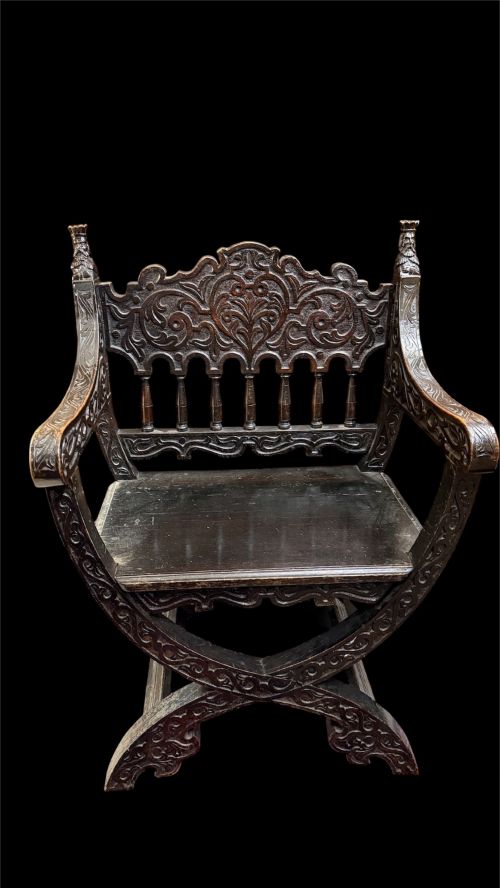
The depth and execution of carved ornamentation, whether geometric linenfold, scrollwork, or Gothic tracery, separate standard production seating from high-status commission work. Original surface patination and intact structural framing without excessive timber replacement maintain the integrity of the piece.
William Morris·Rossetti
The Victorian Wooden Accent Chairs Glossary
- Windsor chair
- A traditional wooden chair constructed with a solid wooden seat into which the legs and back spindles are direct-inserted. These typically feature bow backs or comb backs formed from bent wood.
- Hall chair
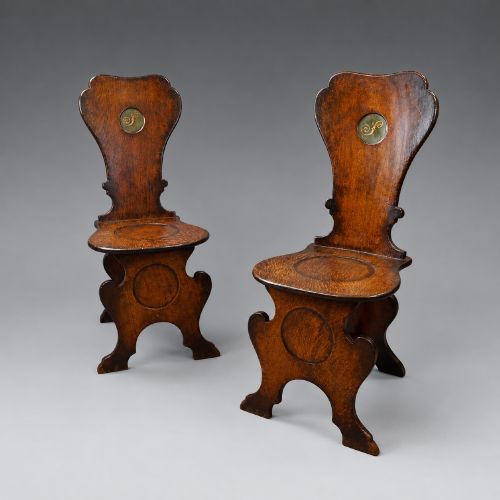
- A rigid wooden side chair placed in entrance halls, frequently featuring a solid carved timber seat and an elaborately carved back panel displaying family crests or heraldic motifs.
- Rush seat
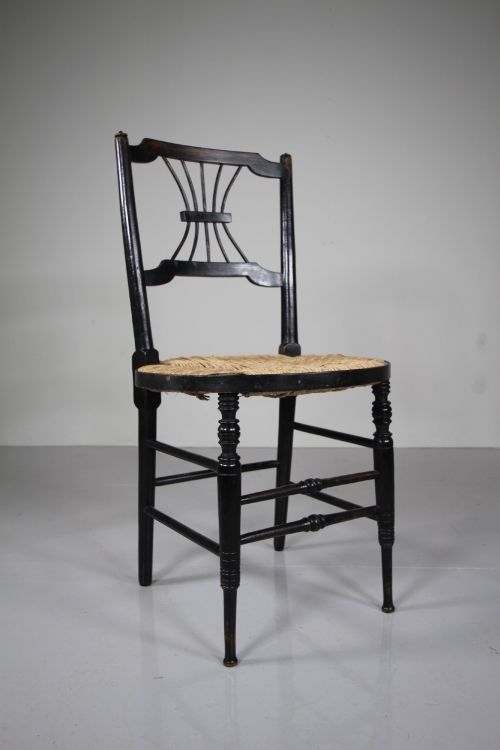
- A woven seating surface made from dried marsh rushes twisted into cords and hand-woven across the frame. This technique appears frequently on Arts and Crafts and vernacular chairs.
- Bobbin chair
- A type of seating constructed from turned wood components shaped to resemble strings of wooden bobbins or spools. This decorative turning method gained popularity during the late nineteenth century.
- Sgabello
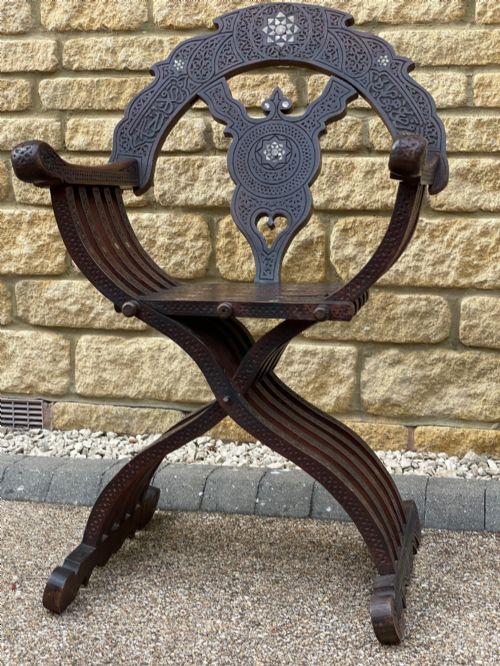
- A Renaissance Revival wooden chair design featuring a supportive vertical back and solid trestle-like slab supports instead of conventional legs. These ornamental seats stood primarily in grand hallways.
Victorian Wooden Accent Chairs: Frequently Asked Questions
What rooms suit a Victorian accent chair?
These wooden chairs function well in hallways, living rooms, and bedrooms where an individual seat adds functional surface space and period character.
Compact side chairs and nursing chairs fit neatly into smaller alcoves, while sturdy Windsor armchairs anchor larger fireside spaces.
How do I care for antique wooden frames?
Maintain nineteenth-century wood by keeping pieces away from direct heat sources and sudden humidity changes that cause timber to split.
Apply a microcrystalline wax polish occasionally to nourish the surface without building up excessive sticky residue on the carved details.
How are different stylistic periods identified?
Look to the decorative motifs and timber choices to determine the stylistic influence, such as heavy tracery for Gothic Revival or clean spindle frameworks for Arts and Crafts.
Early Victorian pieces often display rich walnut carving, while late-nineteenth-century items lean toward simpler vernacular or aesthetic movement designs.
Were these chairs meant for daily sitting?
Many nineteenth-century forms, particularly elm Windsors and oak kitchen armchairs, were engineered for robust daily domestic utility.
More delicate salon chairs and inlaid rosewood pieces served primarily as occasional seating rather than heavy everyday lounging.